Antigua
Antigua is a city shaped by centuries of artistry, tradition, and natural forces. Set in a highland valley and surrounded by volcanoes, its streets are lined with colorful buildings, hidden courtyards, and open-air plazas. The Santa Catalina Arch is one of Antigua’s most recognizable features, originally built as a passage between two sections of a convent. Today, it frames a dramatic view of Volcán de Agua and is a popular gathering spot for both locals and visitors.
Guimarães
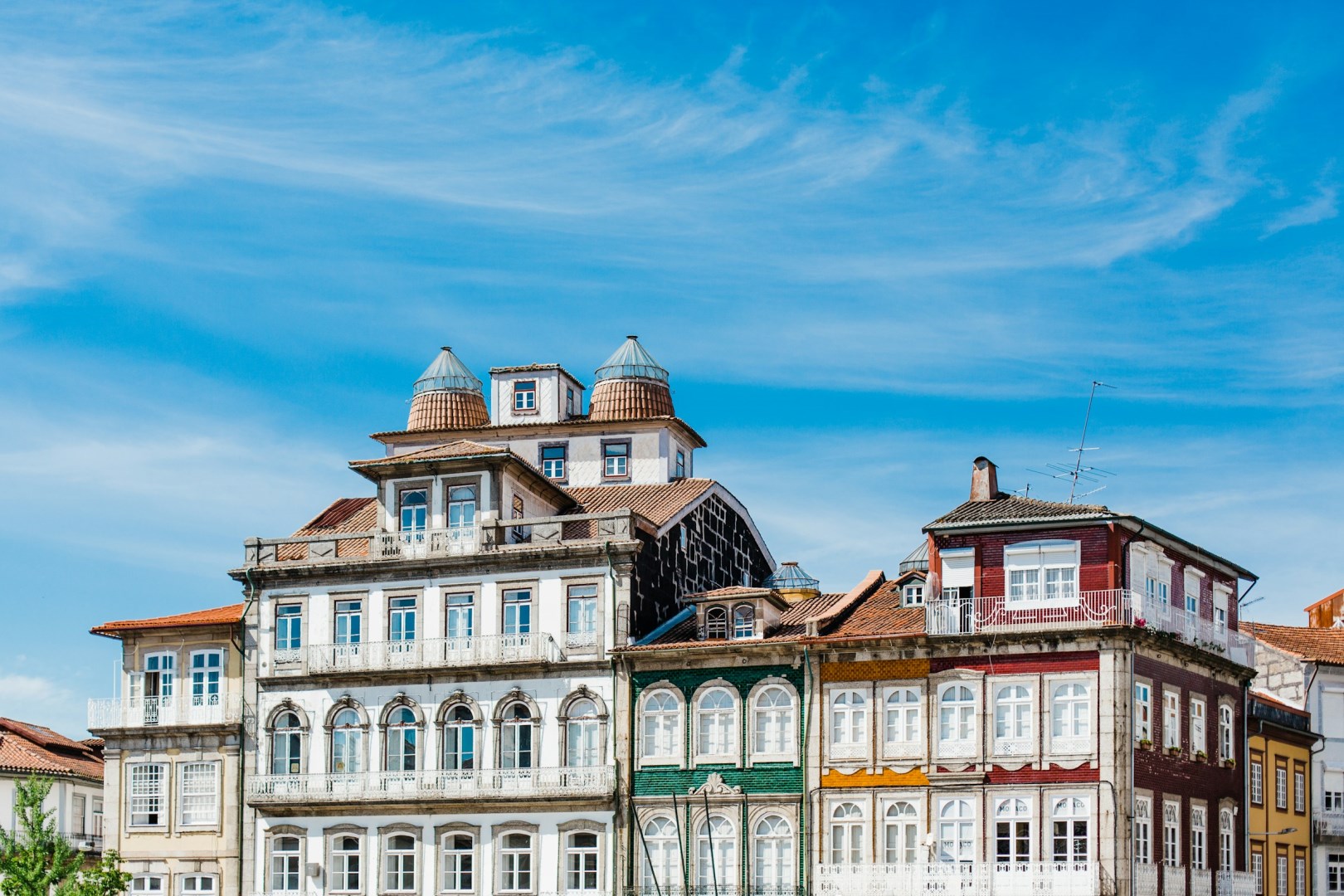
Guimarães is a historic city in northern Portugal closely associated with the origins of the Portuguese nation. Known as the “Cradle of Portugal,” it developed around a medieval settlement whose historic center remains exceptionally well preserved. Narrow streets, granite buildings, arcaded squares, and traditional houses give the old town a distinctive architectural character.
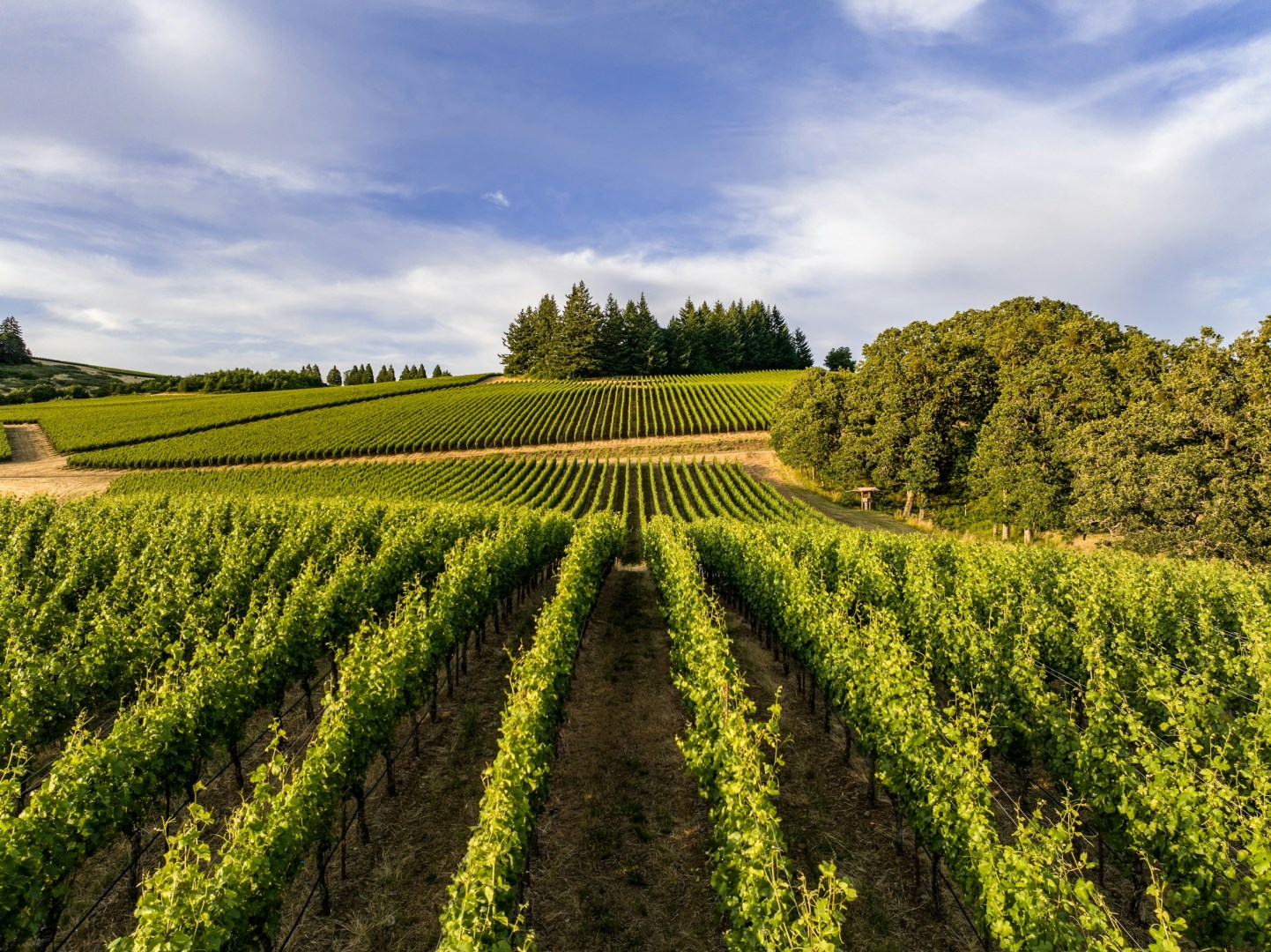
Willamette Valley
Willamette Valley is a broad agricultural valley in northwestern Oregon, stretching between the Cascade Range and the Coast Range. The Willamette River runs through its center, while fertile farmland, wooded foothills, vineyards, orchards, and small communities fill the surrounding landscape. Portland lies at the valley’s northern end, with Salem and Eugene among its principal cities.
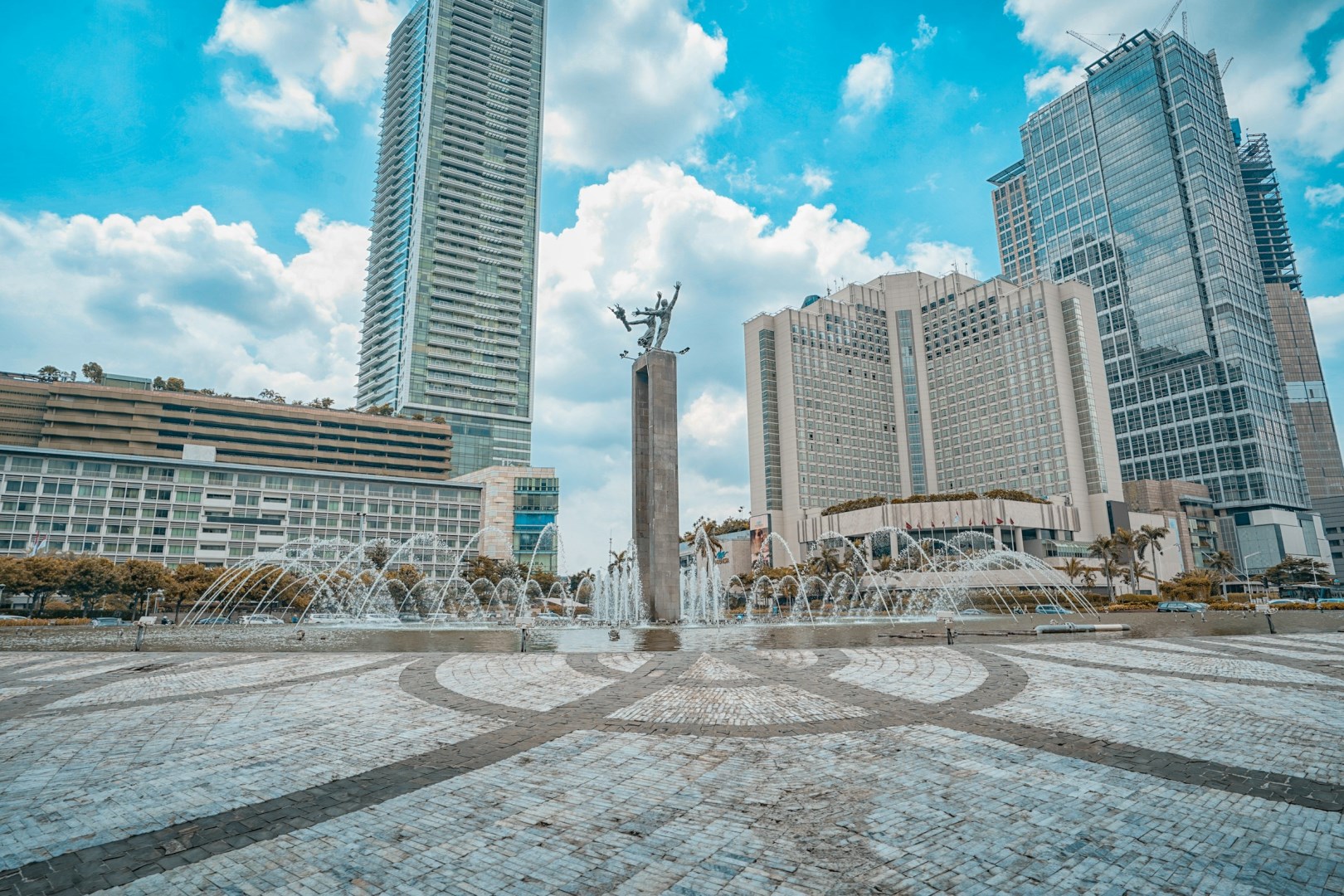
Jakarta
Jakarta, the capital of Indonesia, is a city where centuries of history meet modern energy. Located on the island of Java, it has long been a hub for trade and culture, drawing influences from across Asia, the Middle East, and Europe.
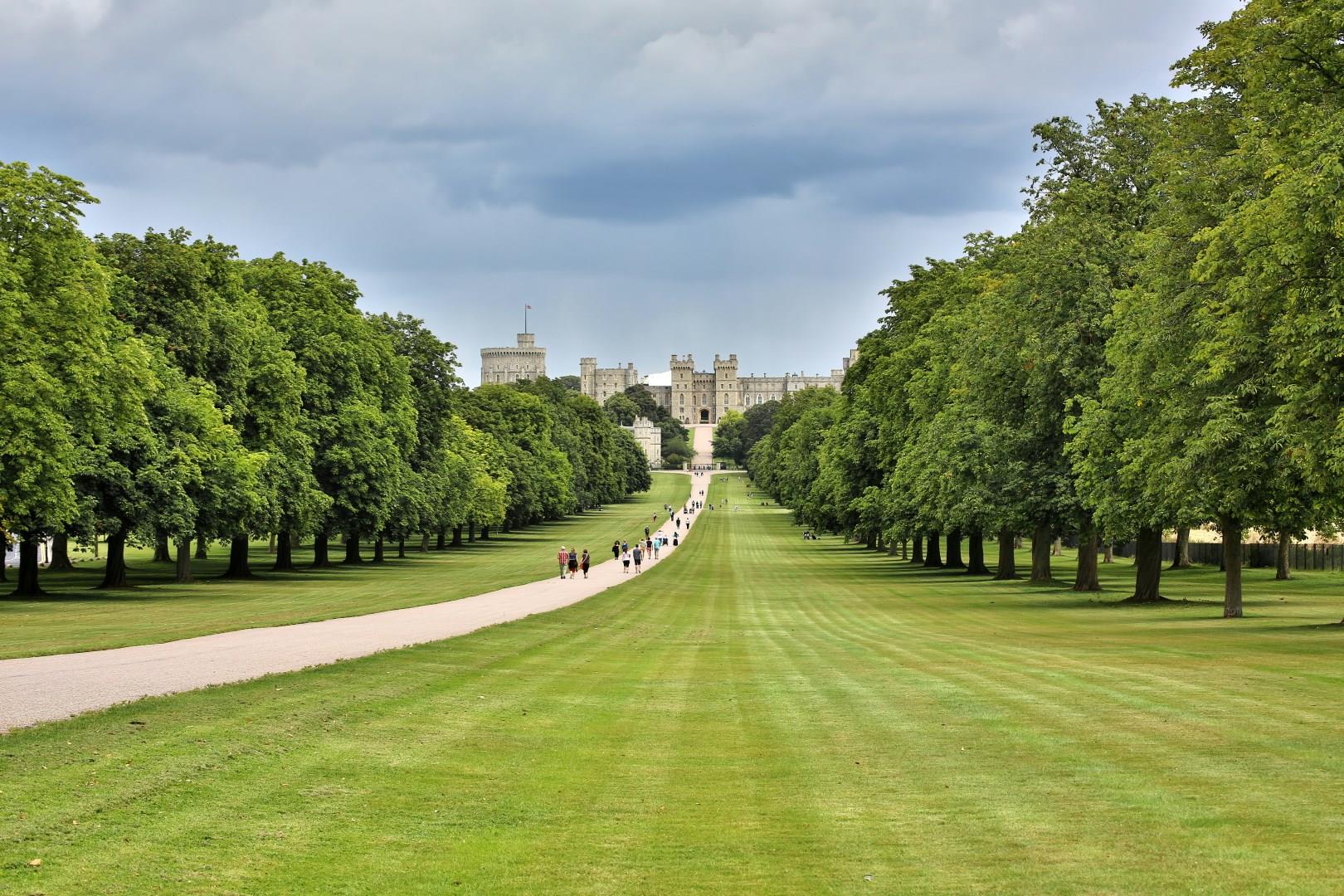
Windsor
Windsor sits along a bend in the River Thames, its identity shaped by nearly a thousand years of royal presence. Windsor Castle, the world’s oldest continuously inhabited royal residence, dominates the town and anchors its historical significance, but the surrounding streets and parks reveal a place that has long supported court life, trade, and everyday routines alongside ceremony.