Kanchanaburi
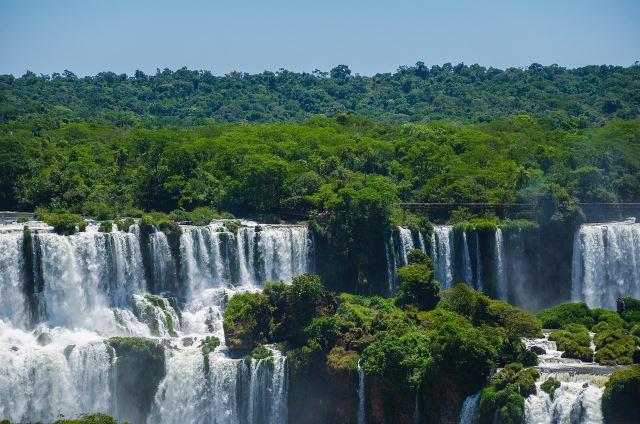
Kanchanaburi, a province in western Thailand, is best known for its poignant history and lush landscapes. It was here that Allied prisoners of war and Asian laborers were forced to build the infamous Death Railway during World War II, including the Bridge over the River Kwai, which remains a powerful symbol of resilience.
L'Anse Aux Meadows
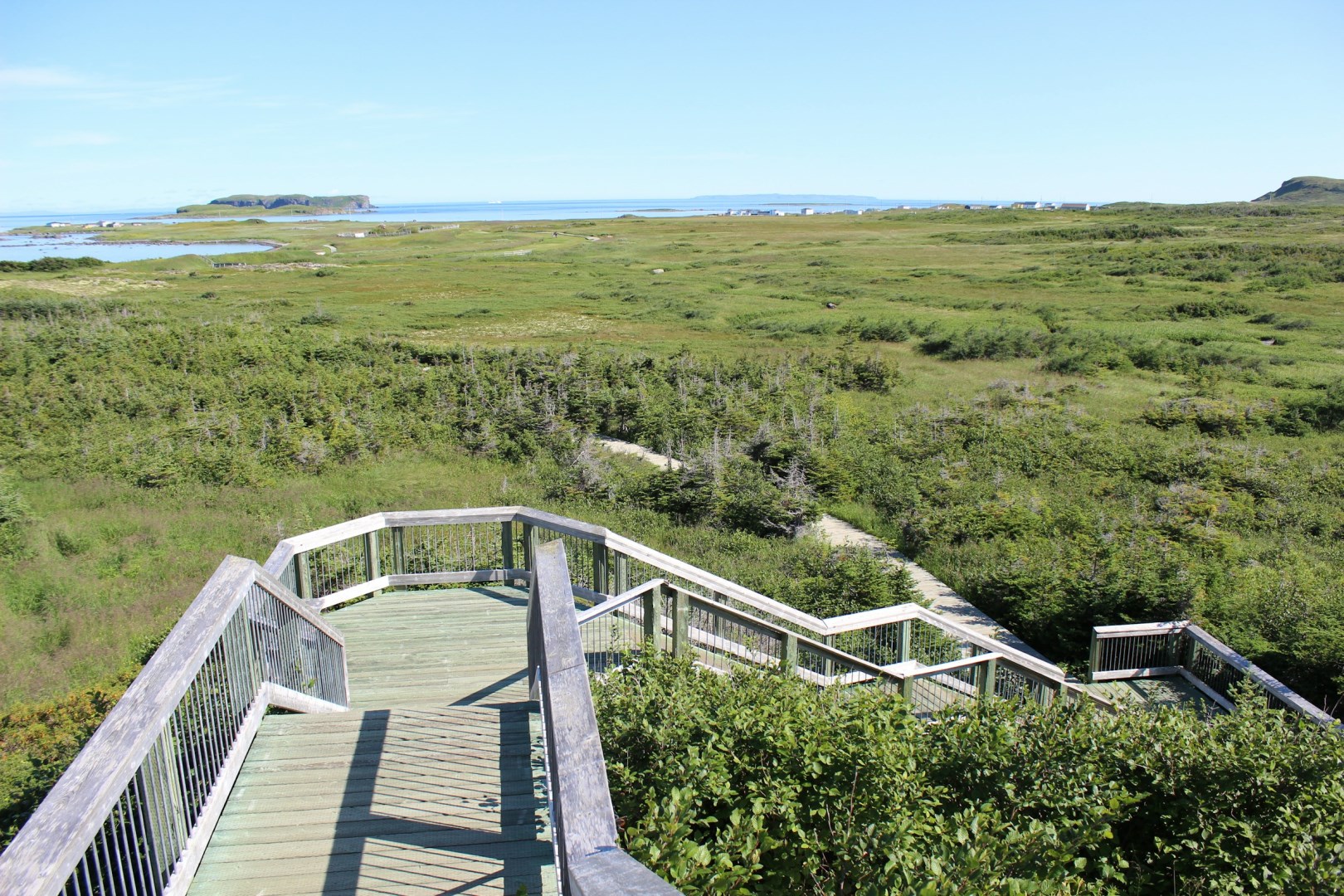
L'Anse aux Meadows is a coastal settlement and archaeological site at the northern tip of Newfoundland's Great Northern Peninsula. The surrounding landscape consists of low coastal terrain, peat bogs, rocky shorelines, and exposed areas overlooking the Strait of Belle Isle. The area is best known for its Norse archaeological remains, which provide the earliest confirmed evidence of European presence in North America.
Tainan
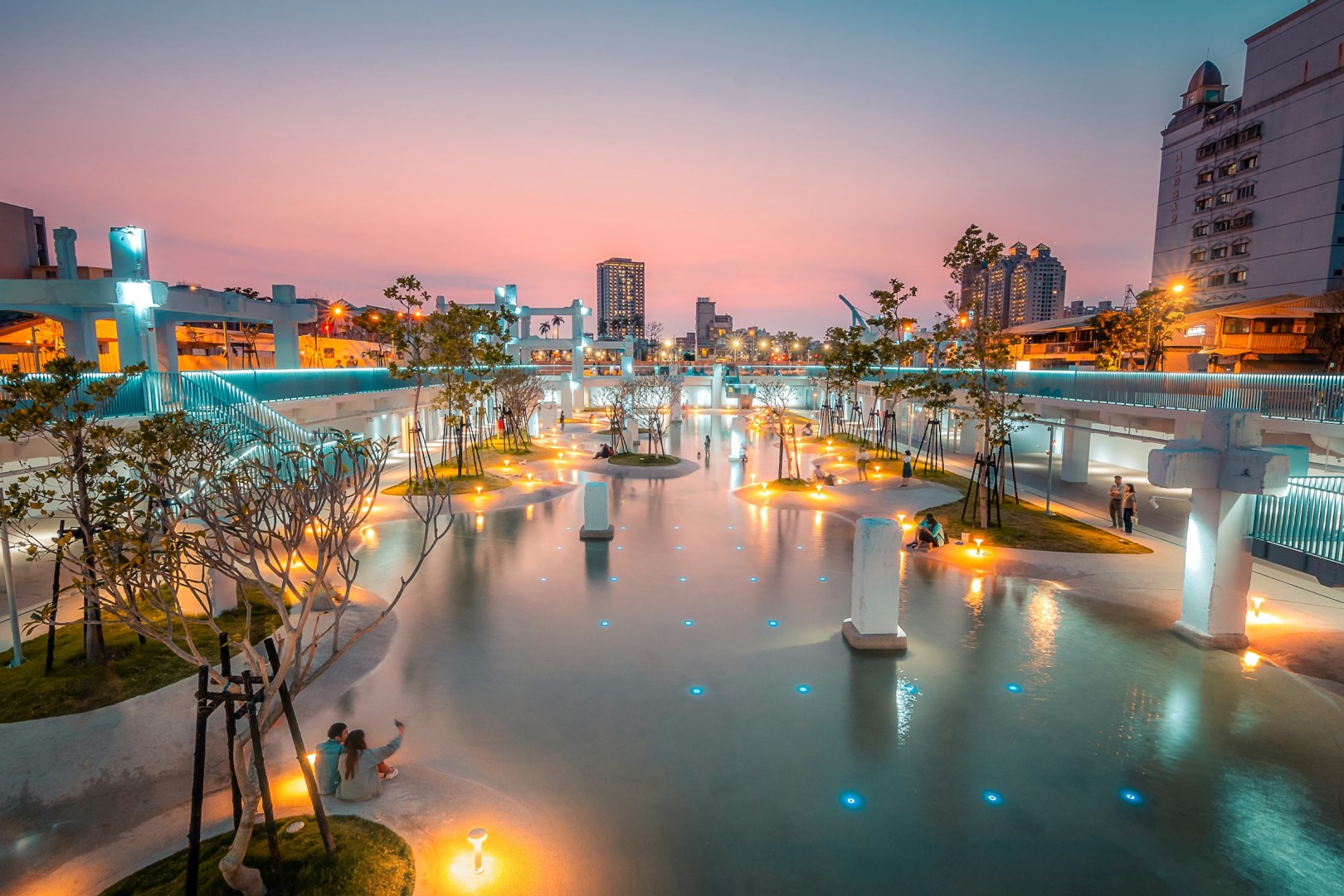
Tainan is a historic city in southwestern Taiwan known for its temples, traditional neighborhoods, food culture, and surviving architectural landmarks. As one of Taiwan's oldest urban centers, it contains a dense collection of religious buildings, historic residences, markets, and former administrative sites. The city is generally low-lying, with coastal plains extending westward toward the Taiwan Strait.

Lake Titicaca
Lake Titicaca, perched at over 3,800 meters above sea level, is the highest navigable lake in the world and a place where ancient stories still echo across the water. Shared by Bolivia and Peru, this lake has long been considered sacred by the Andean peoples. According to Inca legend, it was from Titicaca’s deep blue waters that the first humans were created. Today, the lake remains a center of cultural tradition, spiritual significance, and daily life for many who live along its shores.
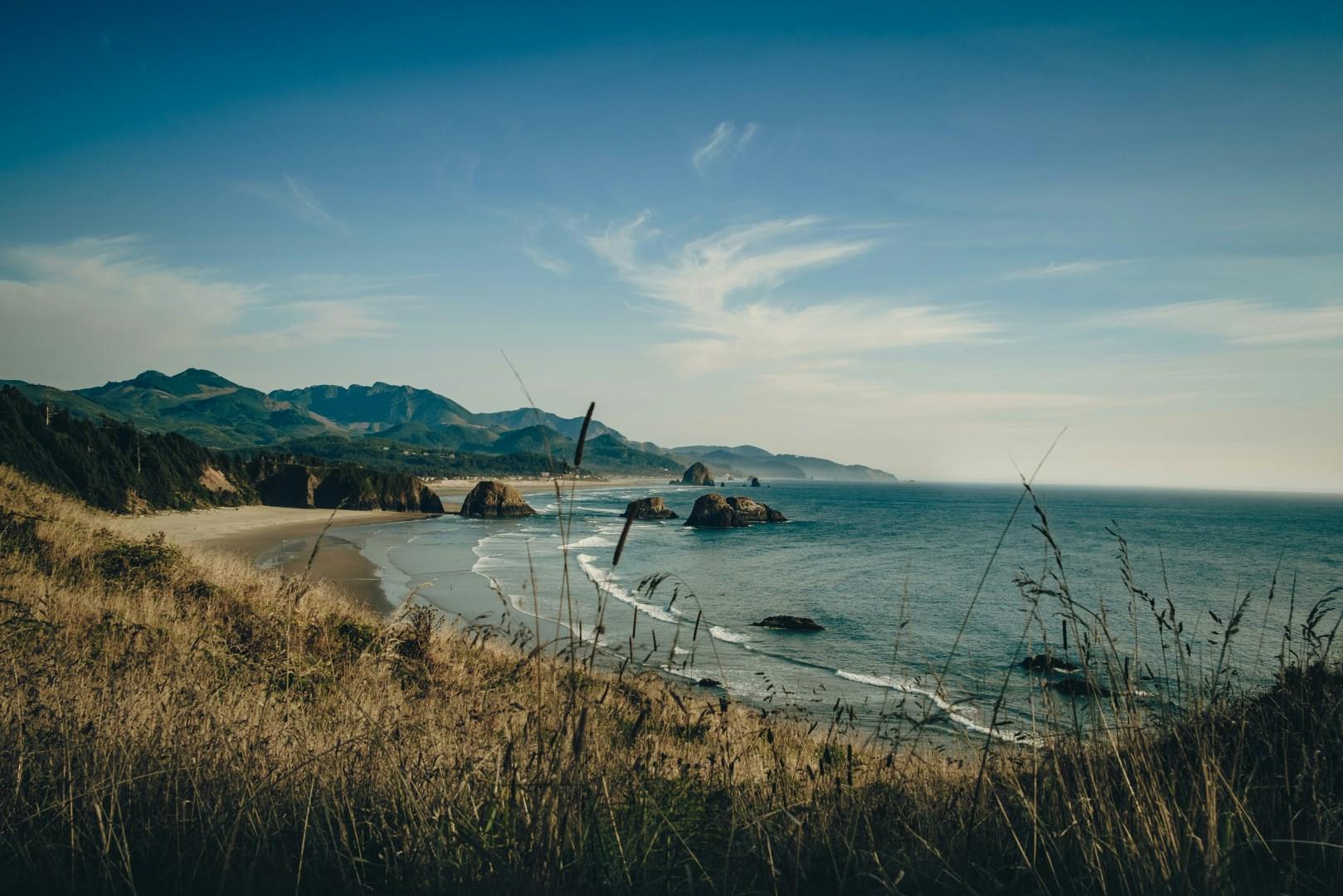
Cannon Beach
Cannon Beach, Oregon, offers an enchanting coastal escape along the Pacific Ocean. Known for its iconic Haystack Rock, a towering sea stack that rises 235 feet above the sand, this charming town is a visual feast for visitors. This natural landmark, surrounded by tide pools, is a prime spot for bird watching and marine life observation. The beach's scenic beauty, combined with its dramatic rock formations and golden sands, makes it a must-visit for nature enthusiasts and photographers alike.