Aït Ben Haddou
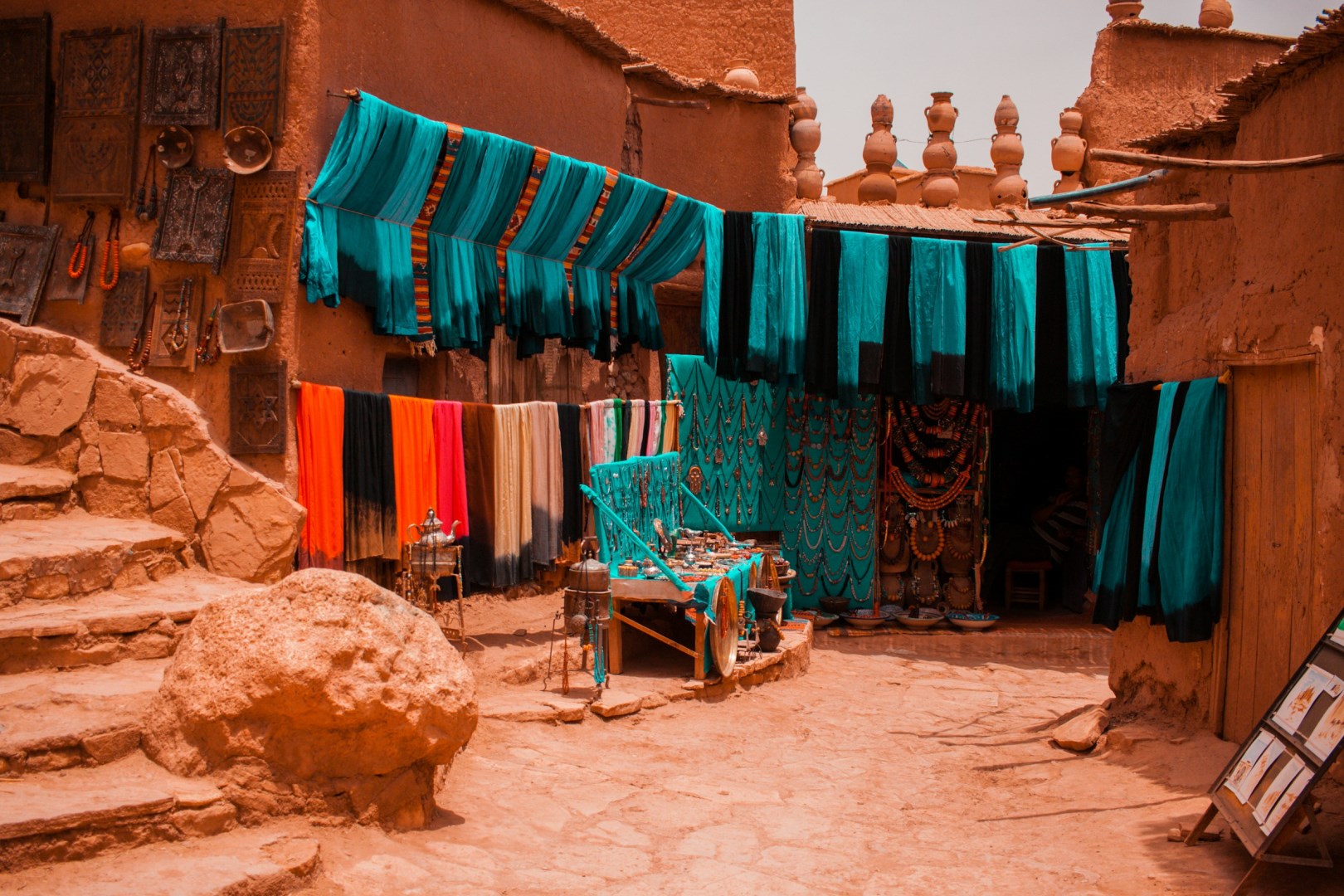
Aït Benhaddou, located in southern Morocco along the former caravan route between the Sahara and Marrakesh, is one of the country’s most iconic historic sites. This fortified village, or ksar, is recognized as a UNESCO World Heritage Site and is admired for its striking earthen clay architecture that rises dramatically from the desert landscape.

Vancouver Island
Vancouver Island, British Columbia, is a nature lover's paradise, offering a diverse landscape that ranges from rugged coastlines to lush rainforests. The island’s stunning natural beauty is best explored through its extensive network of parks and outdoor spaces, such as the iconic Pacific Rim National Park Reserve and Strathcona Provincial Park, British Columbia’s oldest provincial park.
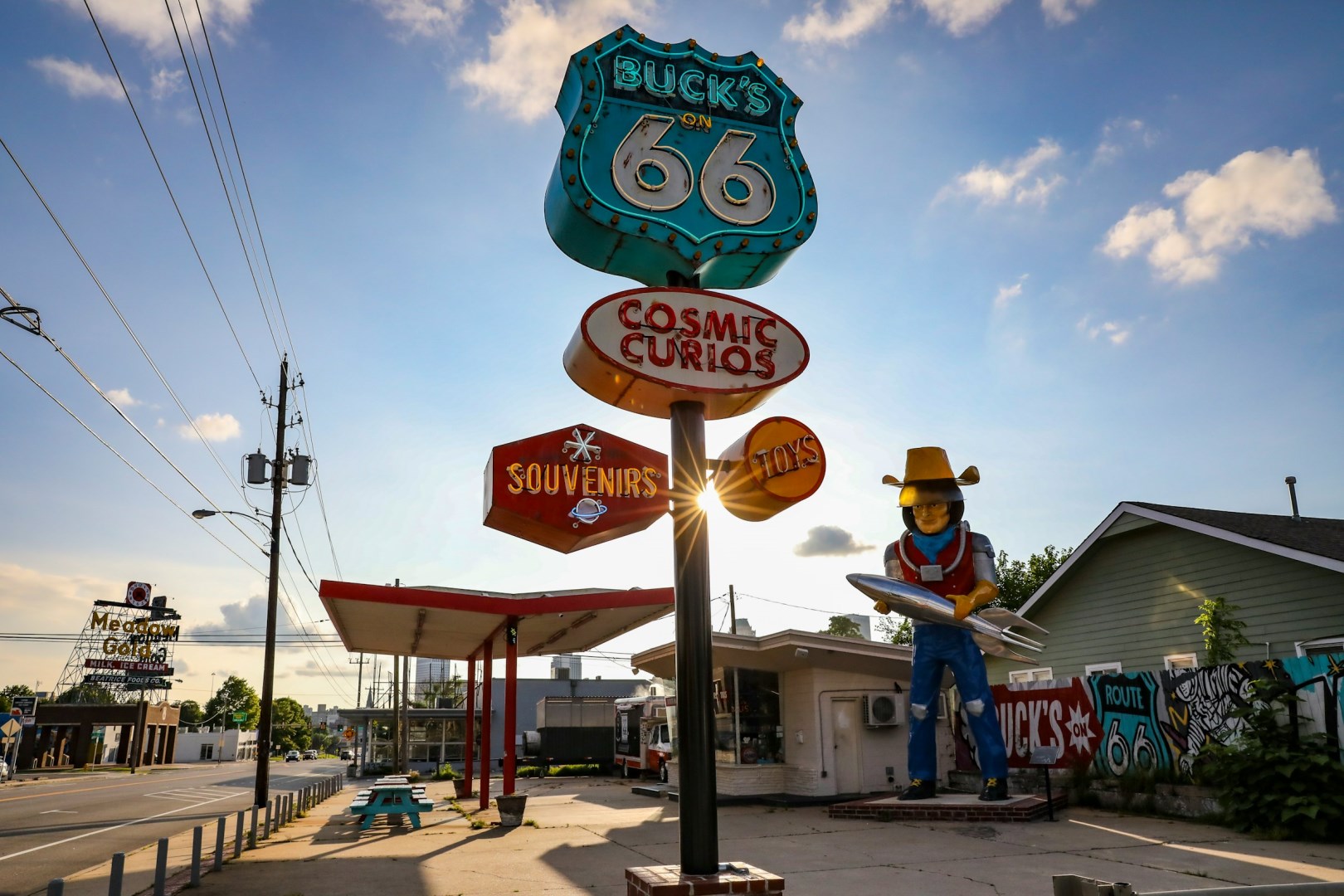
Tulsa
Located in the heart of Oklahoma, Tulsa offers much for the prospective traveler. Visit its many amusement parks, the zoo, and museums such as the Tulsa Air and Space Center, Mac's Antique Car Museum, Oklahoma Jazz Hall of Fame and the Harmon Science Center.
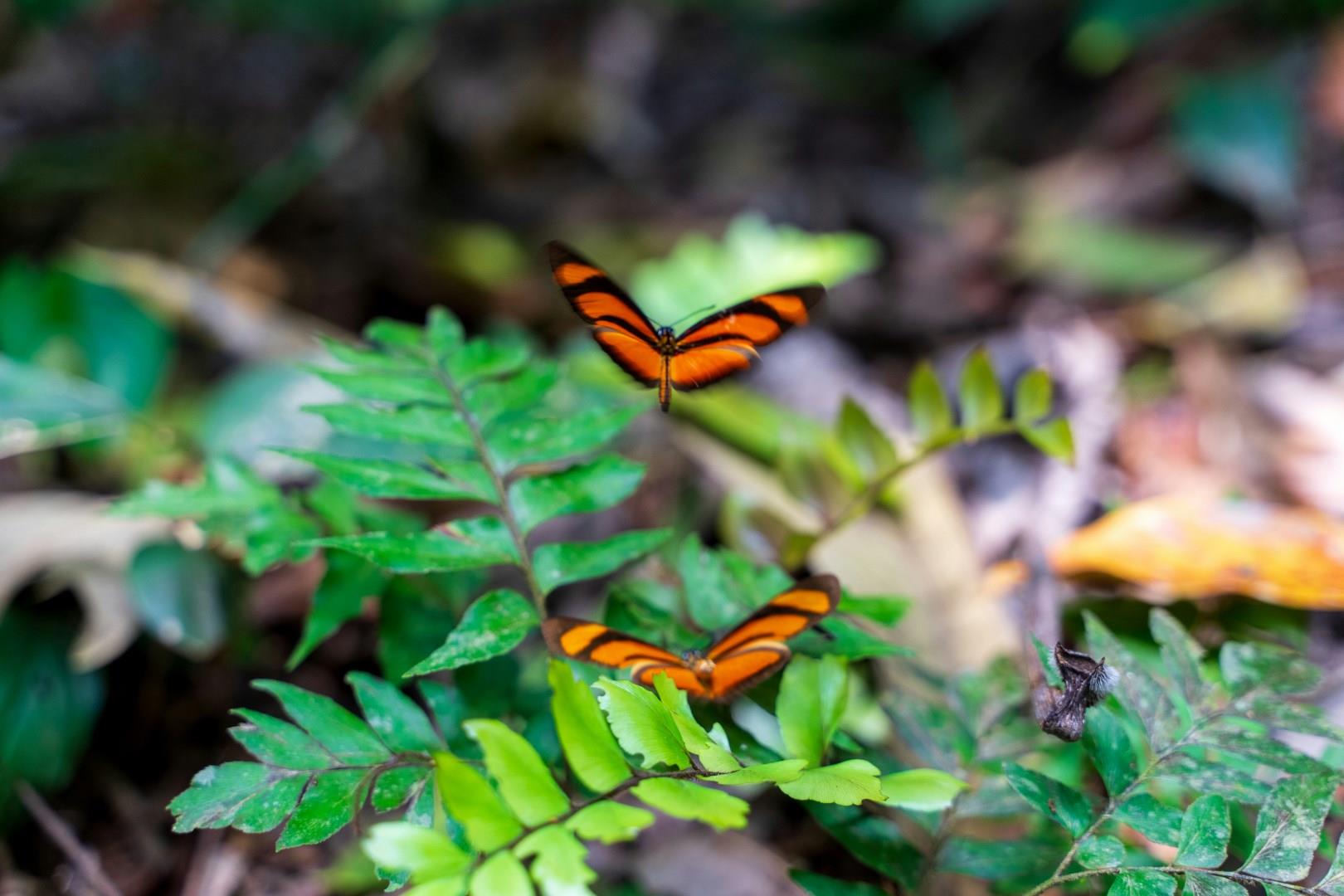
Tambopata
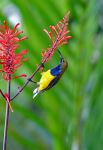
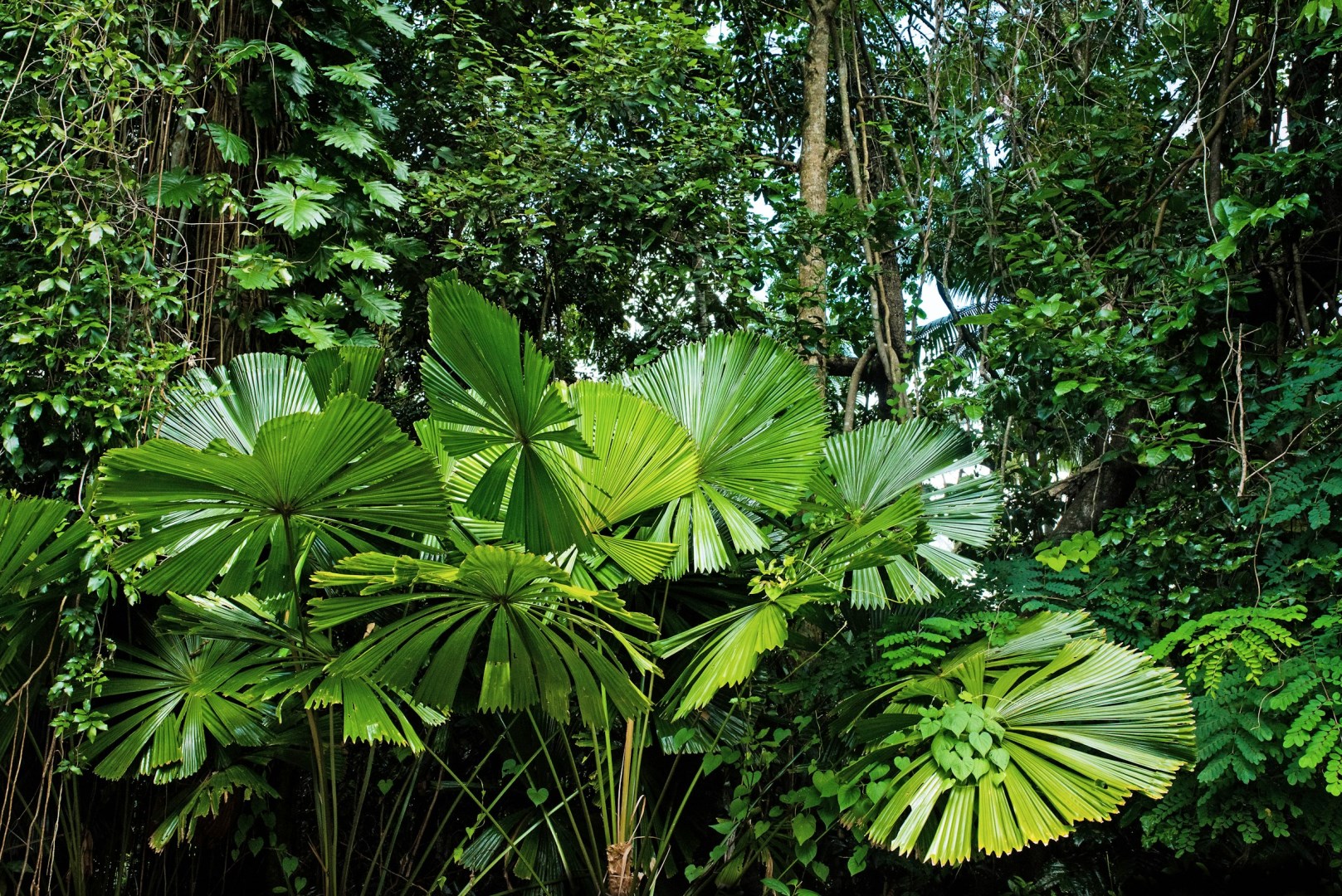
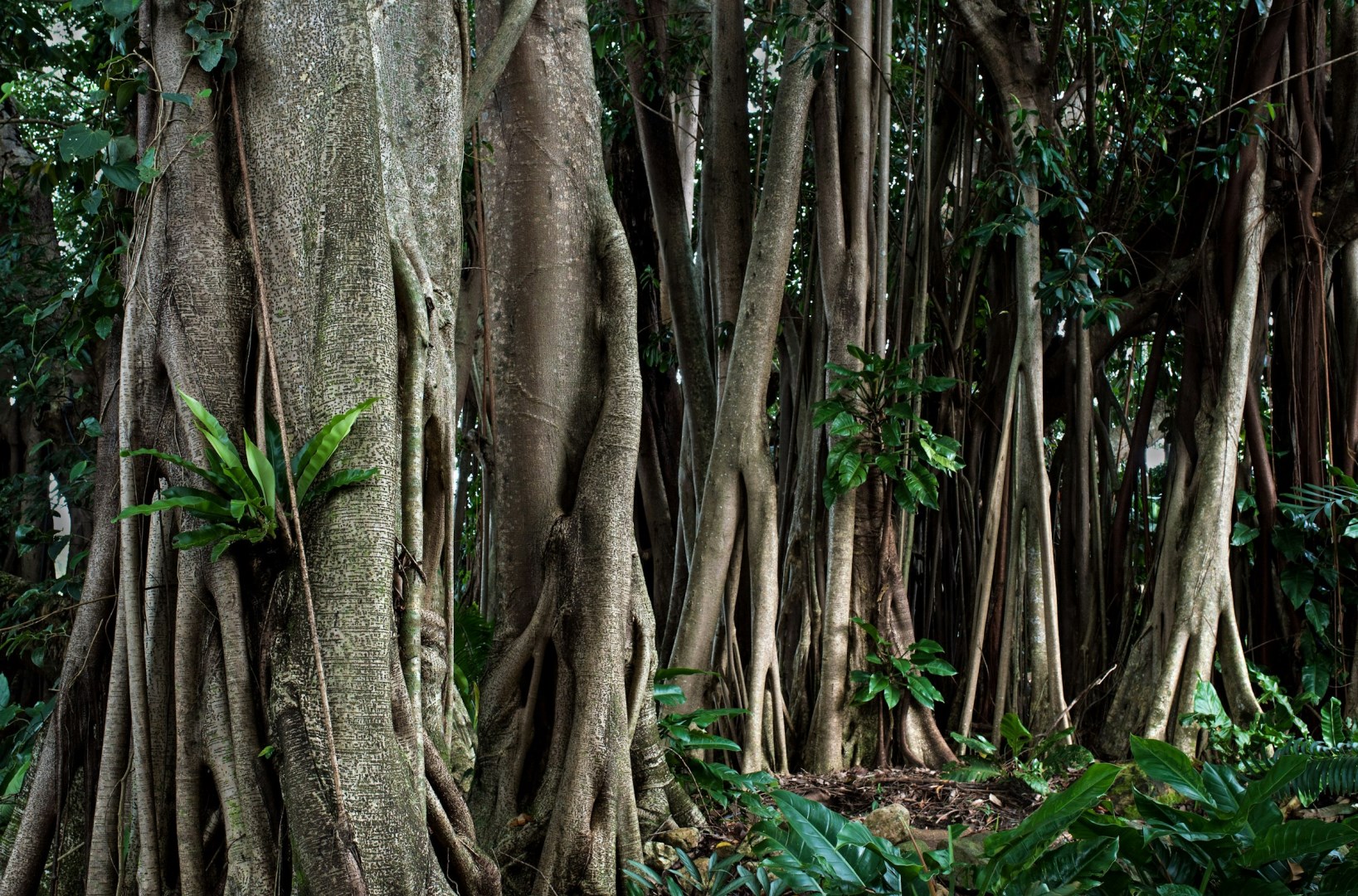
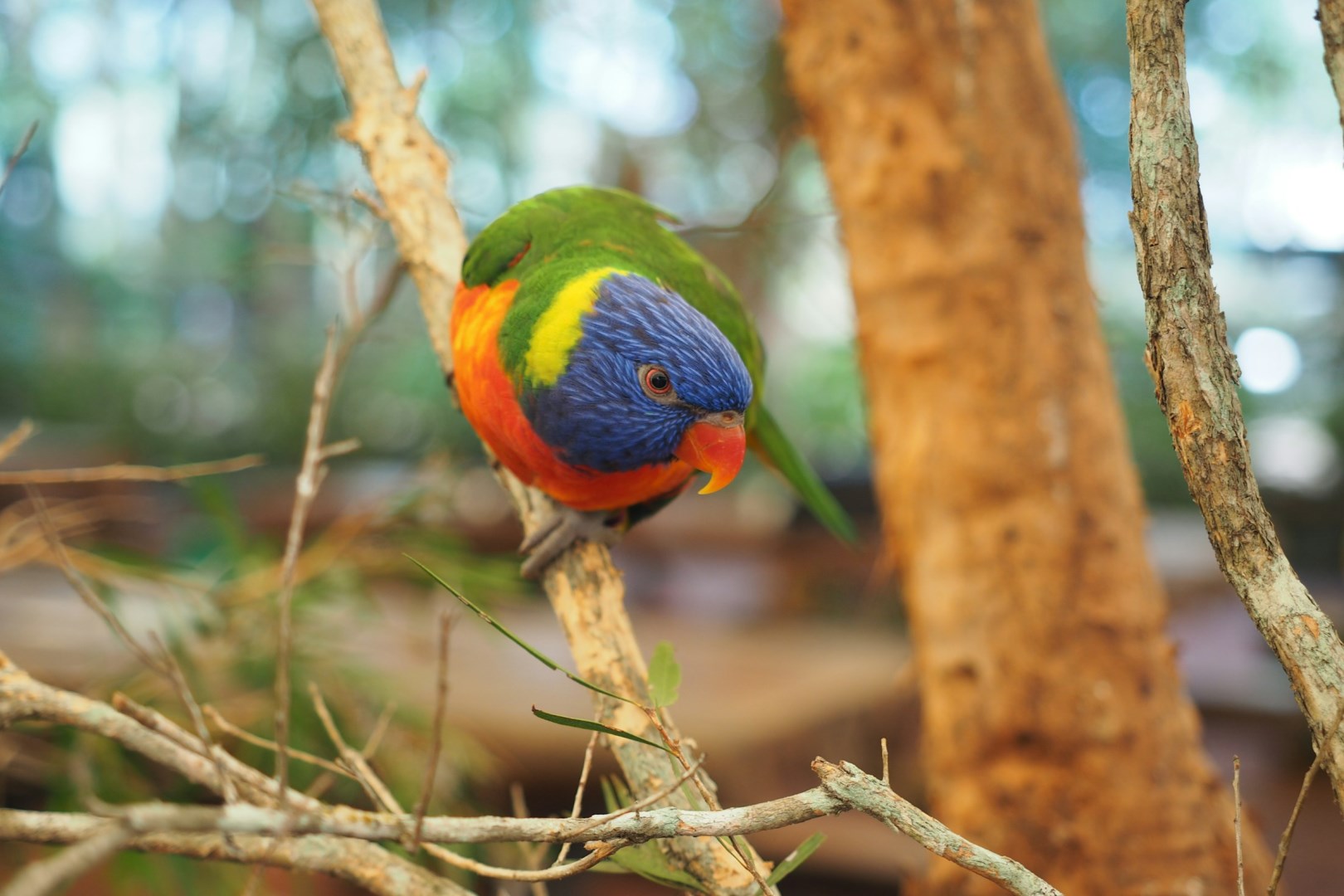
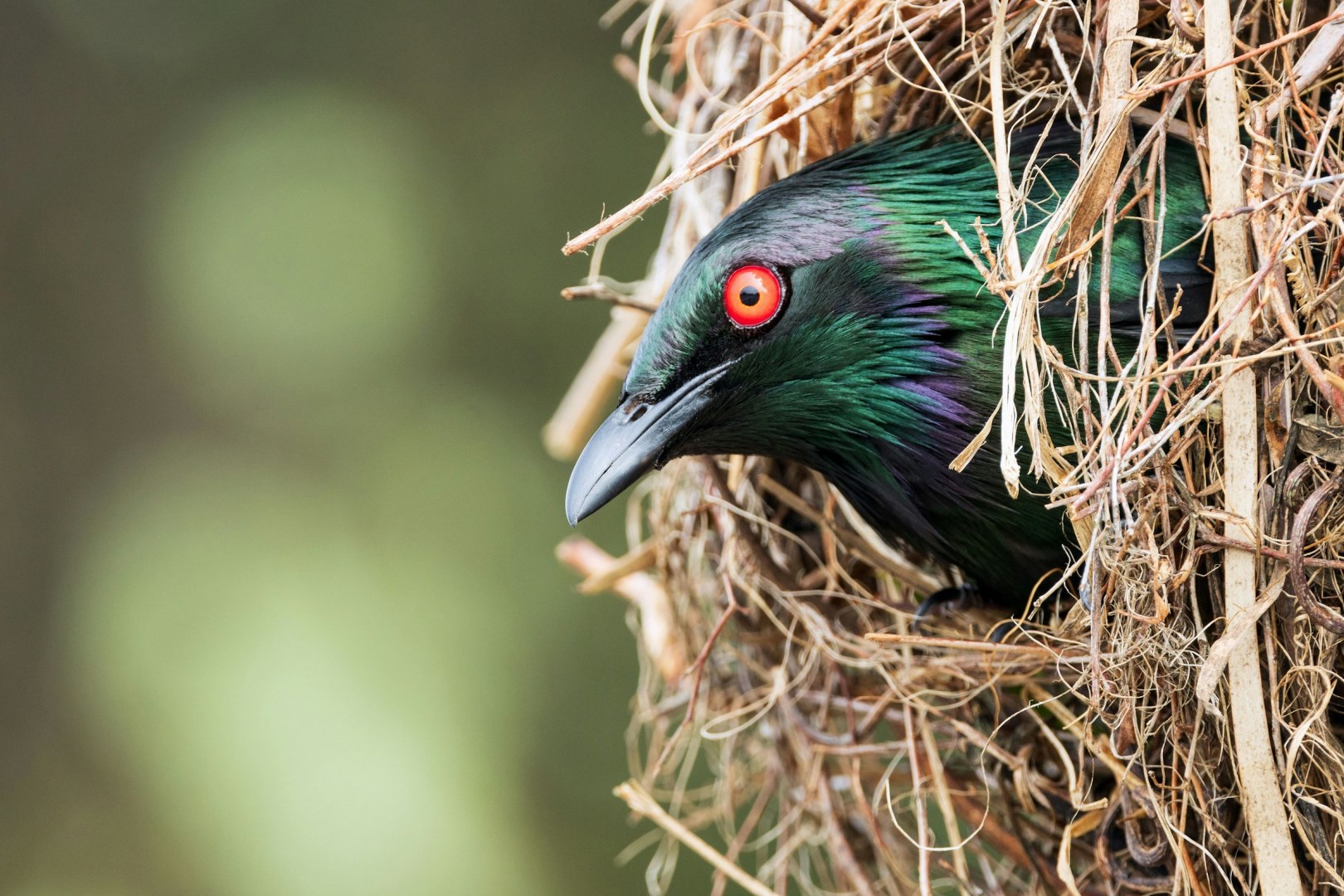
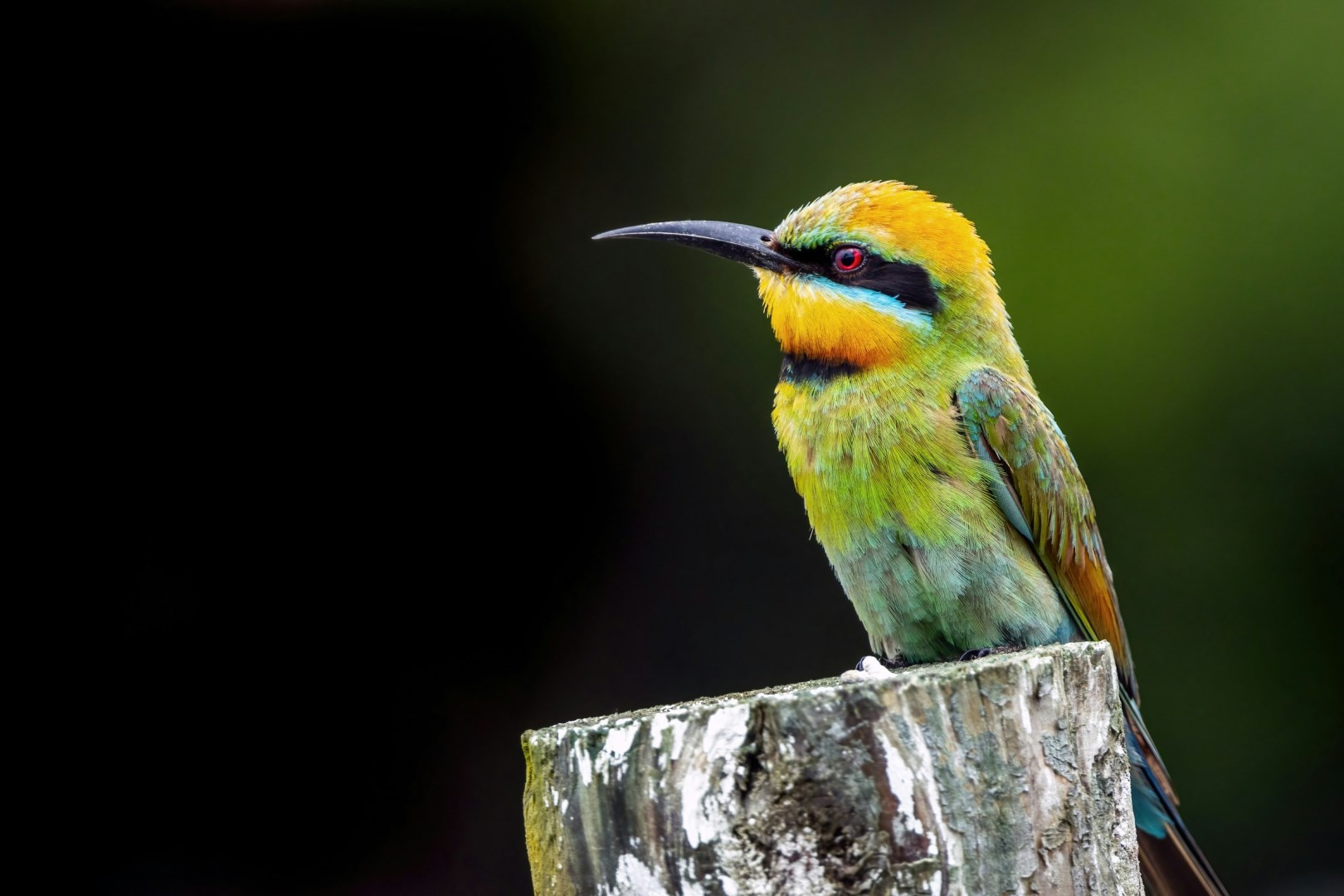
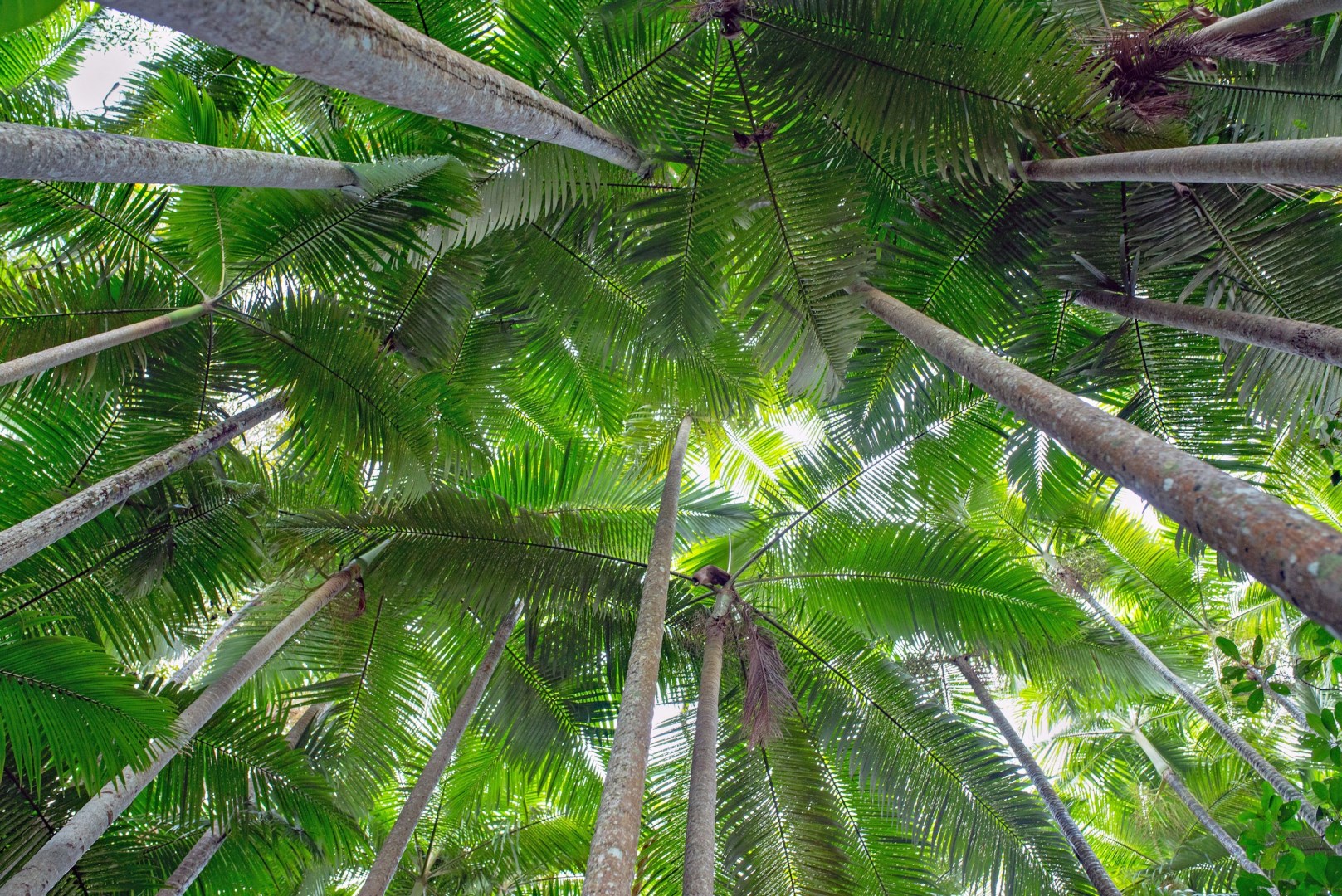
Located in the Madre de Dios region of southeastern Peru, Tambopata is a protected area where visitors can experience the Amazon rainforest in its rawest form. The Tambopata National Reserve spans over 270,000 hectares and is home to an estimated 1,200 butterfly species, 600 bird species, and hundreds of tree varieties. One of its most famous residents is the jaguar, though sightings are rare. More common encounters include red howler monkeys, capybaras, and giant river otters.

Kauai Island
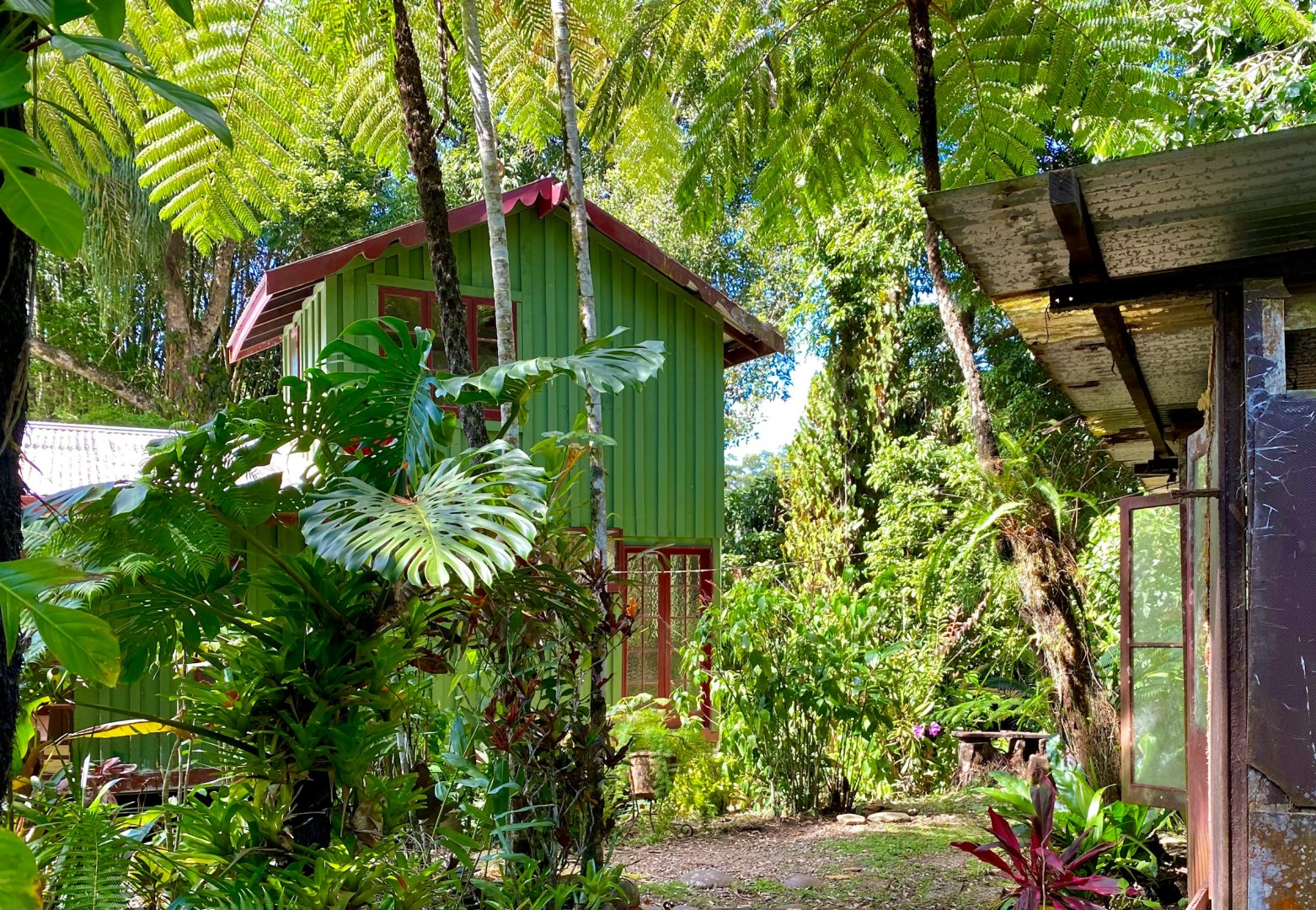
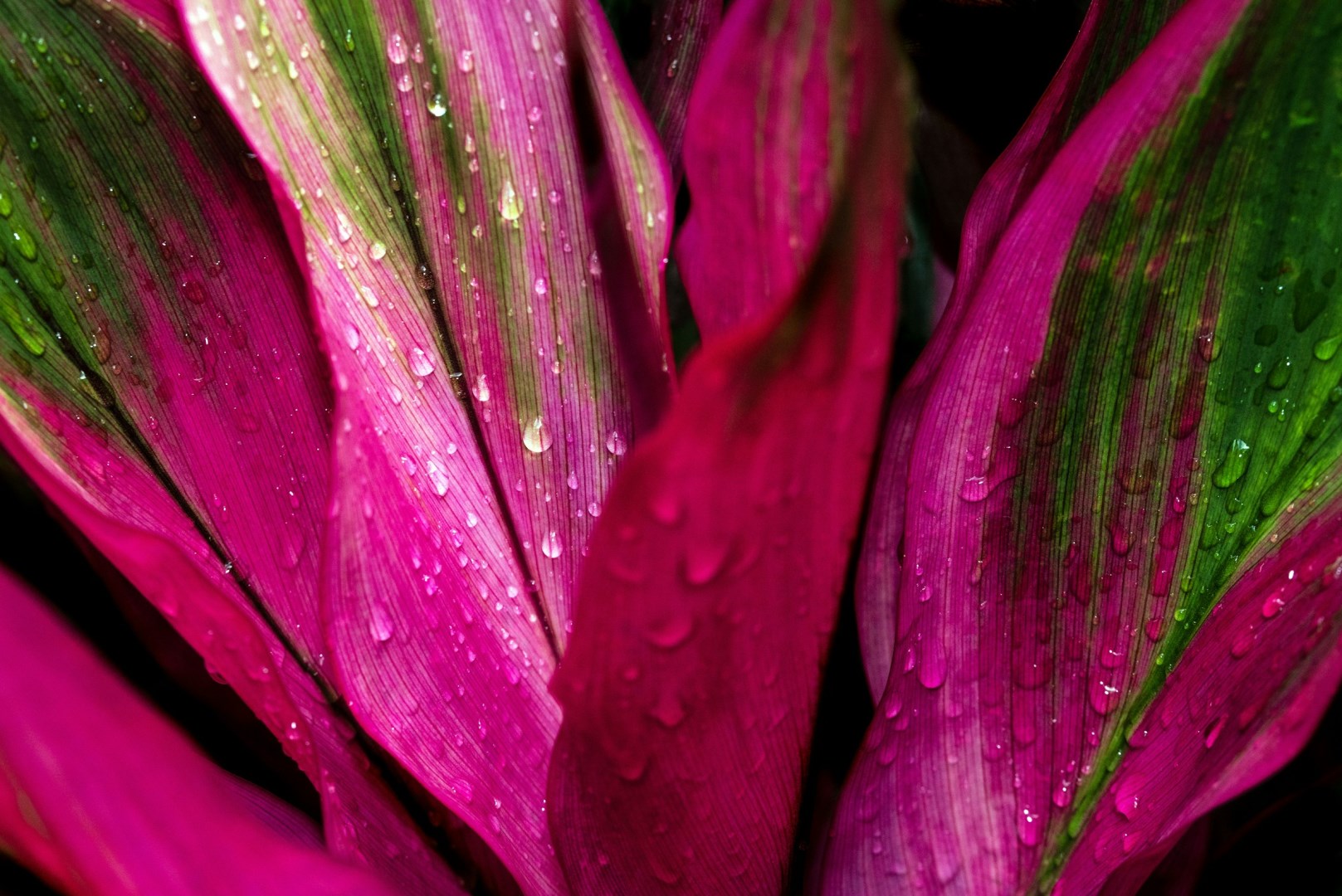
Known as the "Garden Island," Kauai is Hawaii's oldest island and a tropical paradise. Covered with verdant rainforests, glittering waterfalls, and immense cliffs, Kauai will astound you at every turn. This island is the perfect destination for outdoor adventures, with activities from kayaking, to ziplining, to snorkeling. Better yet, marvel at the island's natural beauty, from the scenic cliffsides of Nāpali Coast State Wilderness Park to the resort beaches of Poipu.