Mdina
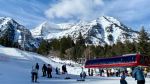
Mdina is a fortified hilltop city in central Malta, known as the Silent City for its quiet streets and enclosed historic character. The former capital occupies a limestone plateau above the surrounding countryside, with massive walls, narrow lanes, small squares, and honey-colored buildings creating a compact urban landscape. The main entrance leads toward Villegaignon Street and the center of the old city, where St Paul’s Cathedral dominates Cathedral Square.
Sierra Leone
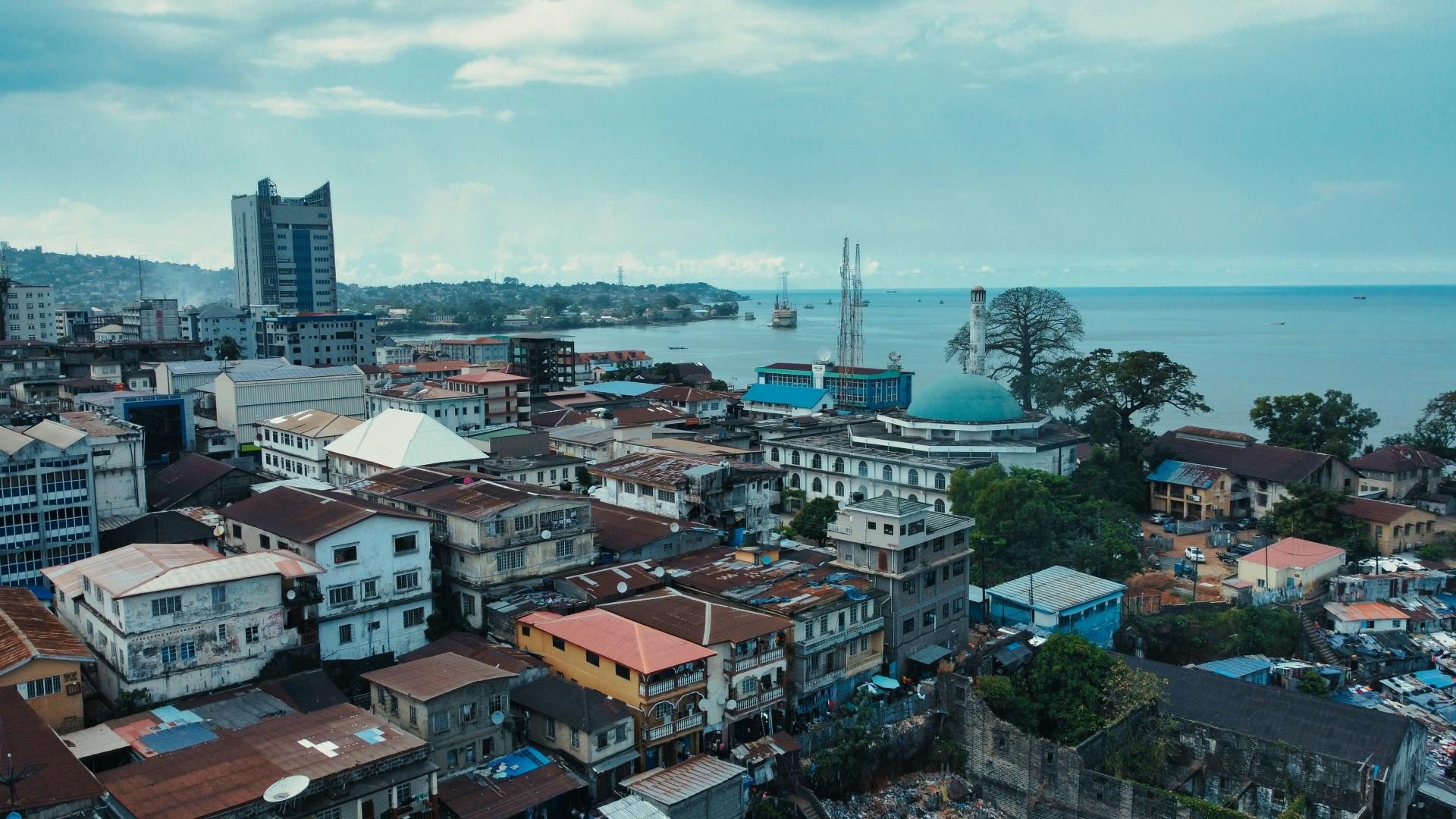
Sierra Leone, on the coast of West Africa, is a country of striking contrasts, where white-sand beaches meet green mountains and vibrant cities. Its Atlantic shoreline stretches for miles, offering quiet escapes as well as lively coastal communities.
Himalayas
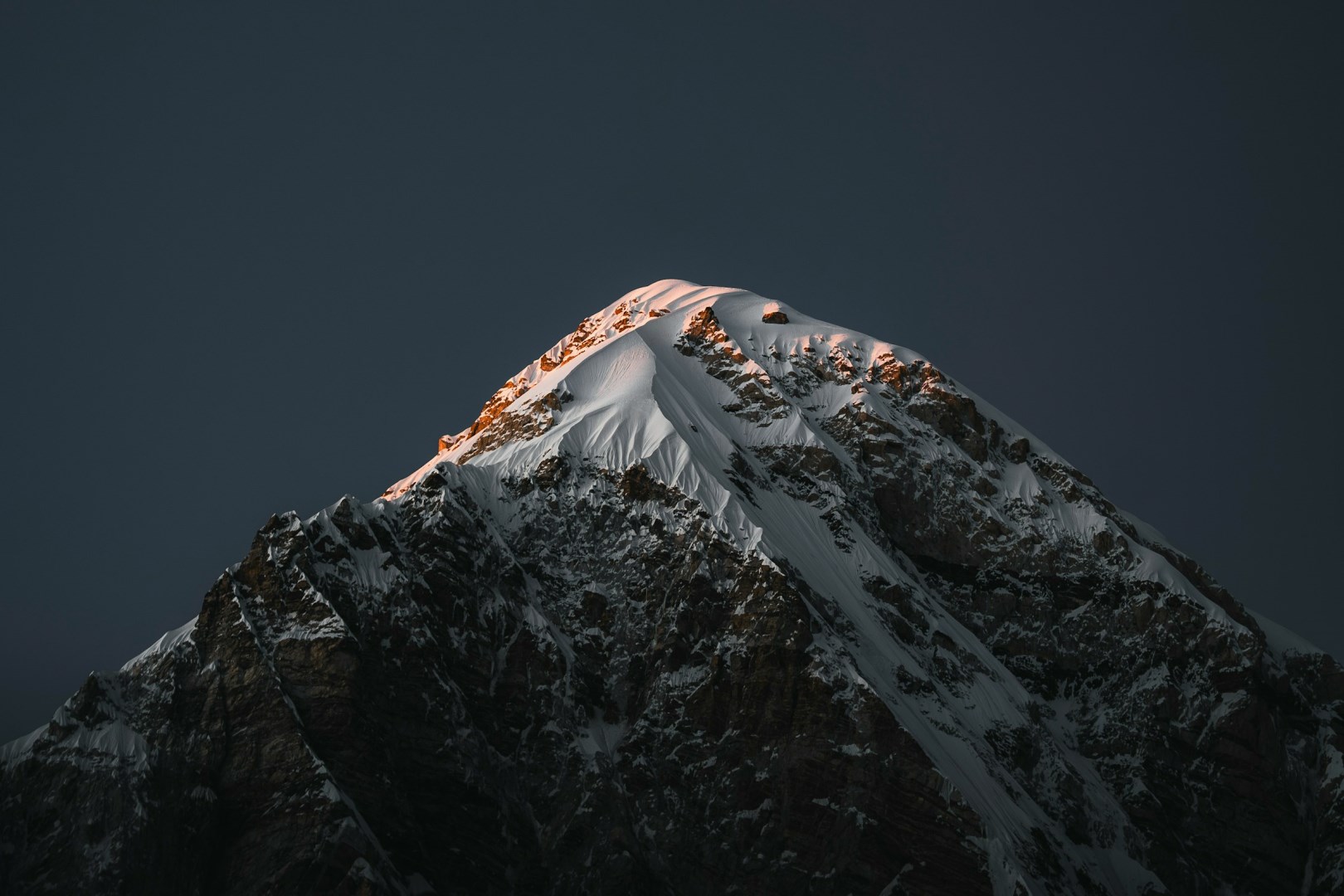
The Himalayas are a vast mountain system stretching across several countries in South Asia, forming a high natural barrier between the Indian subcontinent and the Tibetan Plateau. The range contains many of the world's highest peaks, including Mount Everest, and encompasses glaciers, deep valleys, high plateaus, forests, and alpine meadows.
Exeter
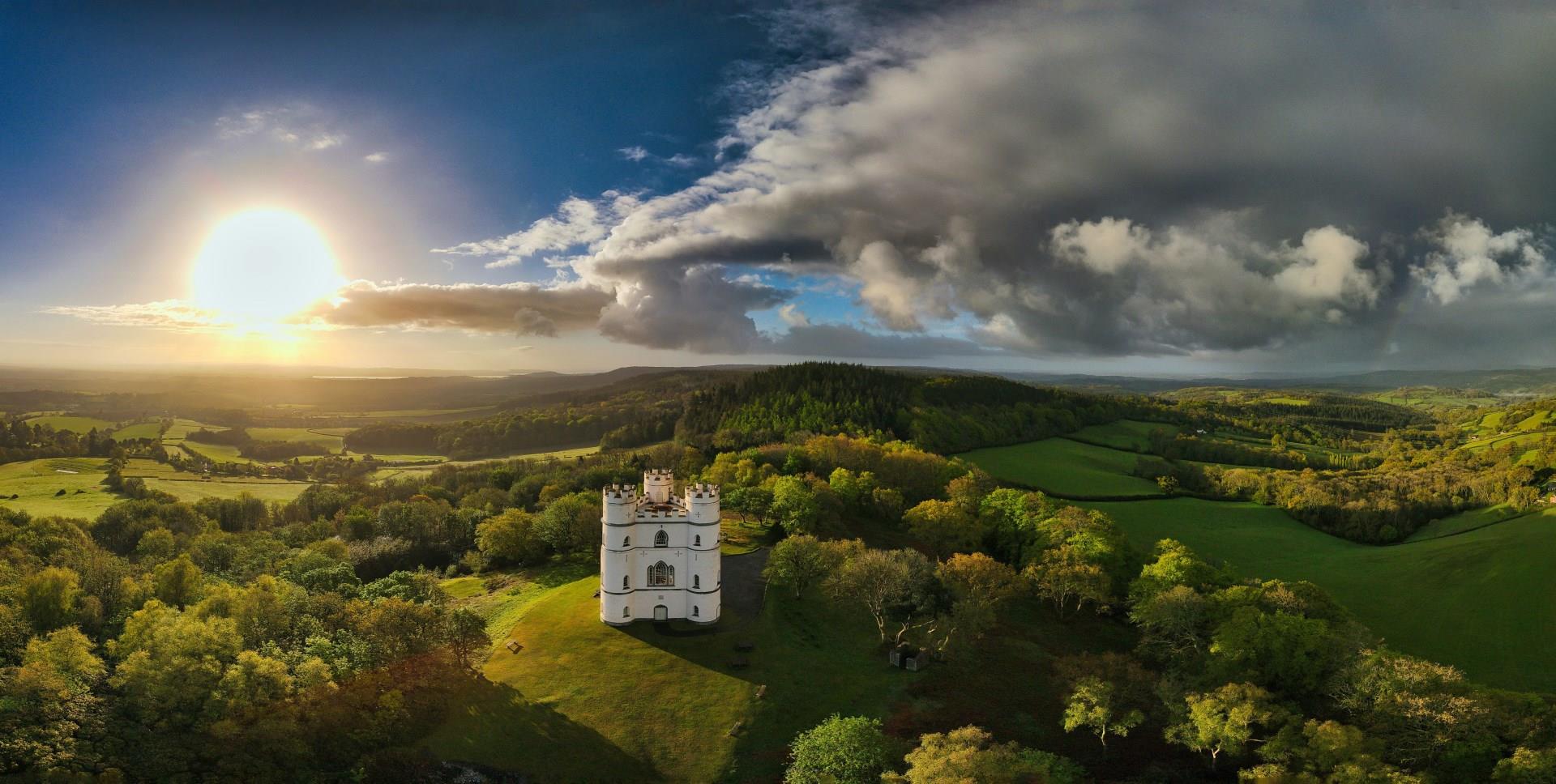
Exeter sits in southwest England at a natural crossing of the River Exe, a position that has shaped its role since Roman times.
Abilene
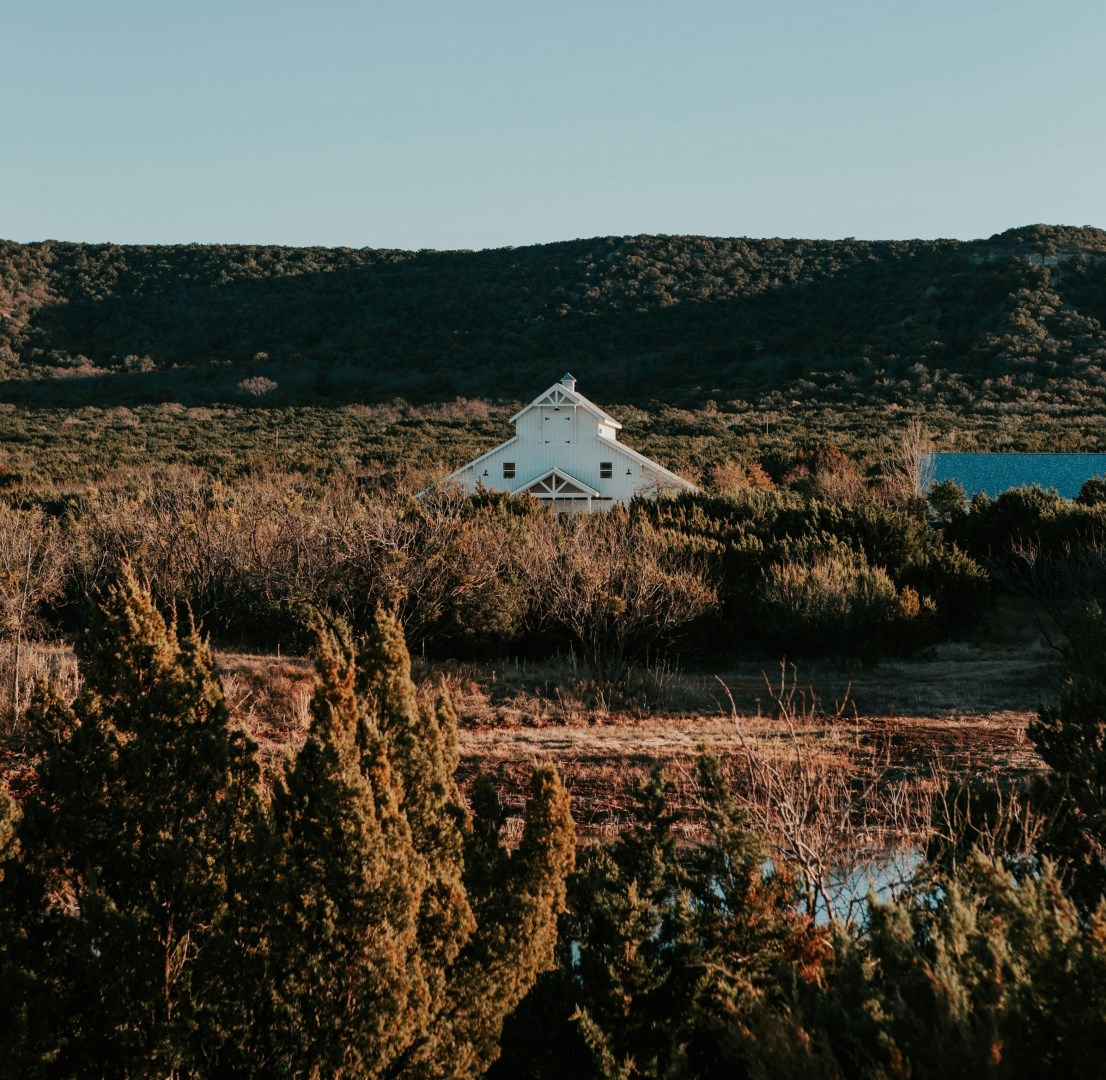
Abilene is no-nonsense and traditional, but it's just as capable of having a good time as any rip-roaring cowpoke. When you're in Abilene, take time to see the Abilene Zoo, particularly the Texas Plains exhibit, a unique collection of species native to that part of the country (if you've never seen a javelina, here's your chance).