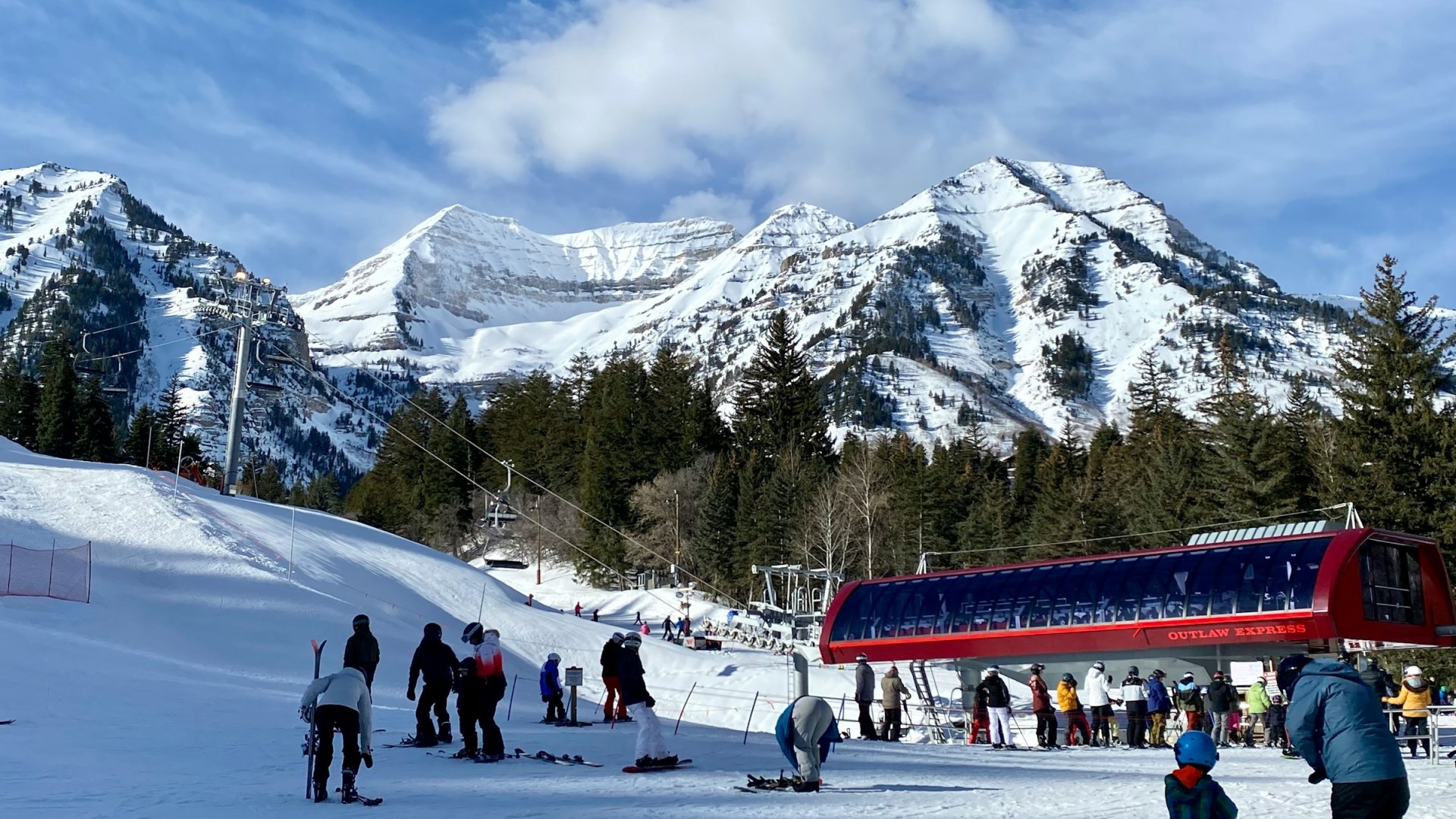
Castelmezzano
Nestled in the dramatic landscape of the Basilicata region in southern Italy, Castelmezzano is a hidden gem that captivates visitors with its stunning natural beauty and medieval charm. The town, perched on the edge of the Lucanian Dolomites, is renowned for its unique architecture, with houses clinging to the steep rock faces, creating a picturesque and almost otherworldly scene. The dramatic peaks surrounding the town offer breathtaking views and a range of outdoor activities.

Saint John
Saint John is a historic port city on the Bay of Fundy in southern New Brunswick, built around a rugged harbour where the Saint John River meets the sea. Its waterfront, steep streets, and compact historic districts reflect a long connection with shipping, shipbuilding, fishing, and trade.
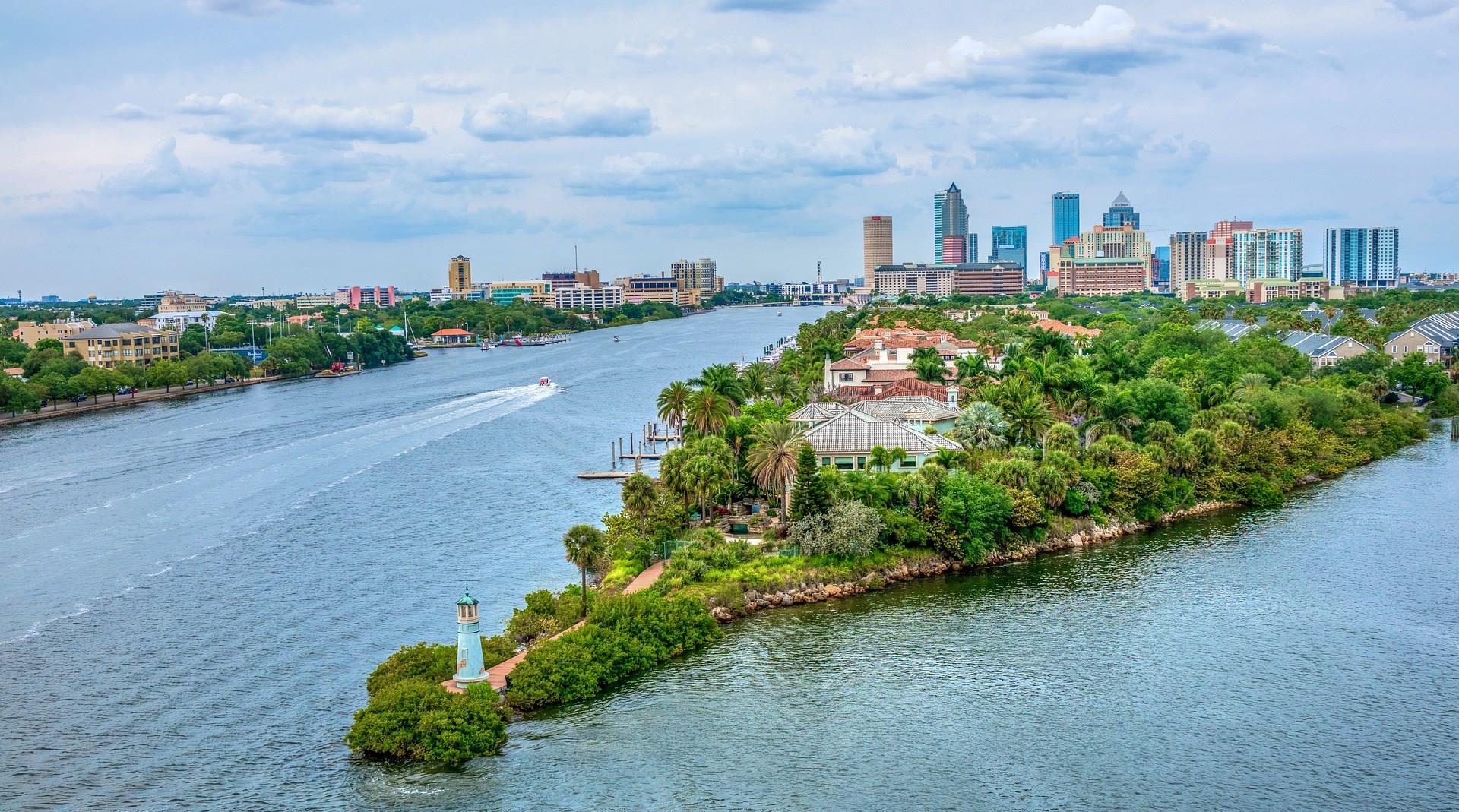
Tampa
Tampa, Florida, offers more than just sunshine and palm trees, it’s a city with character, history, and plenty of unexpected experiences. Founded as a military outpost in the 19th century, Tampa has grown into a vibrant waterfront city with strong Cuban, Spanish, and Italian influences. This cultural blend is especially noticeable in Ybor City, a historic district known for its red-brick buildings and deep cigar-making roots.
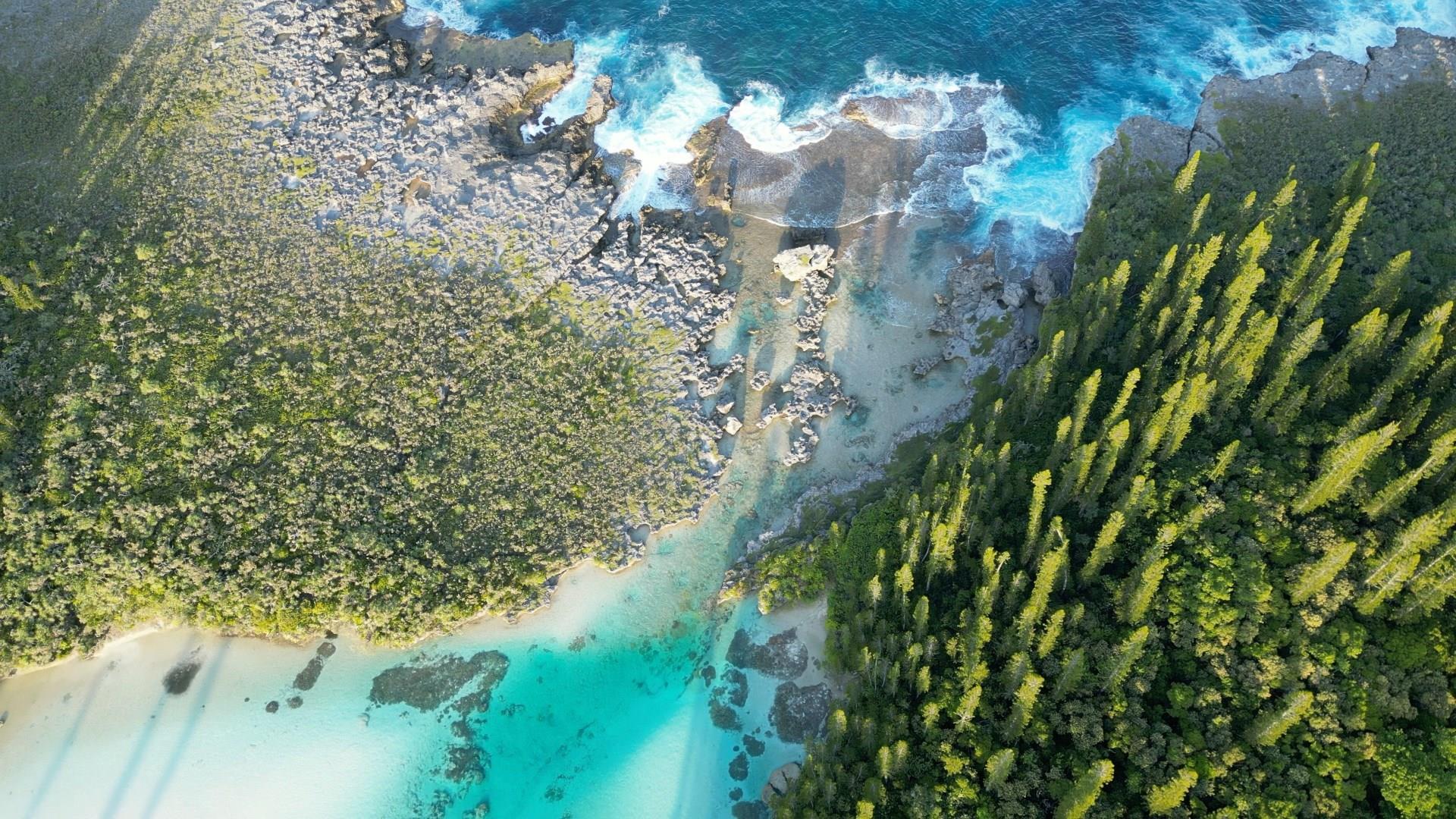
Ile Des Pins
Île des Pins, often referred to as the "Island of Pines," is a serene paradise located in New Caledonia. This tropical haven is renowned for its pristine beaches, turquoise lagoons, and lush pine forests, offering visitors an idyllic escape from the everyday. The island's charm extends beyond its beaches. The Pic N'Ga peak offers panoramic views of the island's lush landscape, accessible via a scenic hike through dense forest.

El Tunco
El Tunco is a small coastal village in the department of La Libertad, on El Salvador's central Pacific coast. It is named for the distinctive rock formation that sits offshore and is often described as resembling a pig, giving the beach its local name. The shoreline consists of dark volcanic sand, rocky outcrops, and strong Pacific surf, while low hills and tropical vegetation surround the village.