Mapungubwe National Park
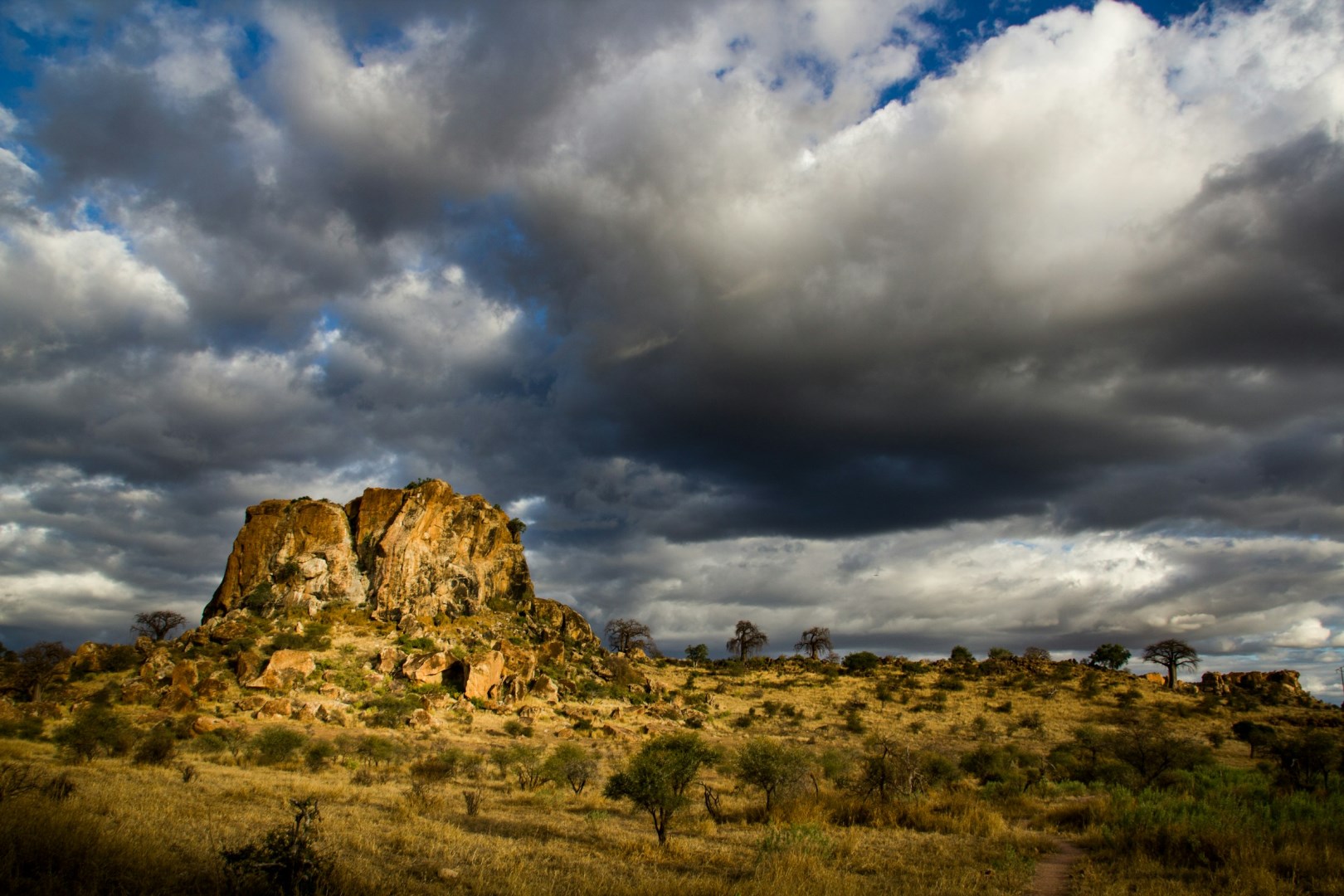
Mapungubwe National Park lies in Limpopo province at the meeting point of the Limpopo and Shashe rivers, where South Africa borders Botswana and Zimbabwe. Its landscape combines open savanna, sandstone cliffs, baobab trees, riverine woodland, and rocky hills. The park forms part of the Mapungubwe Cultural Landscape, a UNESCO World Heritage Site recognized for its archaeological and cultural importance.

Zimbabwe
Zimbabwe, located in the heart of Southern Africa, is a country defined by dramatic landscapes and a rich cultural heritage. The country’s diverse geography includes sweeping savannas, lush national parks, and striking mountain ranges.
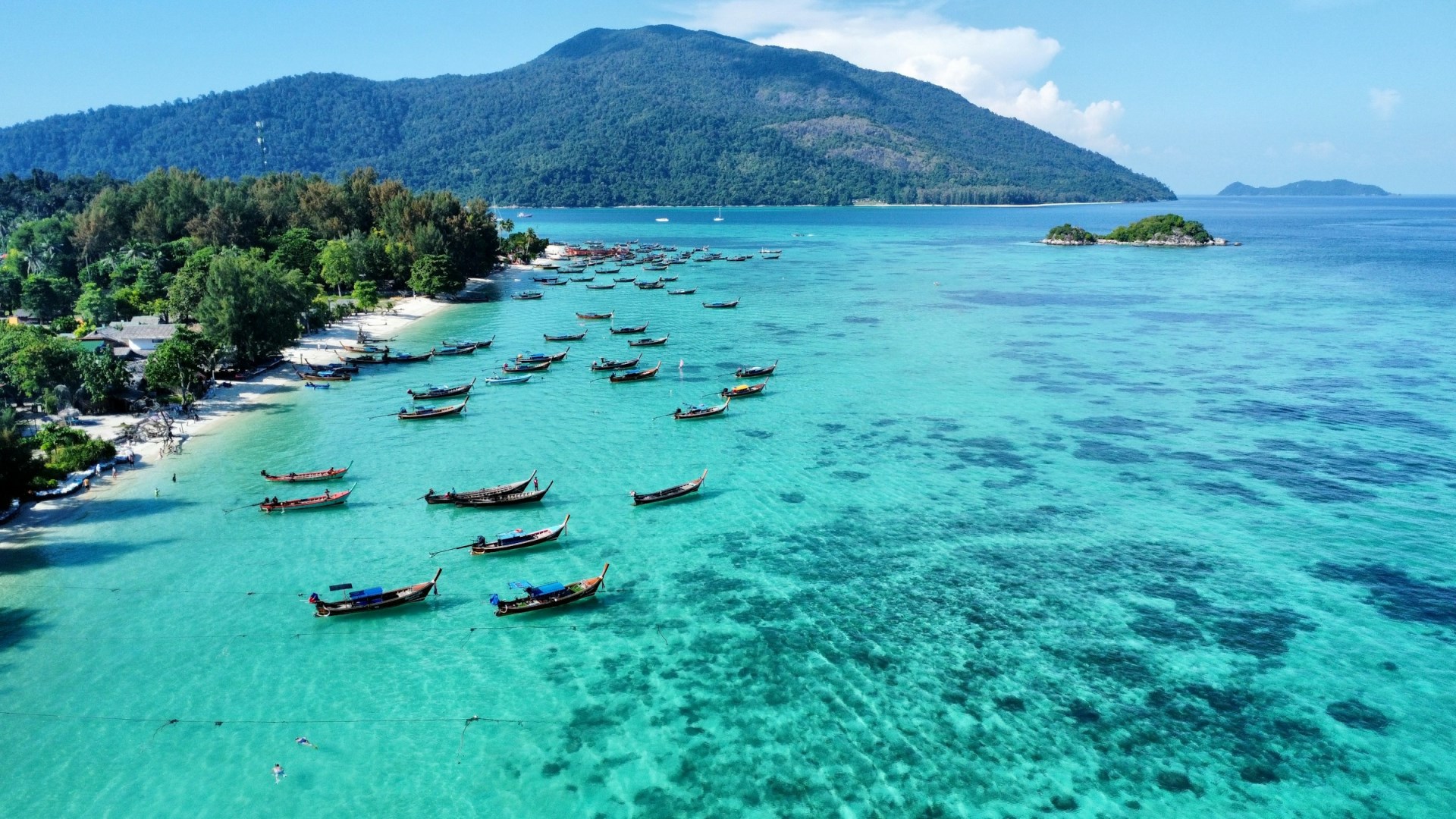
Ko Lipe
Koh Lipe is a small island in Satun Province in southern Thailand, located in the Andaman Sea near the Malaysian border. It forms part of the Tarutao National Marine Park and is surrounded by clear coastal waters, coral reefs, and smaller islands. The island is known for its sandy beaches, shallow bays, and compact village area, where most places can be reached on foot.
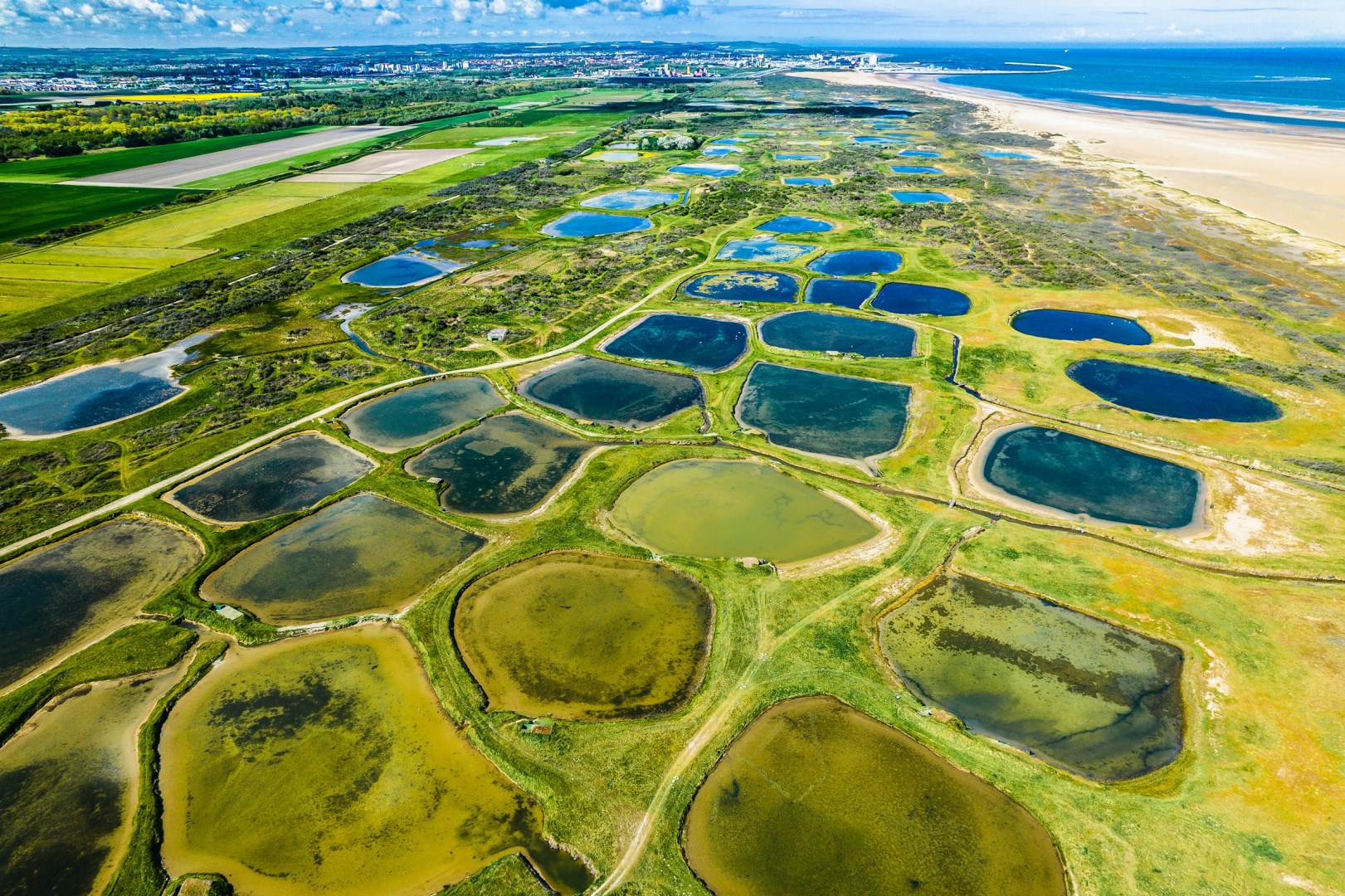
Calais
Calais is a port city on France's northern coast, facing the Strait of Dover at the narrowest point of the English Channel. Its location has made it an important link between France and Britain, with ferries and the Channel Tunnel connecting the region to England. The city centre includes broad boulevards, public squares, and historic buildings, while the waterfront extends toward sandy beaches and dunes.
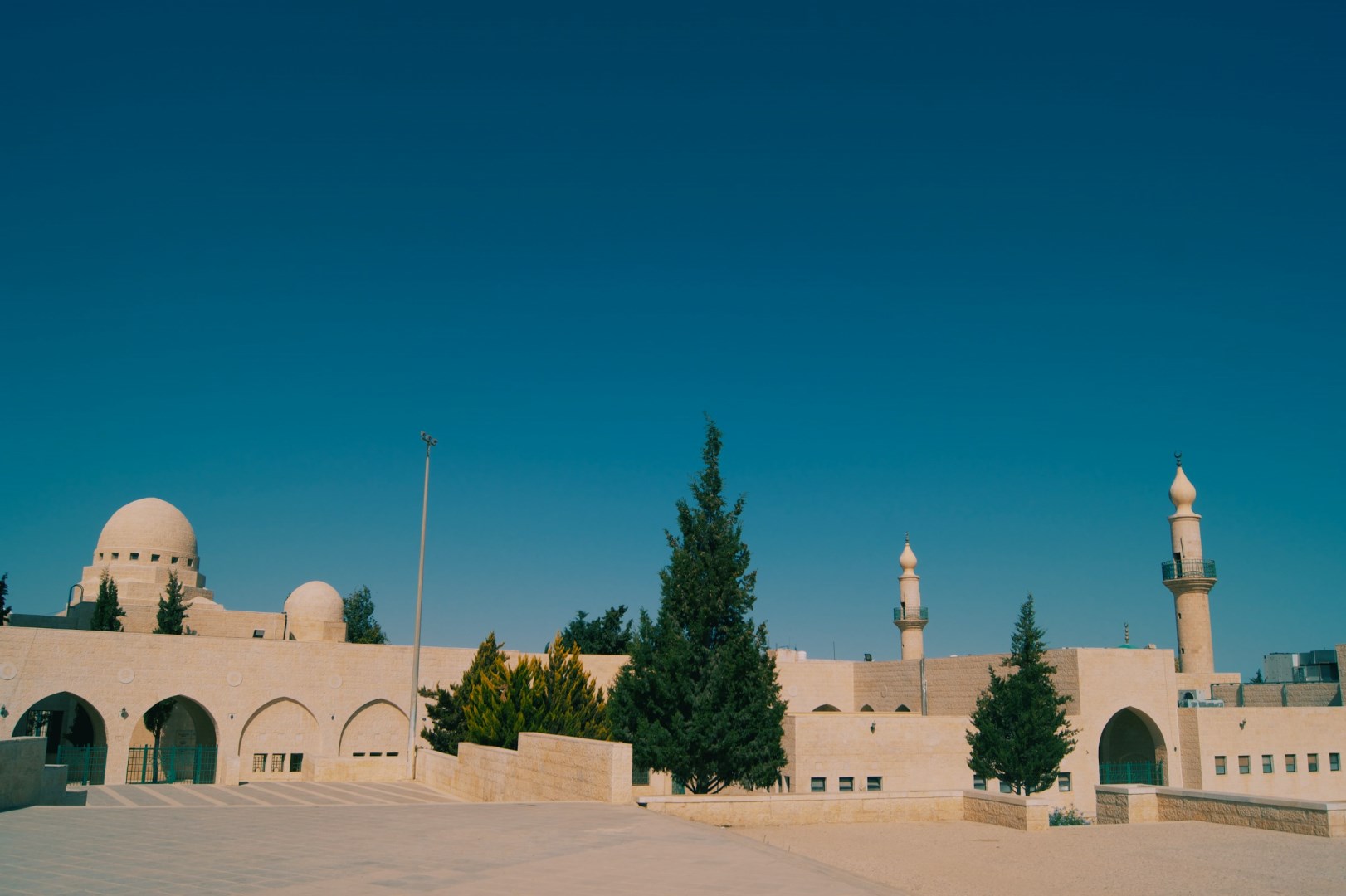
Kerak
Kerak is a fortress town 75 miles (120km) from Amman, and contains one of the two major Crusader castles in the Kingdom. The castle, built to protect the approach to Jerusalem, stands on a craggy plateau 4,300ft above sea level. It was built in the early part of the 12th century and held for 50 years by the Crusaders until they were defeated by Salah al Din (Saladin) in 1189.