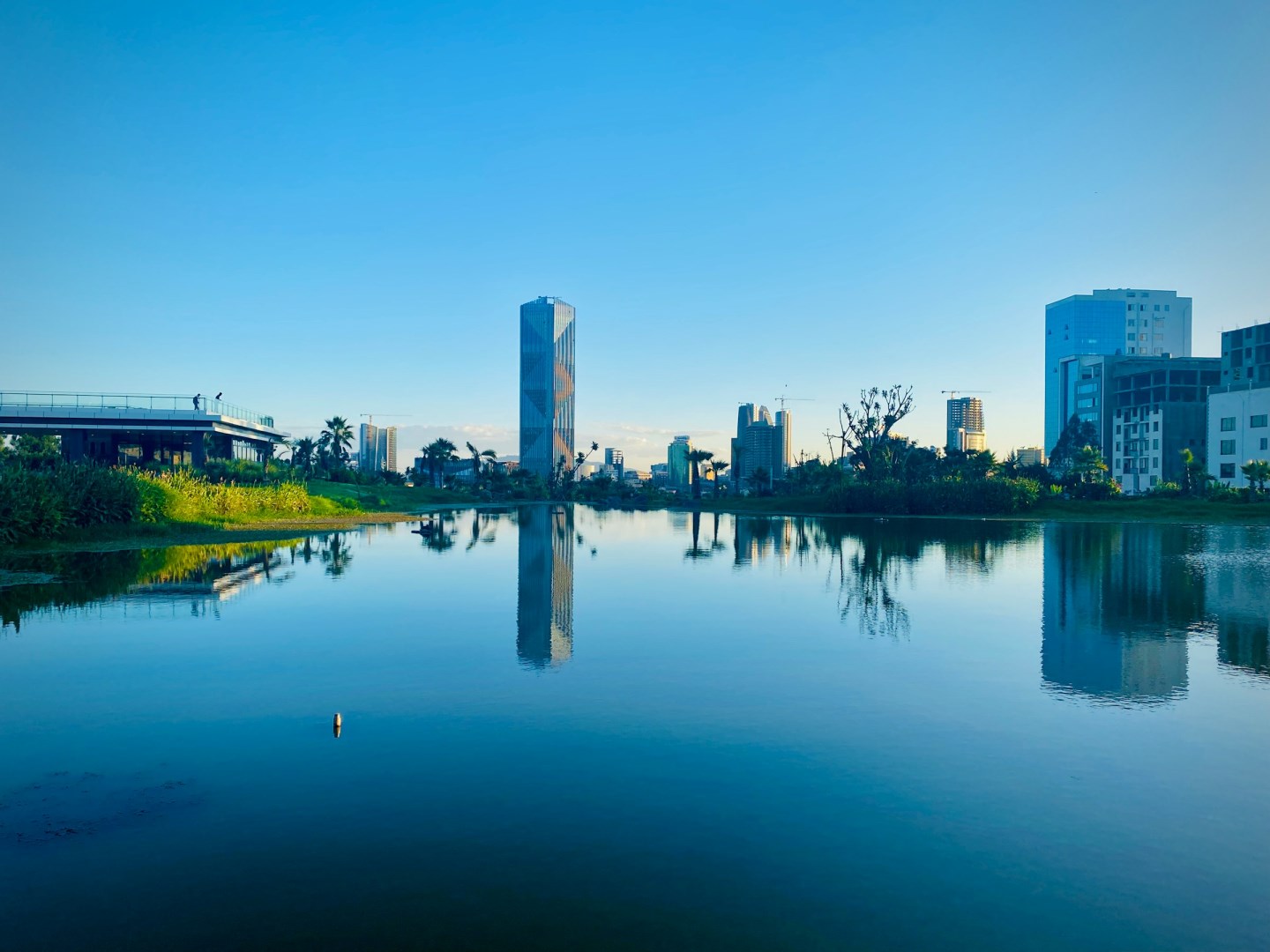
Addis Ababa
Addis Ababa is the capital of Ethiopia and a highland city set at the foot of the Entoto Mountains. Its elevated setting gives the city a relatively cool climate compared with much of the country, while broad avenues, busy neighborhoods, green hills, and expanding modern districts create a varied urban landscape. Addis Ababa is also the headquarters of the African Union and hosts numerous international organizations, giving it an important diplomatic role across the continent.
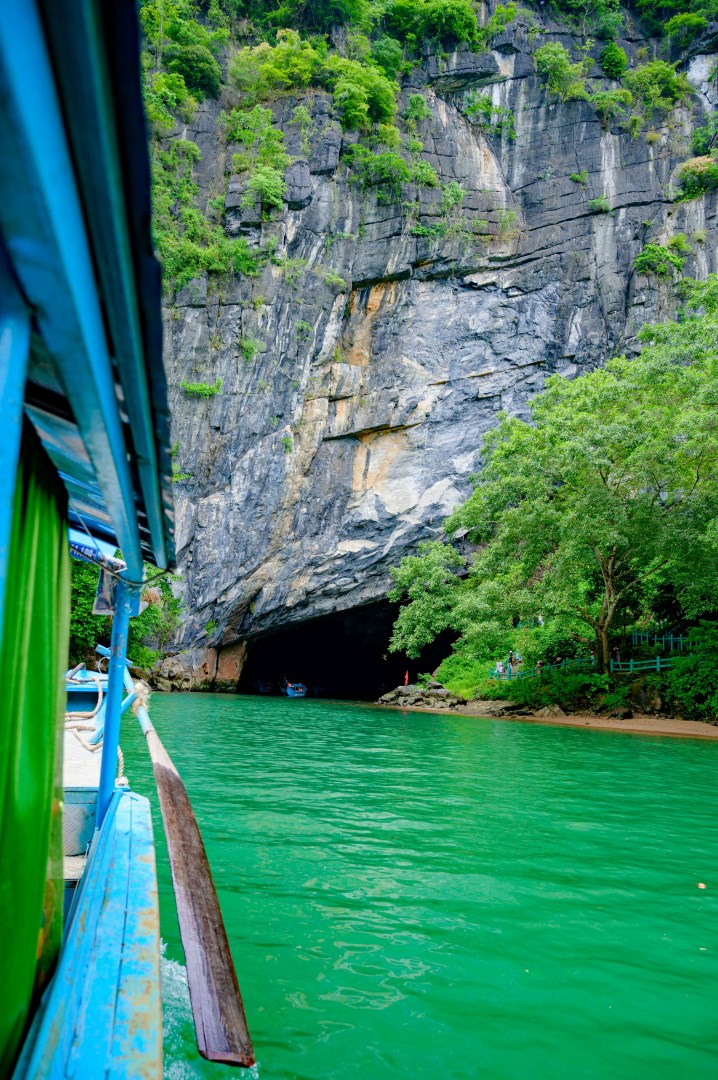
Phong Nha - Ke Bang National Park
Kẻ Bàng National Park lies in central Vietnam, near the border with Laos, and is known for its vast network of limestone mountains and underground rivers. The park forms part of one of the oldest karst landscapes in Asia, shaped over millions of years into a maze of caves, cliffs, and dense forest. Among its most famous features is Sơn Đoòng Cave, recognized as the largest cave on Earth, with sections so vast that clouds can form inside and a jungle grows beneath its collapsed roof.
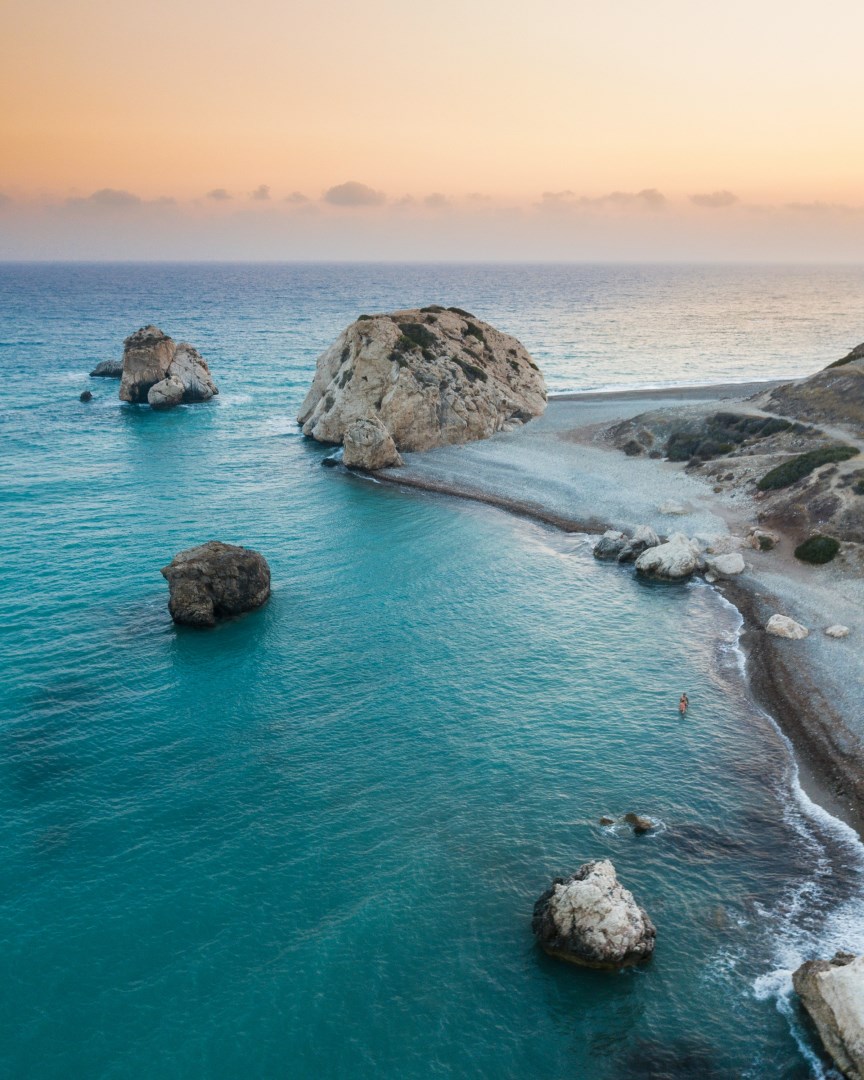
Kouklia
Kouklia is a village in the Pafos district of southwestern Cyprus, located inland from the coast on the site of ancient Palaipafos, or Old Pafos. The village is surrounded by cultivated fields, orchards, and low hills, with the Mediterranean coast nearby. Its main distinction is its connection with the ancient Sanctuary of Aphrodite, one of the most important archaeological sites associated with the goddess in the ancient Greek world.

Xi'an
Xi’an, located in central China’s Shaanxi Province, served as the starting point of the ancient Silk Road and was the capital of 13 imperial dynasties. Its long history is most famously represented by the Terracotta Army, an underground army of life-sized warriors discovered in 1974. Each figure has distinct facial features, hairstyles, and armor, designed to protect Emperor Qin Shi Huang in the afterlife.
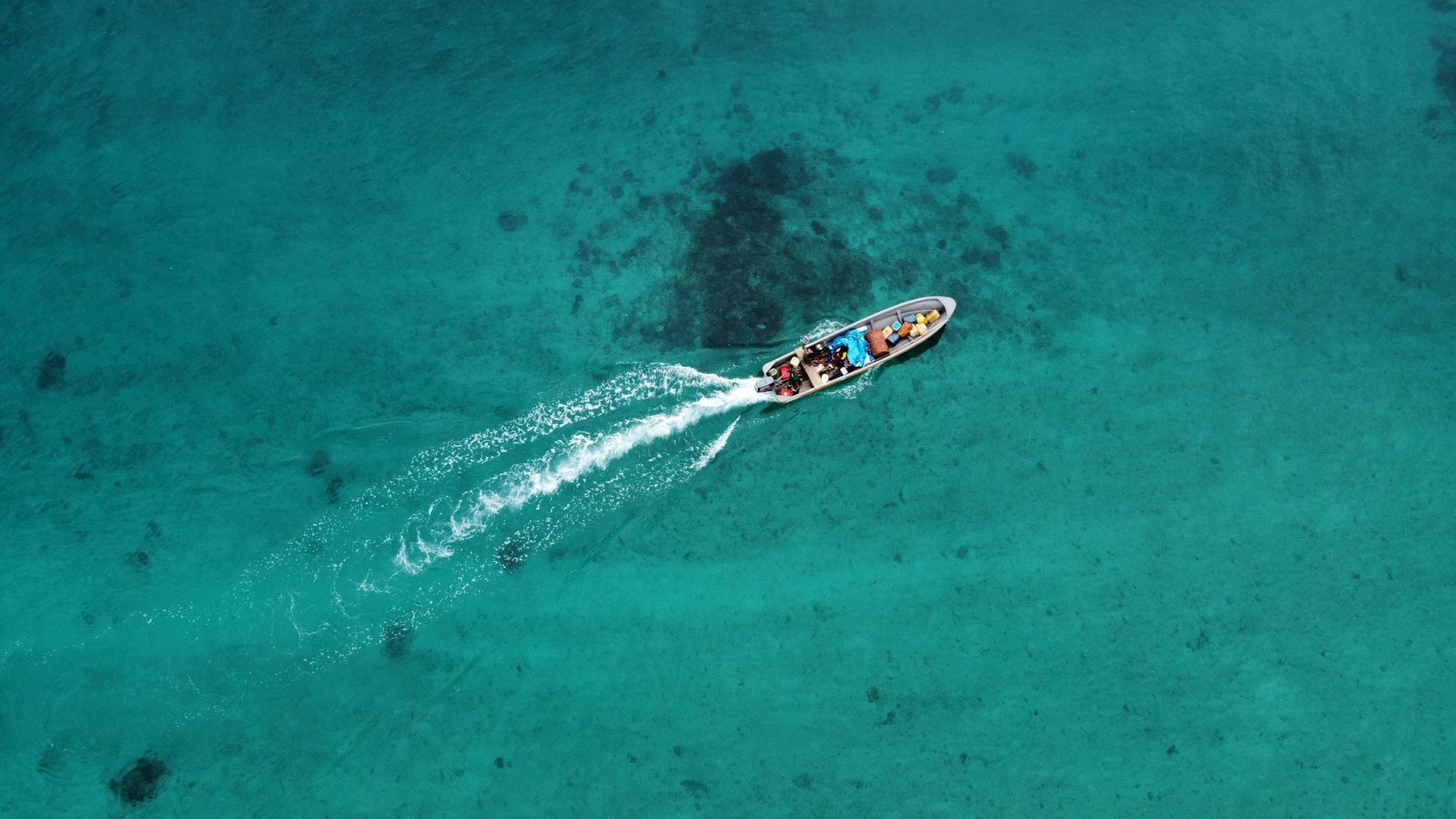
Milne Bay
Milne Bay is a large, island-dotted body of water in southeastern Papua New Guinea and the center of a province with one of the country’s most complex coastal landscapes. The bay extends around the southeastern tip of New Guinea and includes numerous islands, reefs, channels, and sheltered coves.