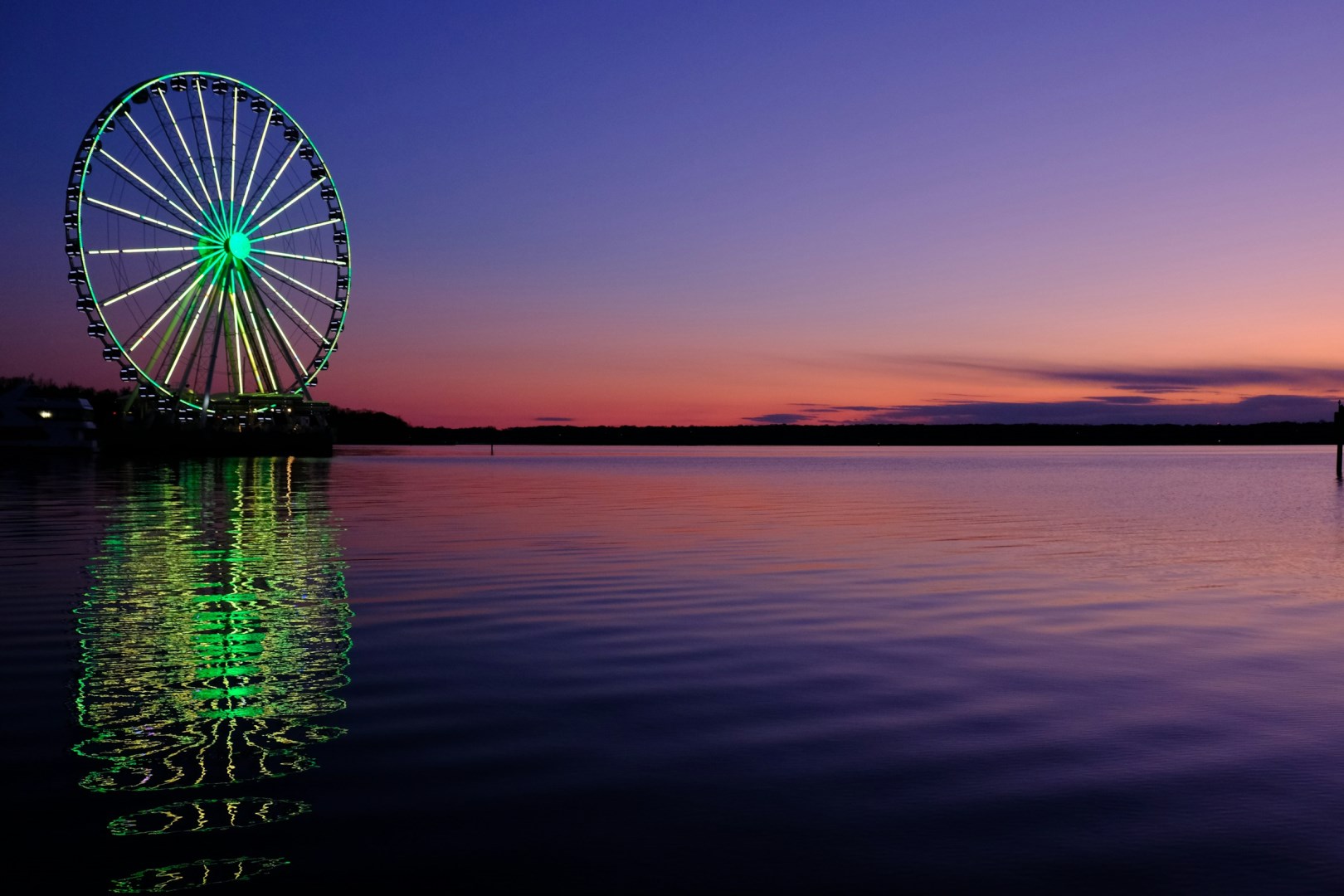
National Harbor is a waterfront development on the Potomac River in Prince George’s County, Maryland, just south of Washington, D.C. Built on a former industrial site, it has become a mixed-use destination with hotels, residences, restaurants, shops, offices, and public spaces arranged along the riverfront.
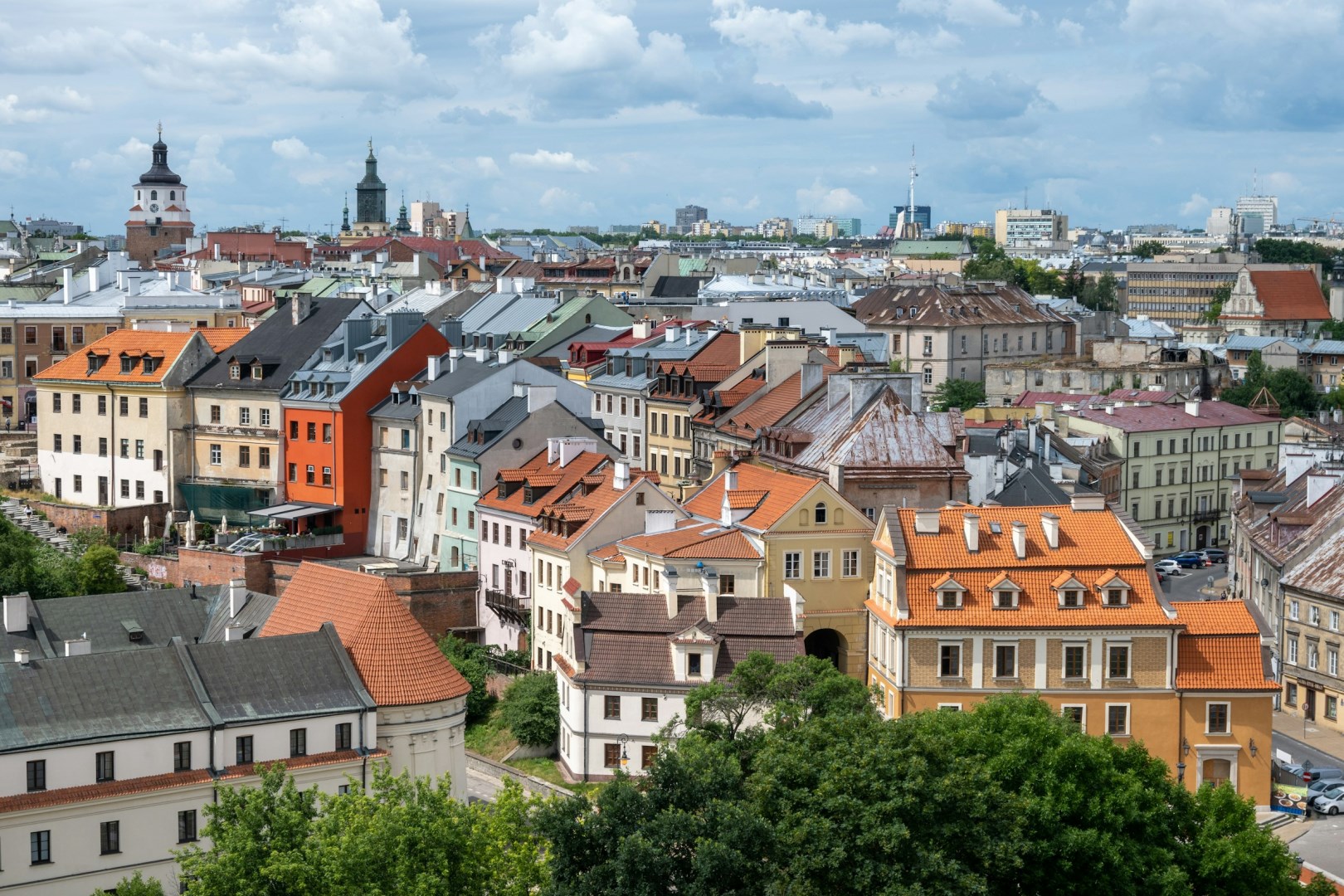
Located on a trade route to Lithuania and Russia, Lublin was already an important center by the time it received its municipal charter in 1317. The city still remains relatively unknown to foreign tourists. From the original defense walls and the Krakow Gate, the remnant of Lublin's medieval wall system to the town hall and the Renaissance burgher houses in the Market Square, Lublin offers numerous visual delights.
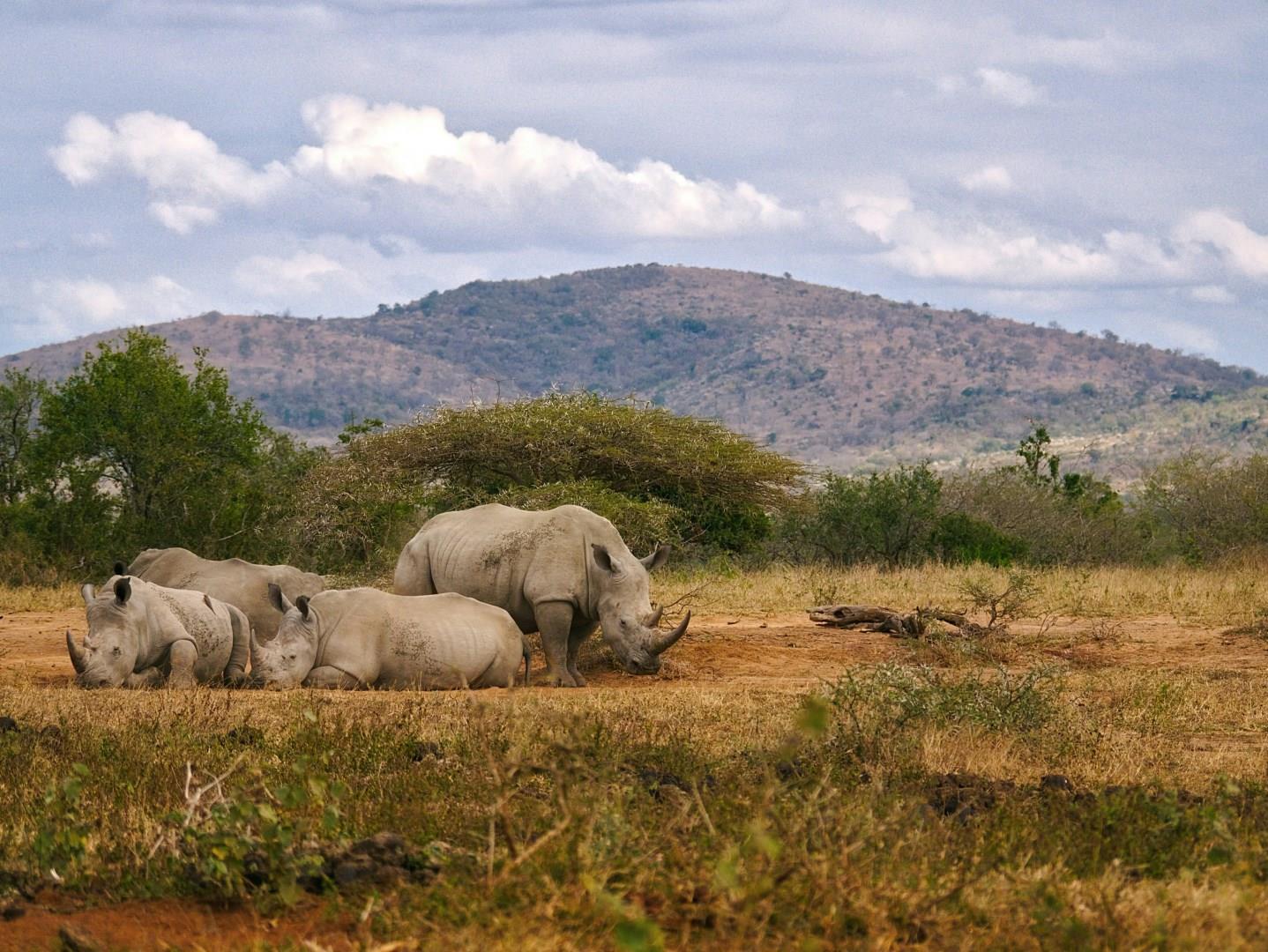
Hluhluwe–iMfolozi Park, in South Africa’s KwaZulu-Natal province, is one of the country’s oldest protected areas and holds deep historical importance in conservation.
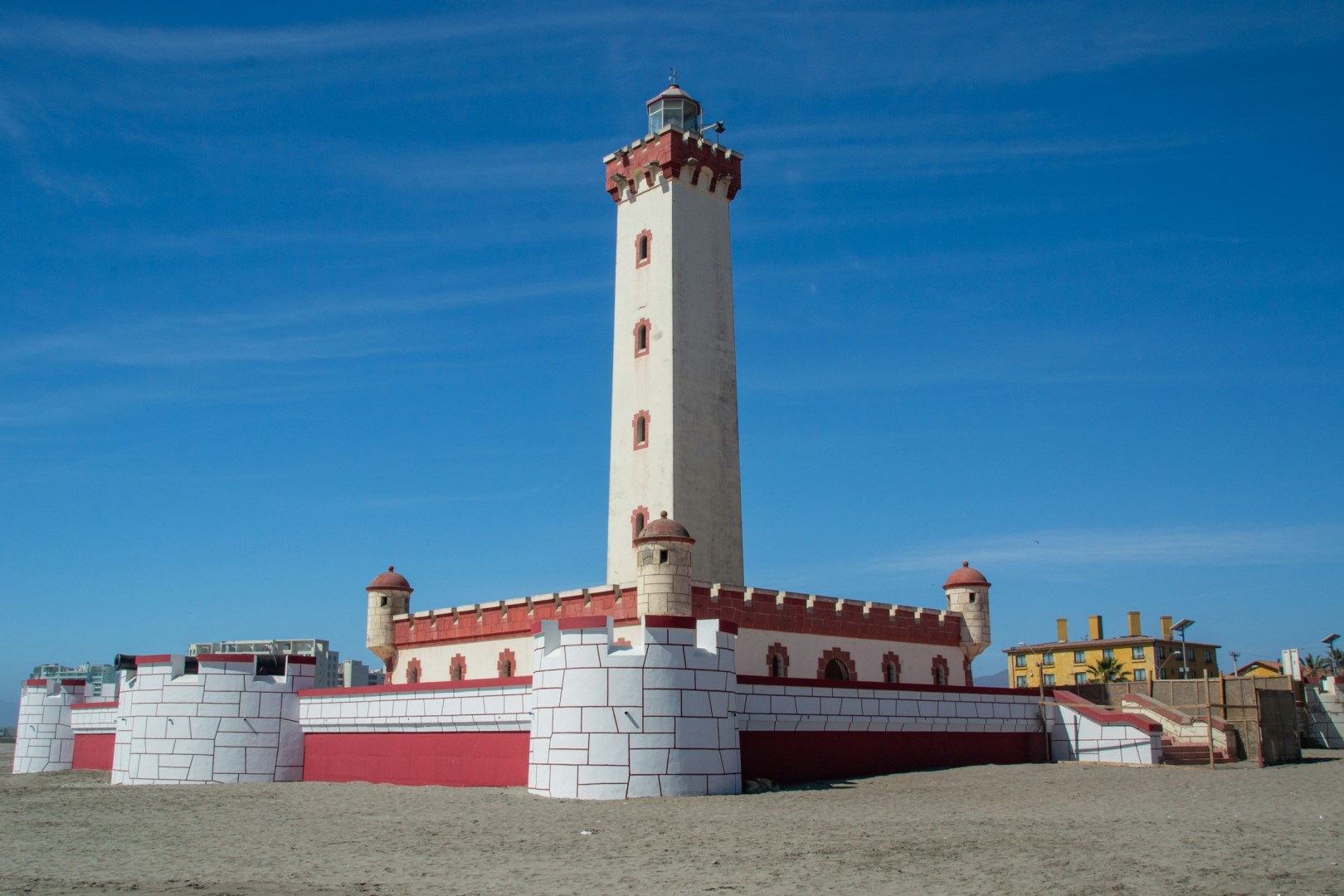
Important both historically and economically, the beachside city of La Serena is one of Chile's oldest post-Columbian cities. The region's silver, copper and agriculture were so important that the city had its own mint. Today, La Serena maintains a colonial air, although it is threatening Viña del Mar's supremacy as premier beach resort. Apart from a string of beautiful beaches, attractions include a handful of museums and a number of nearby quaint villages and vineyards.
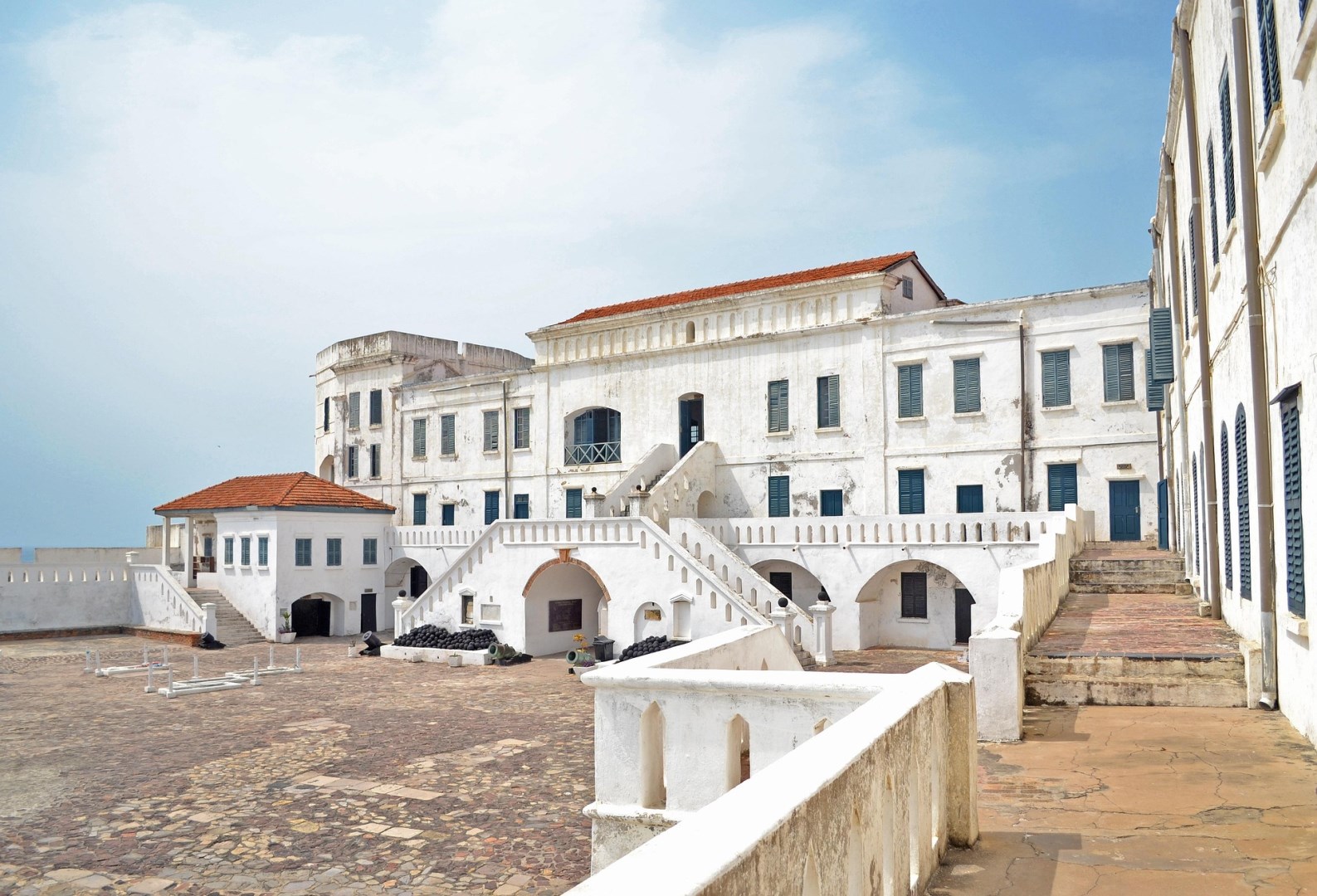
Cape Coast is a historic coastal city in Ghana’s Central Region, positioned along the Gulf of Guinea west of Accra. Once an important centre of European trade on the Gold Coast, the city is now known for its historic architecture, fishing communities, beaches, and connection to Ghana’s coastal culture. Cape Coast Castle dominates the waterfront and remains the city’s best-known landmark. The city is also home to the University of Cape Coast and serves as a base for exploring nearby attractions,
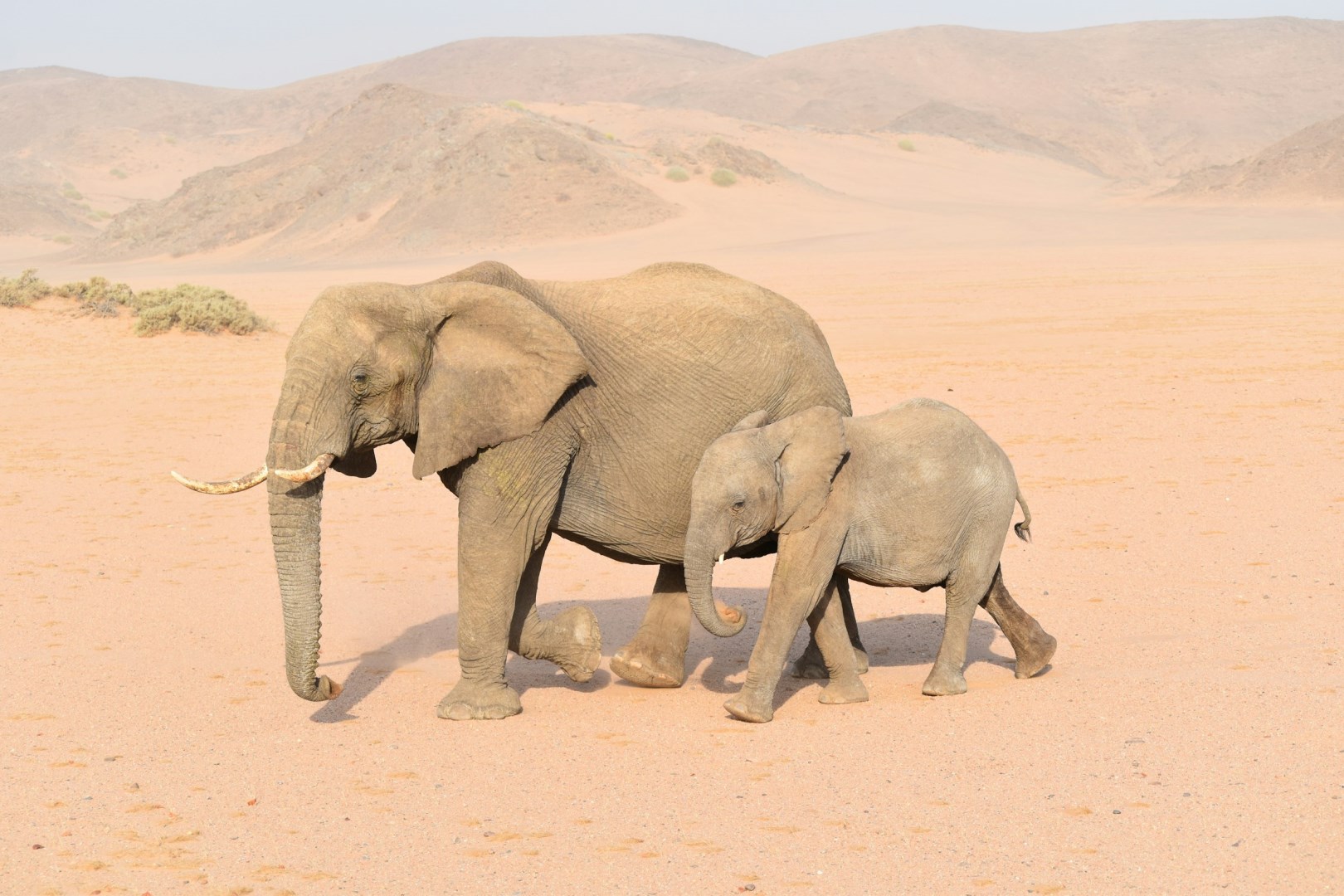
Photo Credit: Photo by Patrick Duvanel on Unsplash
Photo Credit: Photo by Eelco Böhtlingk on Unsplash
Photo Credit: Photo by Claudio Piacentino on Unsplash
Photo Credit: Photo by Eelco Böhtlingk on Unsplash
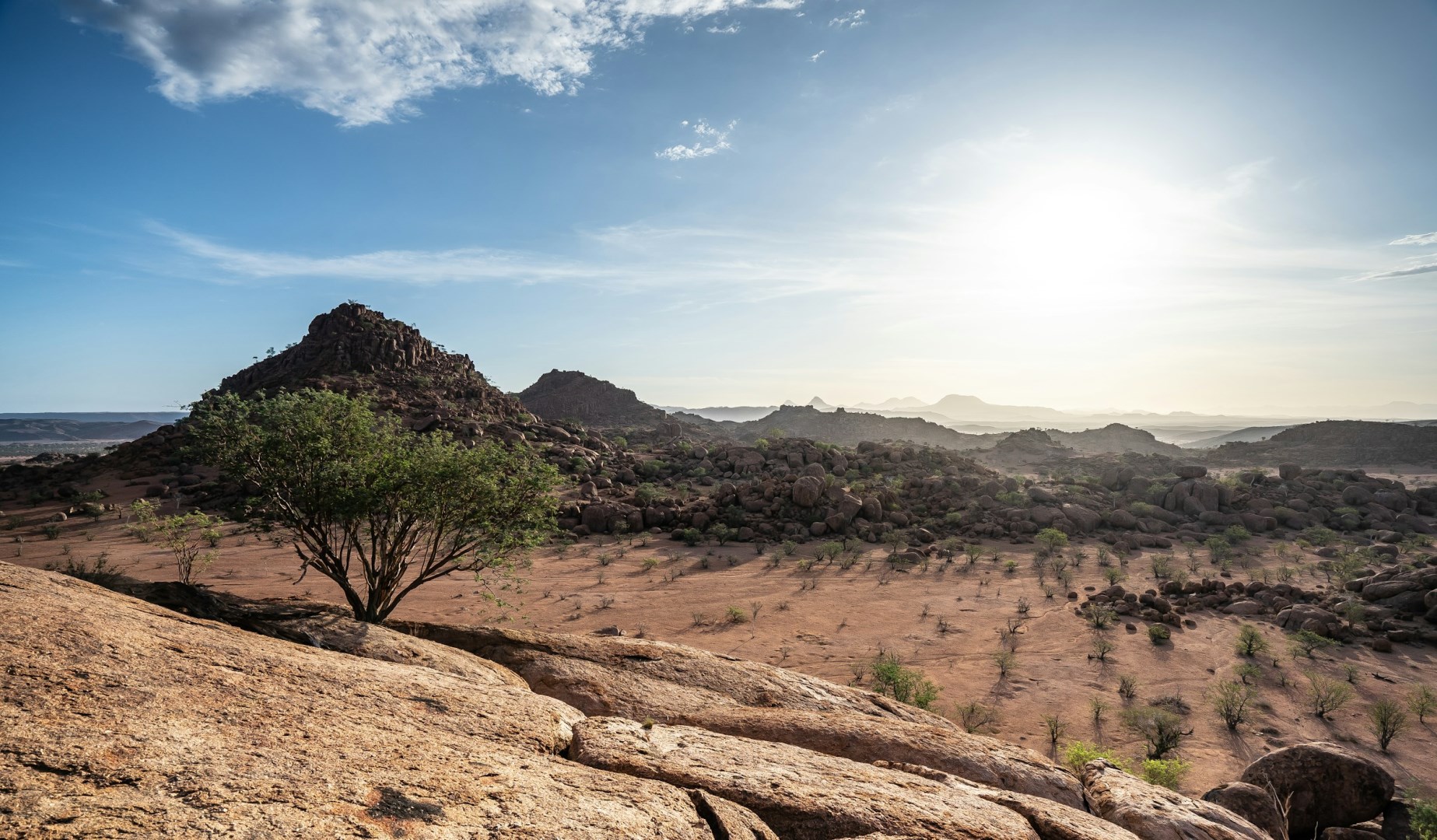
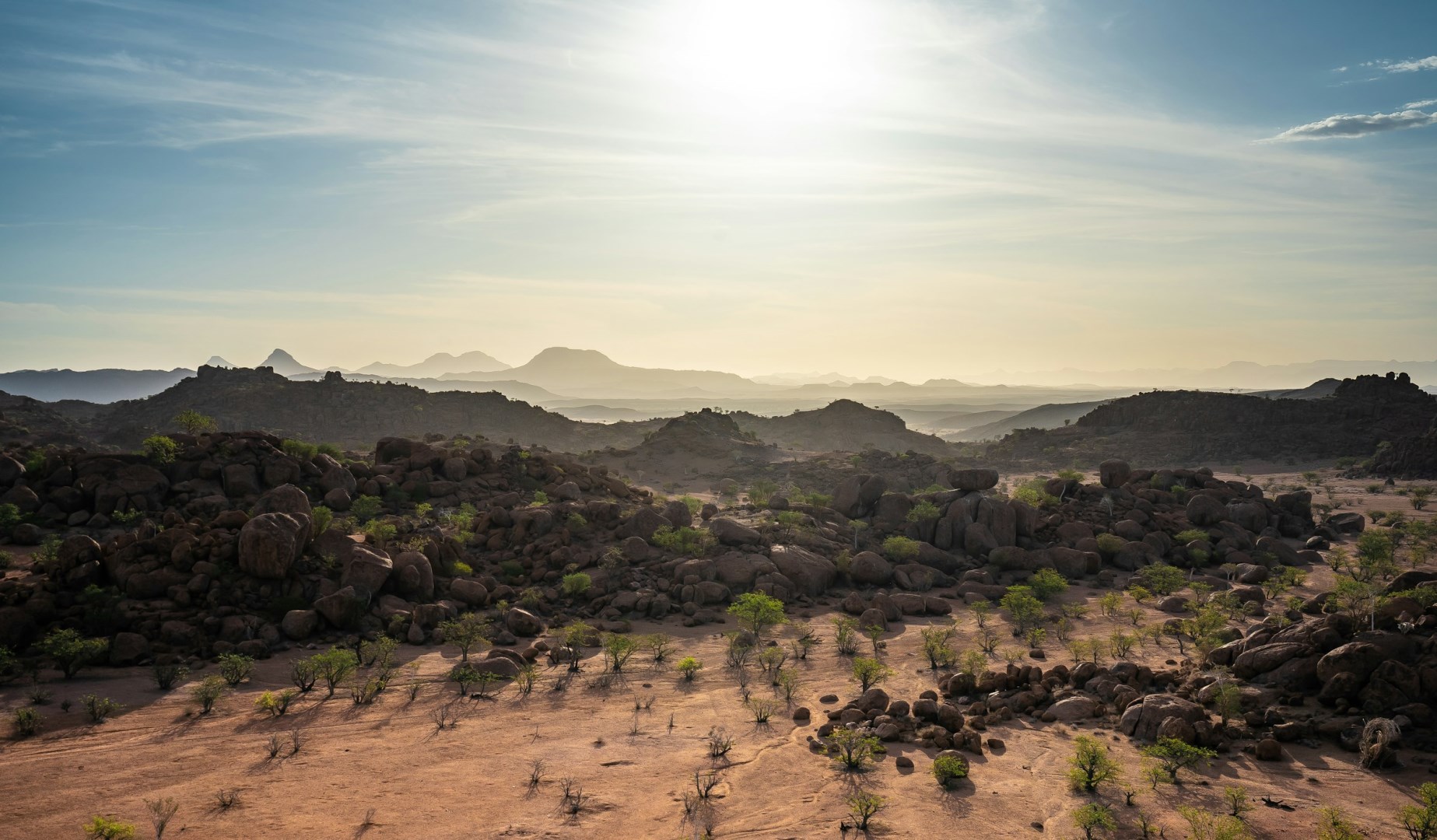
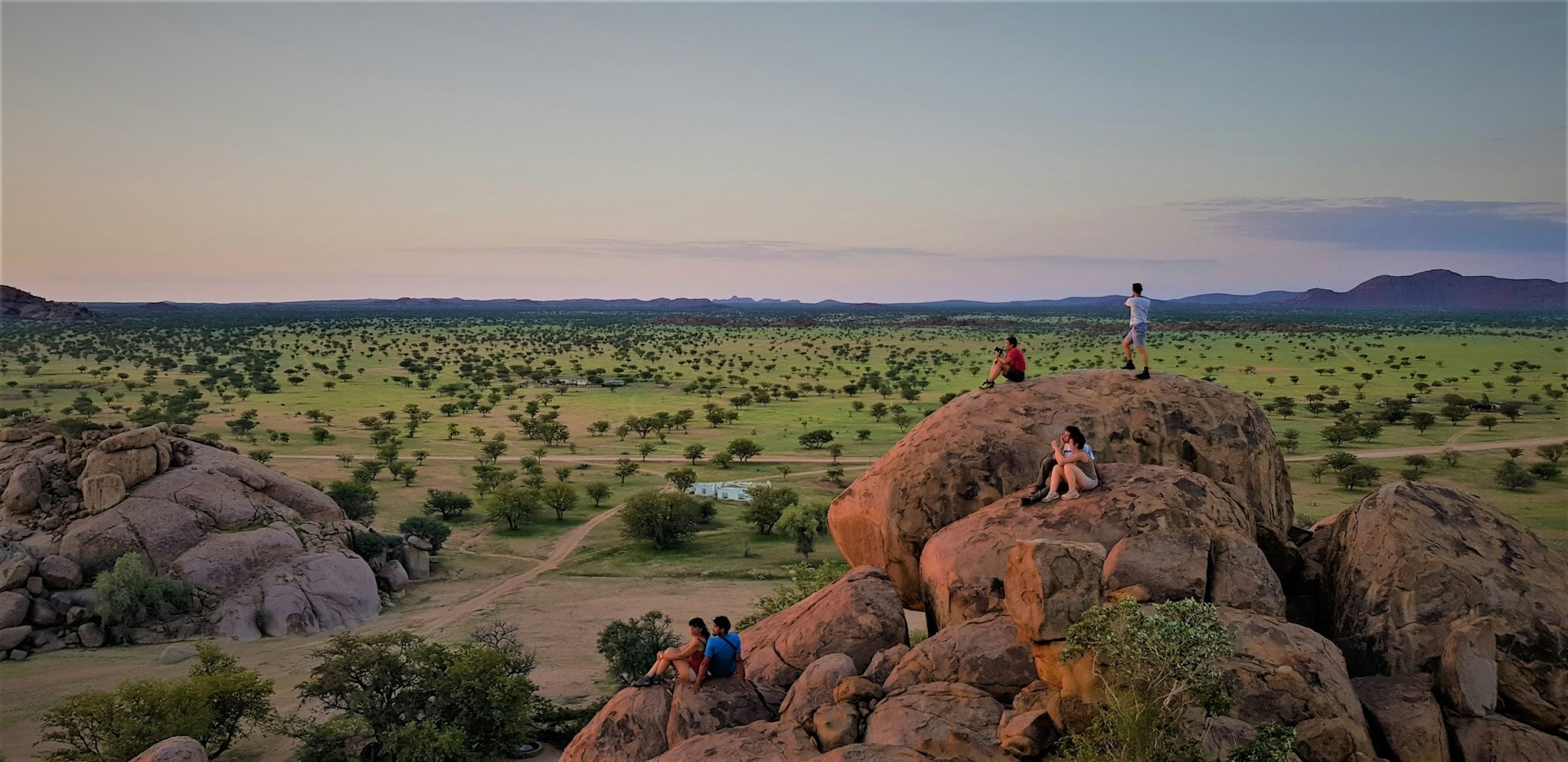
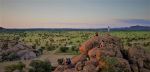
Damaraland, located in northwestern Namibia, is a mesmerizing landscape where ancient history and natural beauty converge. This rugged region, part of the larger Kunene region, is renowned for its dramatic landscapes, including the breathtaking Brandberg Mountain, the highest peak in Namibia. The Brandberg is not only a natural wonder but also a treasure trove of prehistoric rock art, including the famous White Lady painting, which dates back over 2,000 years.
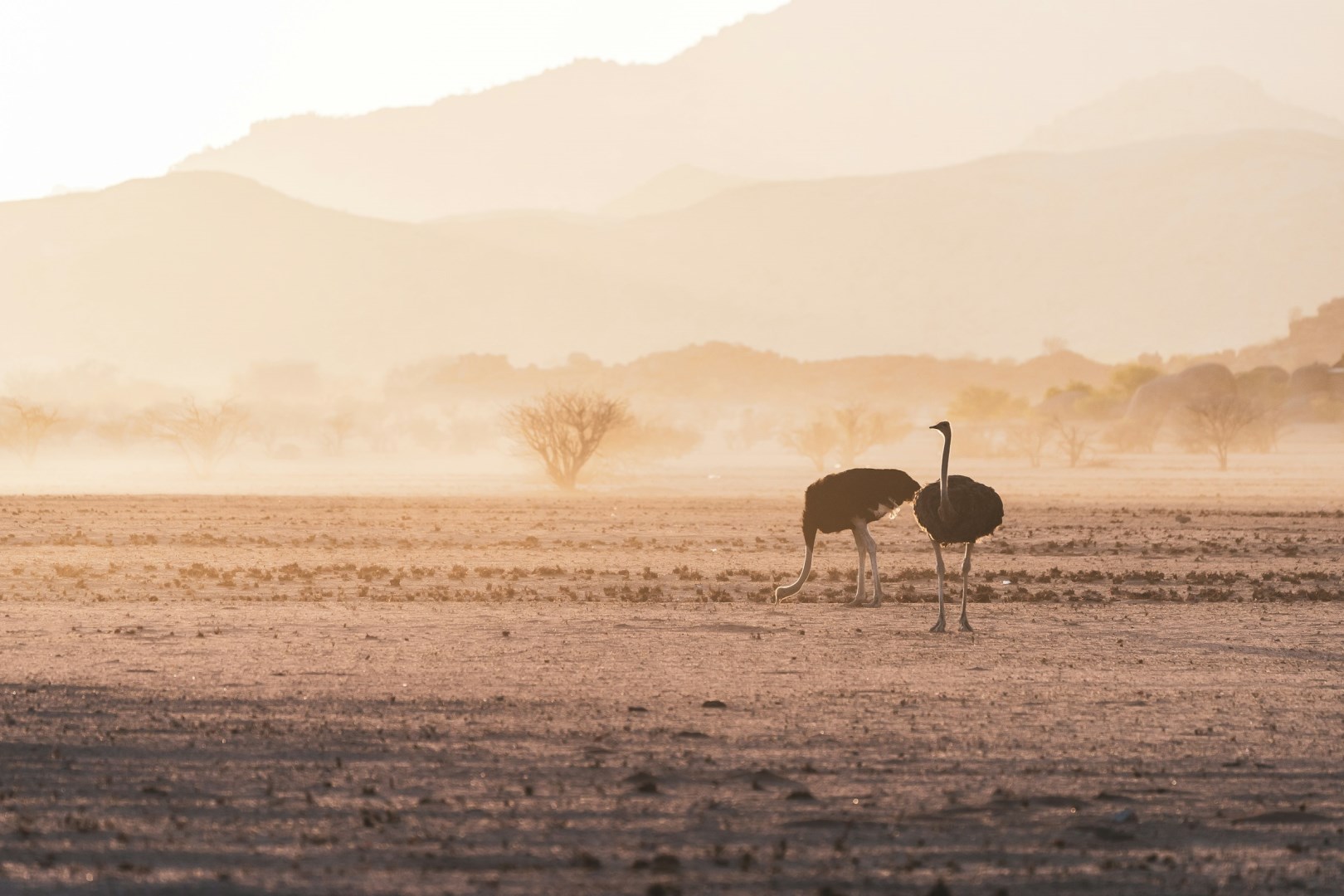
For wildlife enthusiasts, Damaraland offers a rare glimpse of desert-adapted elephants, which roam this arid terrain in search of scarce water sources. These resilient giants are part of the region’s unique wildlife experience, which also includes sightings of black rhinos and various antelope species. The opportunities for game viewing and tracking in Damaraland are unparalleled, providing a once-in-a-lifetime chance to witness these majestic animals in their natural habitat.
The area is also home to the Huab River, a seasonal river that supports a variety of wildlife and provides stunning scenery. Visitors can explore the riverbed and surrounding areas on guided tours, which often include walks with local guides who share insights into the region’s flora, fauna, and traditional cultures. The hospitality of local lodges, offers an immersive experience in this remote wilderness.
Fun fact: The name "Damaraland" is derived from the indigenous Damara people, who have lived in the region for centuries. Their traditional knowledge of the land, including survival strategies in the harsh environment, adds a rich cultural layer to the natural beauty of the area.
Other Popular Destinations in Namibia
Etosha National Park
Etosha National Park, located in northern Namibia, is one of Africa’s most renowned wildlife destinations. Covering nearly 8,500 square miles, it is centered around the Etosha Pan, a massive salt flat that can be seen from space. During the dry season, animals gather around waterholes, creating spectacular wildlife viewing opportunities that attract visitors from around the world.
Swakopmund
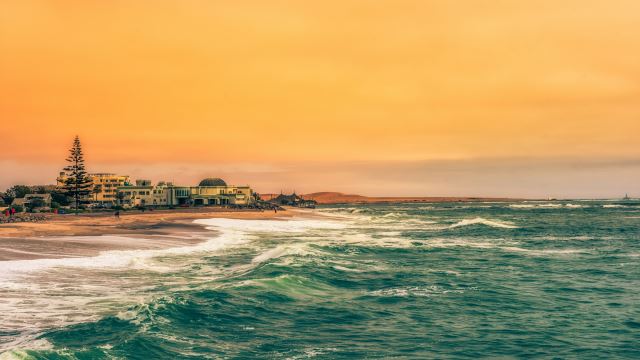
Swakopmund, on Namibia’s Atlantic coast, is a town where desert meets ocean in striking contrast. Founded by German colonists in the late 19th century, its streets are lined with colonial-era buildings painted in pastel colors, giving the town a distinctly European feel.