St. Ives, a picturesque seaside town on the north coast of Cornwall, England, is a charming blend of stunning natural beauty and rich cultural heritage. With its golden sandy beaches, crystal-clear waters, and quaint cobbled streets, St. Ives has long been a haven for artists, surfers, and sun-seekers alike. The town's vibrant atmosphere is palpable in its bustling harbor, where fishing boats sway with the tide and seaside cafés offer fresh, locally caught seafood.
Sweden is a country where medieval towns, coastal archipelagos, and expansive forests sit side by side with modern design and a strong cultural identity. Stockholm, the capital, is built across 14 islands connected by bridges and ferries. The historic district of Gamla Stan features narrow, cobbled streets and colorful buildings dating back to the 13th century.
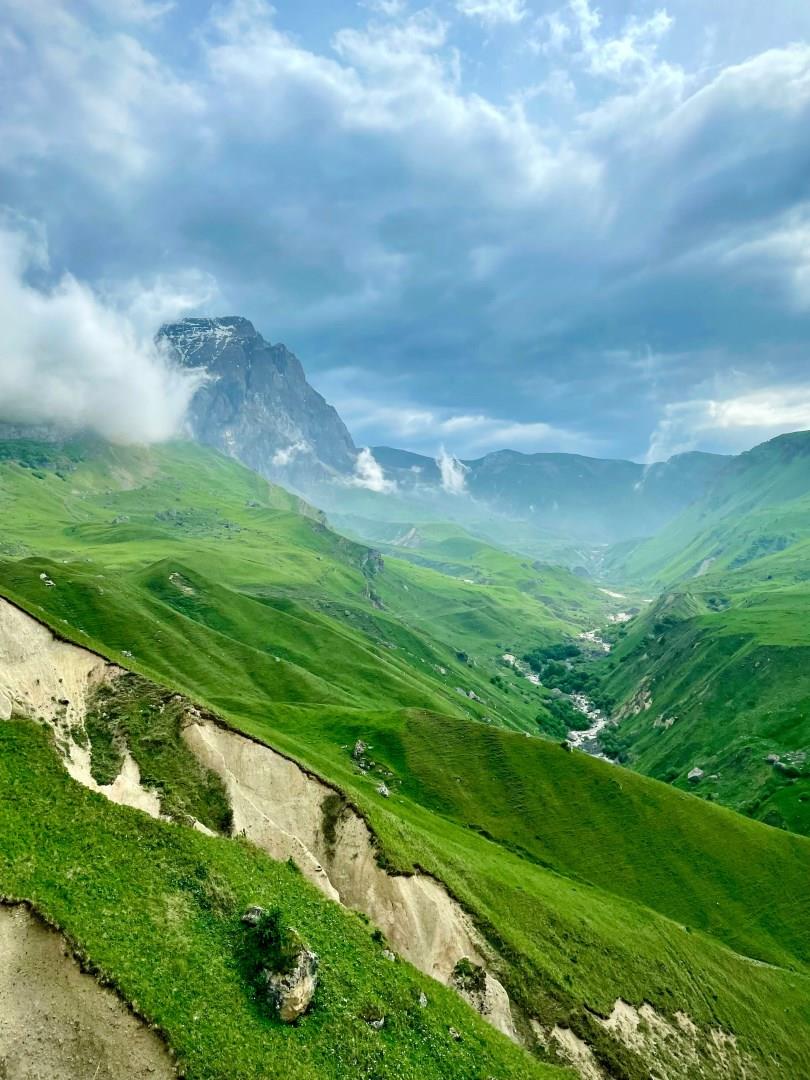
Azerbaijan, often called the “Land of Fire,” sits at the crossroads of Europe and Asia along the Caspian Sea. Its capital, Baku, blends futuristic architecture with centuries-old history.
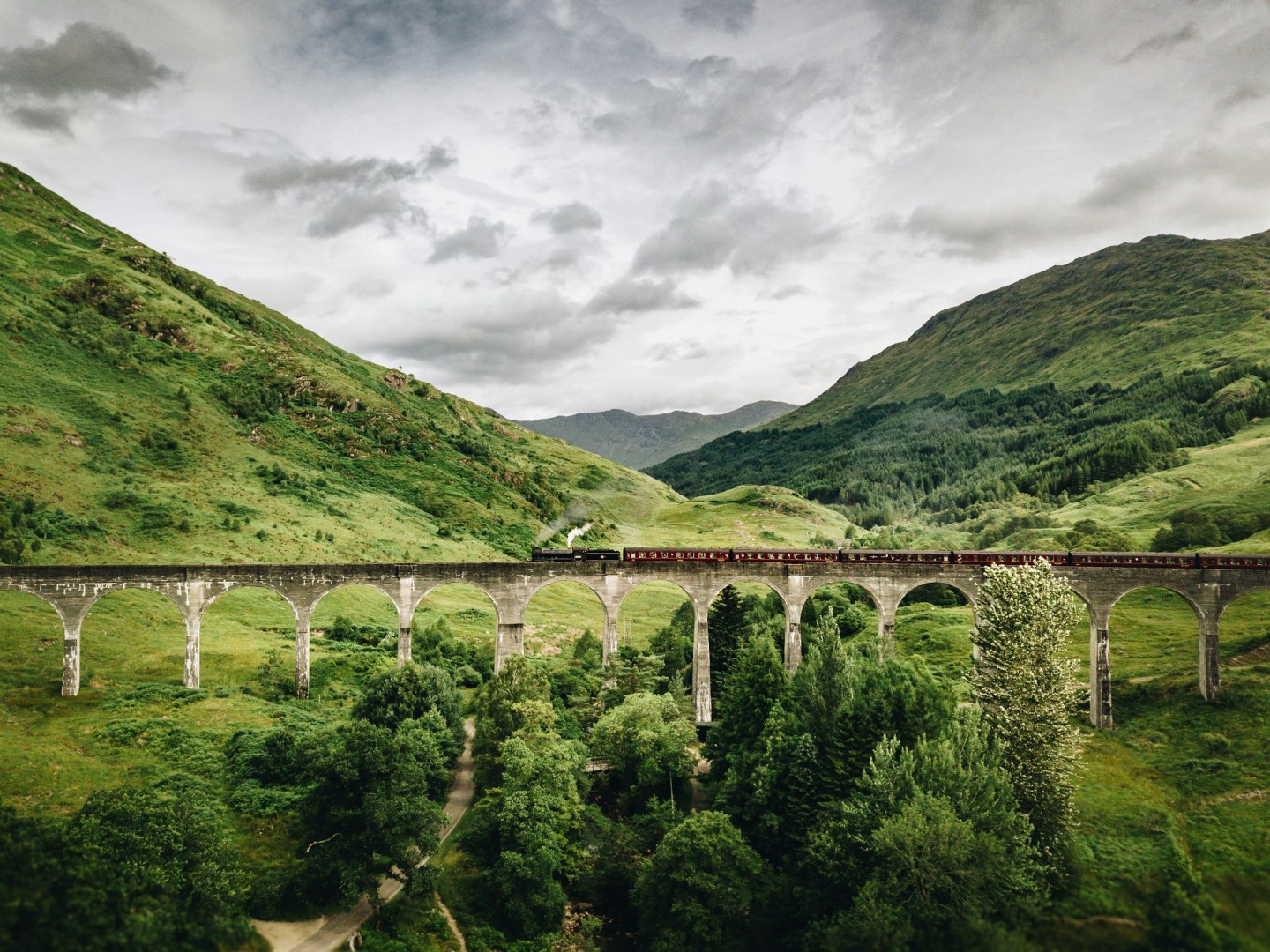
Glenfinnan, nestled in the Scottish Highlands, is a picturesque village renowned for its dramatic landscapes and historical significance. This small but enchanting destination is best known for the Glenfinnan Viaduct, an architectural marvel completed in 1901.
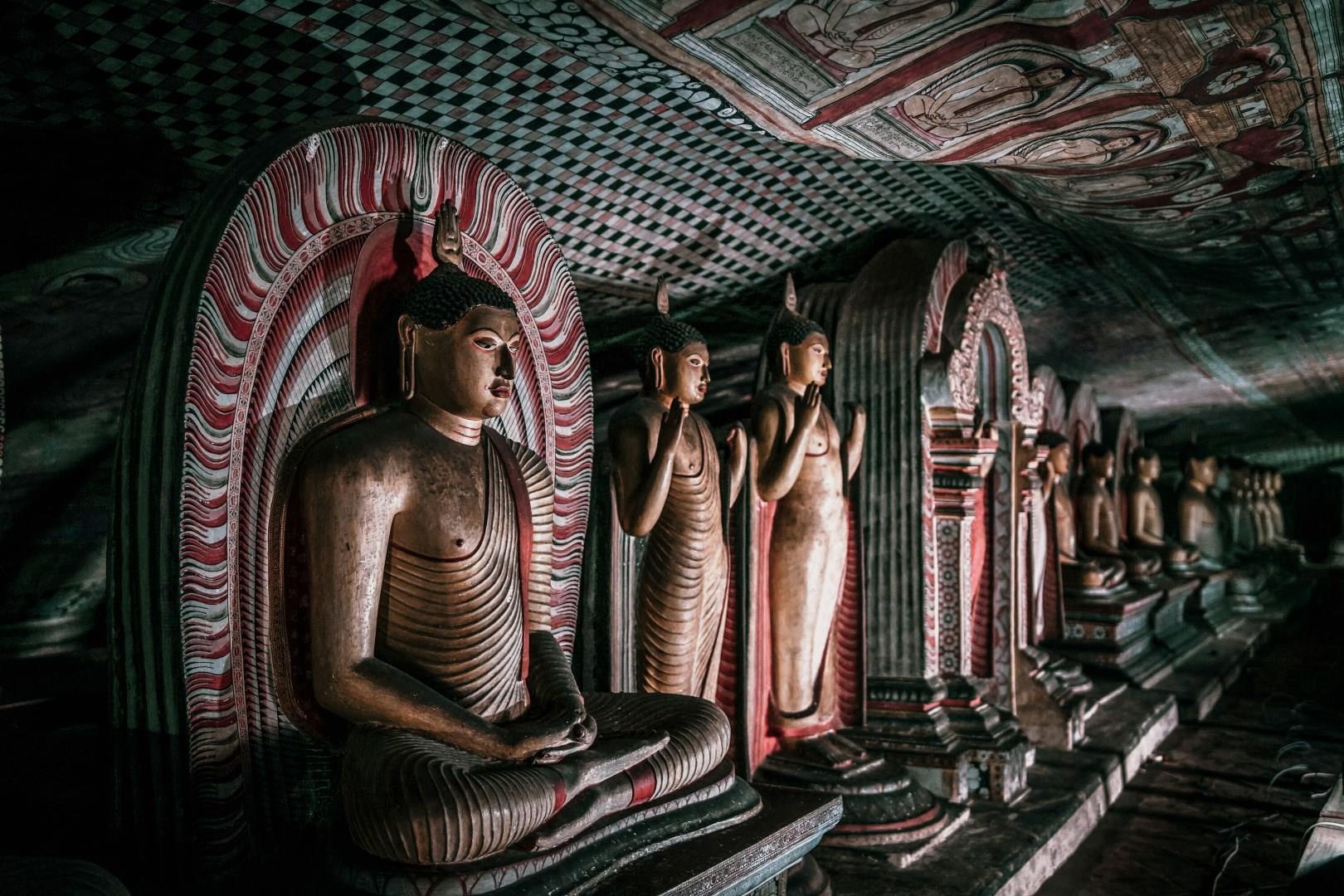
Dambulla, situated in the Central Province of Sri Lanka, is best known for its rock temple complex that has been in use for over two thousand years. The Dambulla Cave Temple, also called the Golden Temple of Dambulla, is made up of five caves carved into a granite outcrop, filled with over 150 Buddha statues and intricate wall paintings. These caves were first used by King Valagamba in the 1st century BCE as a refuge during exile, and later transformed into a sacred site.
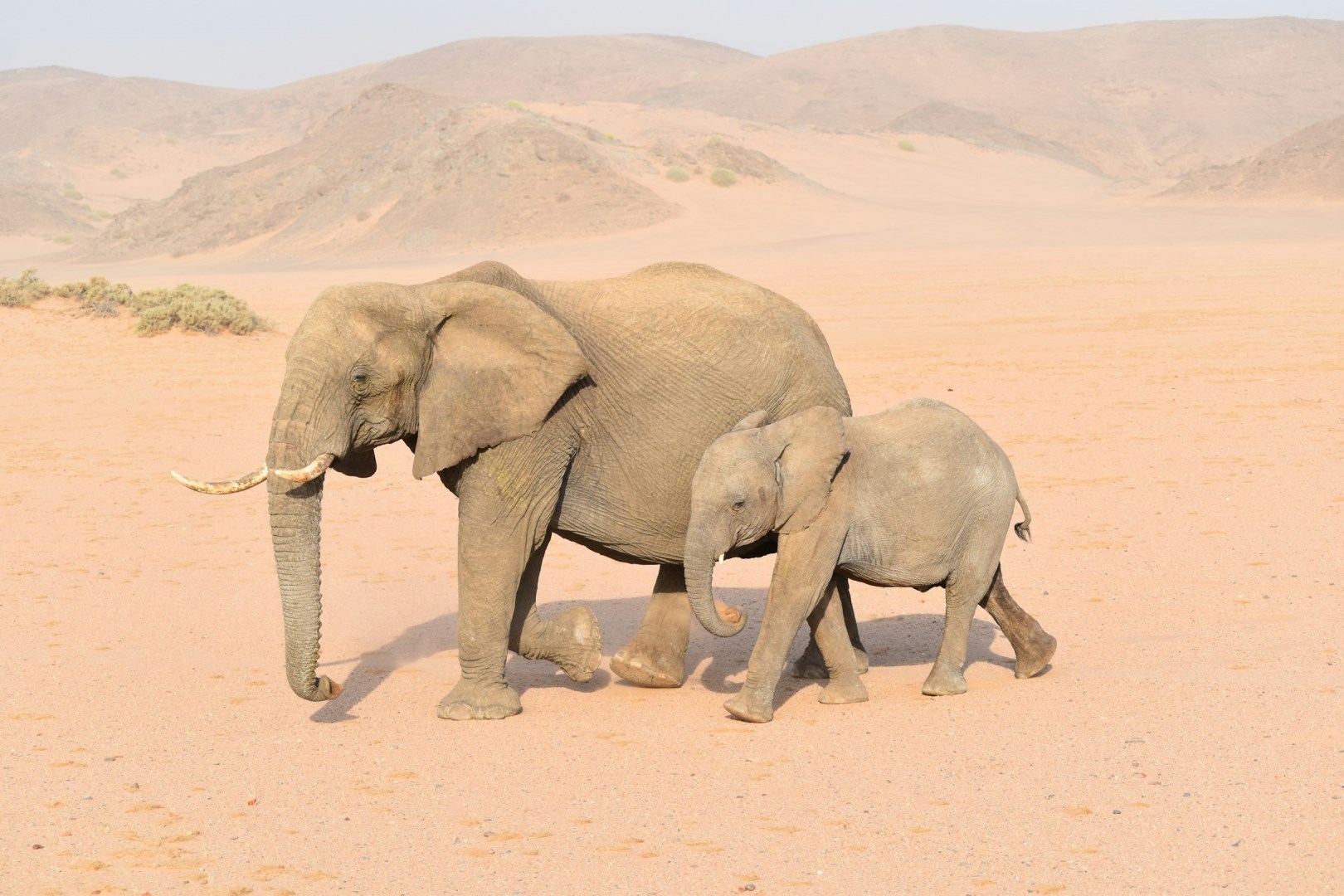
Photo Credit: Photo by Patrick Duvanel on Unsplash
Photo Credit: Photo by Eelco Böhtlingk on Unsplash
Photo Credit: Photo by Claudio Piacentino on Unsplash
Photo Credit: Photo by Eelco Böhtlingk on Unsplash
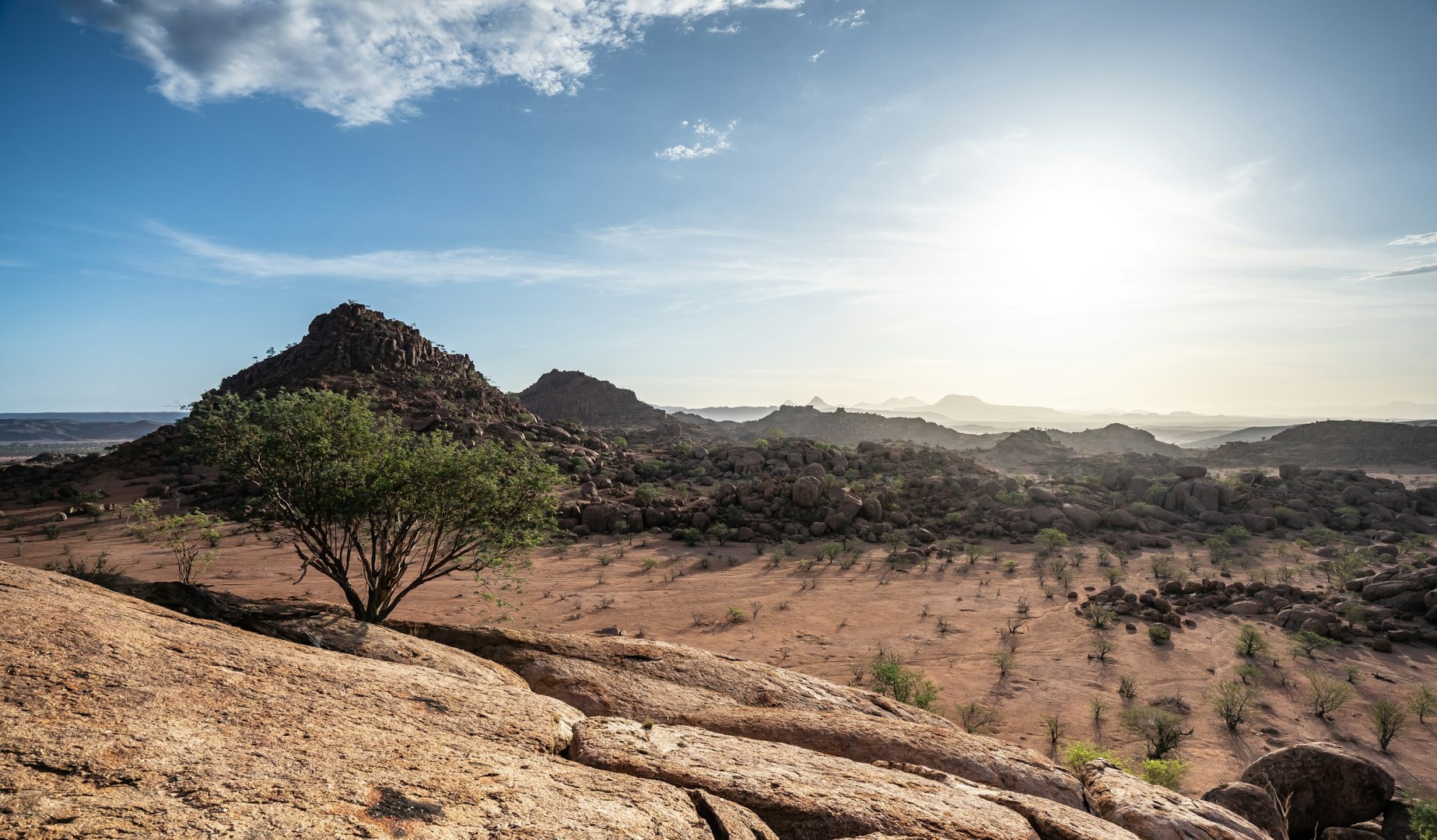
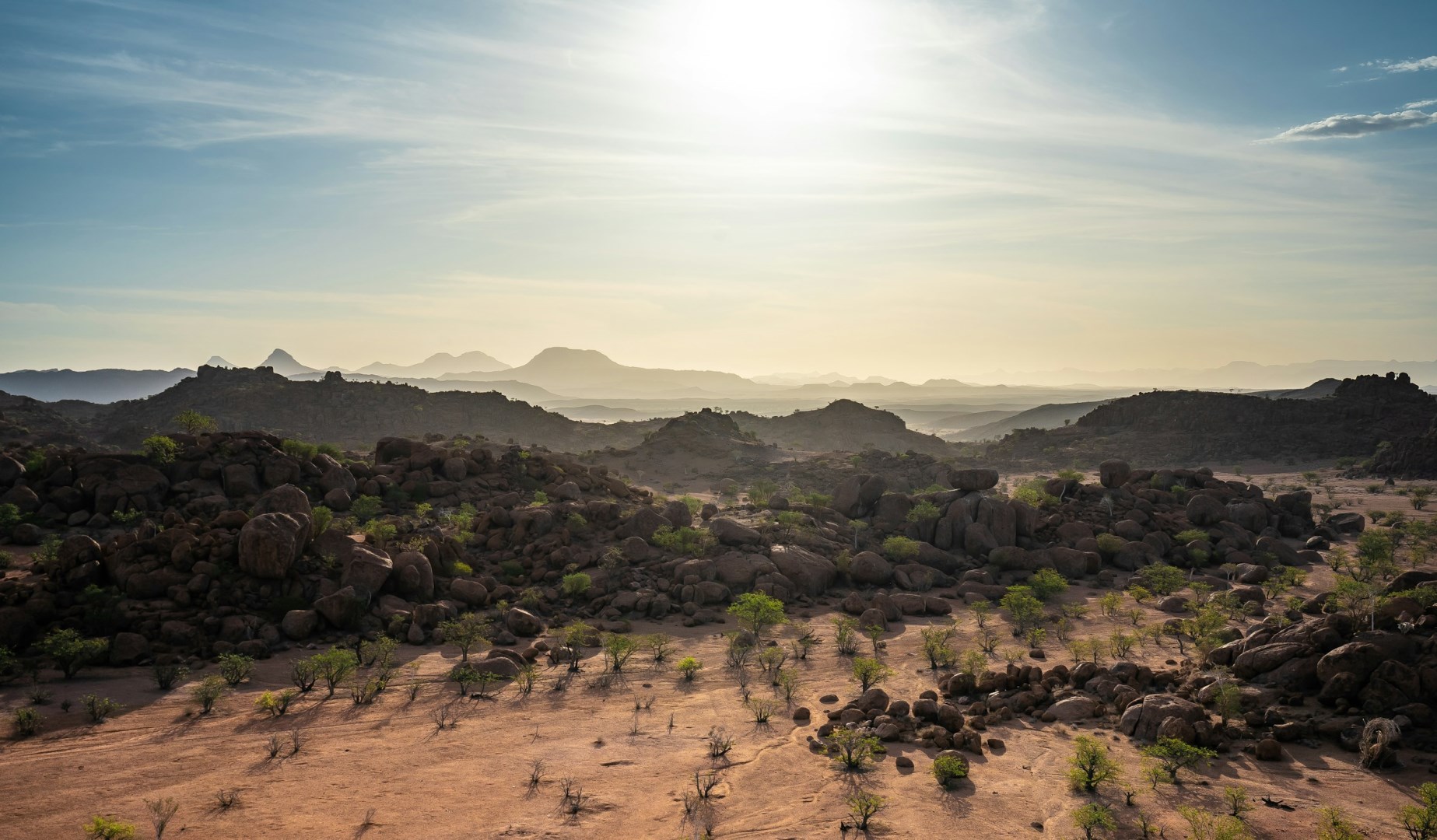
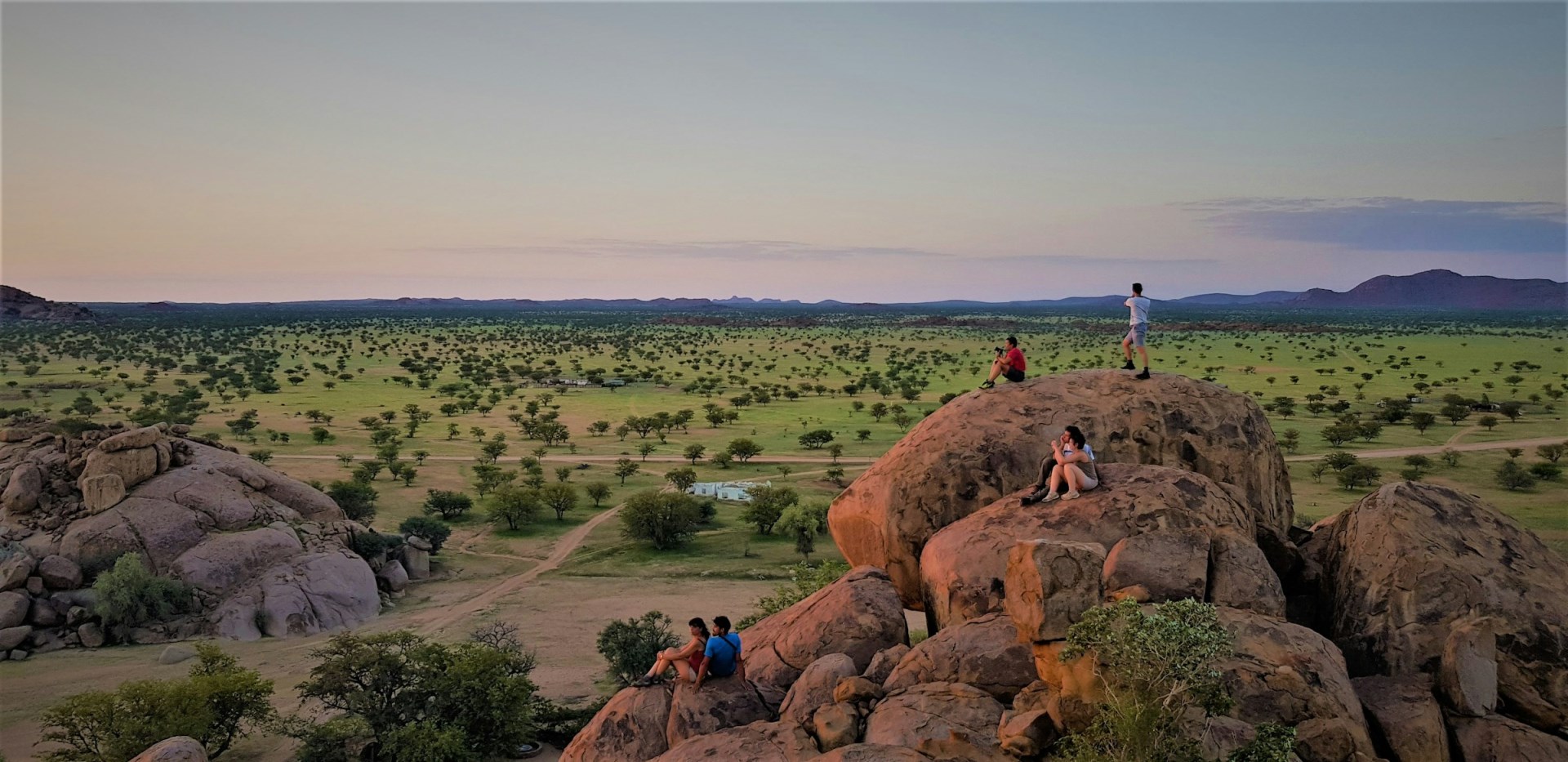
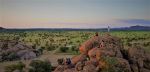
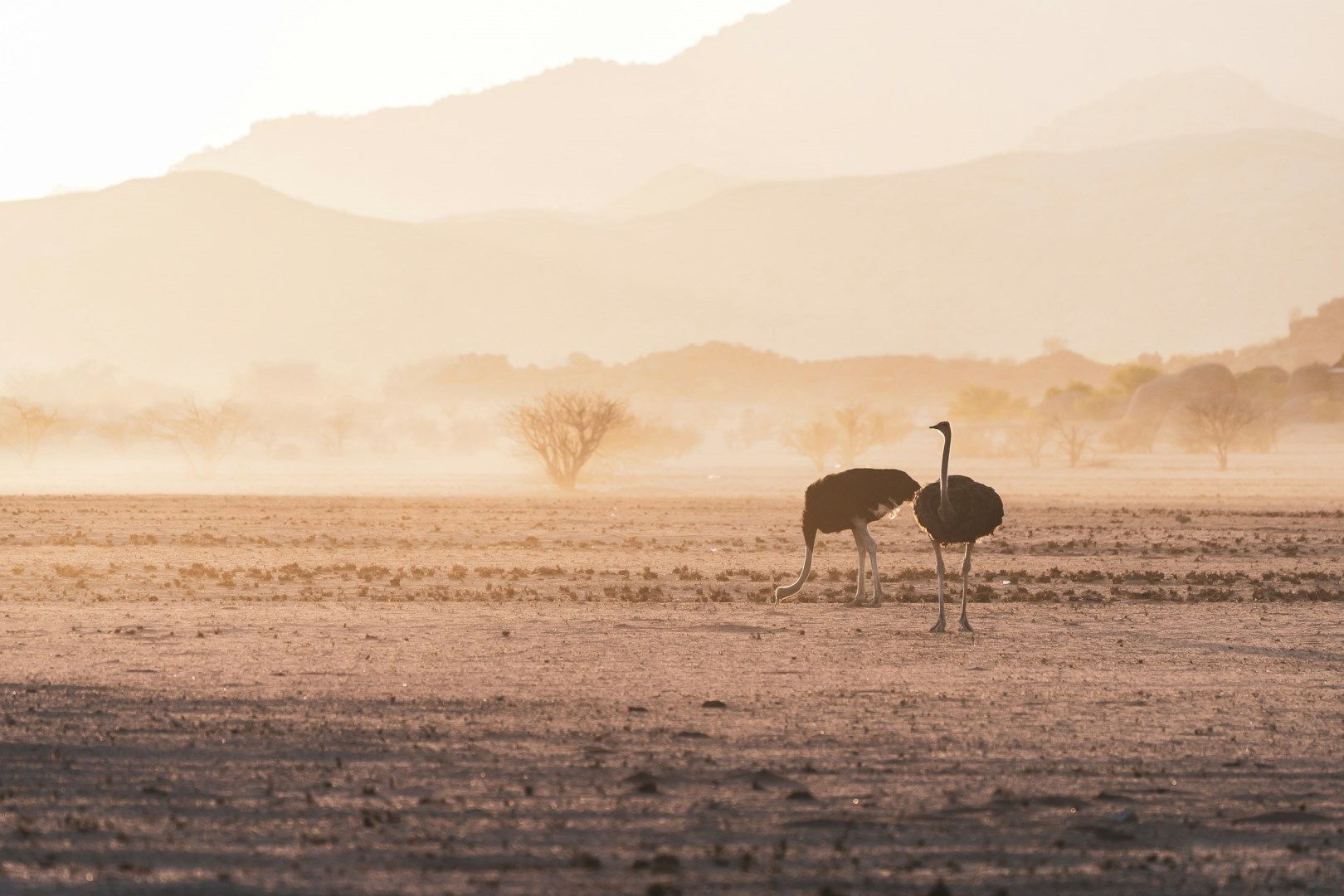
Damaraland, located in northwestern Namibia, is a mesmerizing landscape where ancient history and natural beauty converge. This rugged region, part of the larger Kunene region, is renowned for its dramatic landscapes, including the breathtaking Brandberg Mountain, the highest peak in Namibia. The Brandberg is not only a natural wonder but also a treasure trove of prehistoric rock art, including the famous White Lady painting, which dates back over 2,000 years.
For wildlife enthusiasts, Damaraland offers a rare glimpse of desert-adapted elephants, which roam this arid terrain in search of scarce water sources. These resilient giants are part of the region’s unique wildlife experience, which also includes sightings of black rhinos and various antelope species. The opportunities for game viewing and tracking in Damaraland are unparalleled, providing a once-in-a-lifetime chance to witness these majestic animals in their natural habitat.
The area is also home to the Huab River, a seasonal river that supports a variety of wildlife and provides stunning scenery. Visitors can explore the riverbed and surrounding areas on guided tours, which often include walks with local guides who share insights into the region’s flora, fauna, and traditional cultures. The hospitality of local lodges, offers an immersive experience in this remote wilderness.
Fun fact: The name "Damaraland" is derived from the indigenous Damara people, who have lived in the region for centuries. Their traditional knowledge of the land, including survival strategies in the harsh environment, adds a rich cultural layer to the natural beauty of the area.