Samoa
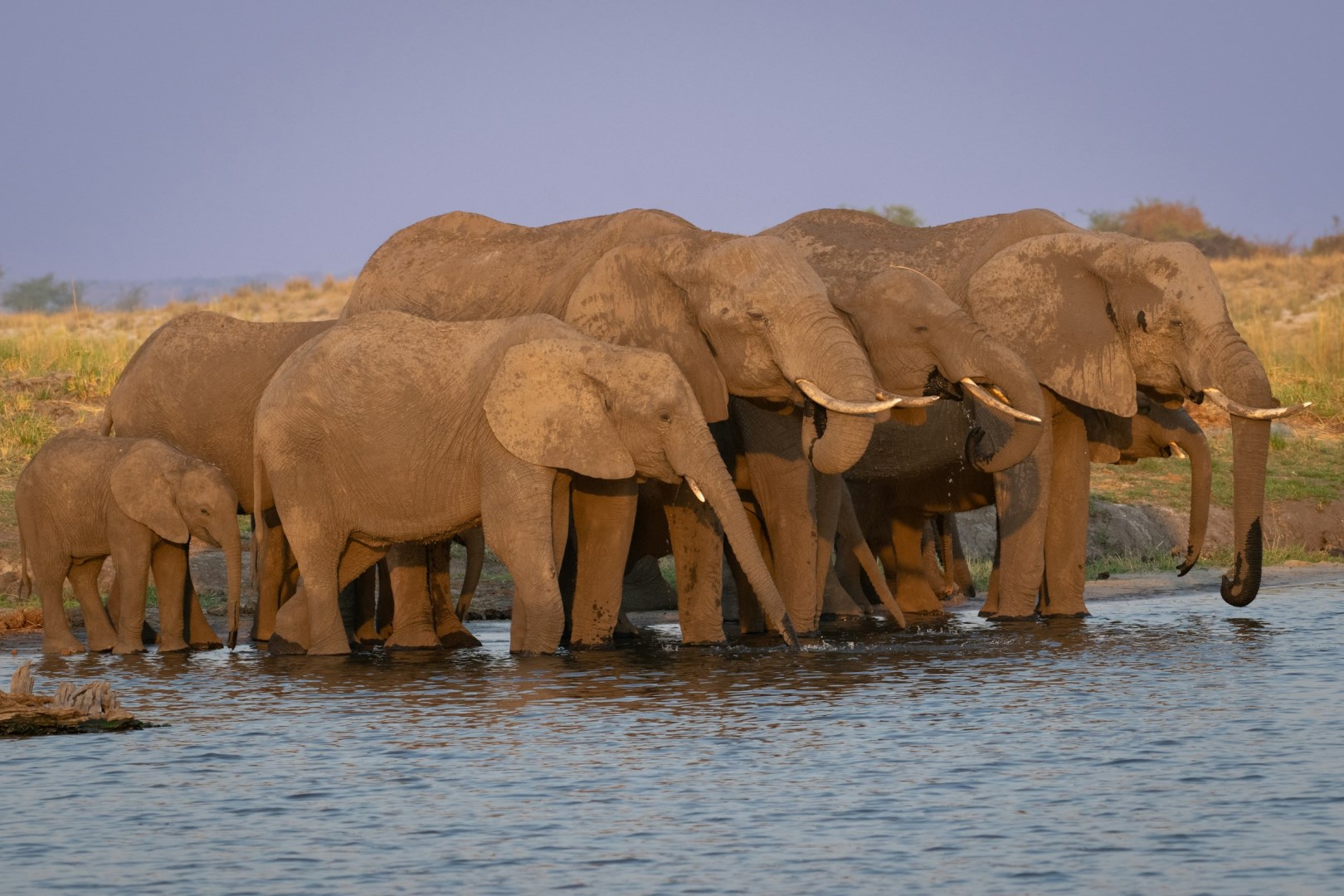
Samoa, a stunning island nation in the South Pacific, invites travelers with its rich cultural traditions and breathtaking landscapes—stunning rainforests, towering waterfalls, and dramatic coastlines that seem to stretch endlessly into the horizon. Made up of two main islands, Upolu and Savaii, along with seven smaller islands, Western Samoa is a vibrant hub of Polynesian culture.
Kent
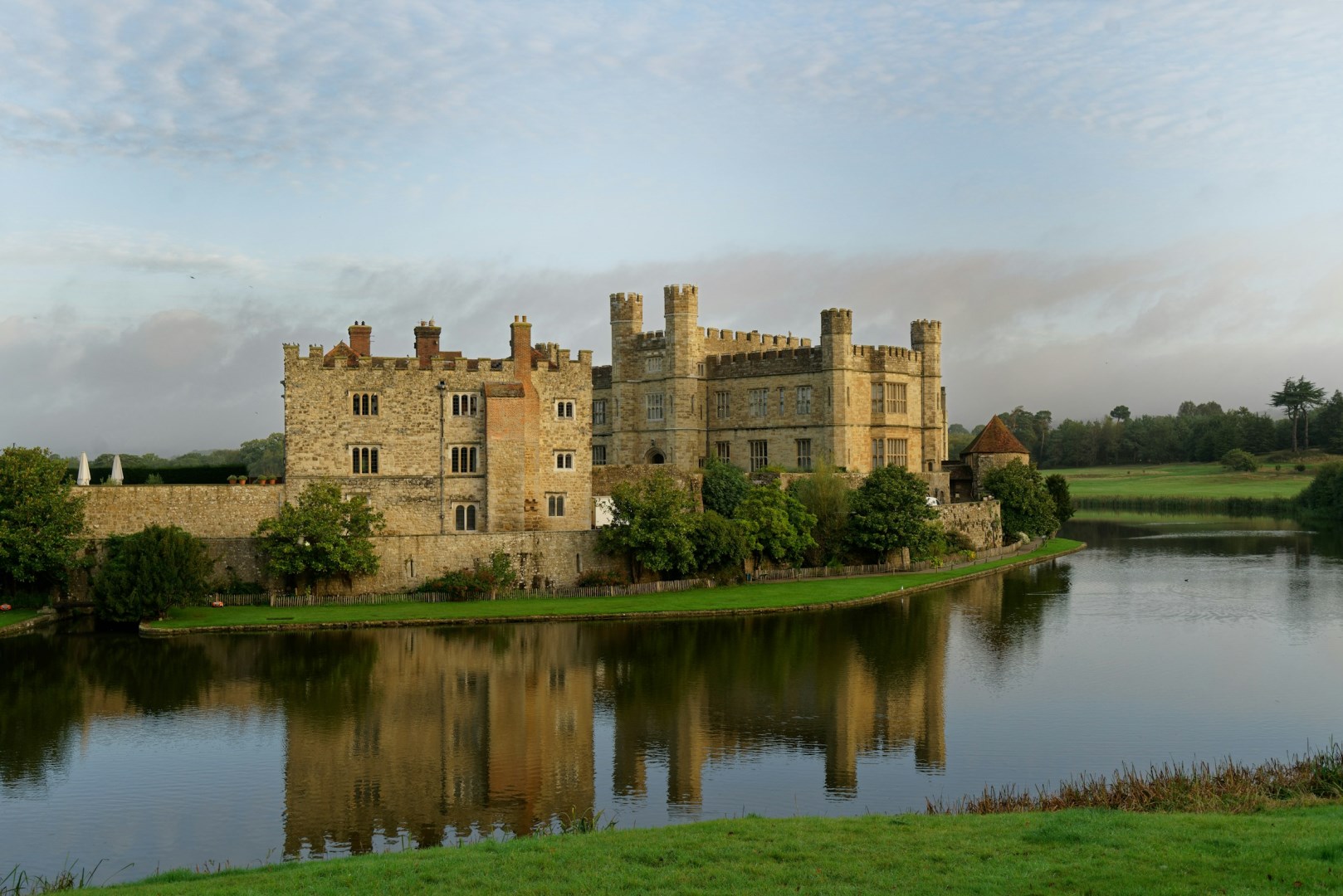
Kent is a county in southeastern England, stretching from the edge of Greater London to the English Channel and the Strait of Dover. Its landscape ranges from the chalk cliffs of the coast and the wooded High Weald to orchards, hop gardens, farmland, and river valleys. Canterbury, Dover, Maidstone, and Royal Tunbridge Wells are among its principal towns, while smaller settlements such as Rye Harbour and Broadstairs contribute distinct coastal and rural character.
Tobago Cays
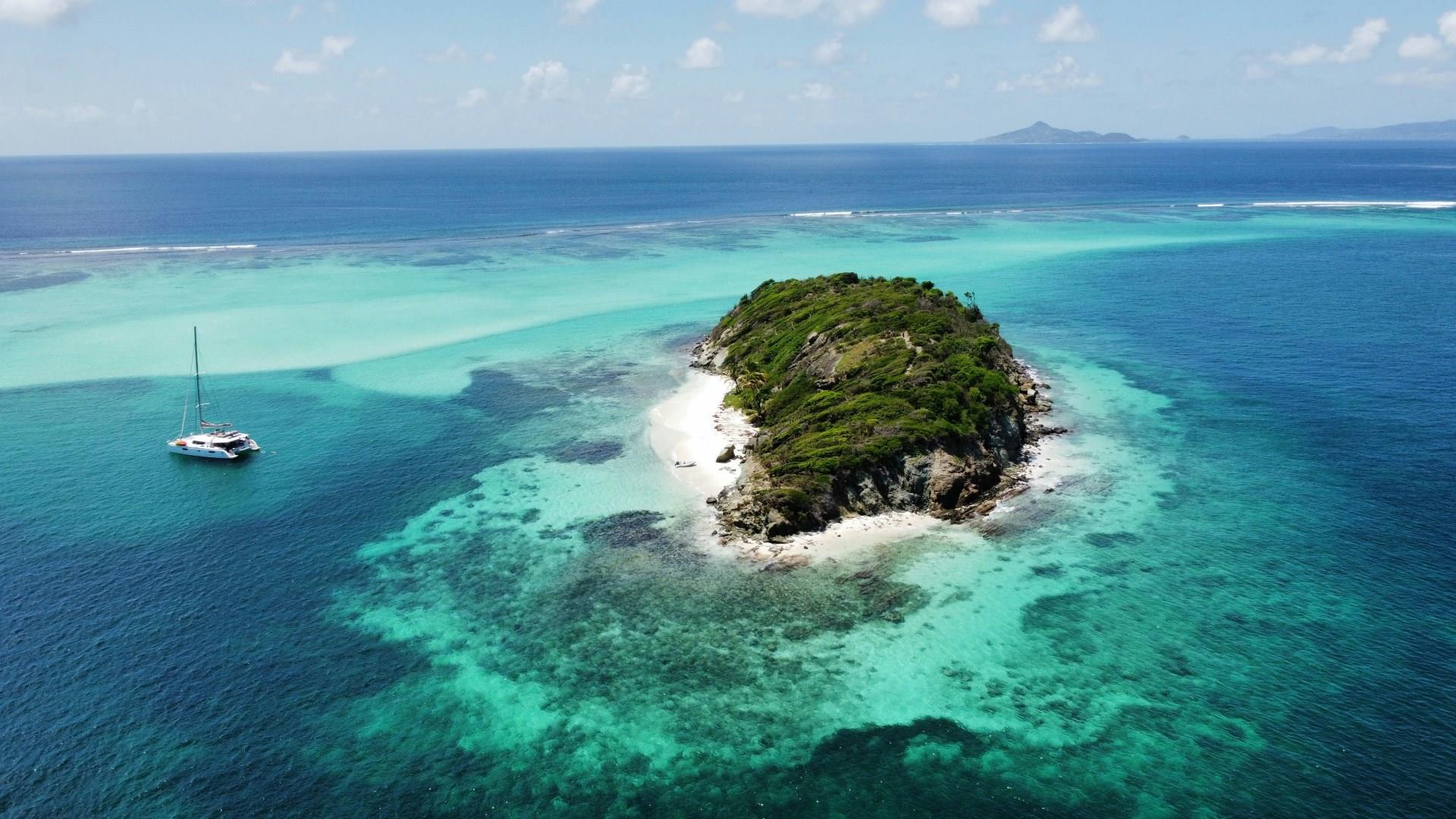
The Tobago Cays are a small cluster of uninhabited islands and reefs in the Southern Grenadines, known for their crystalline waters, coral formations, and vibrant marine life.
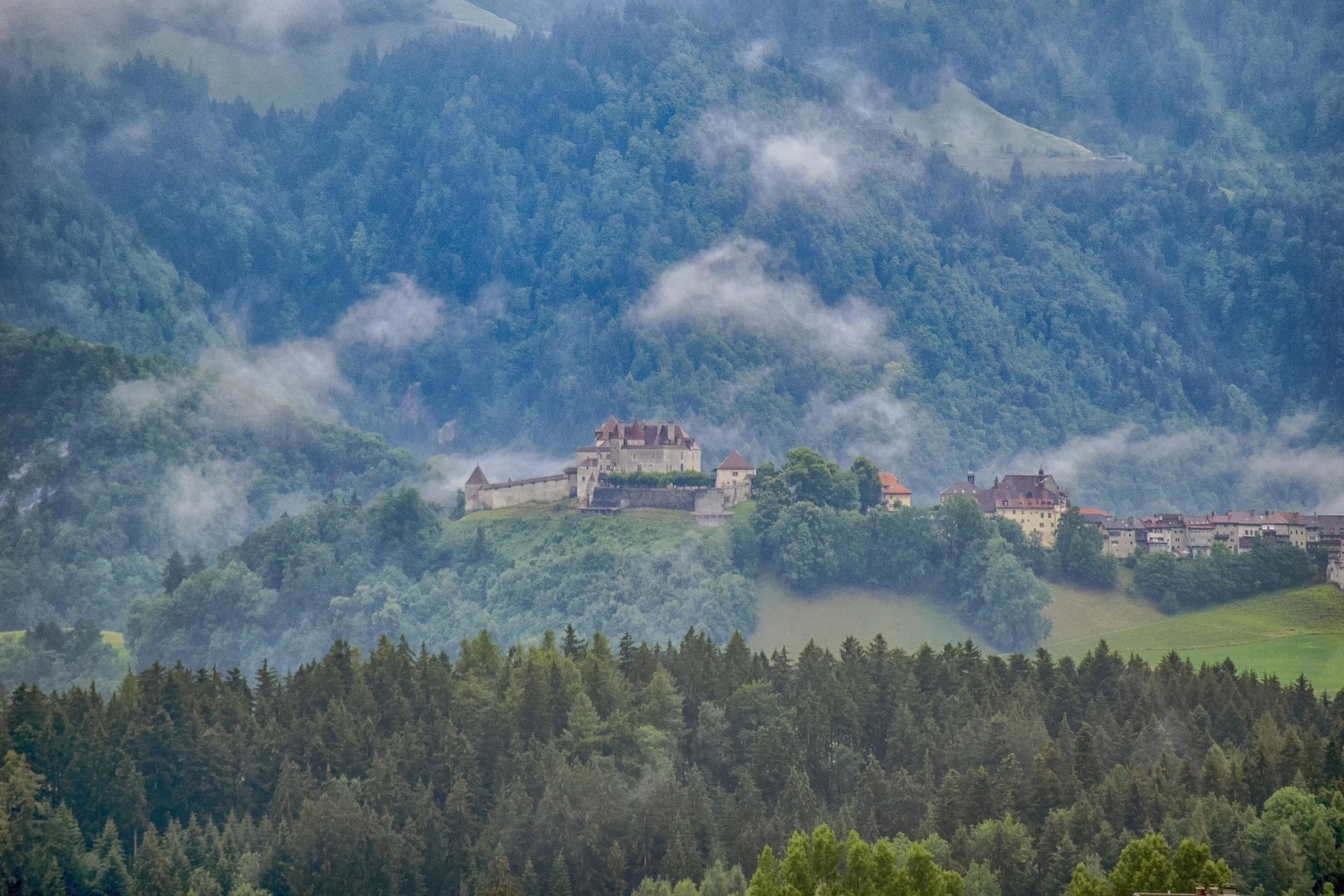
Gruyère
A district of west-central Switzerland, famous for its cheese and chocolate.
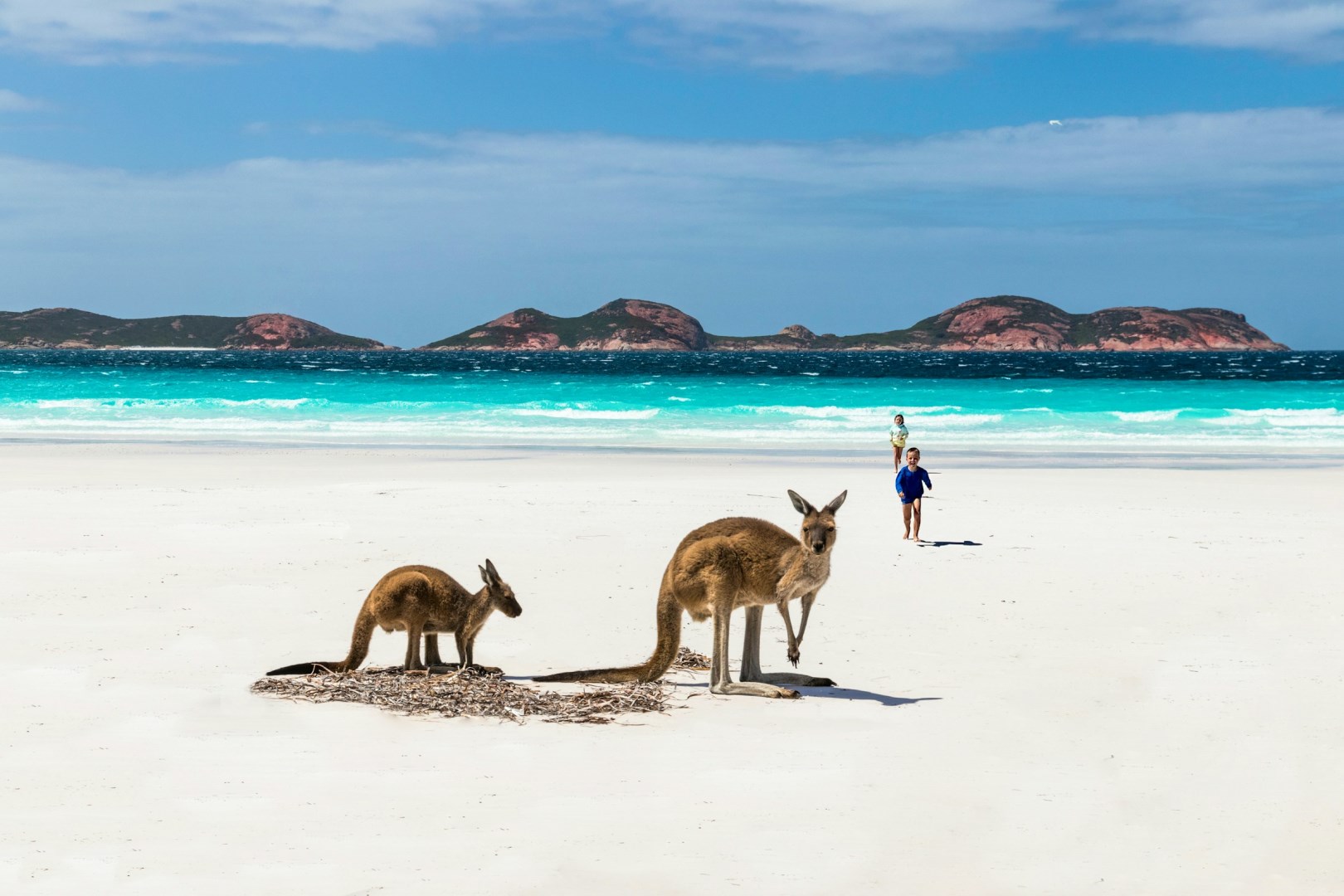
Cape Le Grand National Park
Cape Le Grand National Park lies on the south coast of Western Australia, east of Esperance, where granite peaks, coastal heath, freshwater pools, and white sandy beaches meet the Recherche Archipelago. The park is best known for Lucky Bay, where exceptionally white sand curves around clear turquoise water and kangaroos are often seen resting near the shoreline. Its remote coastal setting also supports a range of outdoor activities, including swimming, fishing, camping, kayaking, and bushwalking