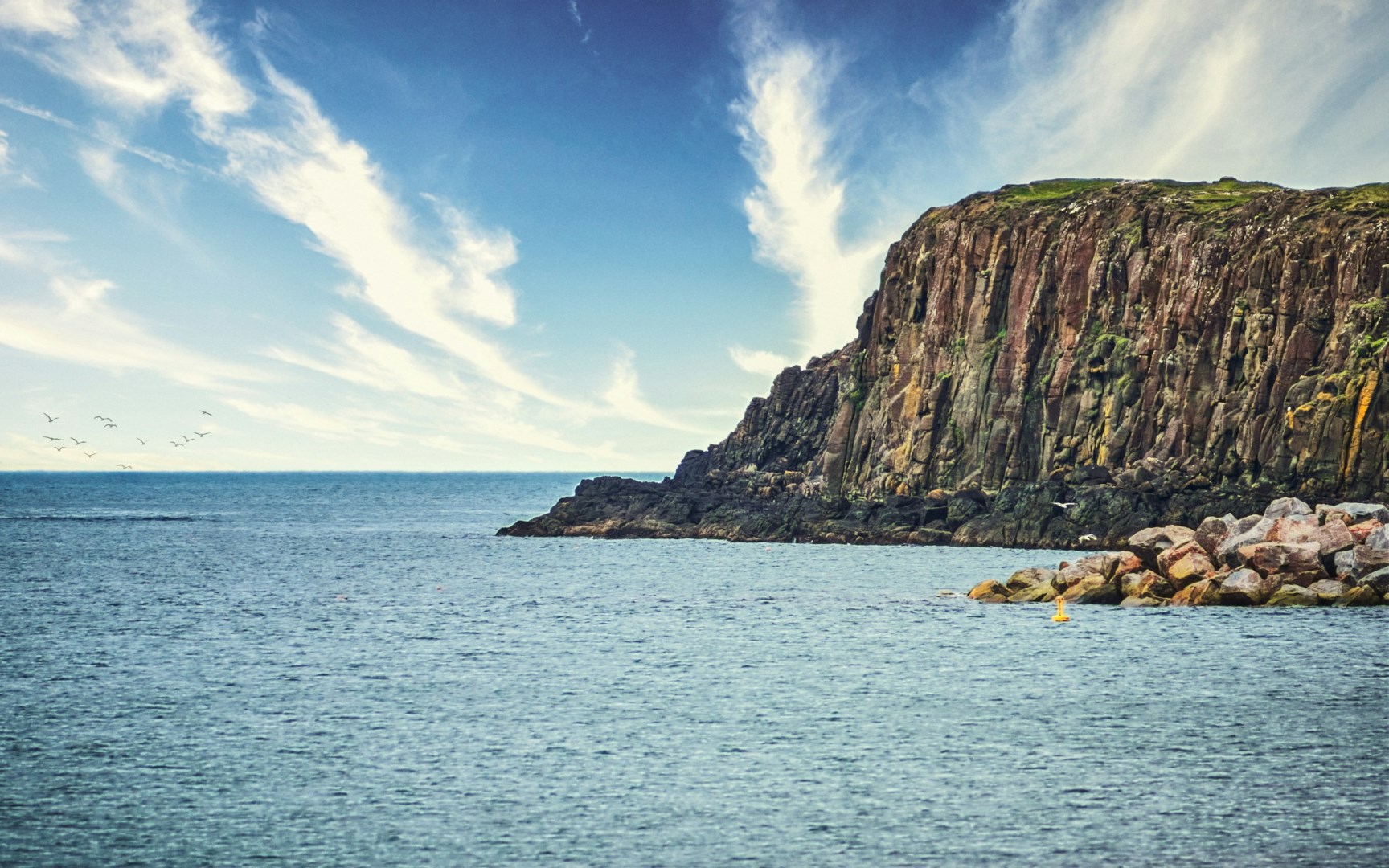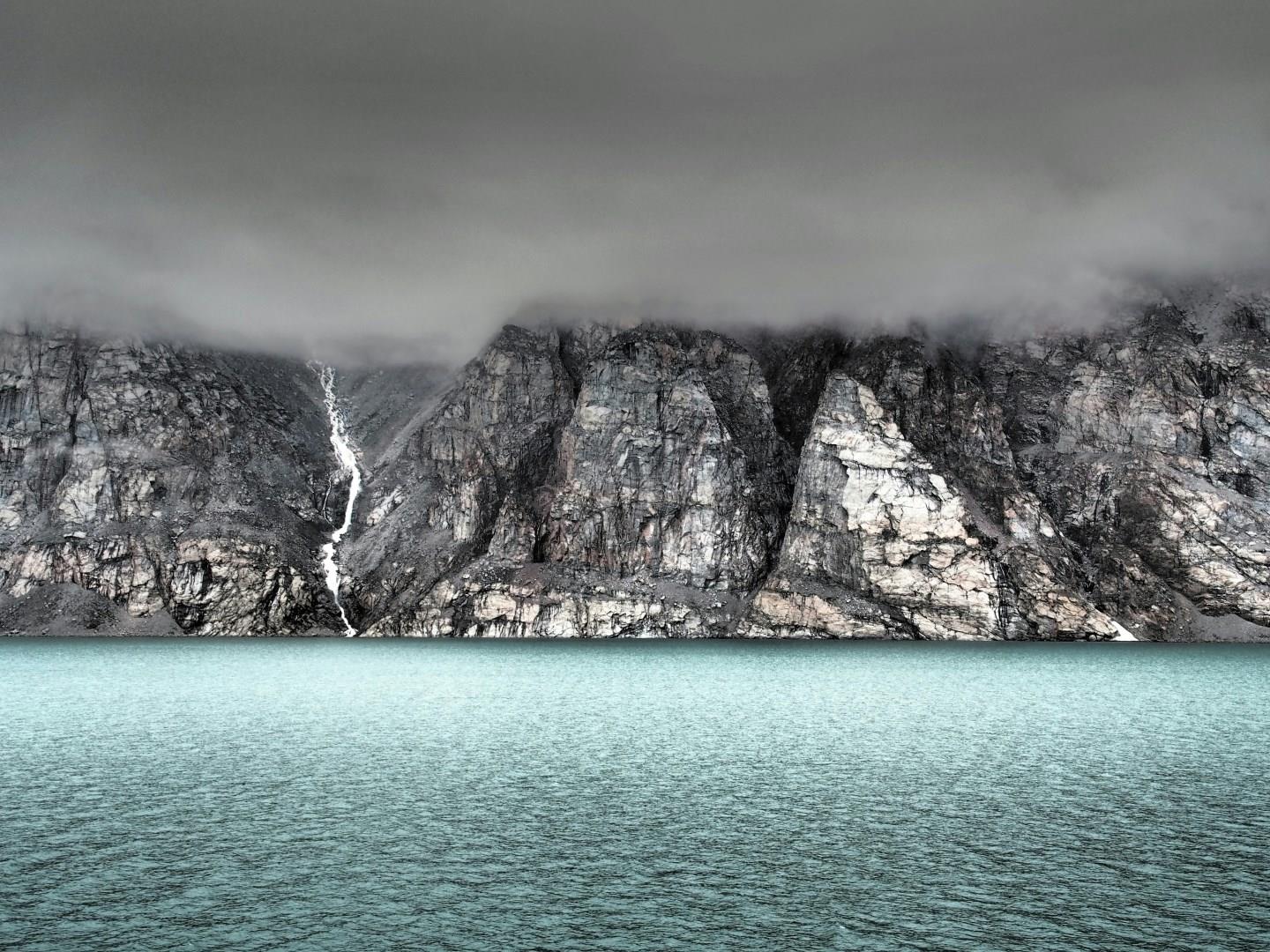
Byron Bay lies on the far north coast of New South Wales, Australia, where wide beaches meet the deep blue Pacific and the point of land known as Cape Byron marks the easternmost tip of the mainland. Standing tall above the coastline, the Cape Byron Lighthouse has guided ships since 1901 and now greets walkers and sightseers who take the scenic cliff-top path for views stretching toward whales during their migration season.
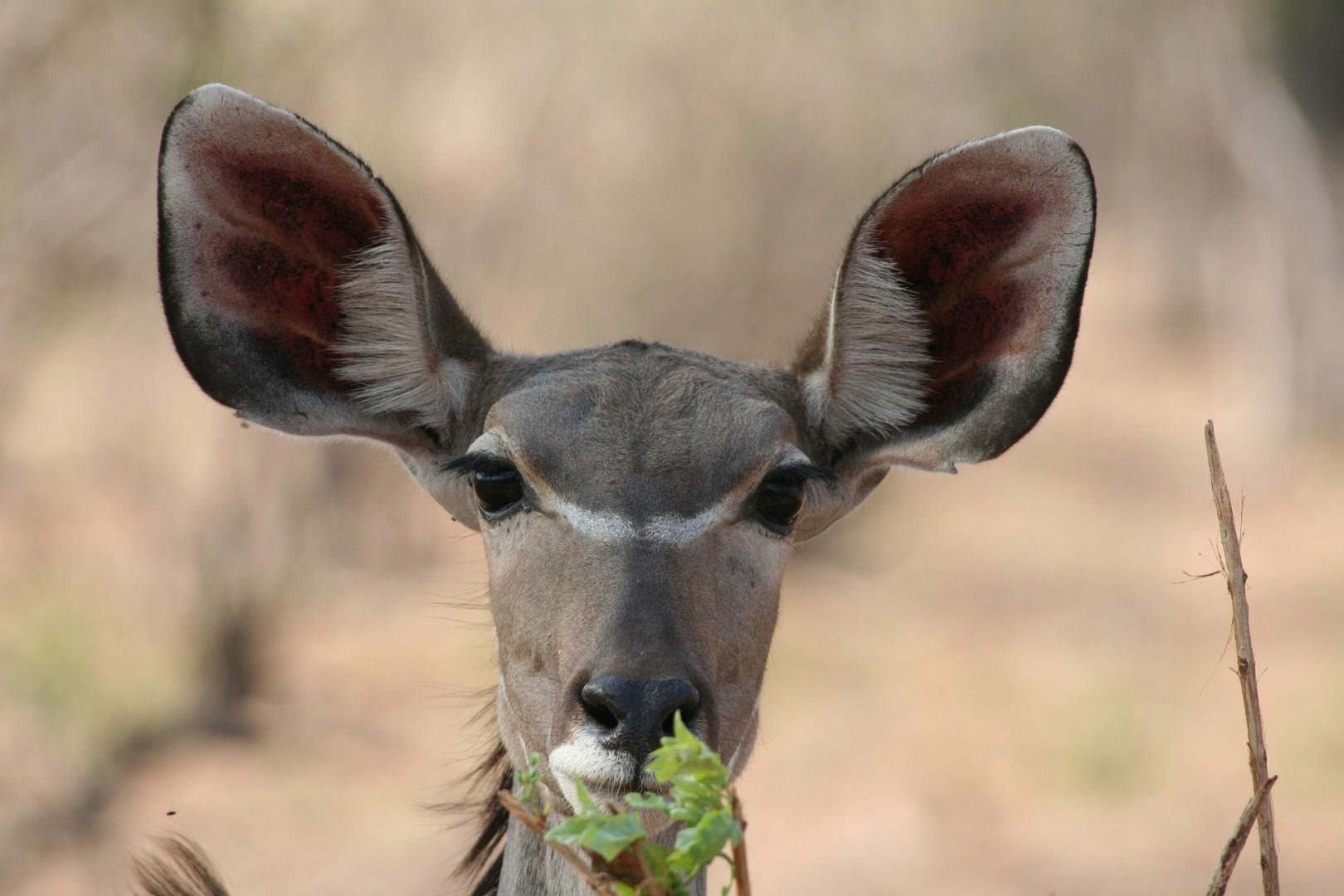
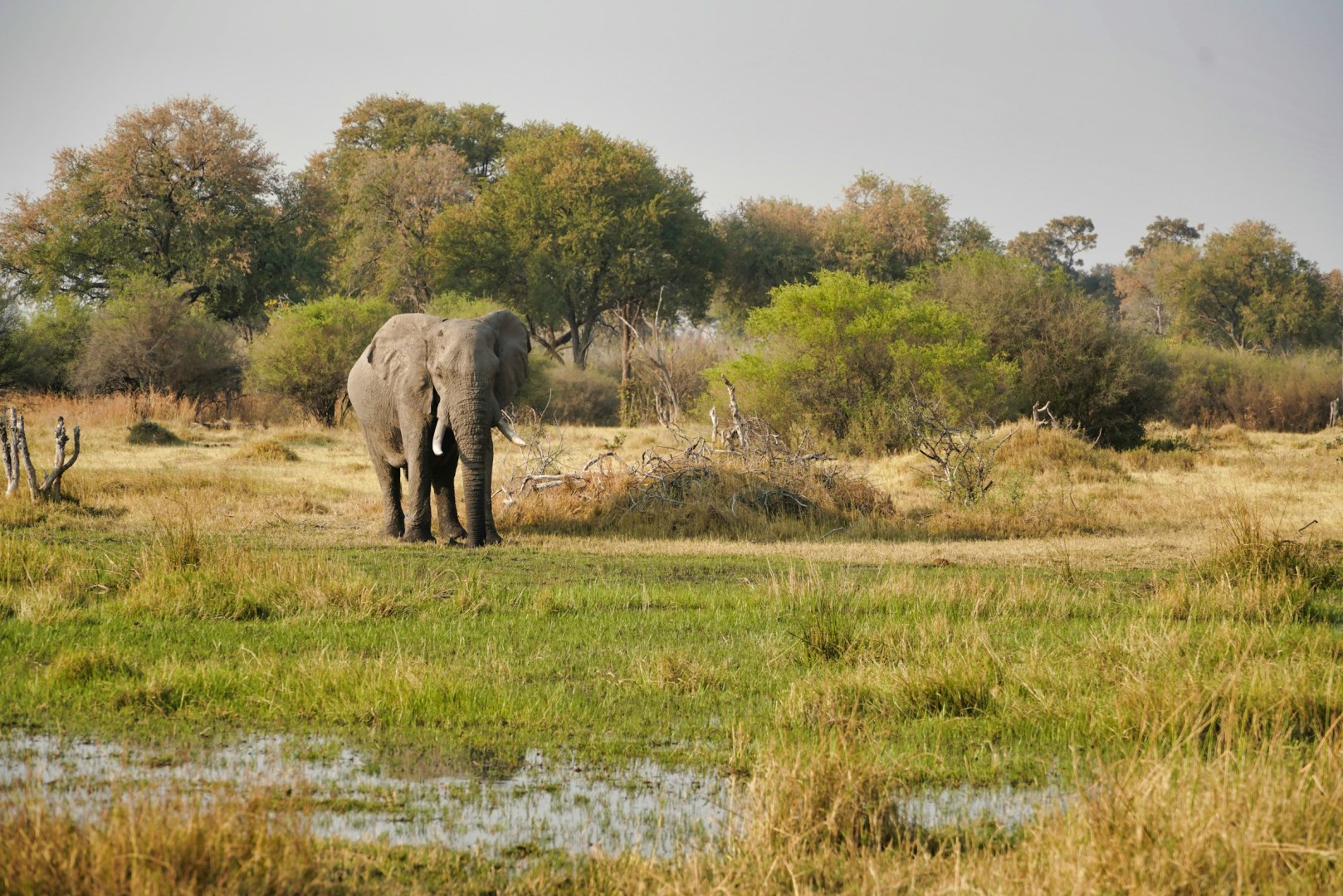
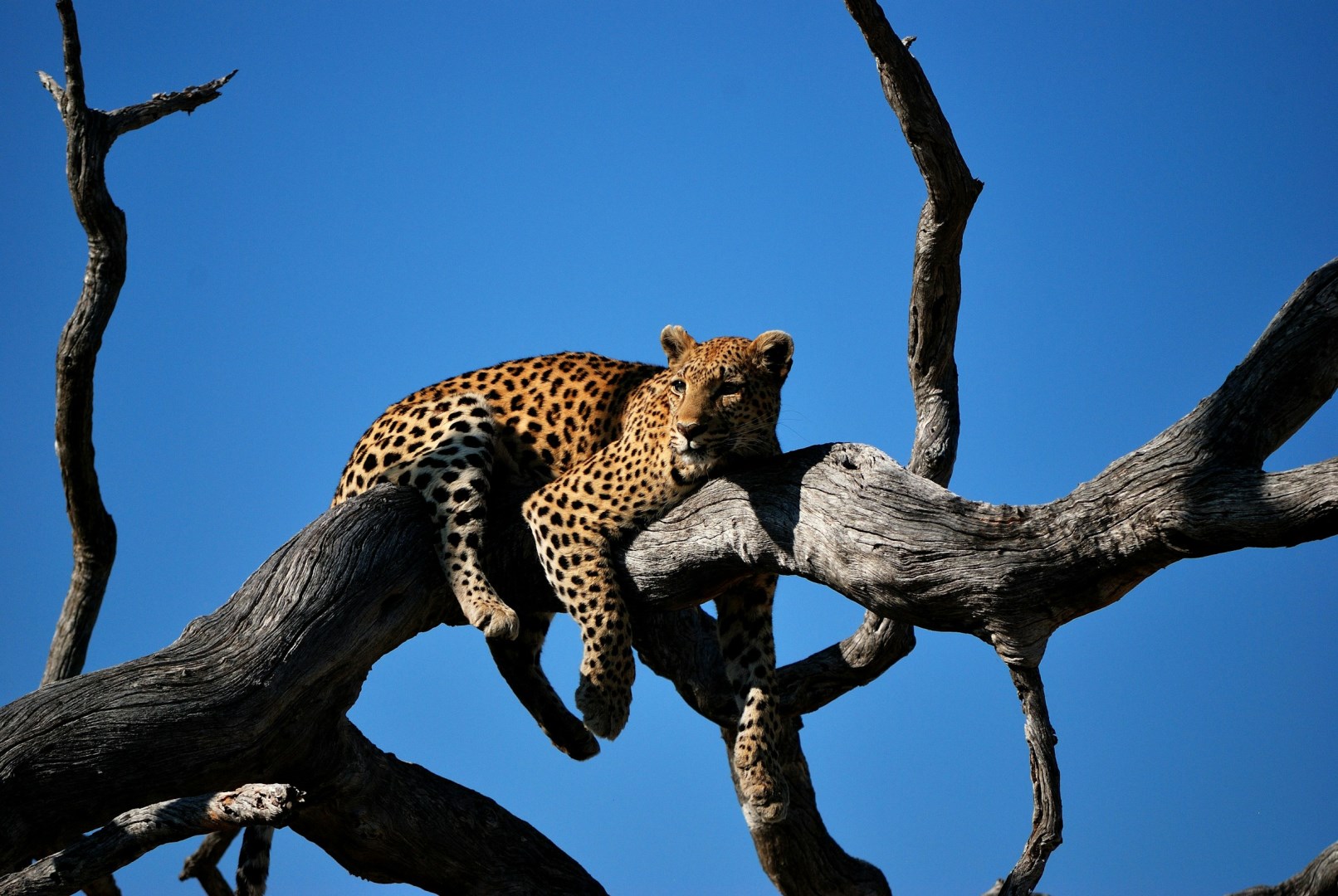
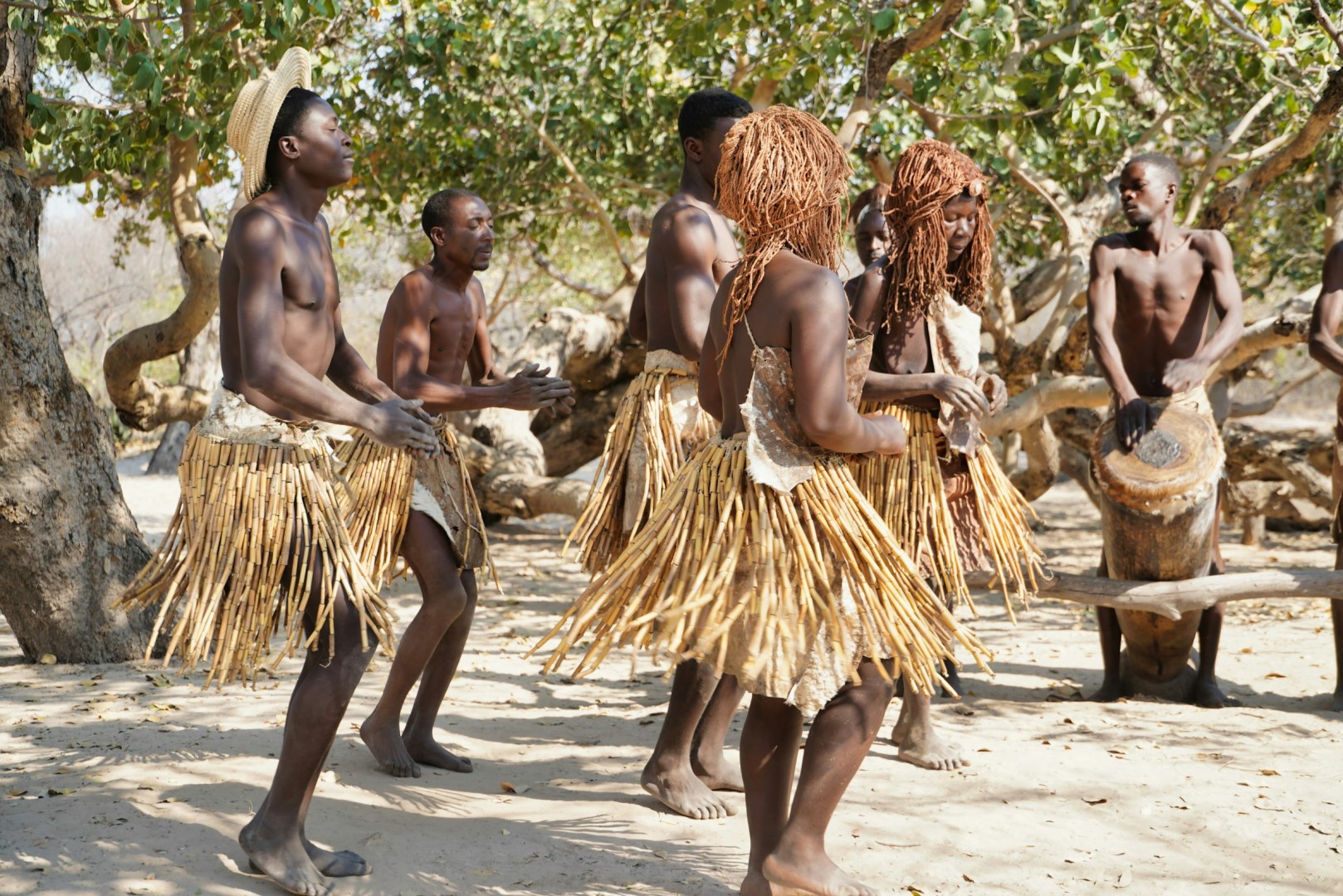
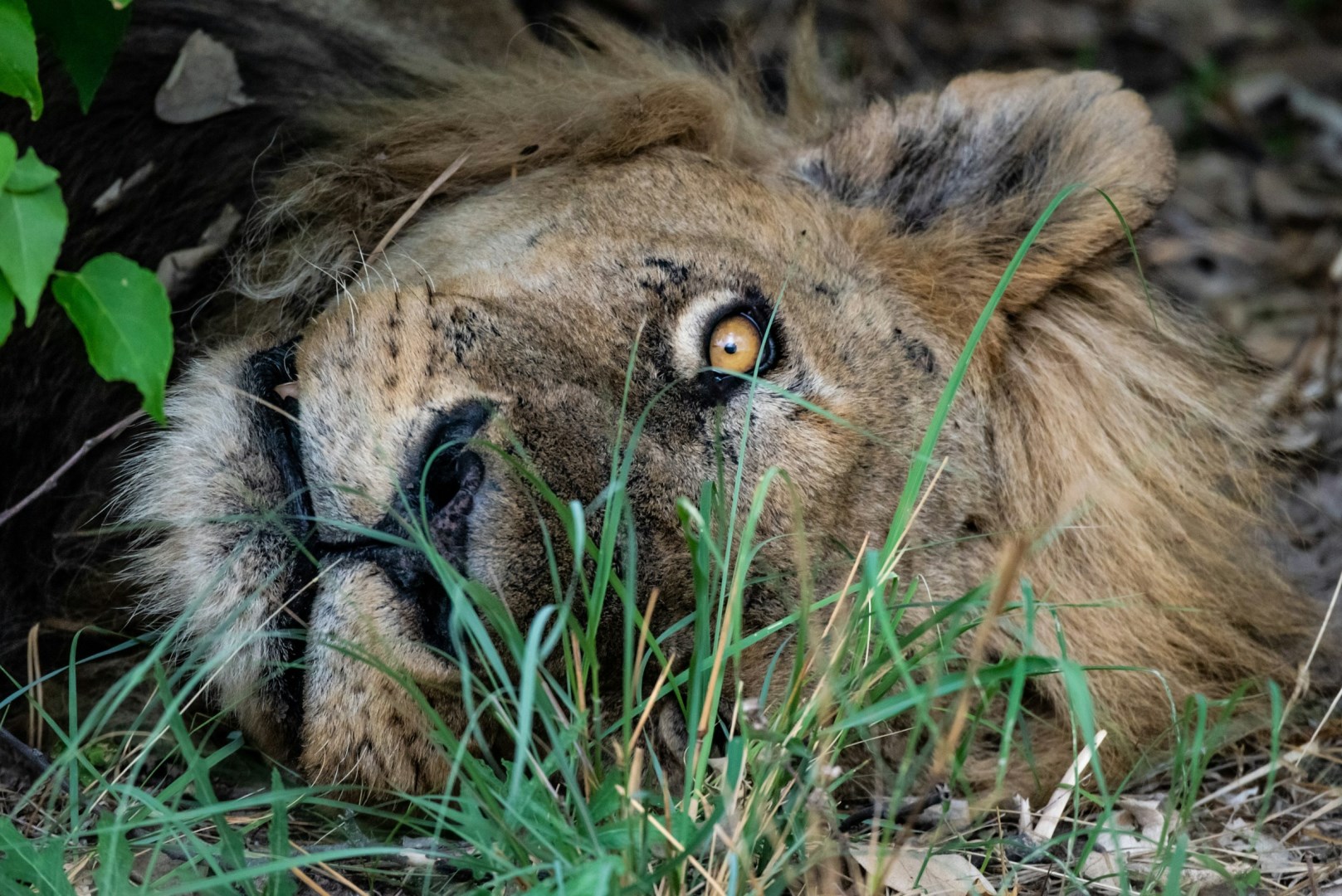
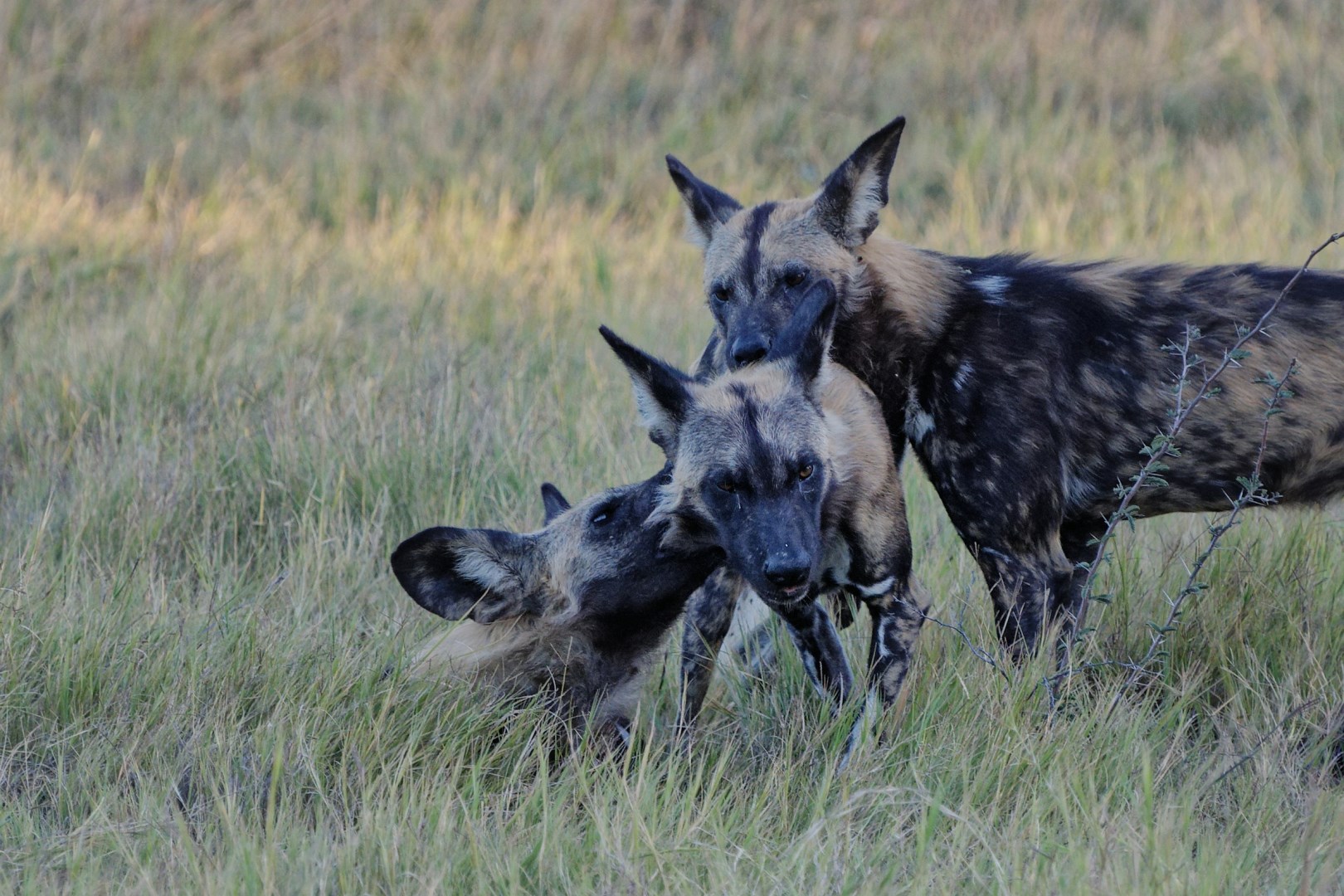
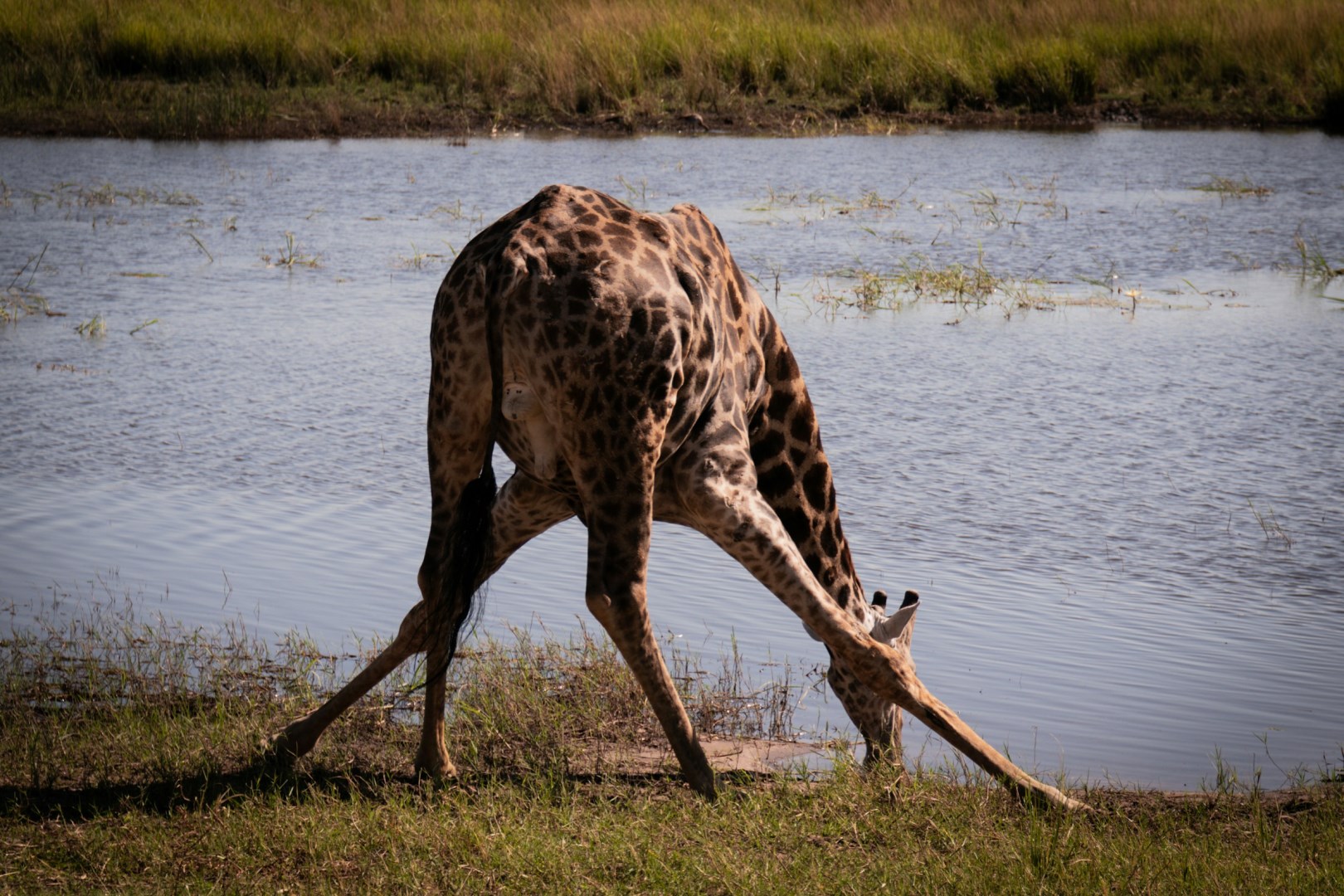
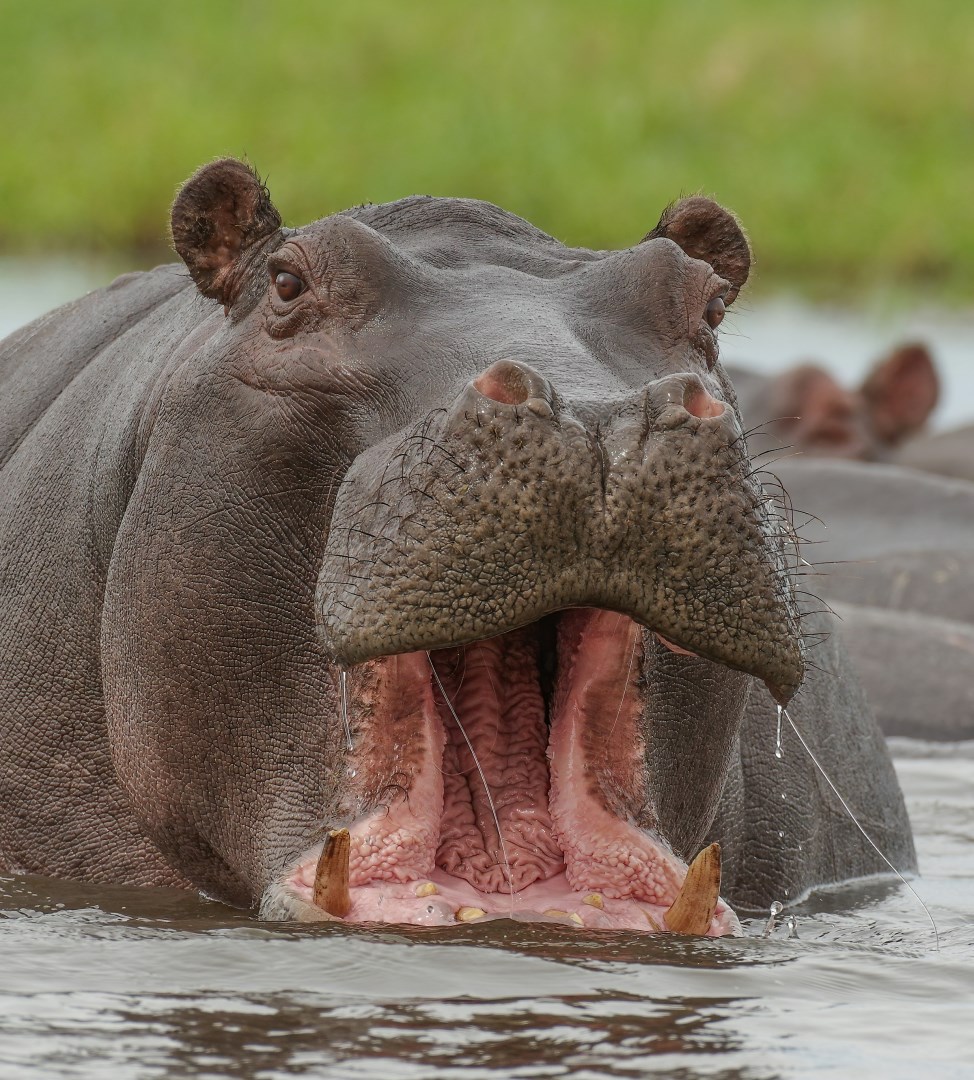
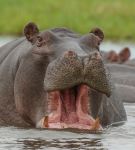
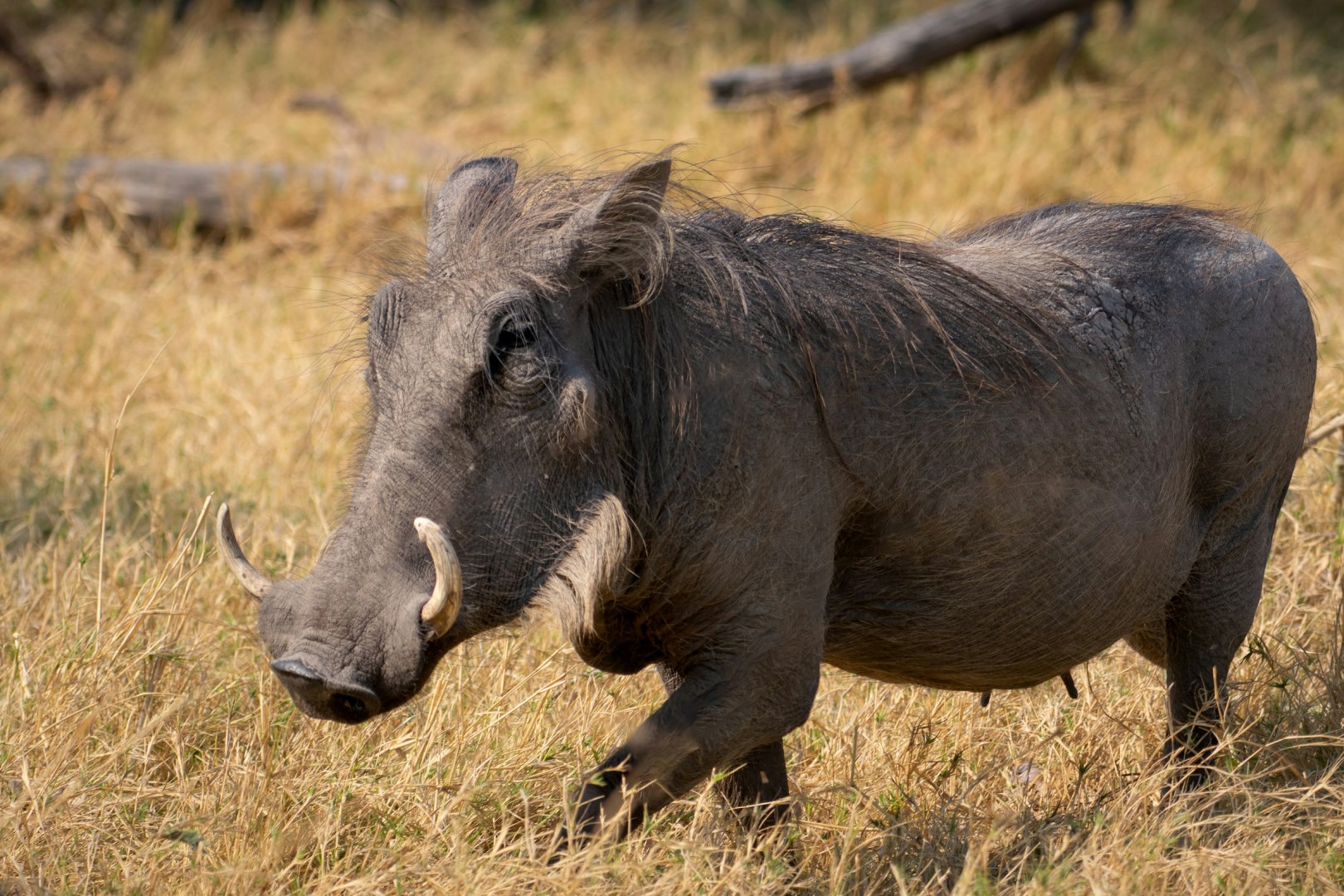
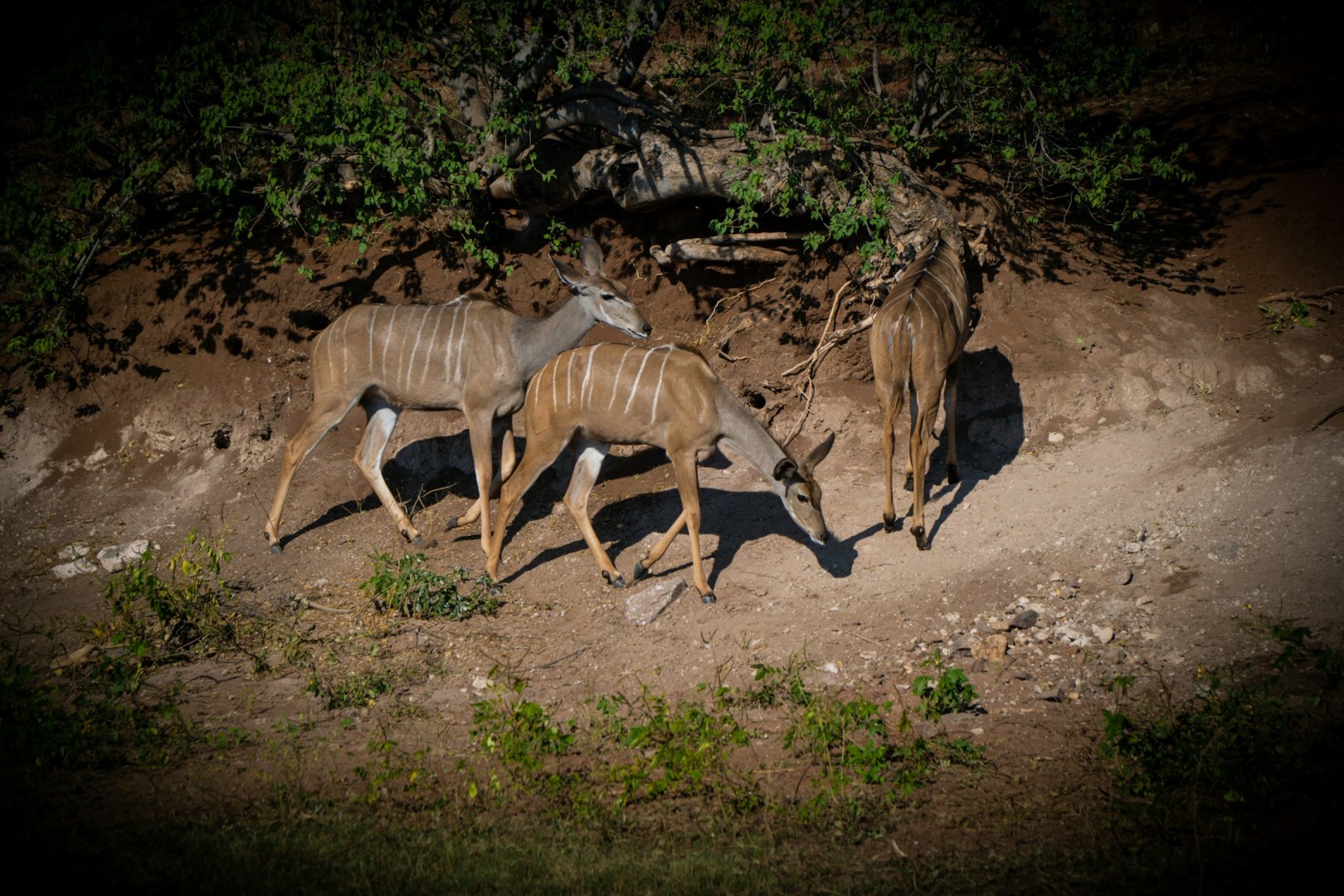
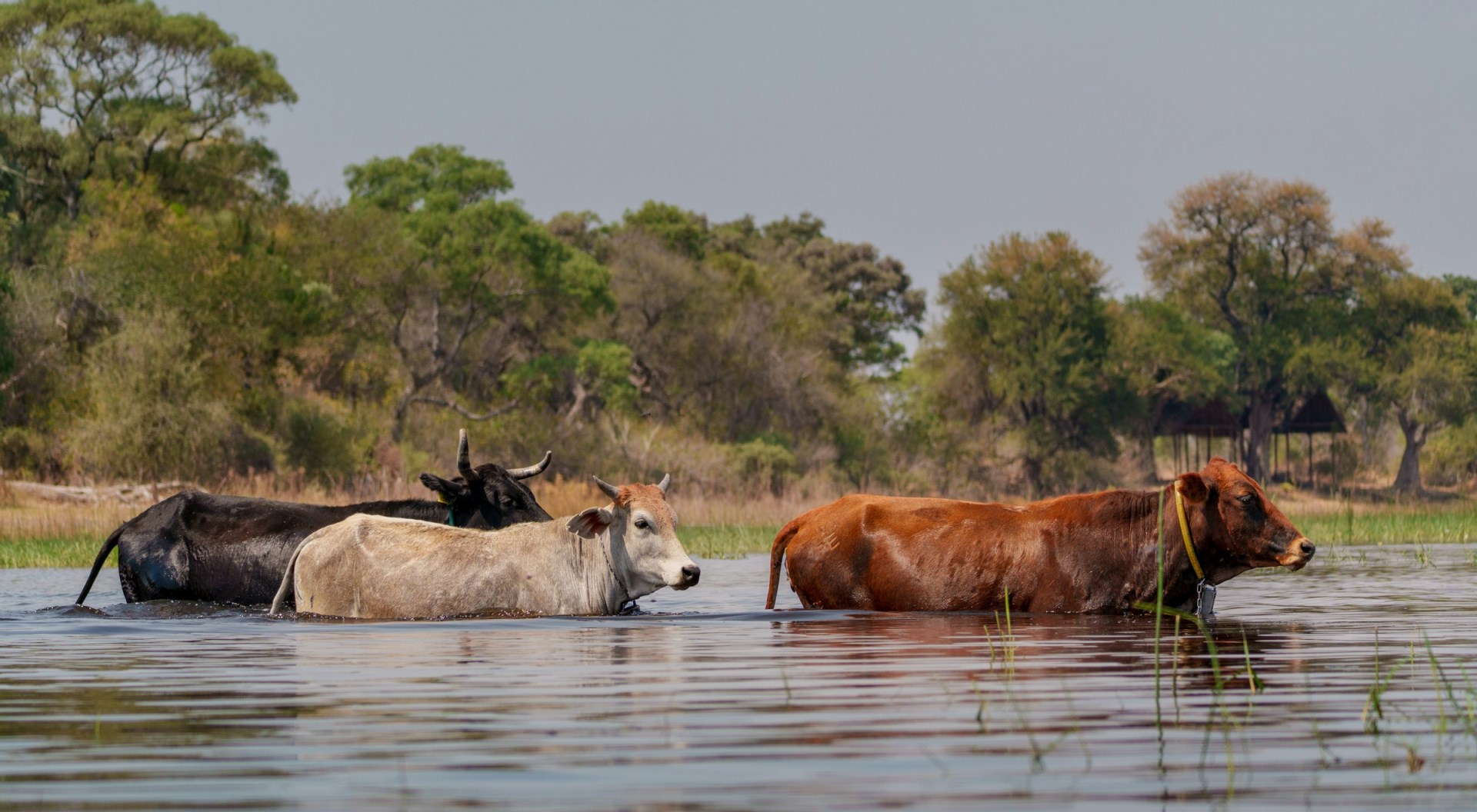
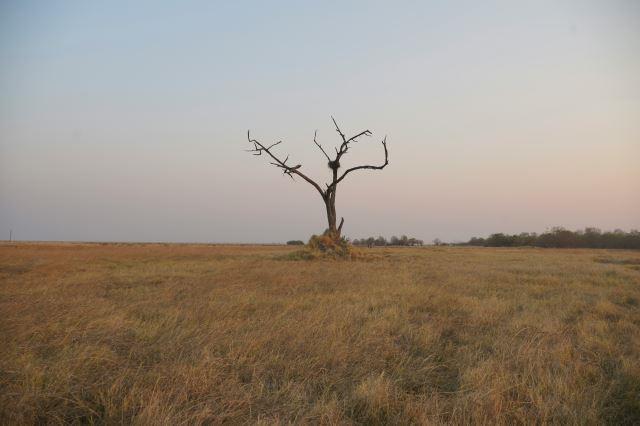
Linyanti Wildlife Reserve, tucked into the northern reaches of Botswana near the Chobe River, is a remote and pristine safari destination known for its rich biodiversity and exclusivity. Covering more than 275,000 acres of wilderness, the reserve is defined by floodplains, lagoons, woodlands, and savannah, creating a mosaic of habitats that sustain an impressive array of wildlife.
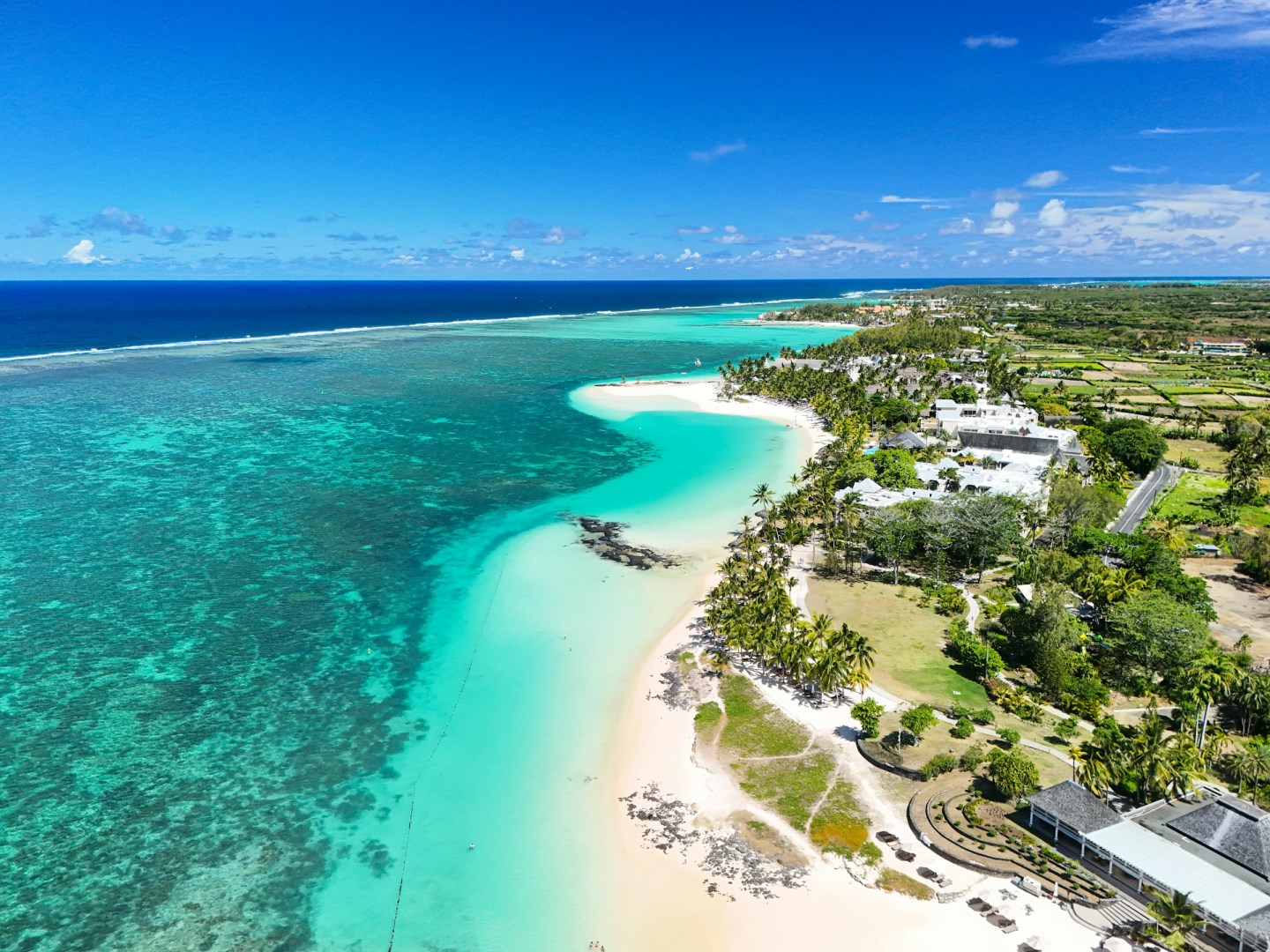
Torremolinos, on Spain’s Costa del Sol, has transformed from a small fishing village into one of the region’s most vibrant seaside towns. Just a short drive from Málaga, it became famous in the mid-20th century as one of the first international beach destinations in Spain, attracting artists, celebrities, and travelers in search of sun and sea.
Located on the north coast of Morocco near the Strait of Gibraltar, Tangier is a cultural capital replete with historic sites, colorful architecture, and splendid beaches. An essential stop is the Ancien Medina, a walled collection of winding streets and alleys filled with cafes and shops leading to the Kasbah, a former palace and mosque that also houses a museum.
Baja California Sur is state located in Northwestern Mexico, on the Baja California peninsula. The capital is La Paz. The area is lightly populated. Tourism is the economic mainstay of this region, centered around the beach resort area, Los Cabos. Sport fishing is a major attraction, as well as having some of the best beaches Baja has to offer.
Photo Credit: Photo by Secret Travel Guide on Unsplash
Photo Credit: Photo by Ed Wingate on Unsplash
Photo Credit: Photo by Sam Goodgame on Unsplash
Photo Credit: Photo by Colin Watts on Unsplash
Photo Credit: Photo by Maria Baltazzi on Unsplash
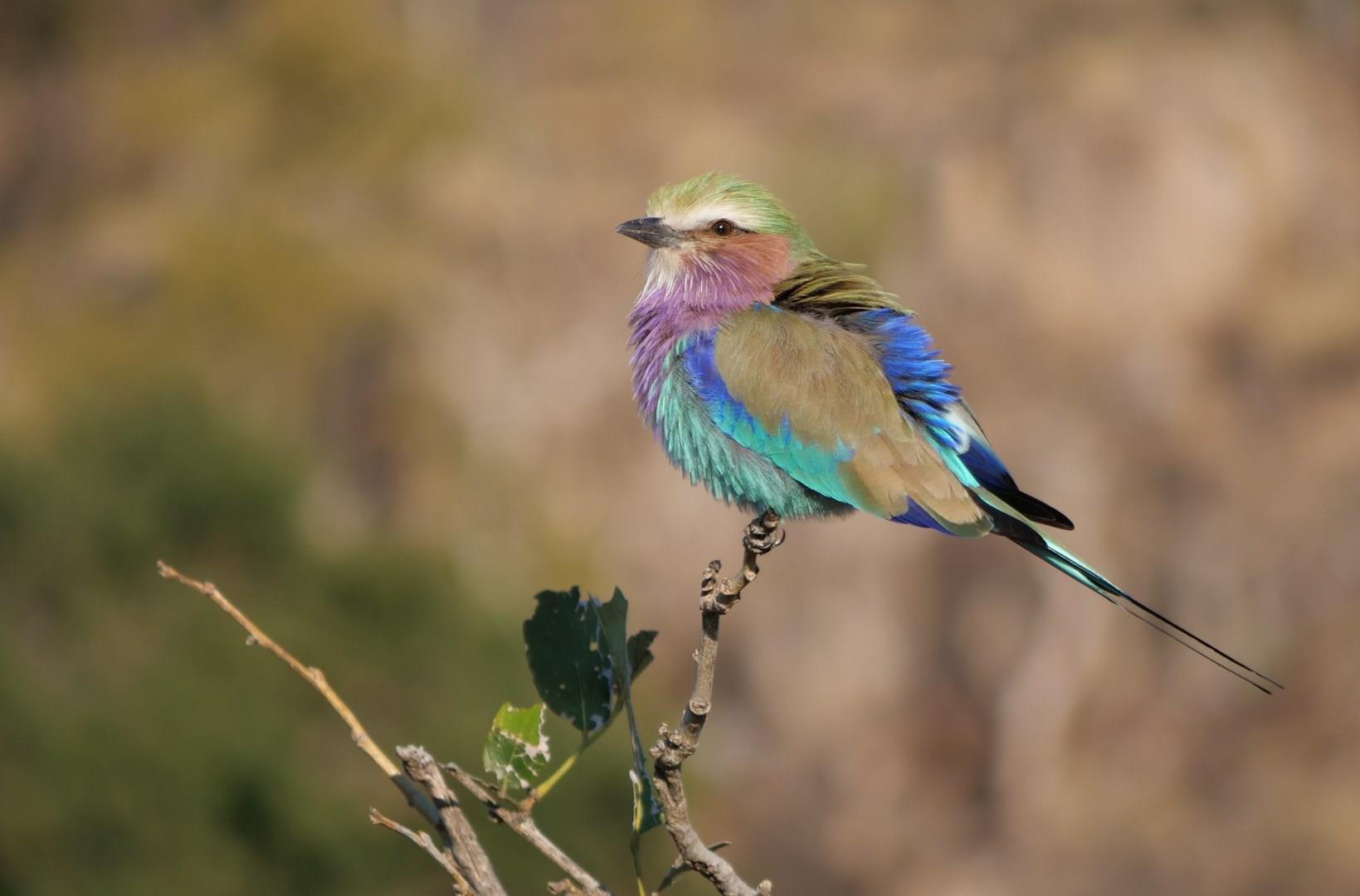
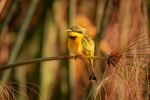
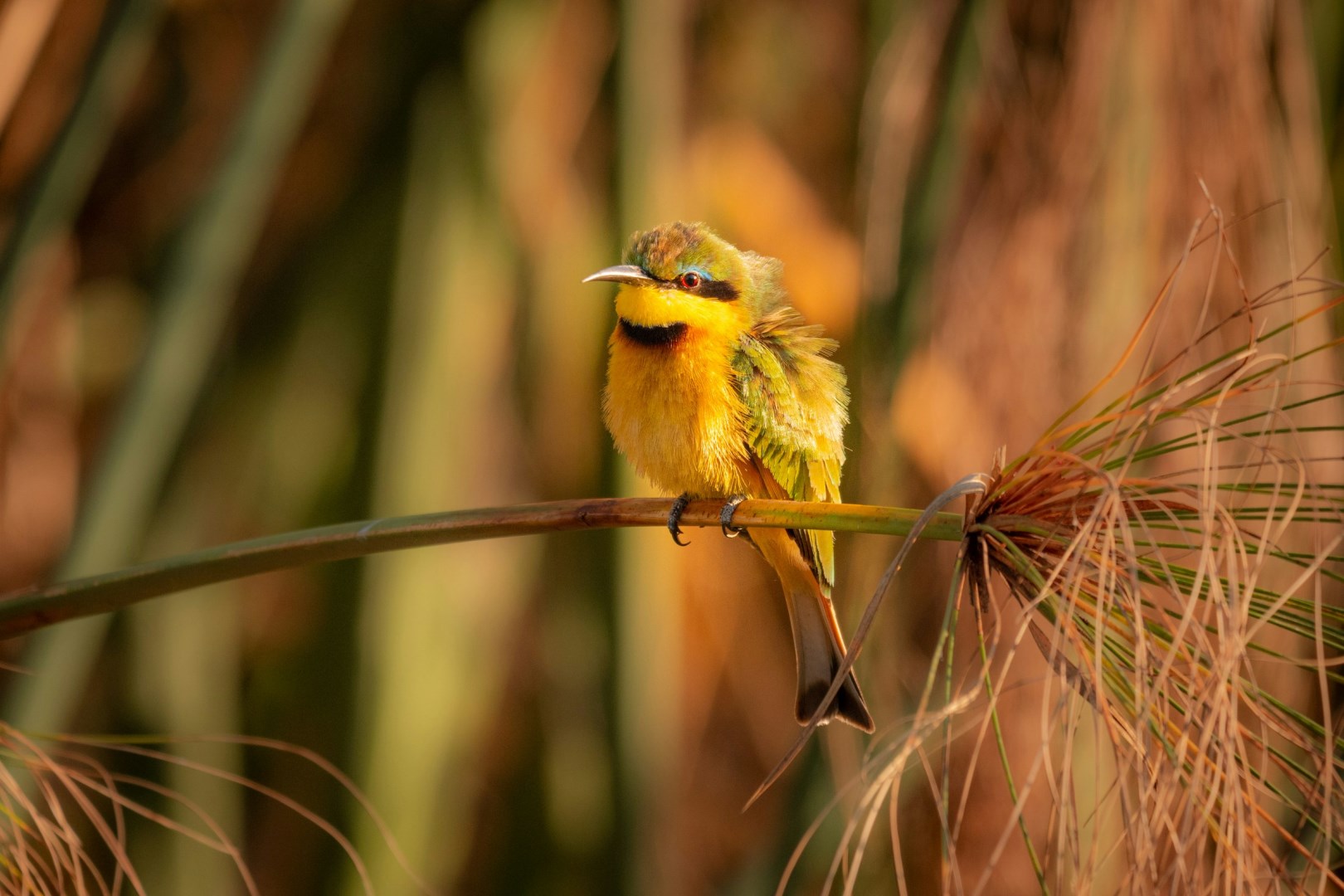
Little Bee-eater
Photo Credit: Photo by Chris Stenger on Unsplash
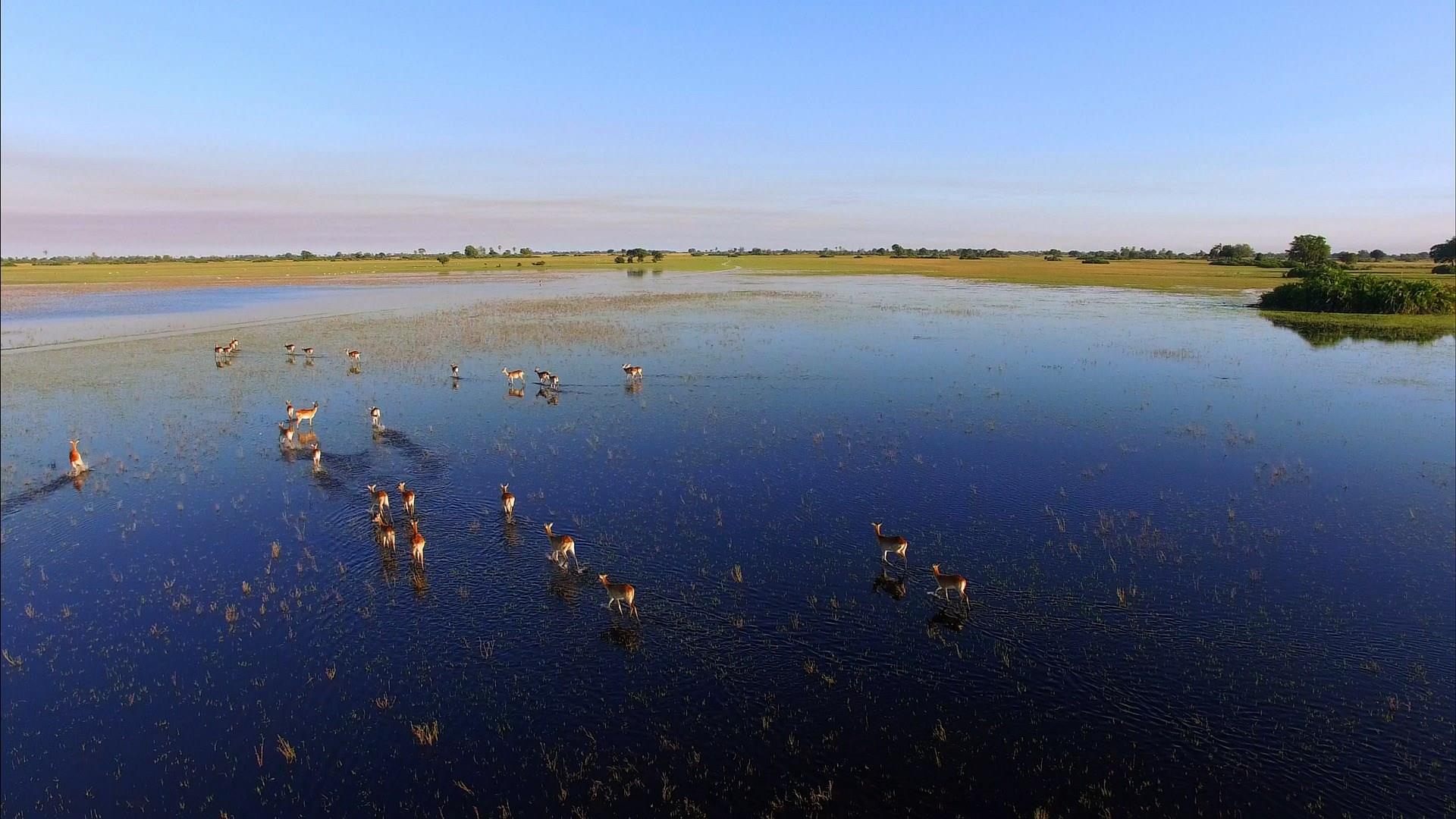
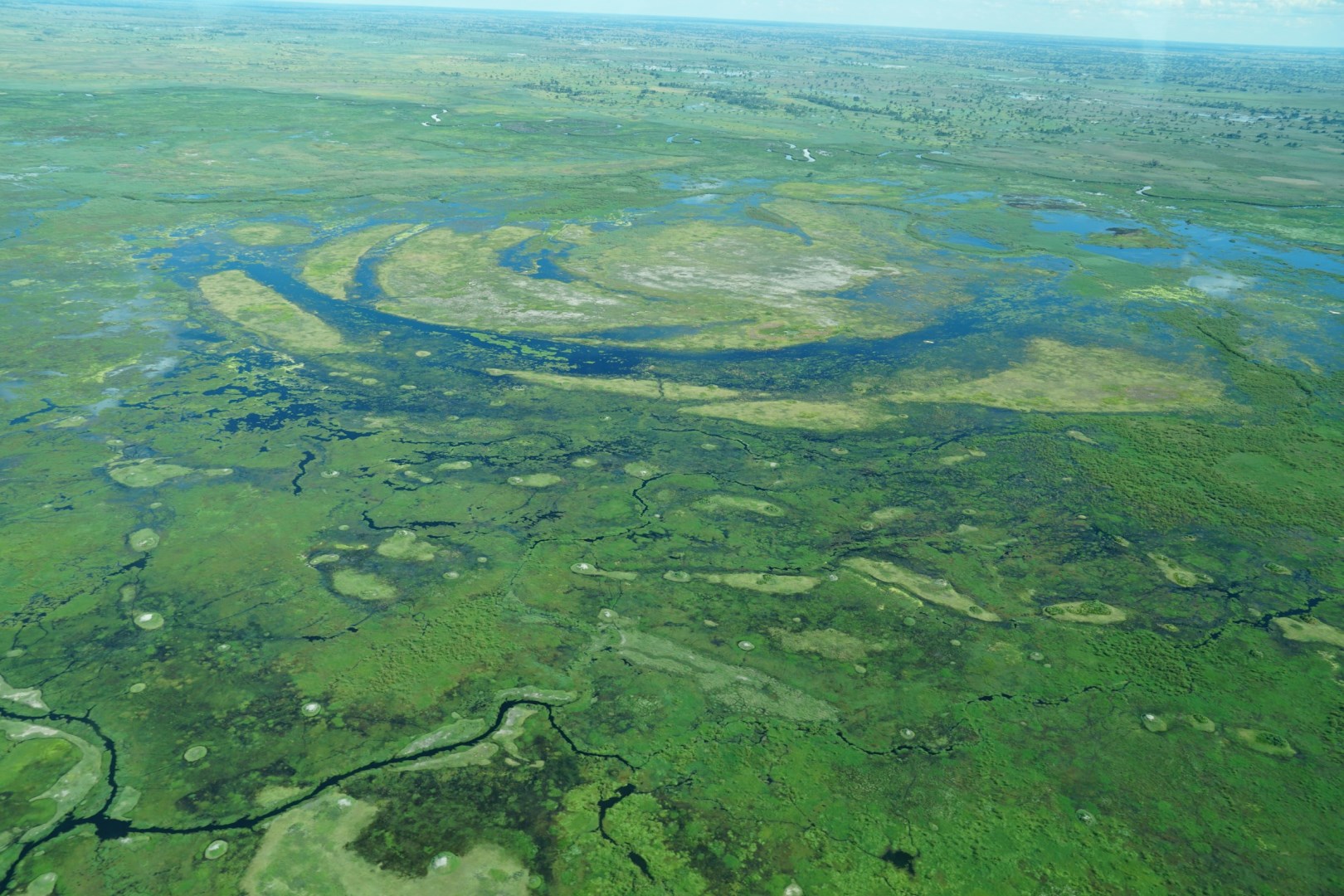
Aerial View
Photo Credit: Photo by Sheila C on Unsplash
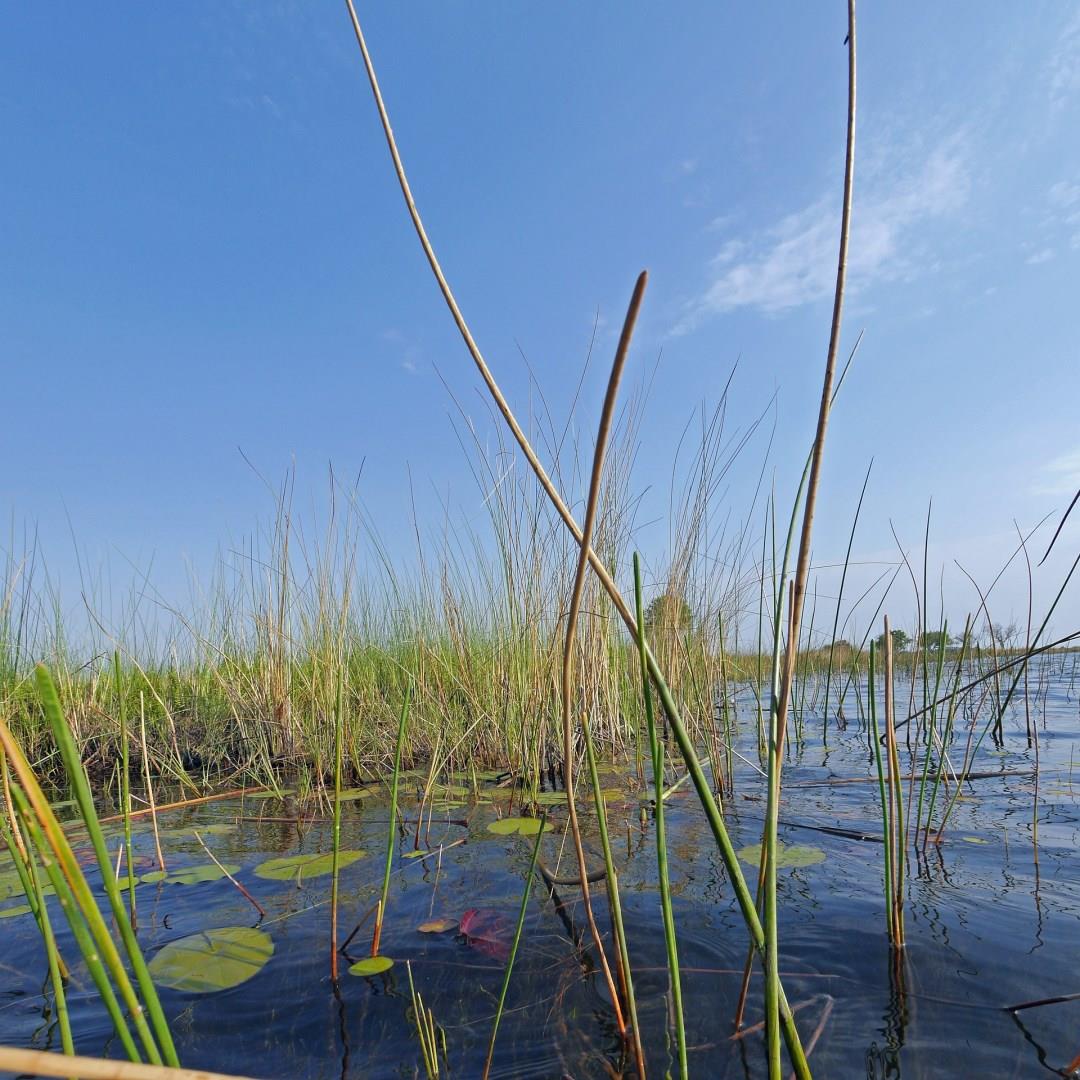
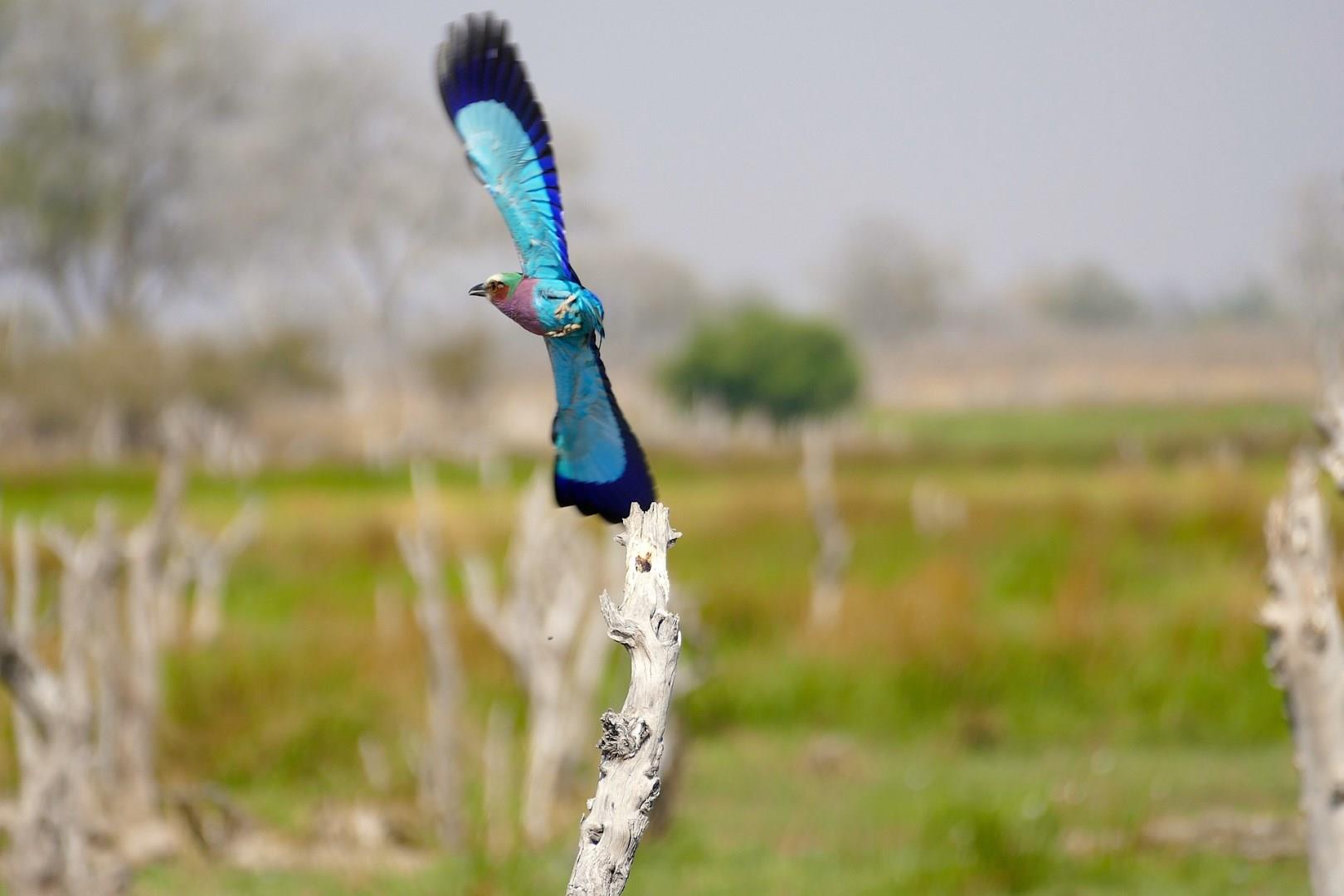
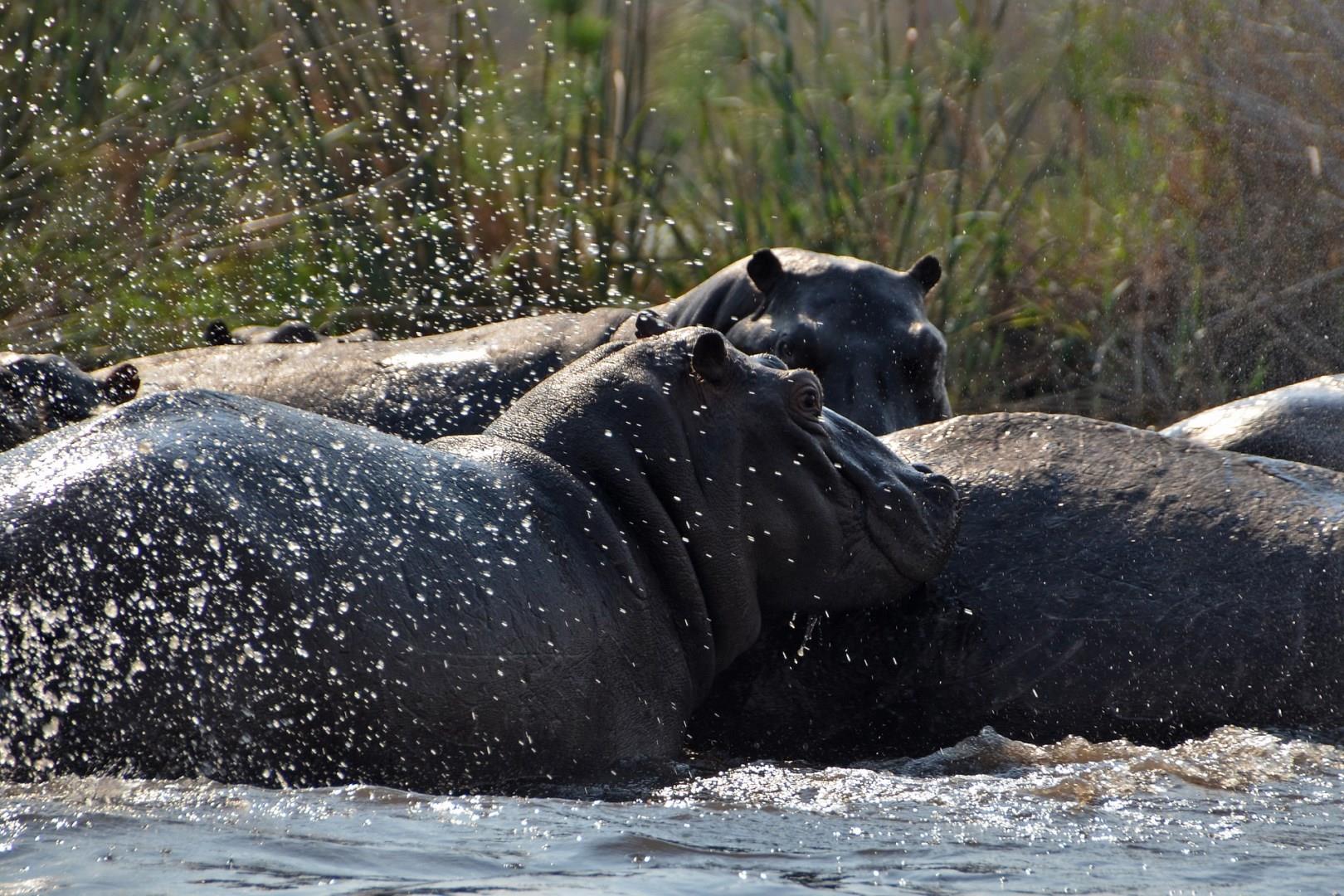
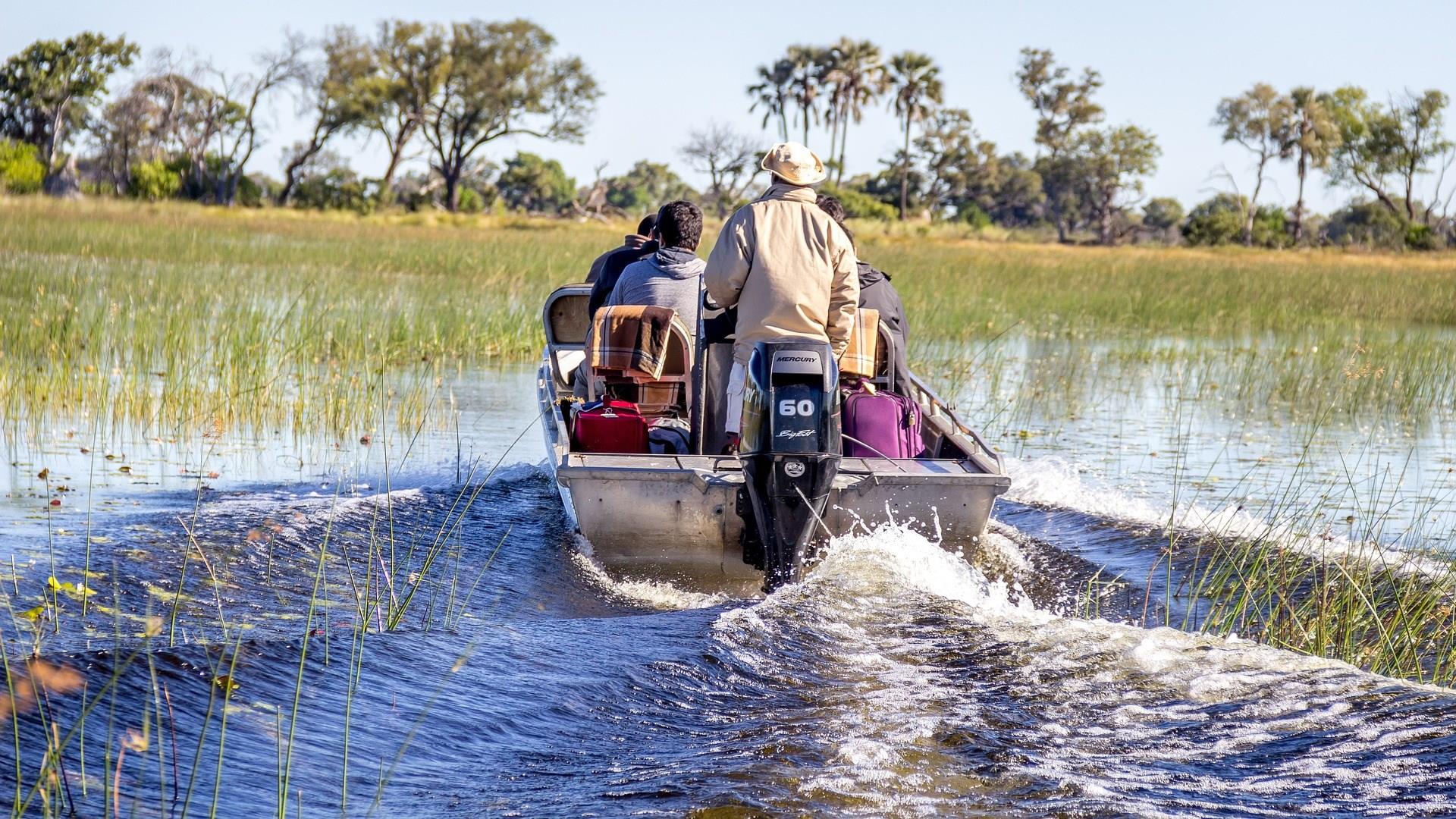
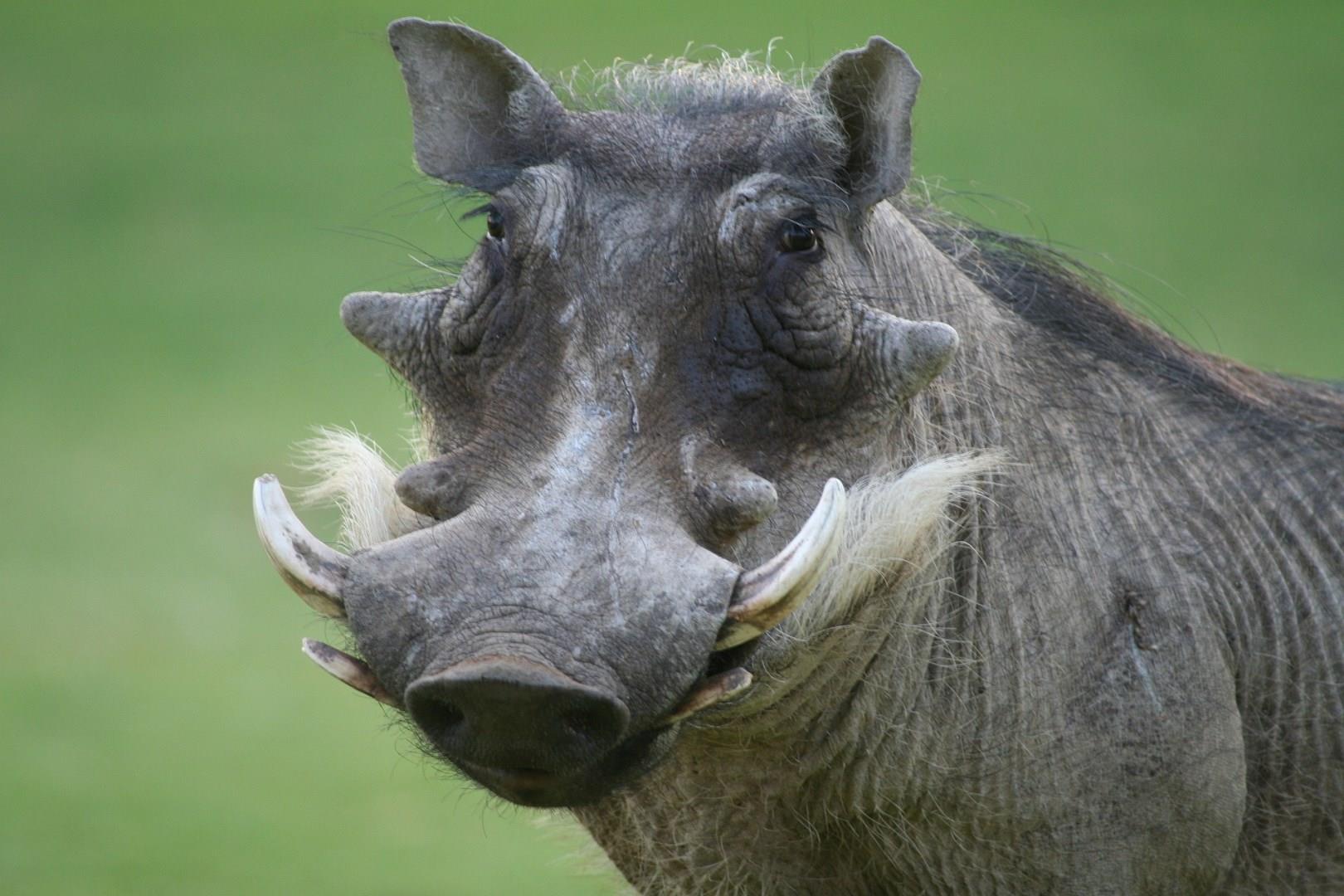
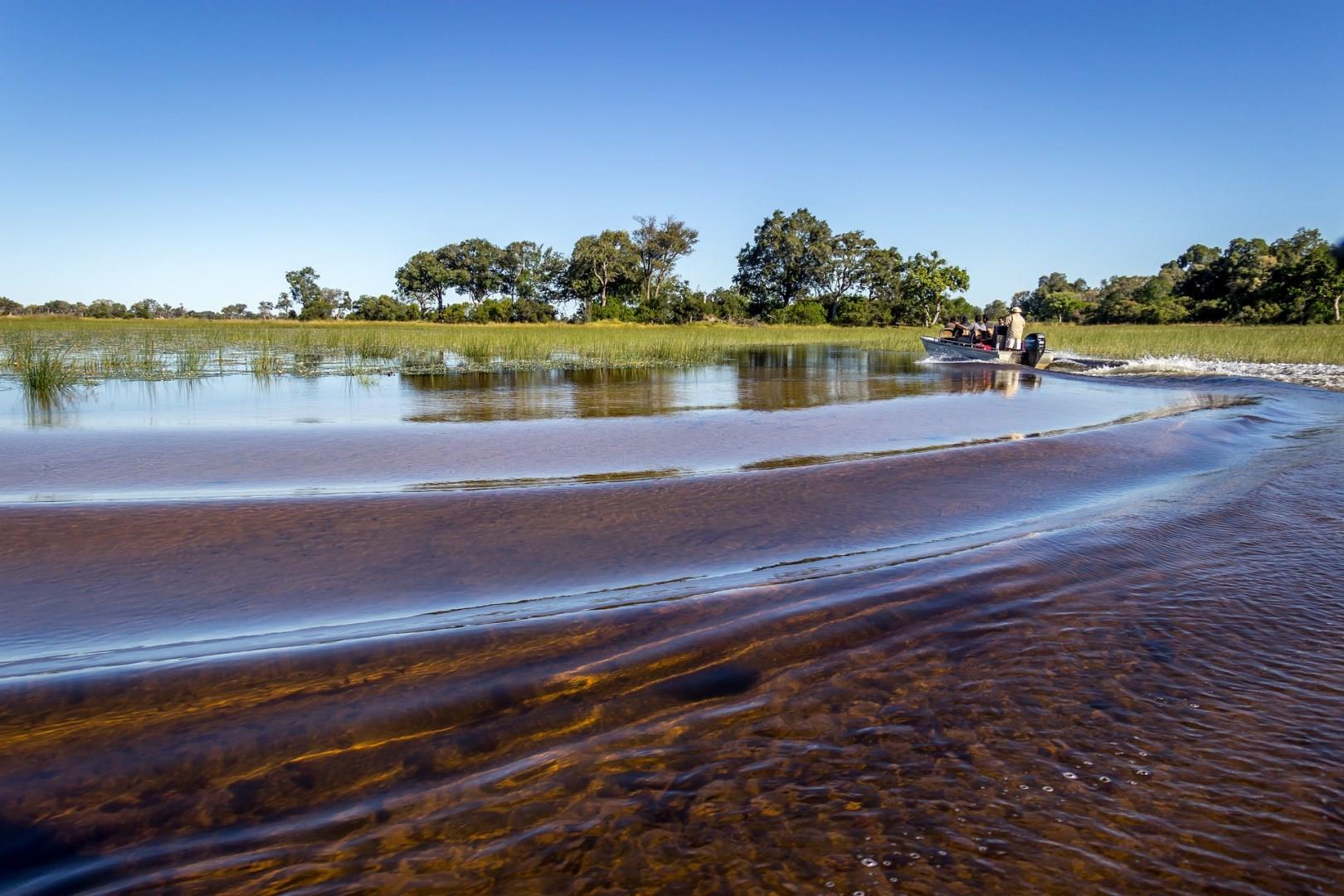
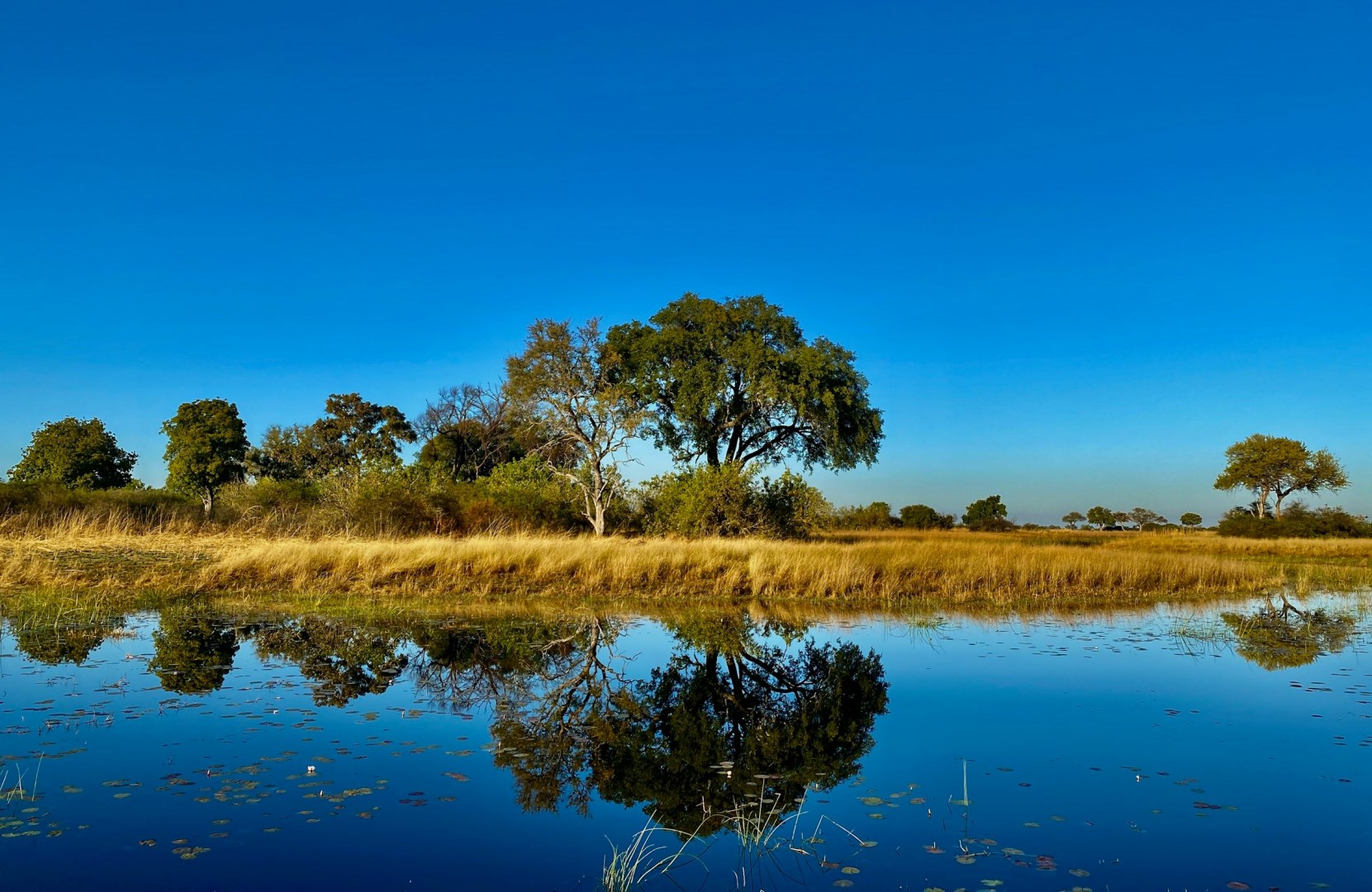
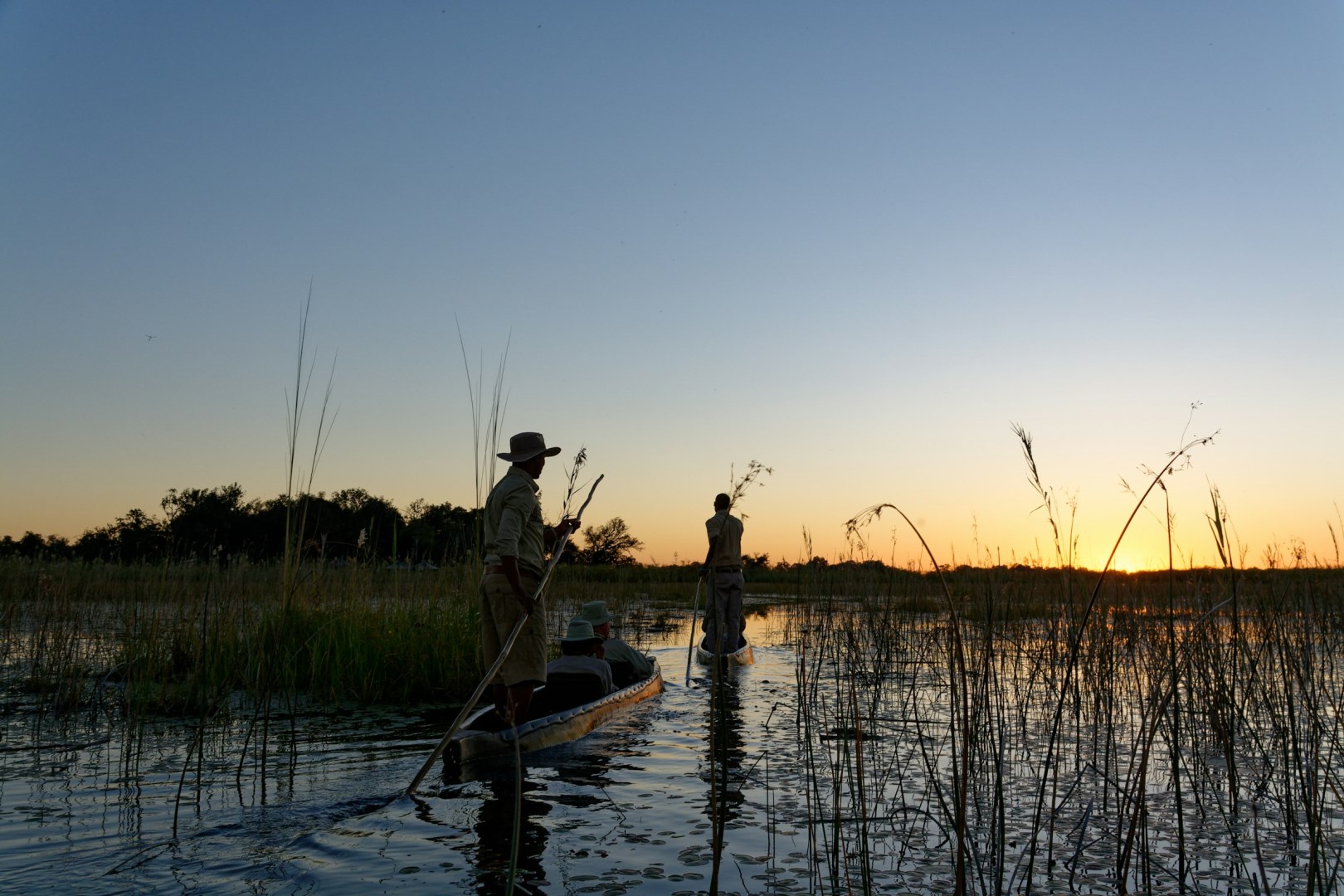
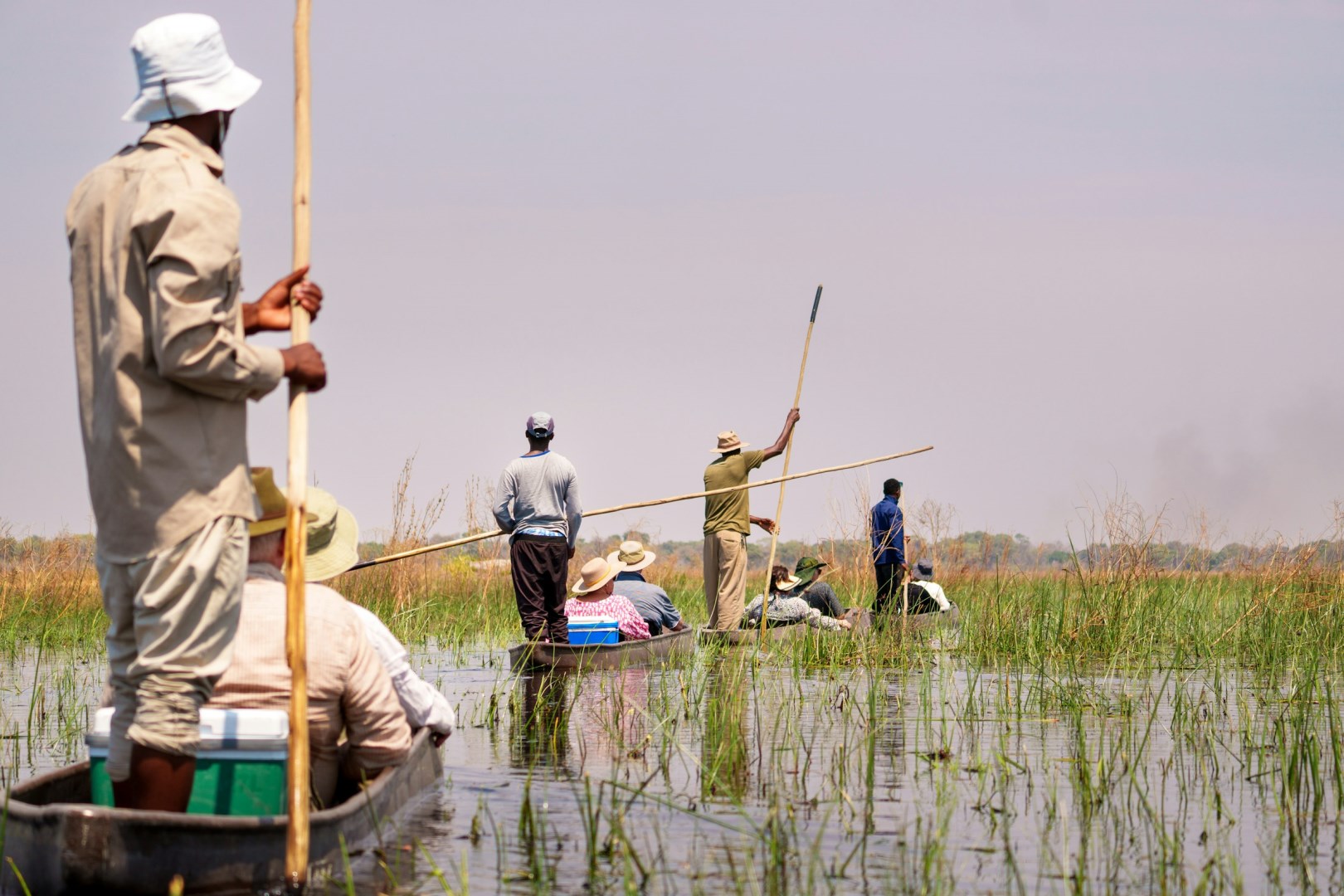
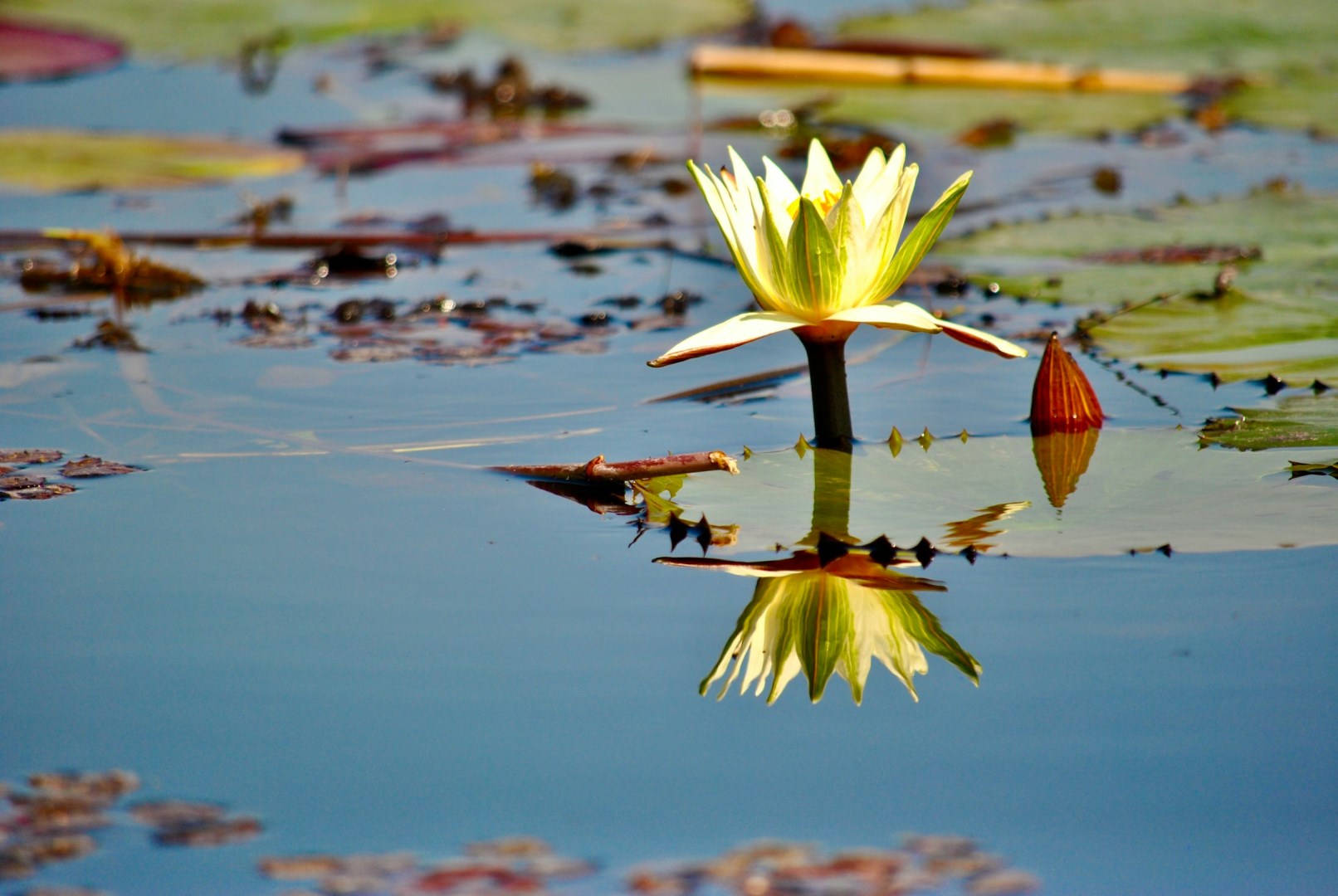
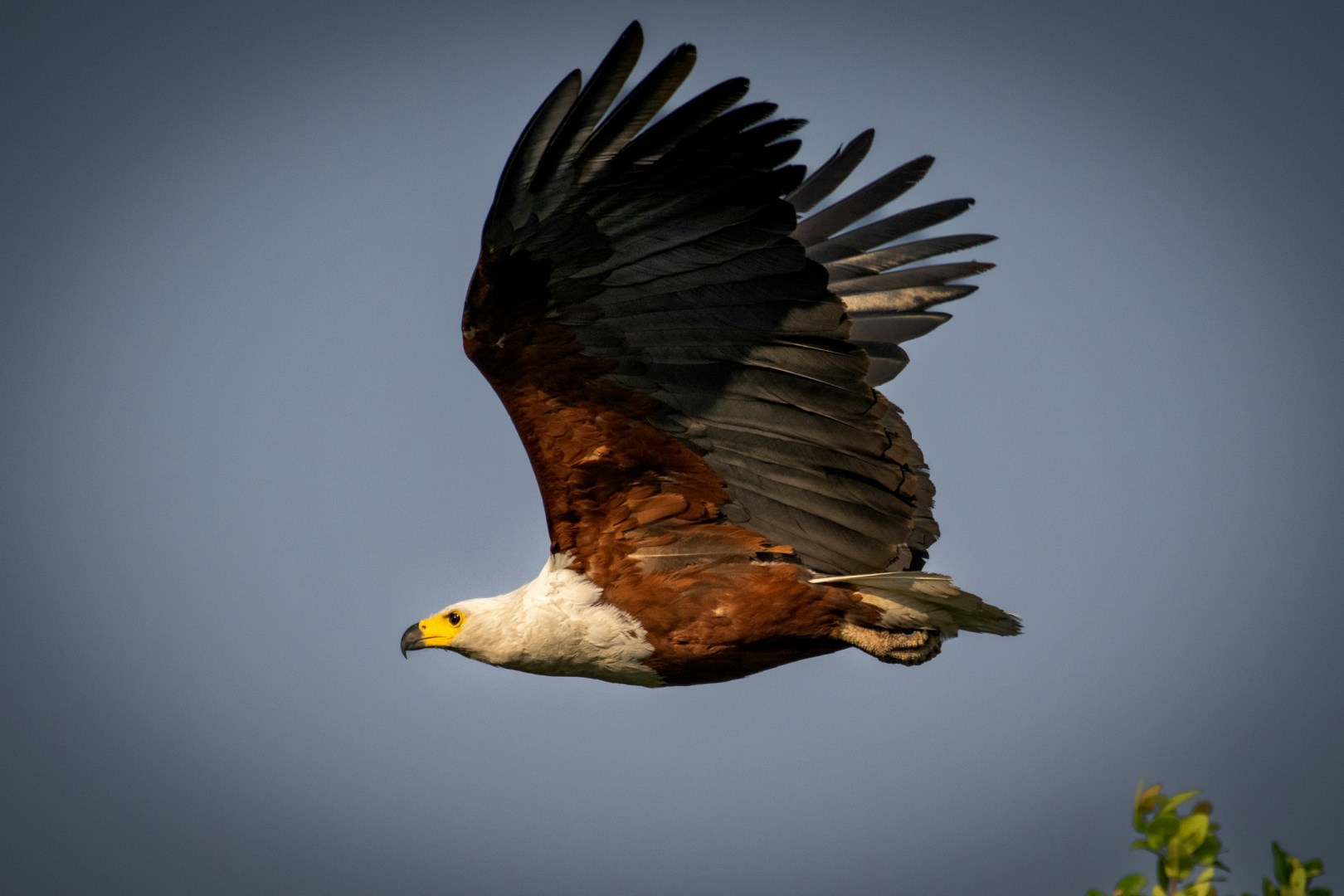
The Okavango Delta, located in Botswana, is one of Africa’s most extraordinary natural wonders. This vast inland delta, renowned for its rich biodiversity and stunning landscapes, offers a unique opportunity to experience a pristine wilderness. As the Okavango River meanders into the Kalahari Desert, it creates a sprawling floodplain that transforms into a lush oasis during the annual flood. The delta’s complex network of channels, lagoons, and islands provides diverse habitats for wildlife and spectacular views.
For an immersive experience, consider staying at one of the delta’s luxurious lodges, which blend seamlessly with the environment and offer exceptional wildlife viewing opportunities. The seasonal flood, which peaks between May and August, brings life to the delta and is the best time for wildlife sightings and photographic safaris.
Fun Fact: The Okavango Delta is the world’s largest inland delta and a UNESCO World Heritage Site. Its unique seasonal flooding pattern supports one of the most diverse ecosystems on the planet, making it a vital haven for both endemic and migratory species.
A visit to the Okavango Delta promises a mesmerizing adventure amidst some of the most breathtaking and unspoiled landscapes in Africa, offering unparalleled wildlife encounters and tranquil natural beauty.