El Jem
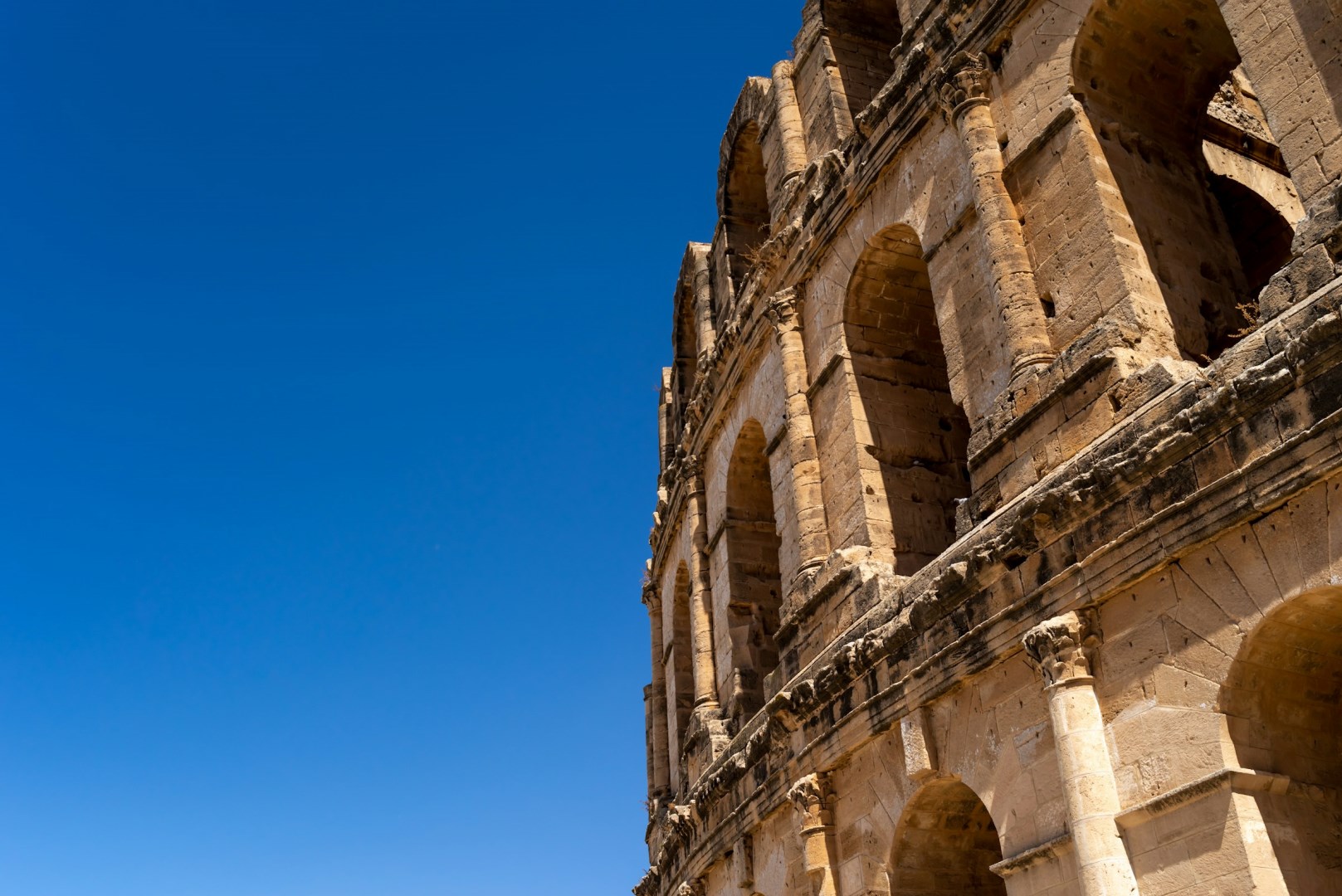
El Jem is a town in central Tunisia best known for its exceptionally preserved Roman amphitheatre, which dominates the surrounding plain. The monument was built as a free-standing structure of stone blocks and could accommodate an estimated 35,000 spectators, making it one of the largest amphitheatres in the Roman world. El Jem developed in an important agricultural region associated with olive cultivation and the production and trade of olive oil.
Rio Dulce
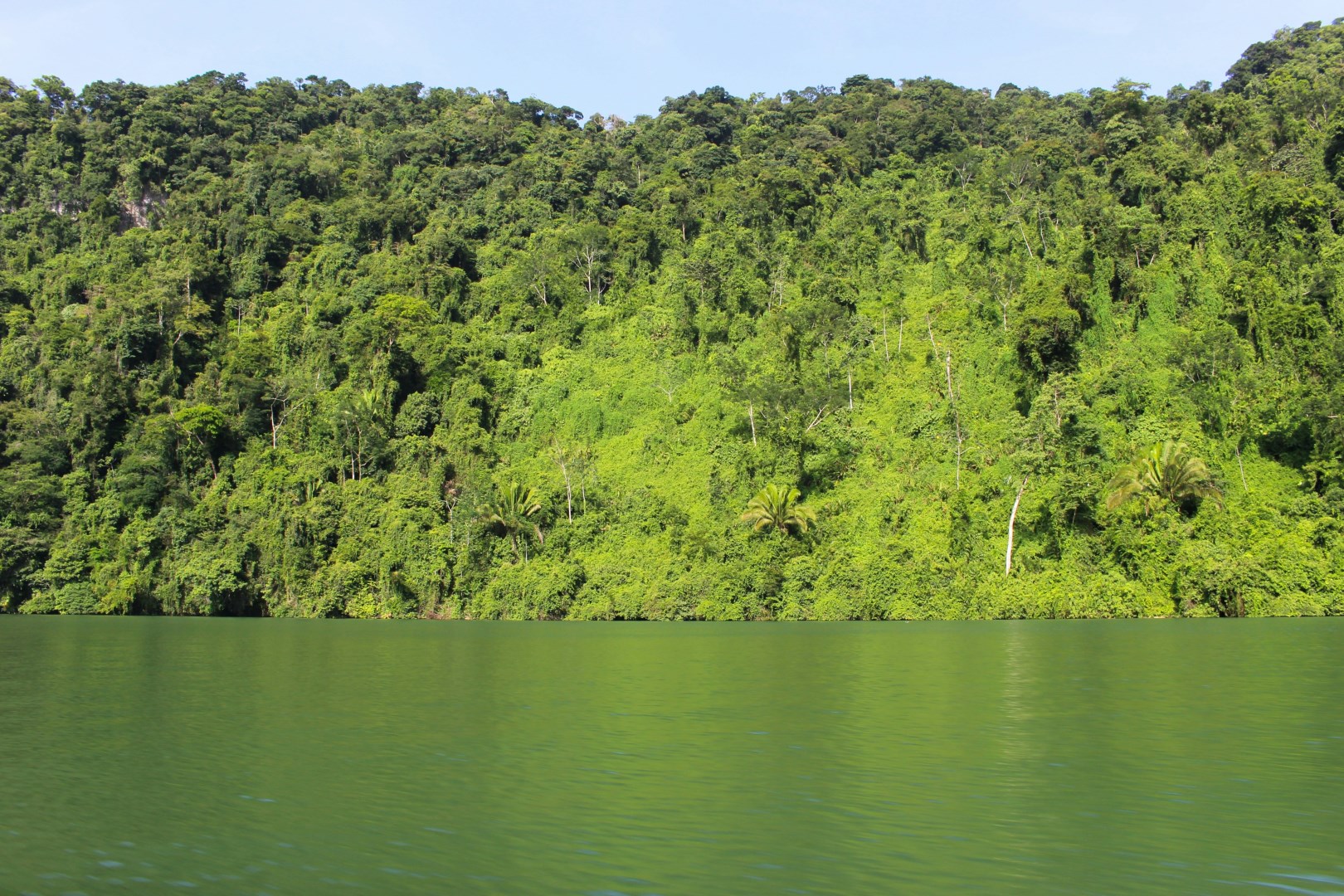
Rio Dulce is a river region in eastern Guatemala that connects Lake Izabal to the Caribbean Sea. The area is centered around the town of Fronteras and the long waterway that cuts through tropical forest, limestone cliffs, and wetland habitats.
Dartmoor National Park
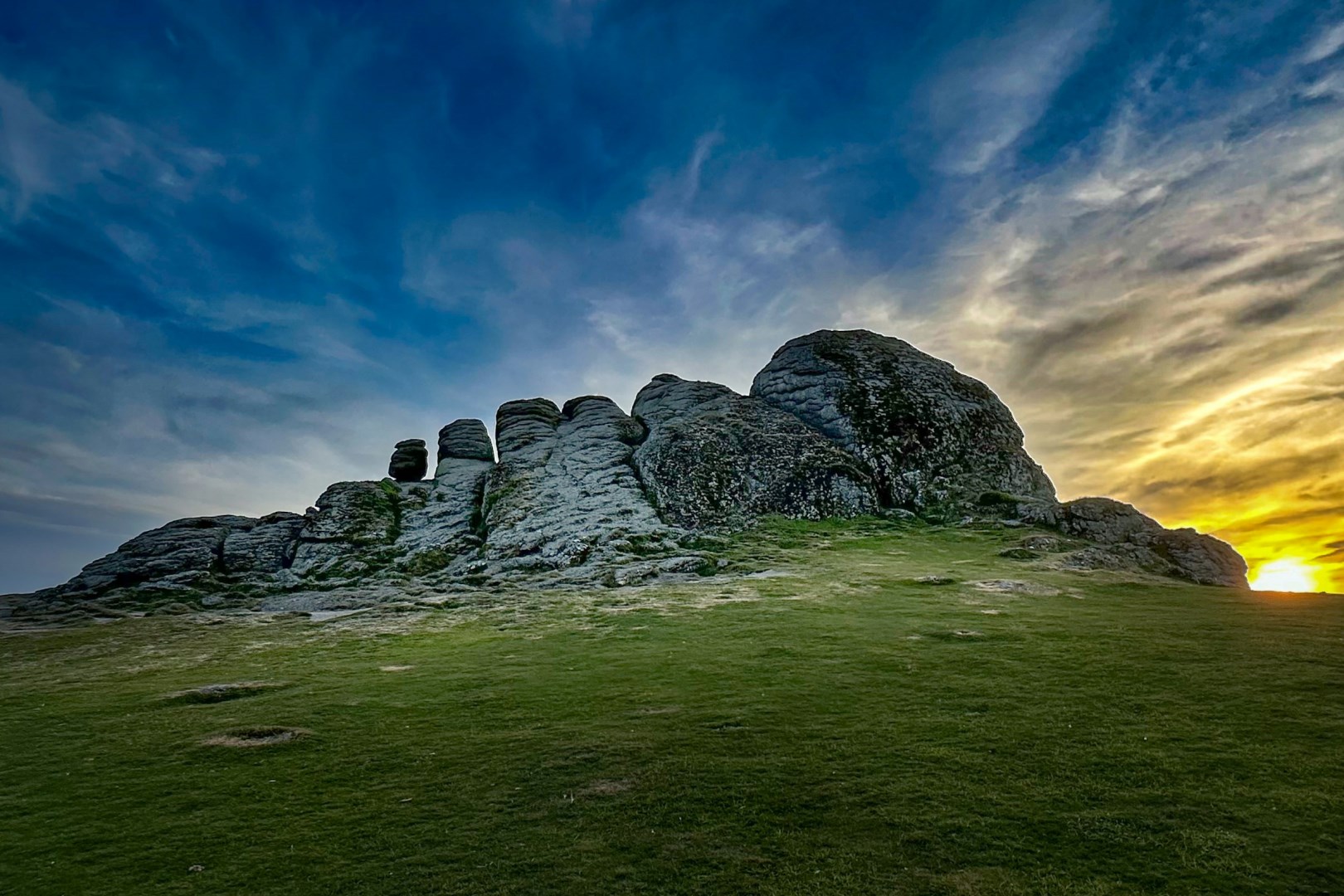
Dartmoor National Park sits in the heart of Devon, England, and invites travelers to step into a landscape that has changed little over thousands of years. Rolling moorland, deep river valleys, and more than 450 miles of paths give visitors space to explore at their own pace. Ancient stone rows, circular dwellings, and burial cairns spread across the moorland are reminders of people who lived here as far back as the Bronze Age.

Sweden
Sweden is a country where medieval towns, coastal archipelagos, and expansive forests sit side by side with modern design and a strong cultural identity. Stockholm, the capital, is built across 14 islands connected by bridges and ferries. The historic district of Gamla Stan features narrow, cobbled streets and colorful buildings dating back to the 13th century.

Roseau
Roseau, the lively capital of Dominica, is a city where history and nature coexist in striking harmony. Established on the site of an ancient Kalinago settlement, the town reflects its colonial past through French-inspired architecture, colorful buildings, and historic churches.