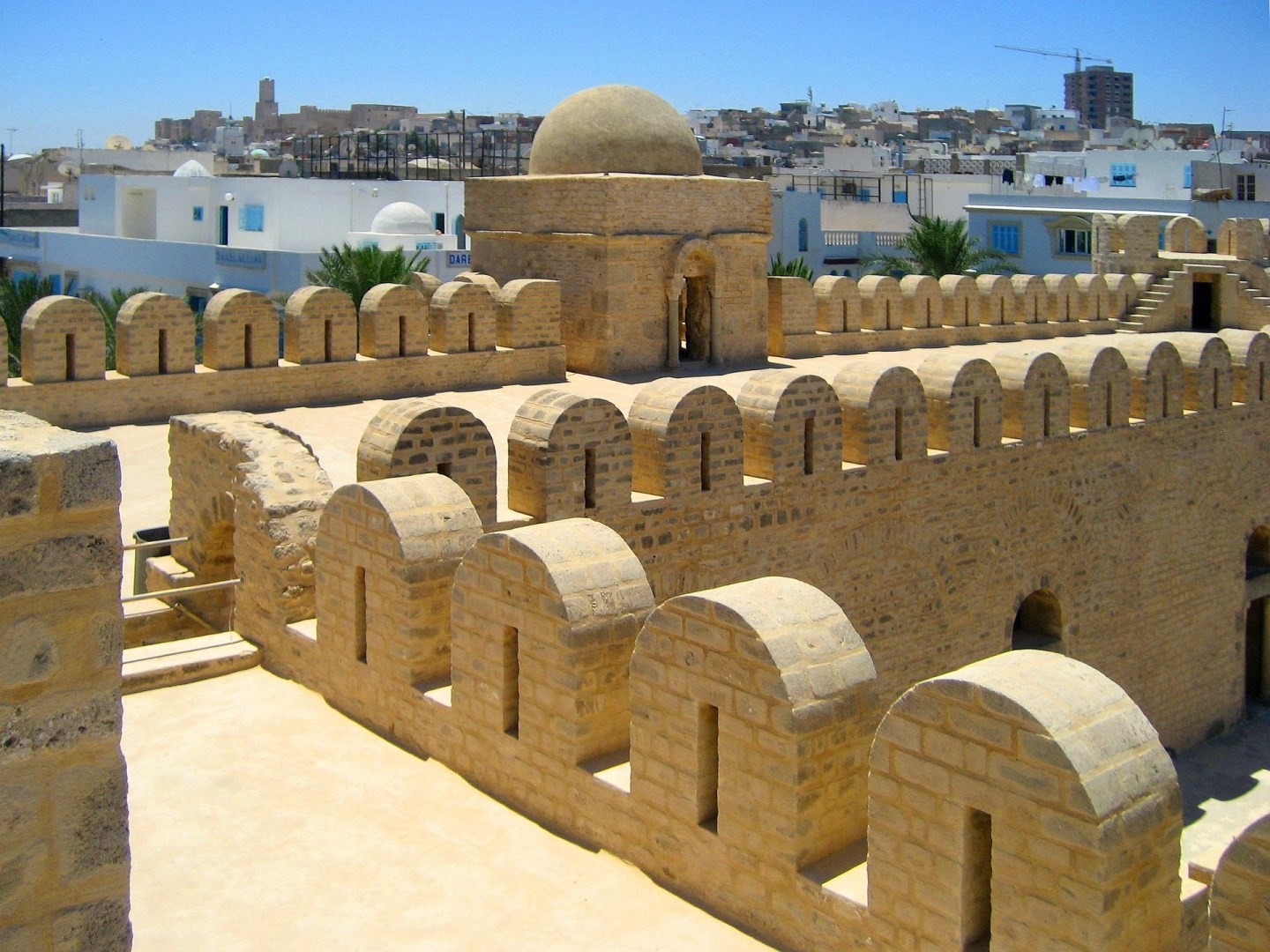
Sousse
Sousse, a sun-soaked jewel along Tunisia's central coast, offers a blend of ancient history, vibrant culture, and Mediterranean charm. Known as the "Pearl of the Sahel," this city has drawn travelers for centuries with its warm sands, azure waters, and rich heritage.

Volterra
Nestled in the heart of Tuscany, Volterra offers a captivating journey through time with its well-preserved medieval charm and Etruscan roots. The city's history is evident as you wander through its narrow, winding streets, flanked by ancient walls that date back to the Etruscan period. The Roman Theater, built in the 1st century AD, is a testament to the city's significance in antiquity and provides an evocative glimpse into Volterra’s storied past.
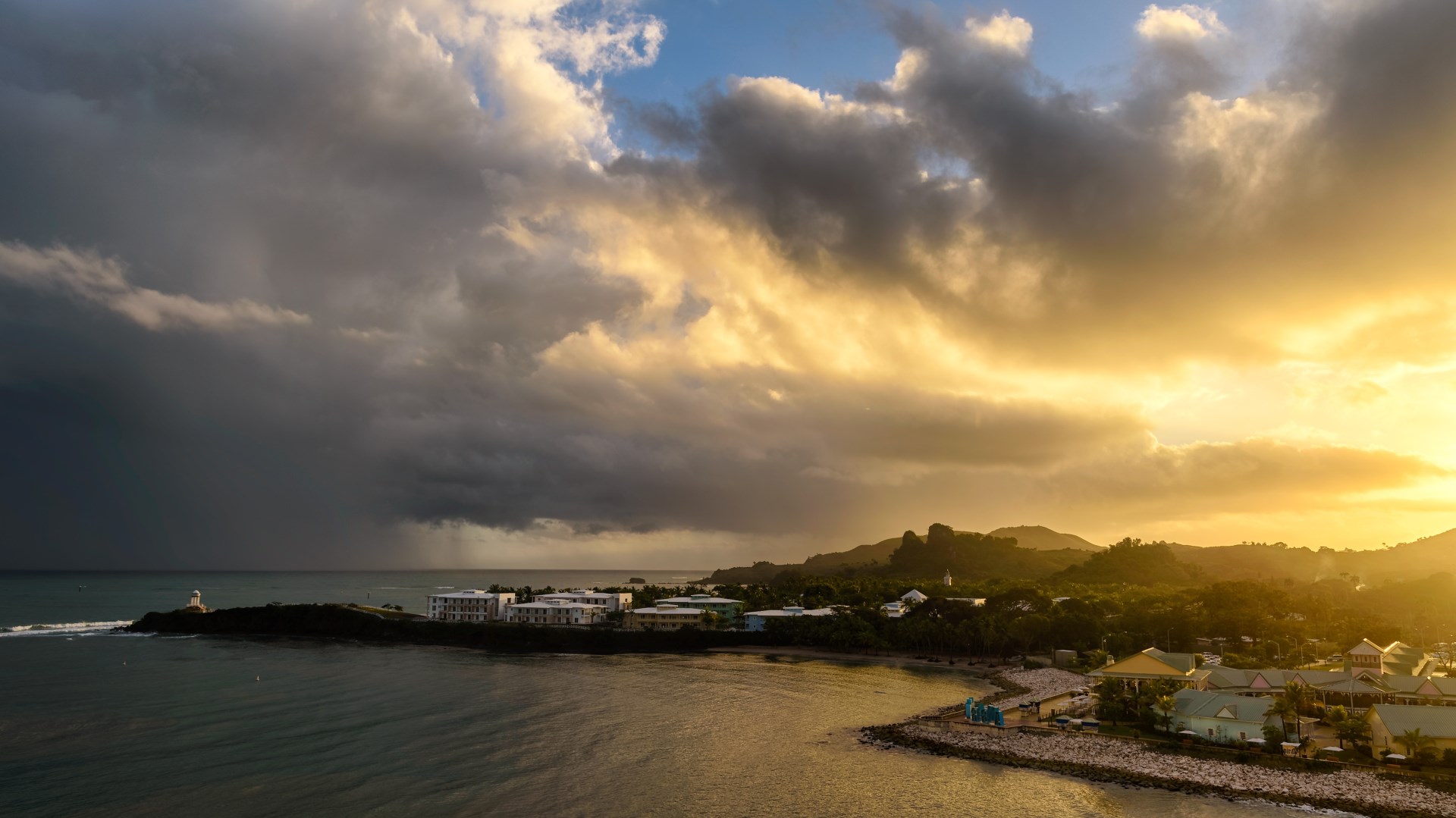
Amber Cove
Located along the northern coast of the Dominican Republic, Amber Cove serves as a vibrant gateway to the region of Puerto Plata. Designed as a cruise port with a strong sense of place, the area reflects the island’s long connection to the sea and trade. Visitors often begin their experience with views of the harbor framed by green mountains, setting the tone for what lies beyond.
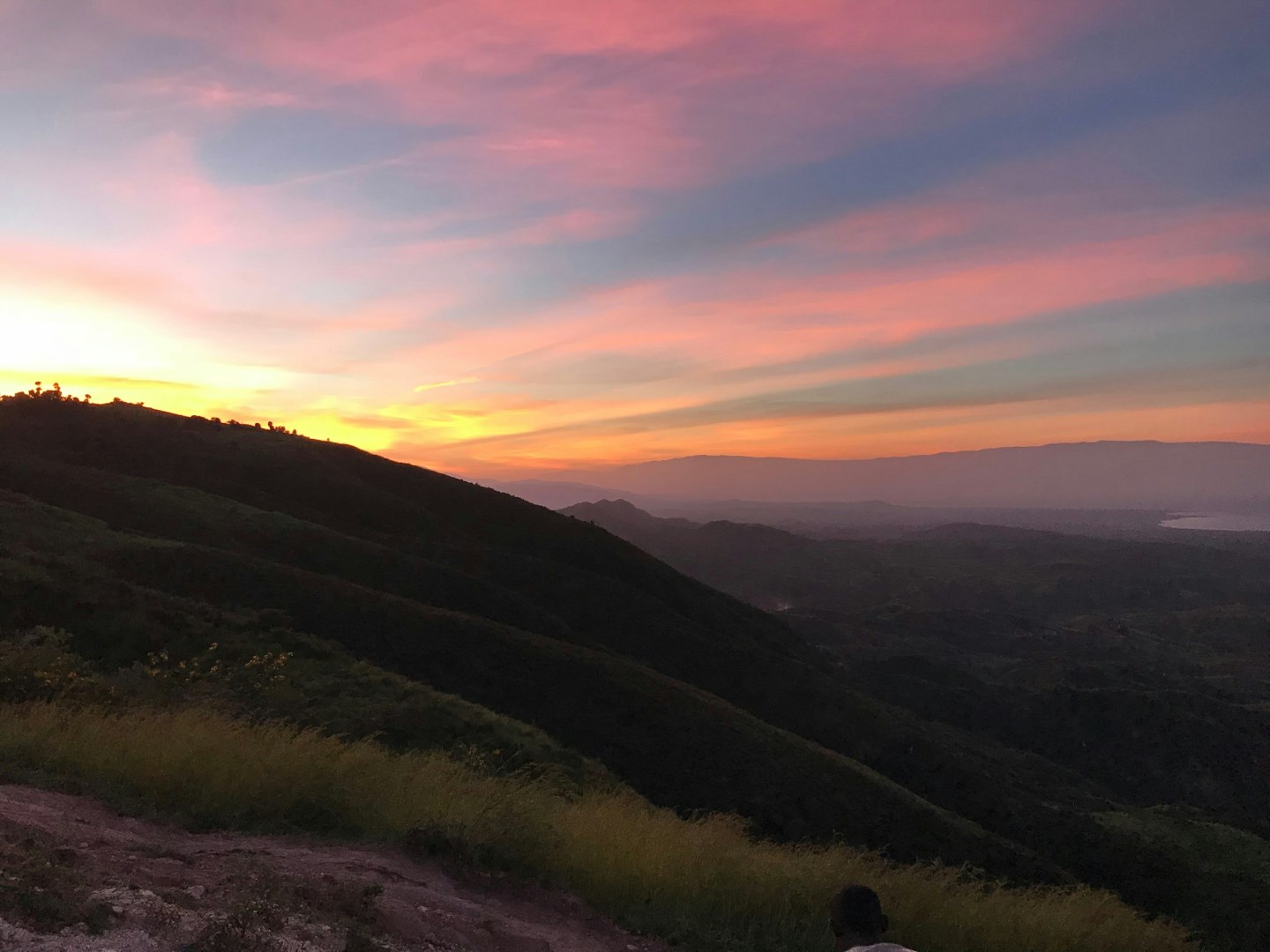
Port-au-Prince
Port-au-Prince in Southwest Haiti is the capital. The country's largest city, commercial center, and chief seaport, it is laid out like an amphitheater around a bay. Founded in 1749 by French sugar planters, it became the colonial capital in 1770, replacing Cap-Haïtien.
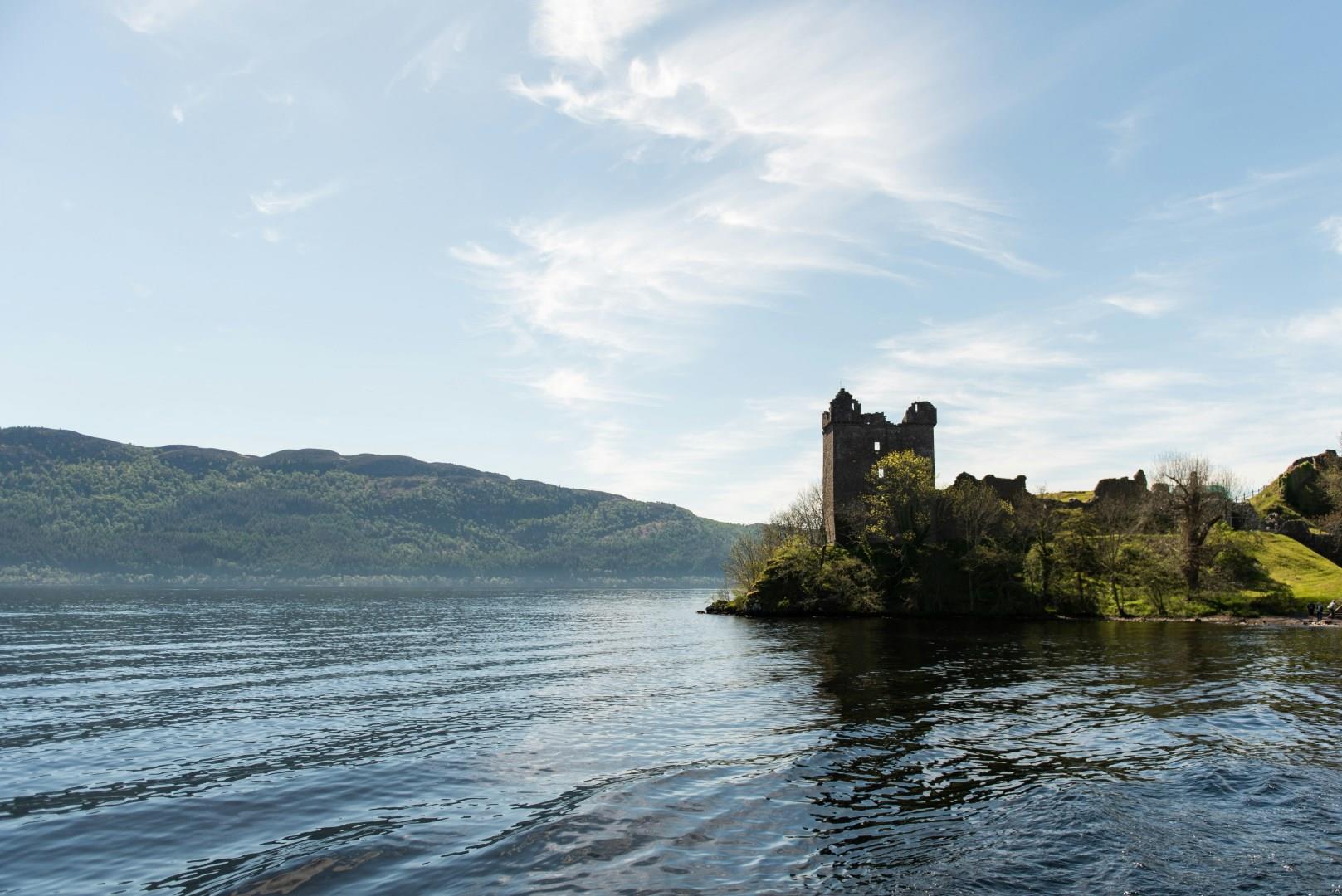
Loch Ness
Loch Ness stretches over 23 miles through the Scottish Highlands, holding more freshwater than all the lakes in England and Wales combined. Best known for its elusive resident, the so-called Loch Ness Monster, the loch has sparked international curiosity since the first modern "sighting" in 1933. While Nessie remains elusive, the surrounding landscape offers clear reasons to visit with steep hillsides, forested trails, and ancient ruins framing one of Scotland’s most iconic bodies of water.