Pamplona
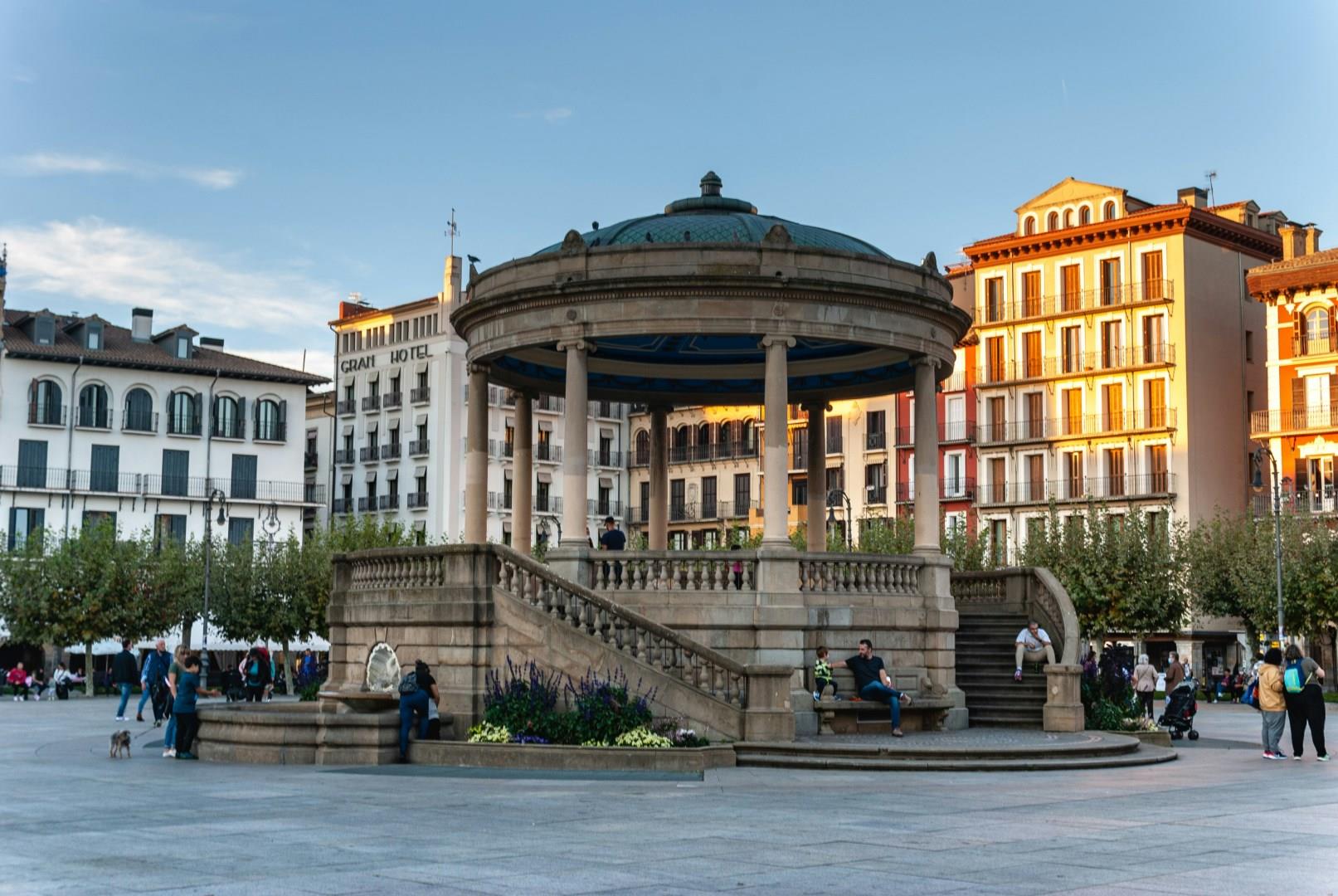
Pamplona, the capital of Spain’s Navarre region, is best known worldwide for the Running of the Bulls during the San Fermín festival each July. But beyond the brief rush of that event lies a city steeped in medieval history, Basque influence, and a slower pace that surprises many visitors. One of the most significant aspects of Pamplona is its place on the Camino de Santiago, the ancient pilgrimage route to Santiago de Compostela.
Stellenbosch
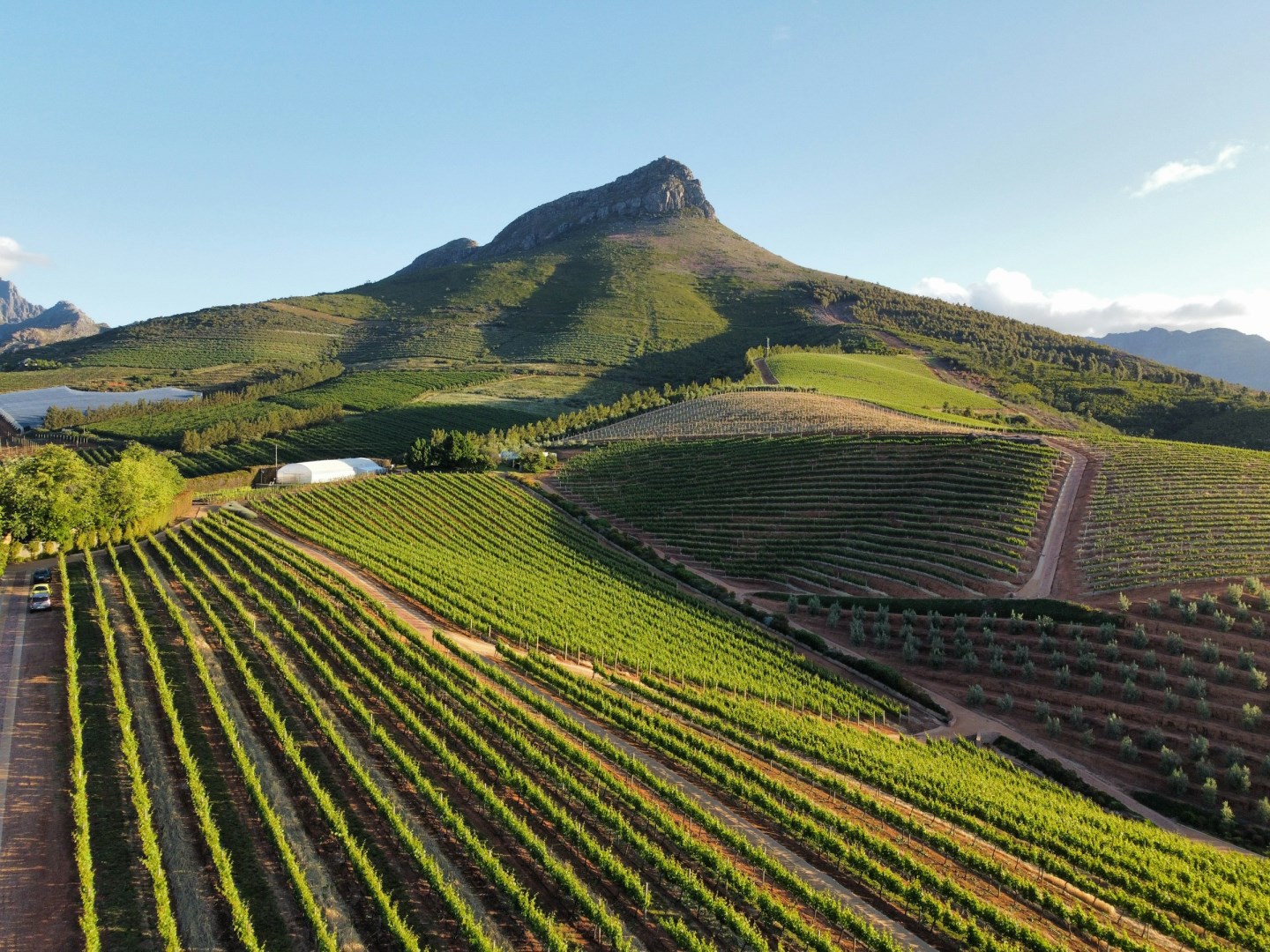
Stellenbosch, a charming town in South Africa’s Western Cape, is a haven for wine lovers and history enthusiasts alike. Established in 1679, Stellenbosch boasts well-preserved Cape Dutch architecture and a vibrant cultural scene. Its tree-lined streets are dotted with historical buildings, boutique shops, and artisanal cafes. A visit to the Stellenbosch Village Museum offers a glimpse into the town’s rich heritage, showcasing restored buildings from the 18th and 19th centuries.
Gulfport
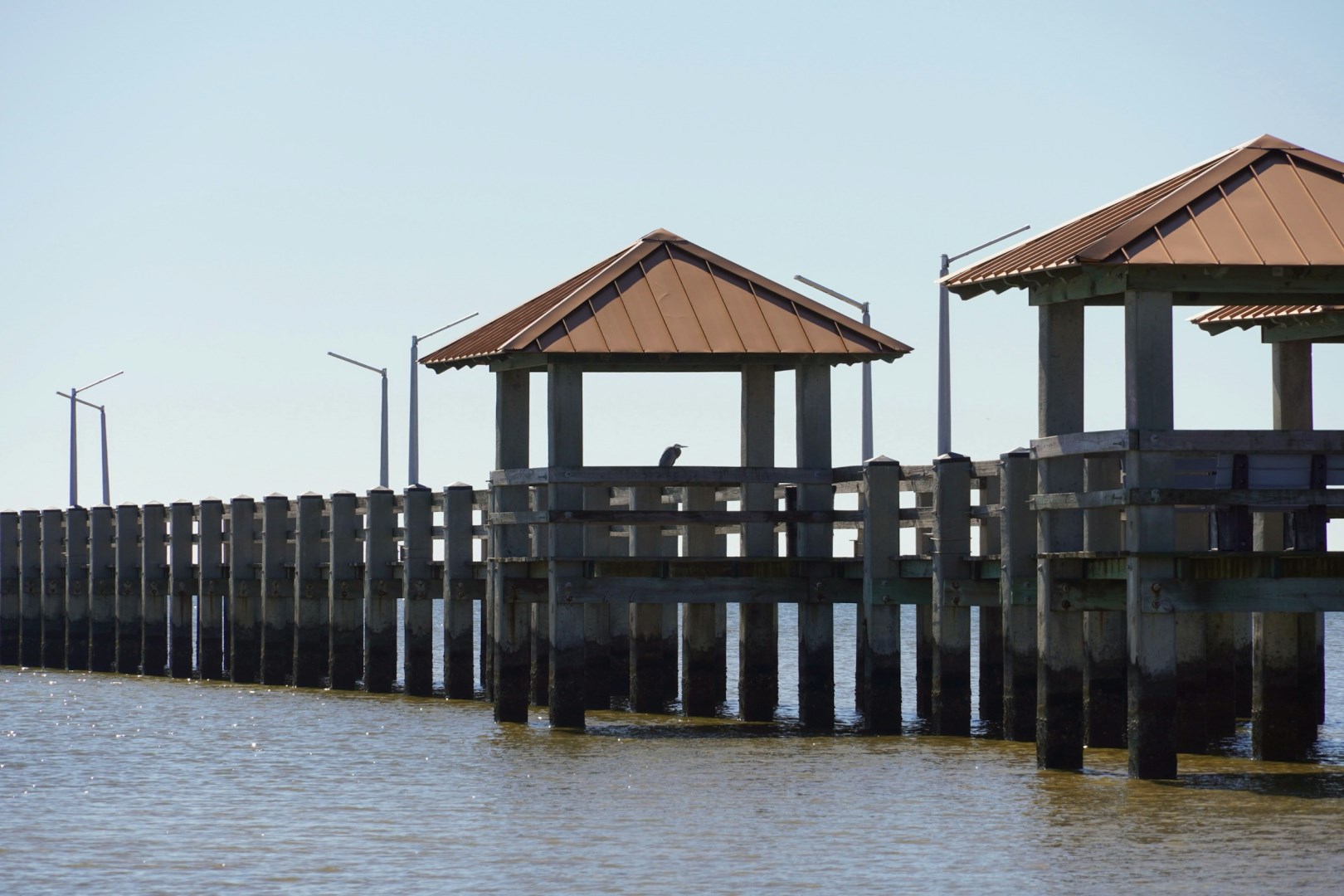
Gulfport, Mississippi, is the largest city on the Mississippi Gulf Coast and an important center for beaches, fishing, shipping, and coastal recreation. The city faces the Mississippi Sound, with barrier islands lying offshore and helping shape its relatively calm coastal waters. Gulfport Beach stretches along the shoreline with wide sandy areas, while the Port of Gulfport serves as a major deep-water shipping facility.
Streymoy
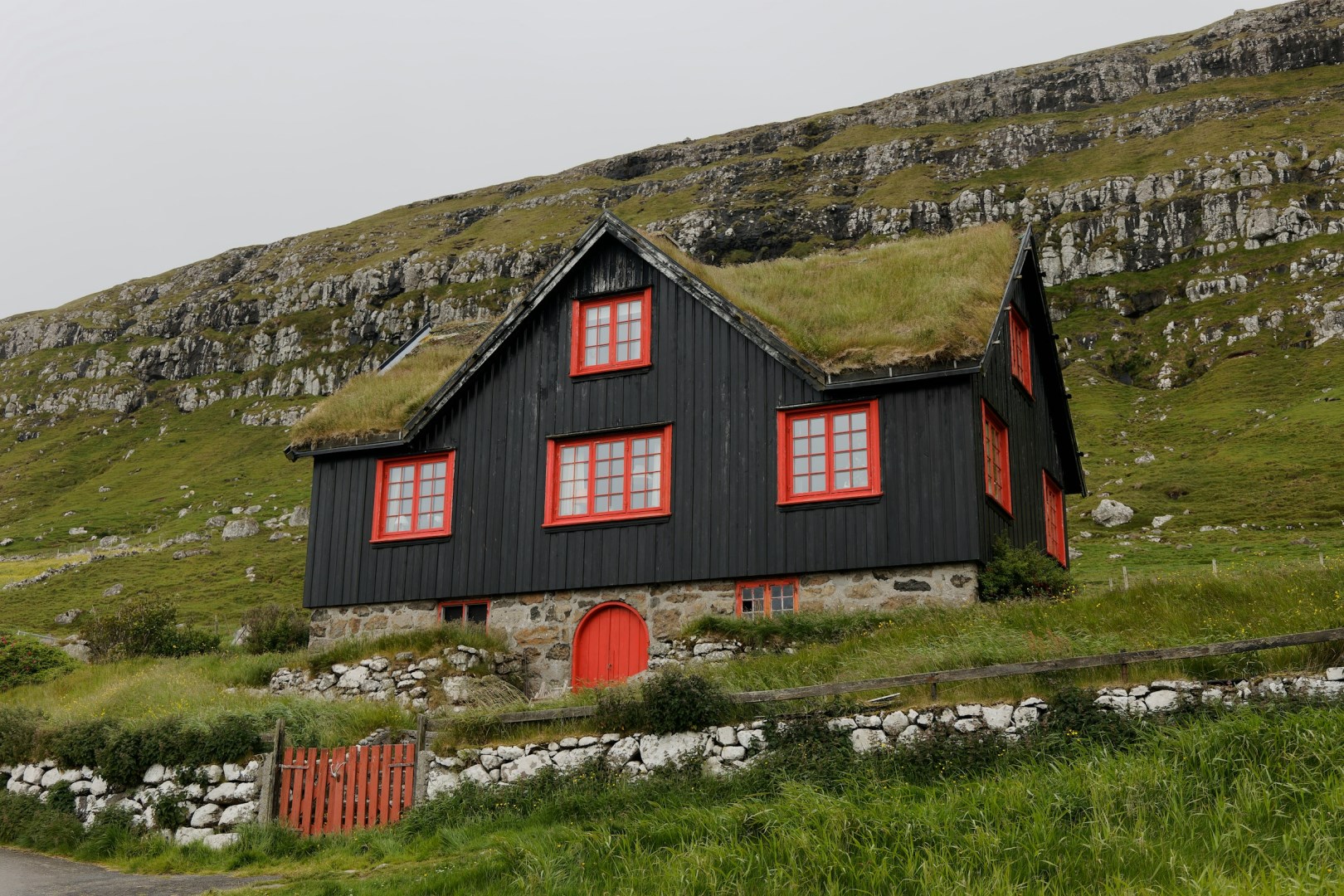
Streymoy is the largest and most populated island in the Faroe Islands, forming a central part of the archipelago and home to the capital, Tórshavn. Its landscape combines steep mountains, deep fjords, grassy valleys, and exposed coastal cliffs, with settlements concentrated along sheltered shorelines. The island is connected to neighboring islands by bridges, tunnels, ferries, and causeways, making it an important center for travel across the Faroes.
Barca d'Alva
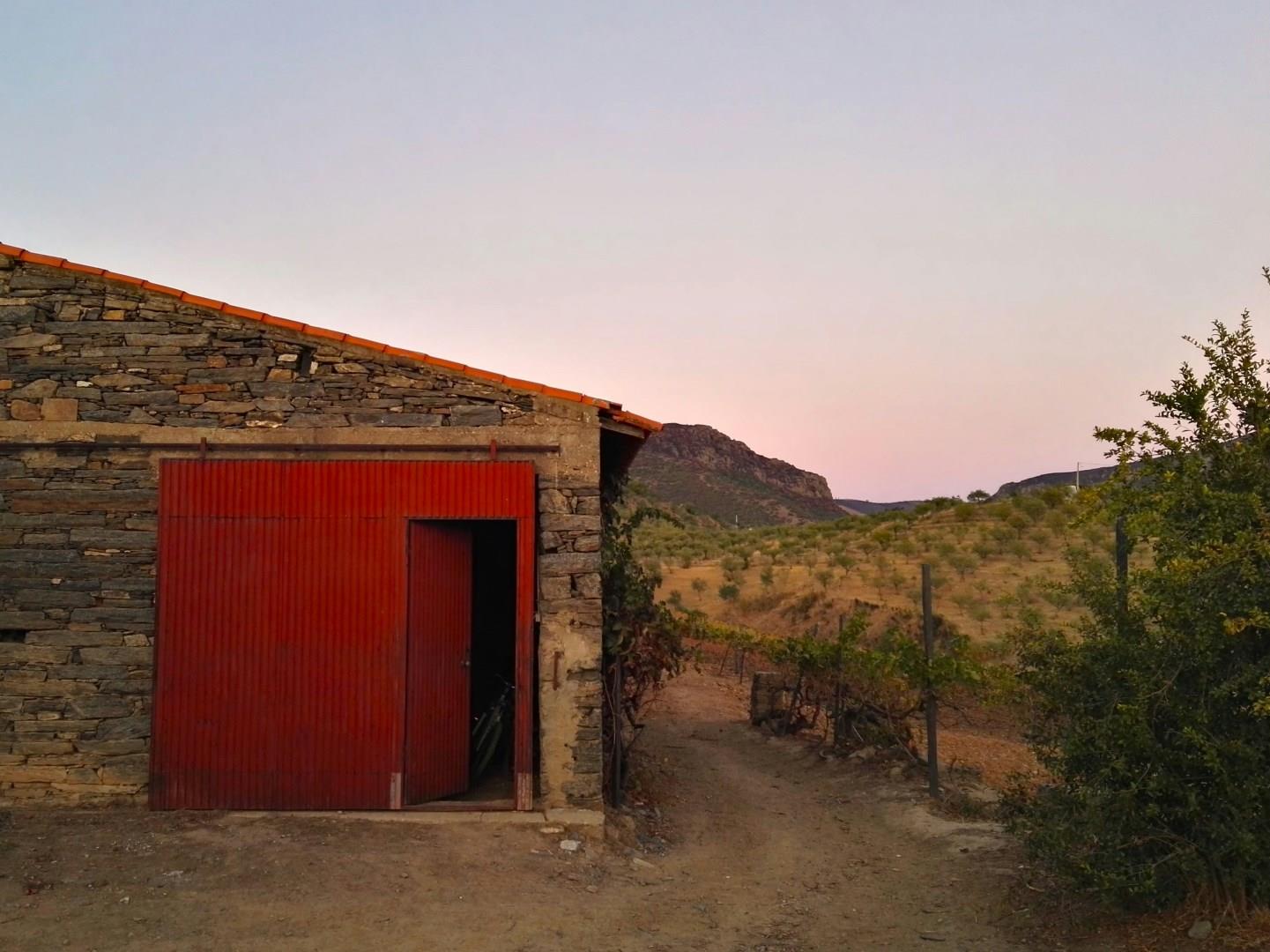
Barca d'Alva sits quietly along the Douro River, right at Portugal’s eastern border with Spain. Once the final stop on the historic Douro railway line, this riverside village remains relatively untouched by mass tourism. The surrounding landscape filled with terraced vineyards, olive groves, and almond trees form part of the UNESCO-listed Alto Douro Wine Region.