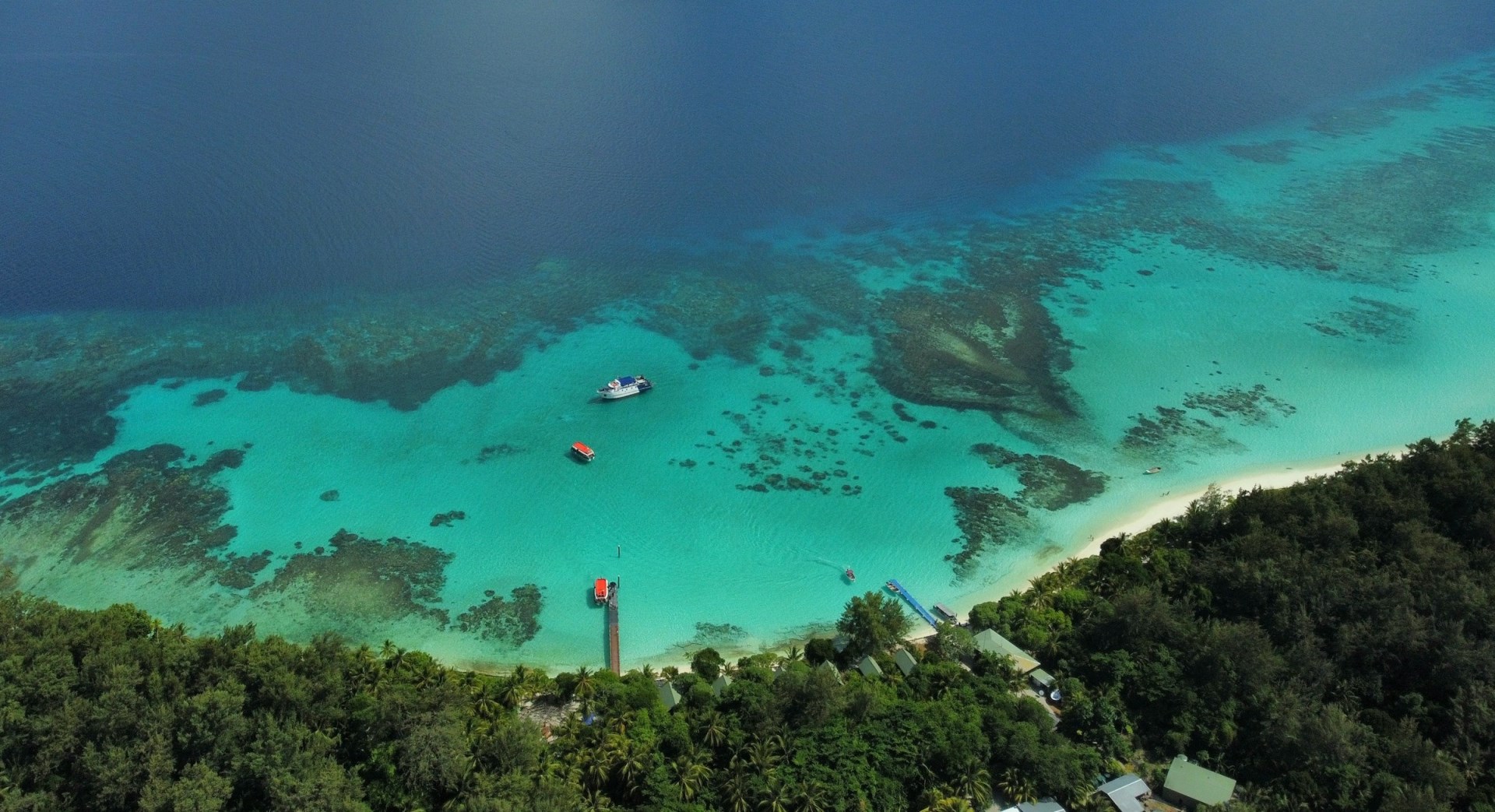
Conflict Islands
The Conflict Islands are a small group of coral islands and atolls in the Louisiade Archipelago of Papua New Guinea’s Milne Bay Province. They lie in the Solomon Sea, southeast of mainland Papua New Guinea, and are surrounded by clear lagoon waters, coral reefs, sandbars, and uninhabited islets.

Haiti
Haiti offers visitors a unique glimpse into a proud and resilient heritage. Its vibrant art, music, and traditions make it a destination unlike any other in the Caribbean.

Asheville
Nestled in the heart of North Carolina’s Blue Ridge Mountains, Asheville is a haven for nature lovers, art enthusiasts, and history buffs alike. This vibrant city boasts stunning scenery with the Blue Ridge Parkway, often dubbed “America’s Favorite Drive,” providing unparalleled views of the Appalachian wilderness. In autumn, the mountains burst with fiery reds and golds, creating one of the most picturesque fall displays in the U.S. Beyond its natural beauty,
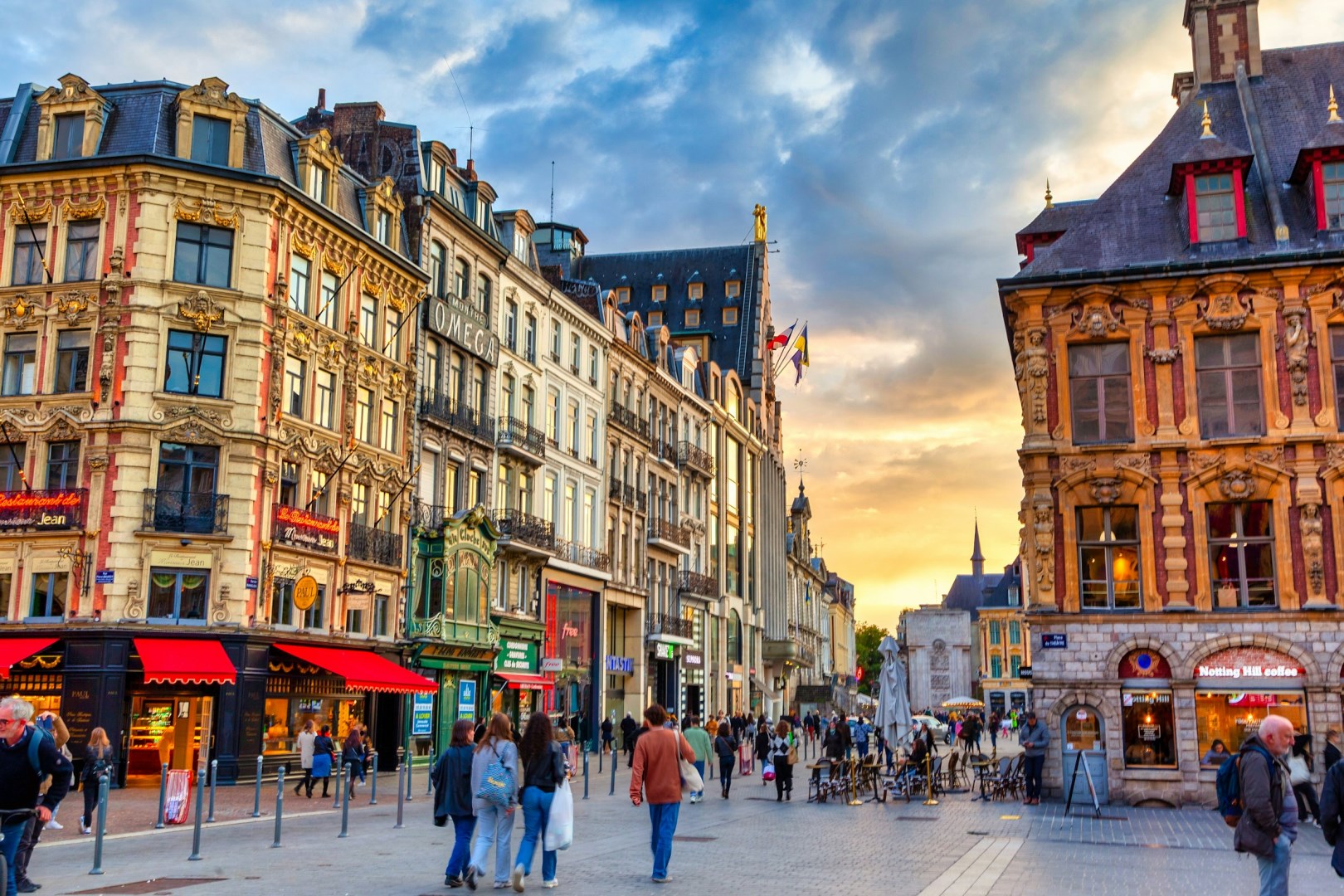
Lille
Lille, the lively capital of France’s Hauts-de-France region, is a city where Flemish charm meets French sophistication. Once an important industrial hub, Lille has reinvented itself as a cultural and artistic center without losing its historic character.
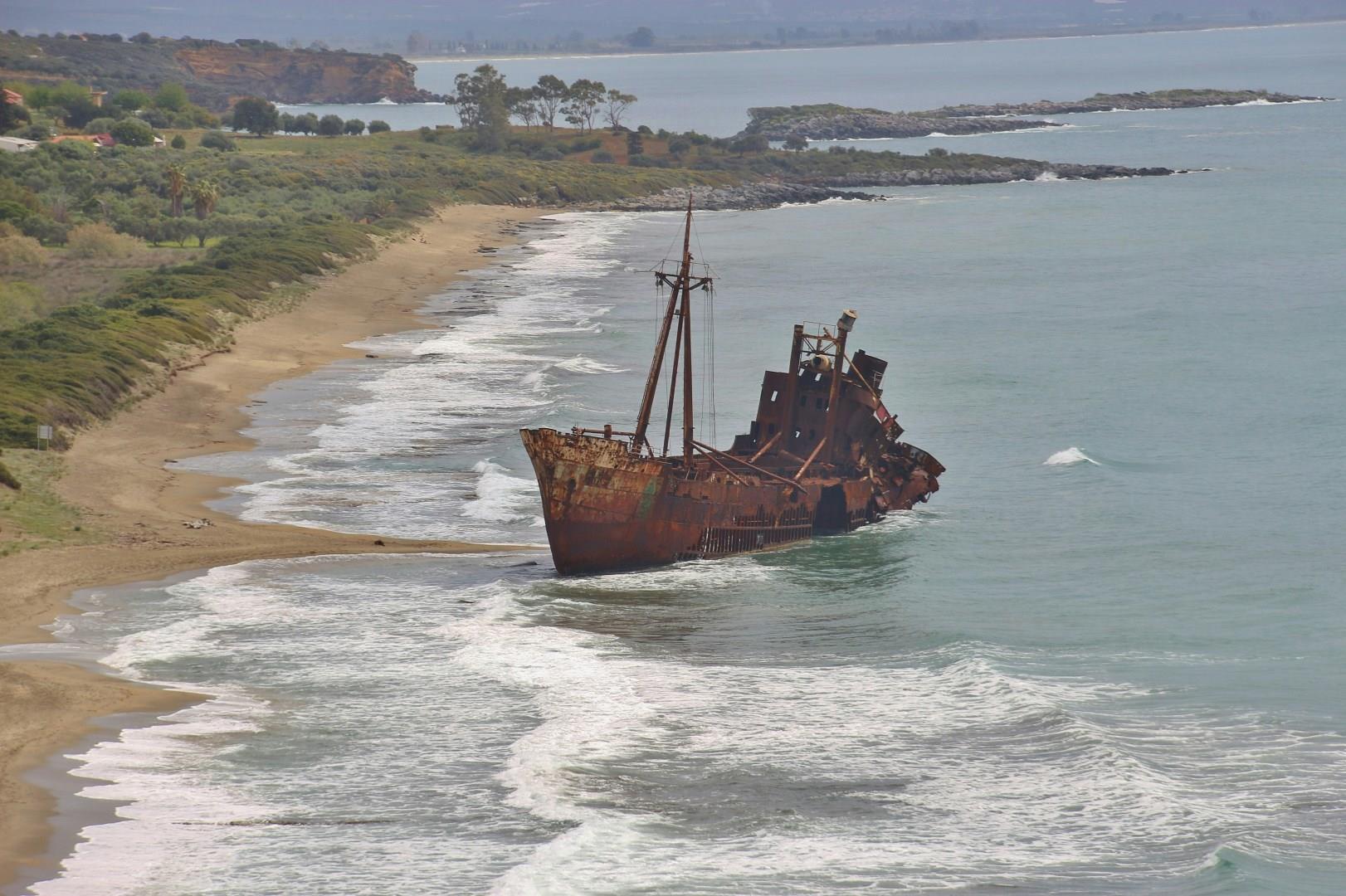
Gythion
Greece’s southern coastline is home to Gythion, a historic port town nestled in the Peloponnese region. Once the naval base of ancient Sparta, Gythion has played a key role in maritime history for centuries. Today, its harbor is lined with colorful neoclassical buildings and fishing boats, creating a picture of daily life that remains connected to its seafaring roots. Just offshore lies Cranae Island, linked to the mainland by a stone causeway.