Amman
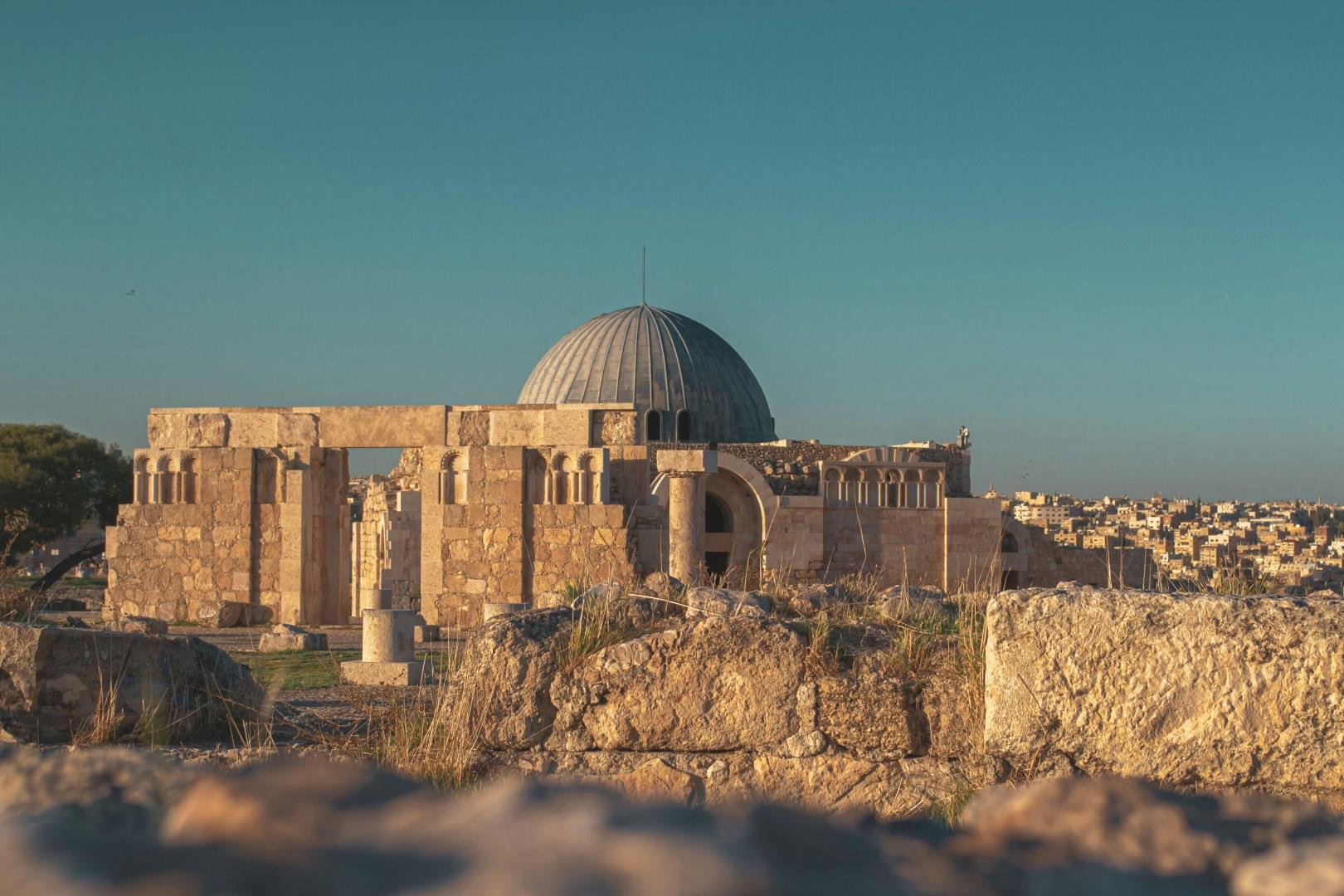
Situated near the Dead Sea, Amman is the capital of Jordan and a cultural and historical hub in the Middle East. Explore this sprawling city, replete with historic landmarks, museums, and mosques, and you’ll soon be enraptured by its blend of metropolitan and ancient beauty.

Puerto Rico
Puerto Rico, an unincorporated territory of the United States, is a Caribbean island rich in history, culture, and natural diversity. Its capital, San Juan, is a vibrant hub where centuries-old Spanish forts, pastel-colored colonial buildings, and lively plazas tell the story of the island’s complex past.

Custer State Park
Custer State Park, nestled in the Black Hills of South Dakota, offers a tapestry of natural beauty and wildlife. Known for its scenic drives and outdoor activities, the park is a haven for nature enthusiasts and adventure seekers alike. One of its most famous routes, the Needles Highway, weaves through towering granite spires and narrow tunnels, providing breathtaking vistas of the rugged terrain.

Eskisehir
Eskişehir, located in northwestern Turkey, is a city where old meets new in unexpected ways. Known for its youthful vibe due to its two major universities, the city is also deeply rooted in history. It sits along the Porsuk River, which winds through lively neighborhoods and parks. The riverfront, once mostly industrial, has been transformed into a place where gondolas pass under bridges and locals gather at riverside cafes.

Vienna
Vienna has a long memory. Once the capital of the Habsburg Empire, the city still carries signs of its imperial past in its palaces, concert halls, and wide boulevards. Visitors can walk through the Hofburg complex, where emperors once ruled, or tour the opulent rooms of Schönbrunn Palace, which features 1,441 rooms and a maze in its gardens. But Vienna’s many historic buildings now house contemporary art museums, cafés, and institutions that reflect the city’s modern identity.