Loire Valley
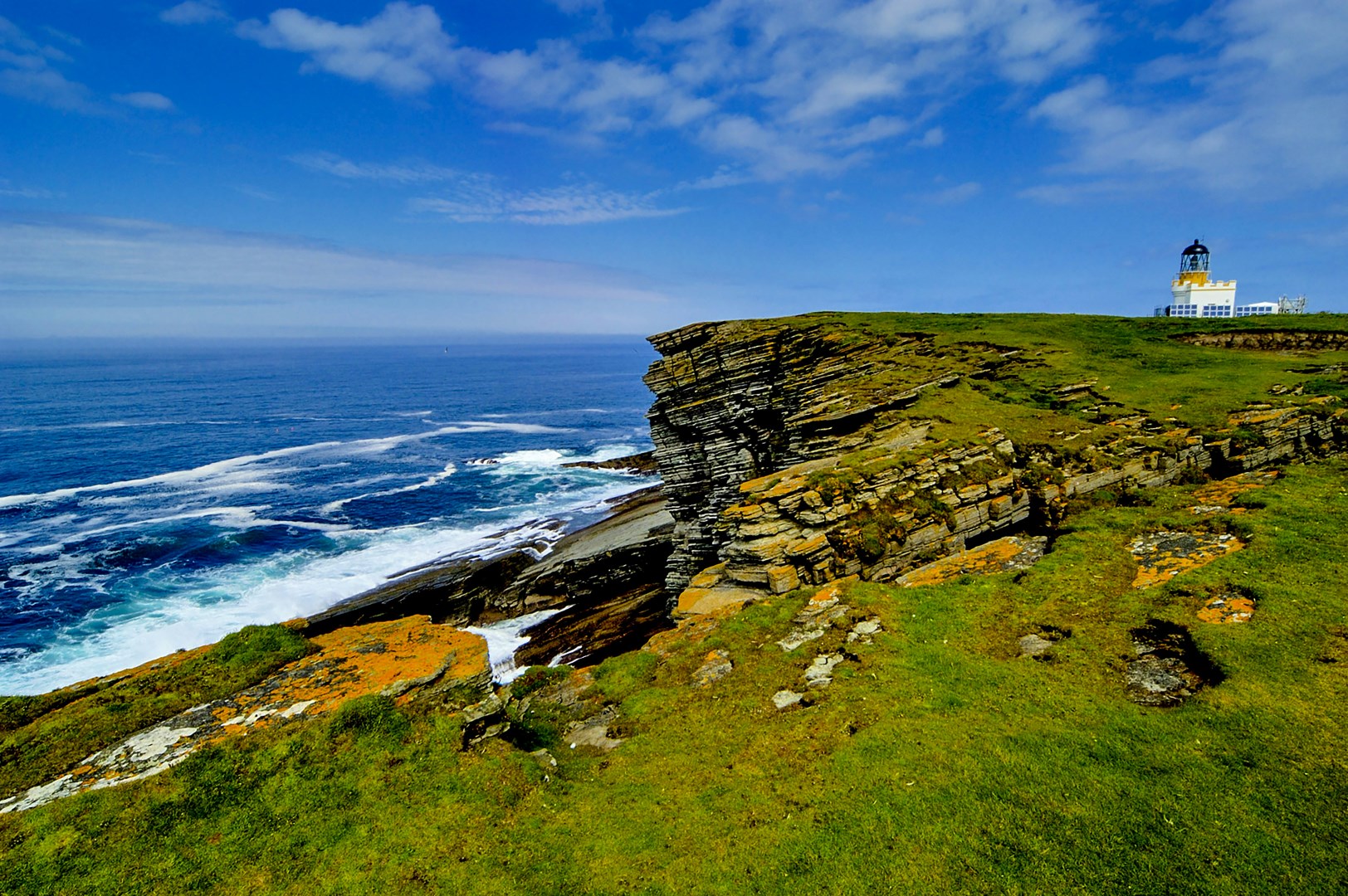
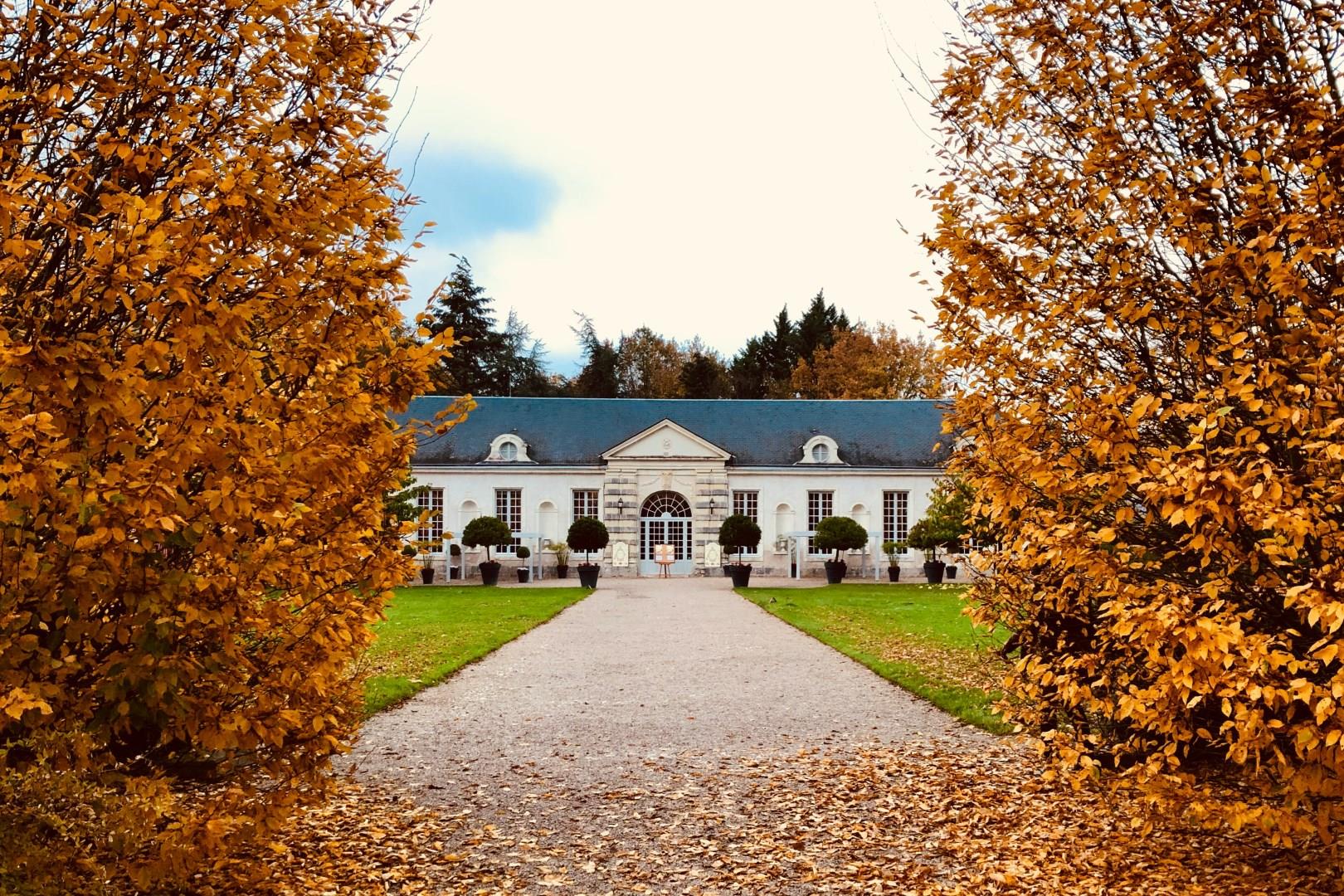
The Loire Valley stretches along the gentle curves of France’s longest river, a place where riverside towns, historic estates and vineyards have shaped daily life for centuries. This long stretch of landscape was recognized as a UNESCO World Heritage Site because of its remarkable cultural landscape, which includes towns like Tours, Blois, Amboise and Saumur and a tapestry of castles standing beside the river banks.

Kauai Island
Known as the "Garden Island," Kauai is Hawaii's oldest island and a tropical paradise. Covered with verdant rainforests, glittering waterfalls, and immense cliffs, Kauai will astound you at every turn. This island is the perfect destination for outdoor adventures, with activities from kayaking, to ziplining, to snorkeling. Better yet, marvel at the island's natural beauty, from the scenic cliffsides of Nāpali Coast State Wilderness Park to the resort beaches of Poipu.

Dominica
Dominica, known as the “Nature Island of the Caribbean,” is a haven for eco-tourists and adventure seekers. Nestled between the French islands of Guadeloupe and Martinique, this lush island boasts a remarkable landscape of volcanic mountains, dense rainforests, and stunning waterfalls. Dominica’s most iconic natural wonder is the Boiling Lake, the second-largest hot spring in the world.
Amboise
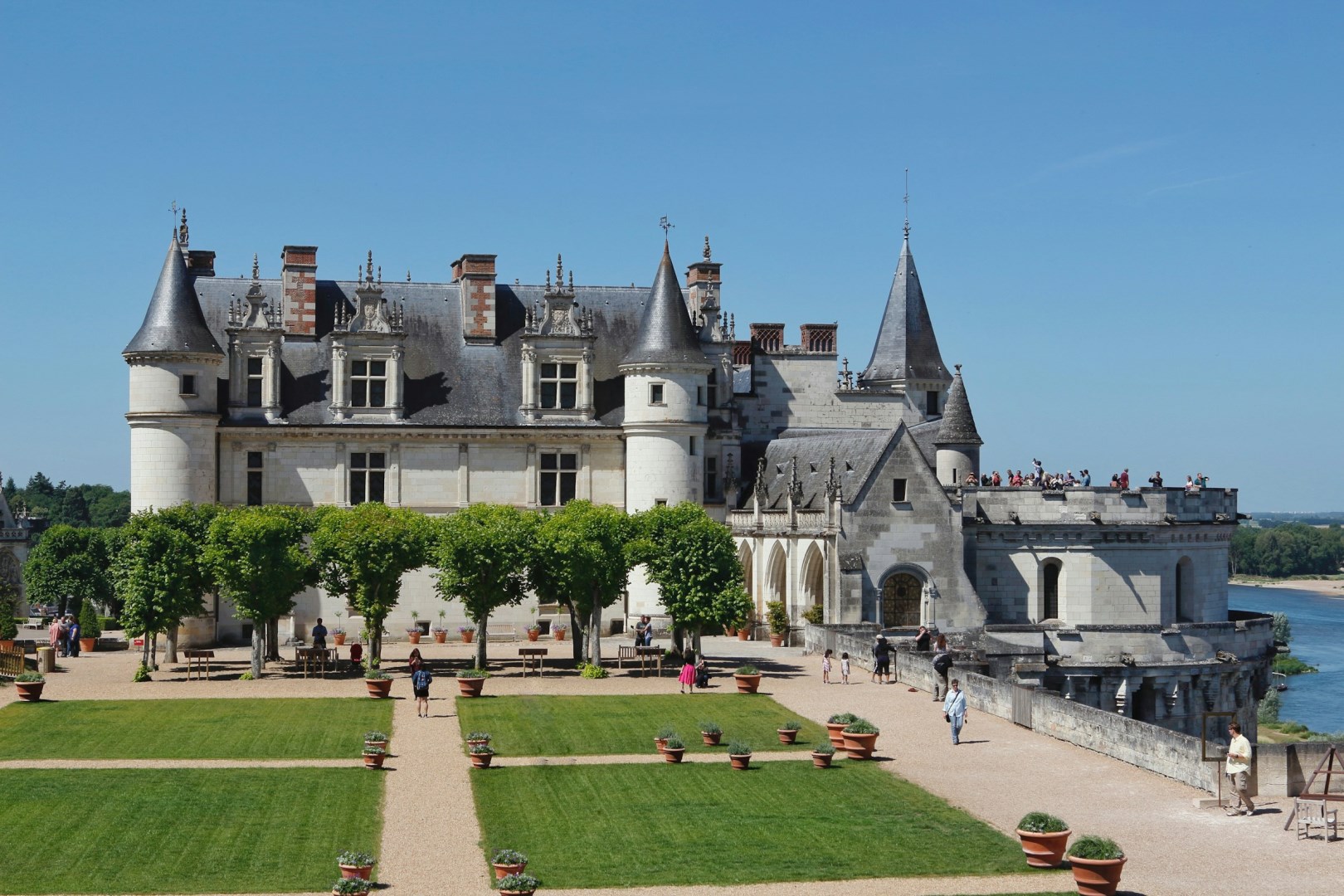
Amboise has 12,000 inhabitants and is in the heart of Touraine, in the land of chateaux. It is a town both traditional and modern, lively and quiet. In Amboise, there is a royal castle set above the Loire Valley and is a strong point extensively embellished during the 15th and 16th centuries.

Graz
Graz, Austria's second-largest city, is a hidden gem that offers a perfect blend of history, culture, and modernity. Its well-preserved medieval old town, a UNESCO World Heritage Site, invites visitors to stroll through cobblestone streets lined with Renaissance courtyards and Baroque façades. At the heart of the city is the Schlossberg, a forested hill crowned by the iconic clock tower, Uhrturm.