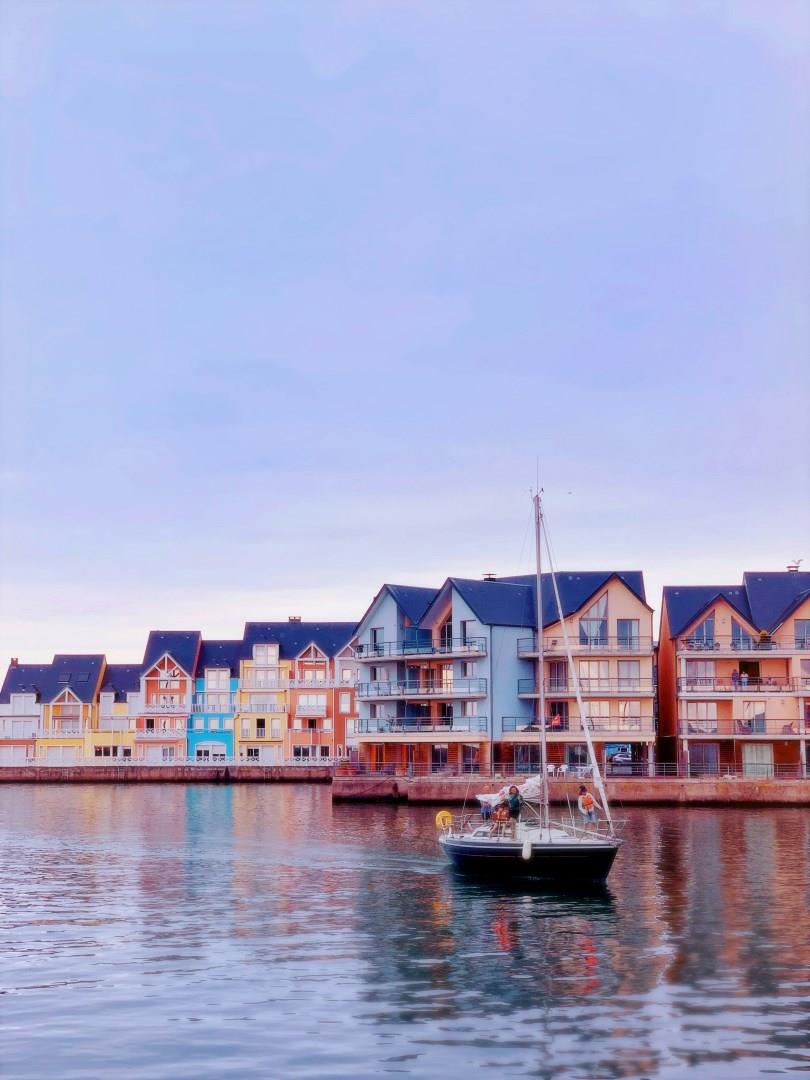
Deauville sits on the Normandy coast of northern France and has long been associated with seaside leisure, elegance, and cultural life. Developed in the mid-19th century as a resort for Parisian society, the town quickly became a place where architecture, fashion, and social rituals shaped its identity.
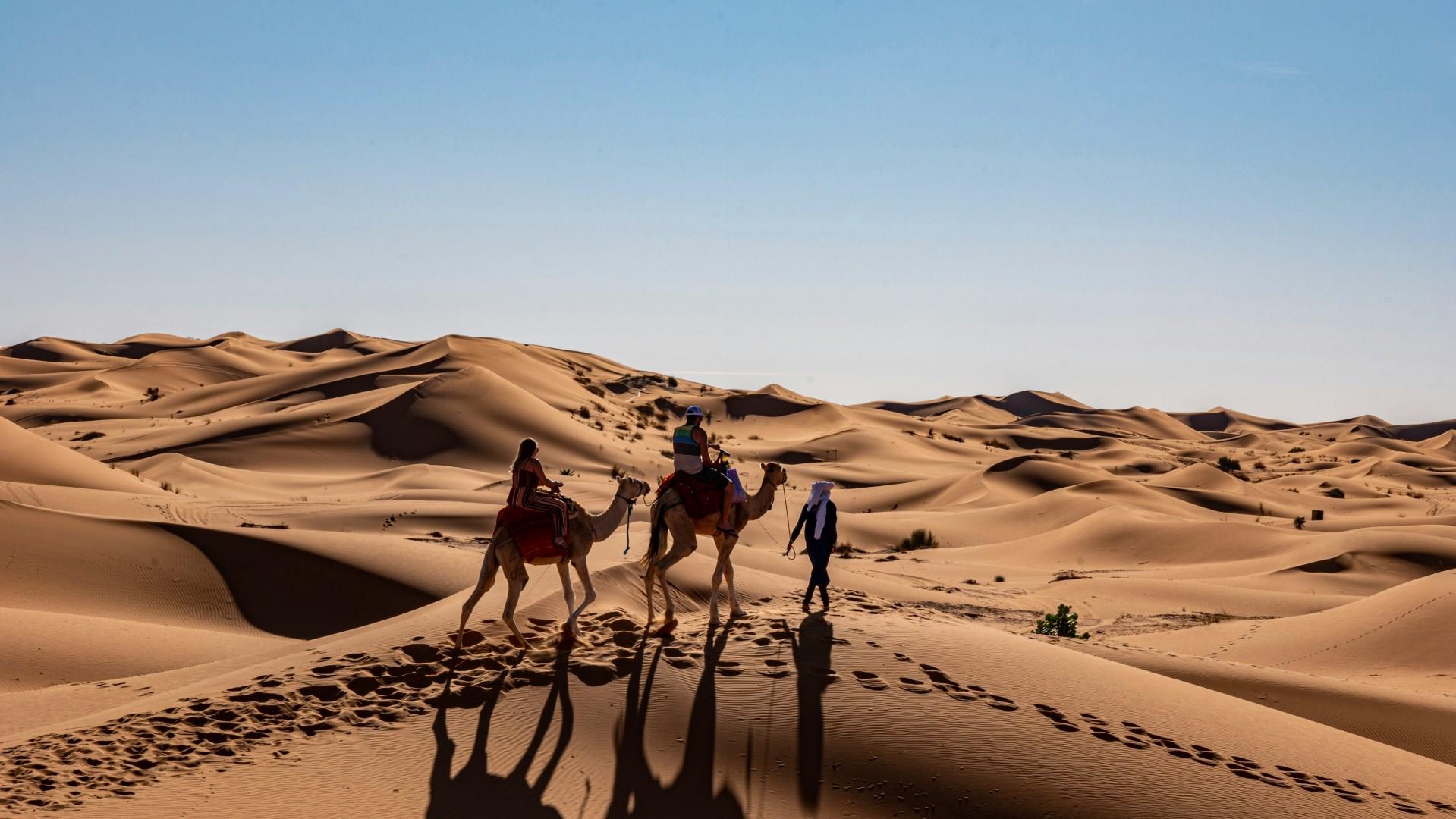
Erfoud, a desert town in eastern Morocco, is often seen as the last stop before the endless dunes of the Sahara begin. But this oasis holds more than just a convenient location. Known as the "Gateway to the Desert," Erfoud is steeped in history that predates the modern borders of Morocco. It was once a French colonial outpost, and today, its dusty streets and adobe buildings offer a glimpse into a slower, older way of life that still shapes the region’s identity.
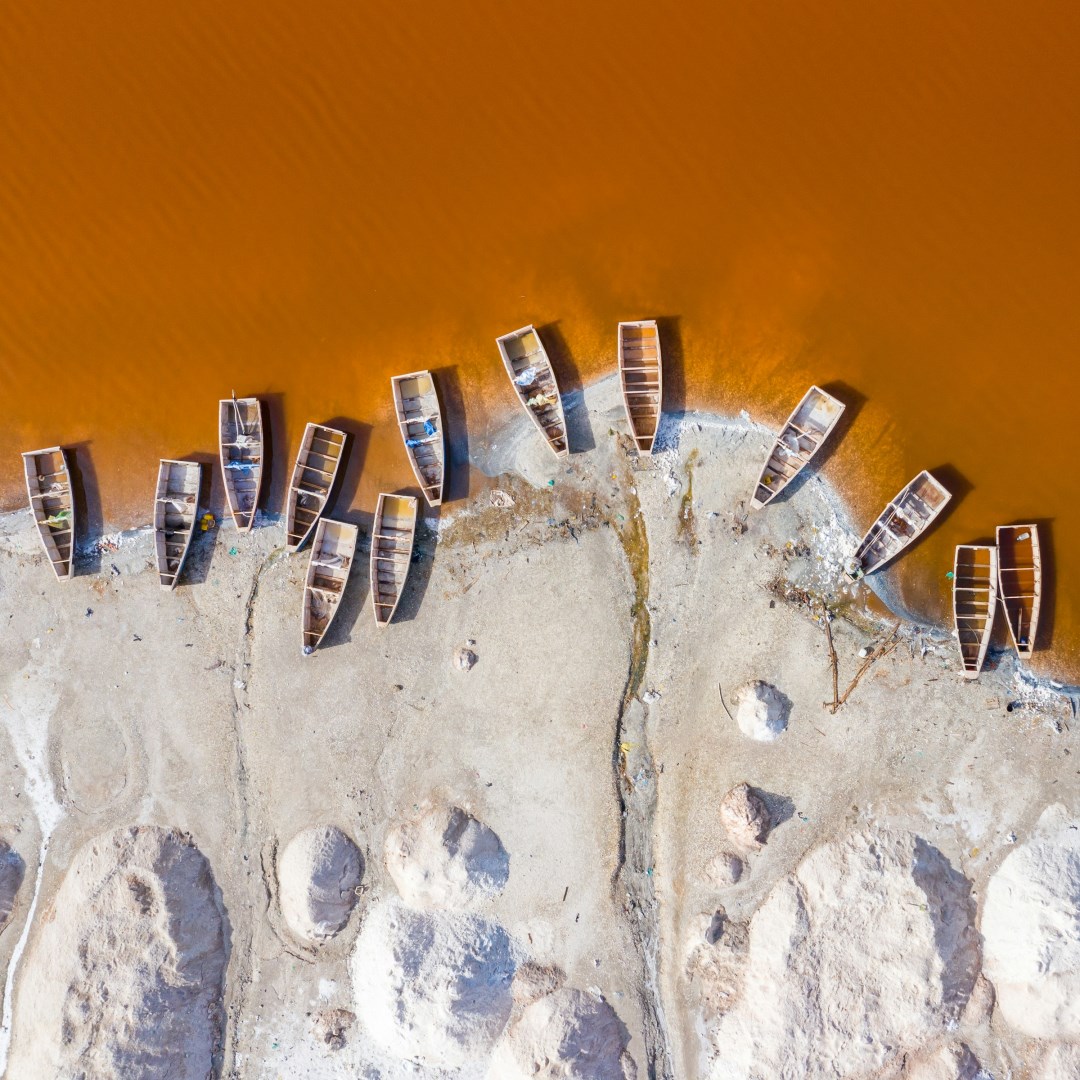
Lake Retba, also known as Lac Rose, is a shallow salt lake near the Atlantic coast, north of Dakar. Its water is separated from the ocean by a narrow belt of dunes, creating a landscape of pale sand, salt flats, and low scrub. The lake is best known for its high salt concentration, which can produce pink, reddish, or mauve tones under particular conditions of sunlight and water chemistry. Its appearance changes with weather and light rather than remaining one fixed color.
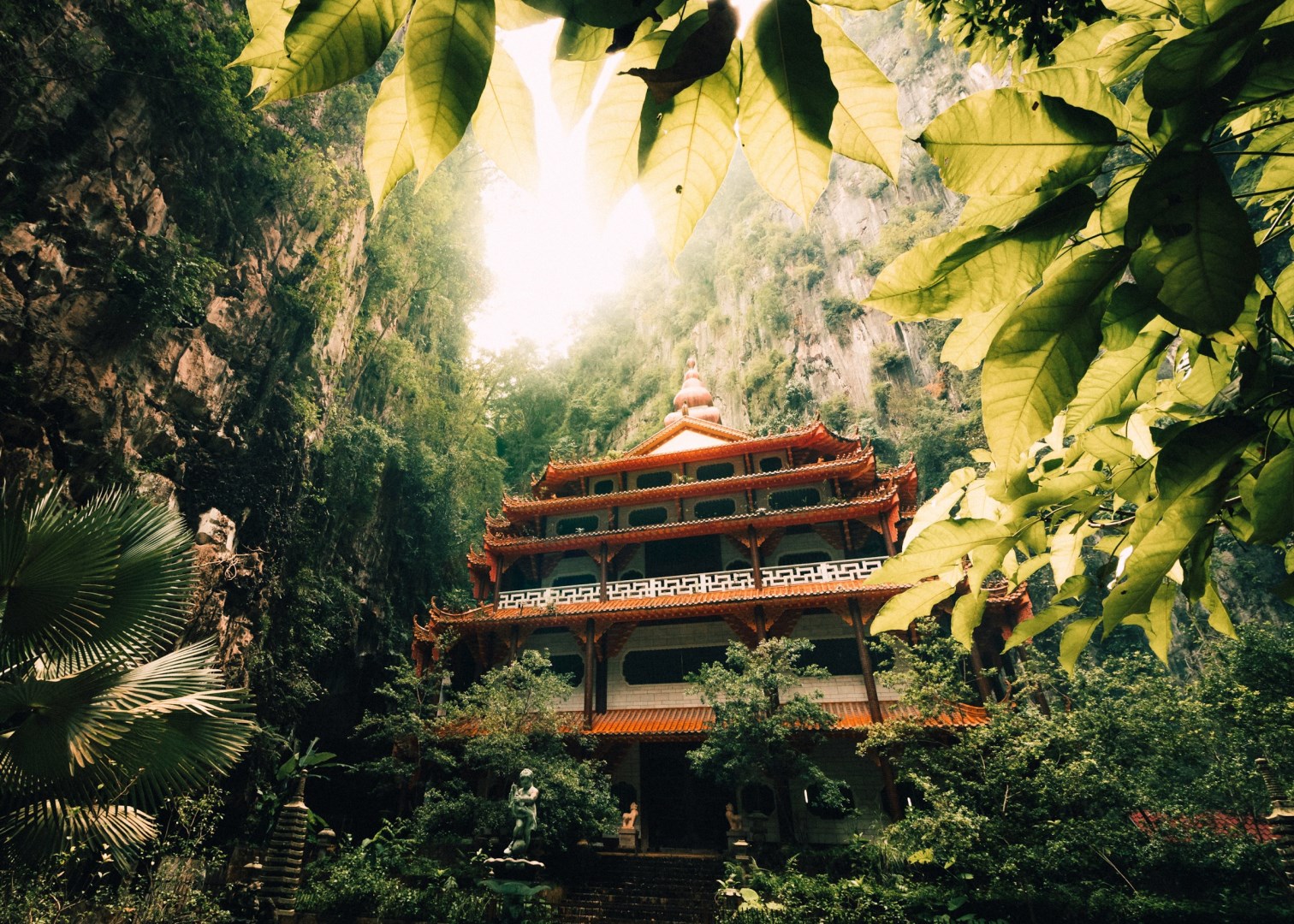
Ipoh is the capital of Perak in northwestern Peninsular Malaysia, surrounded by limestone hills and a landscape shaped by the Kinta Valley. The city developed as a major center for tin mining, and remnants of that period remain visible in its historic buildings, streets, and former mining areas.
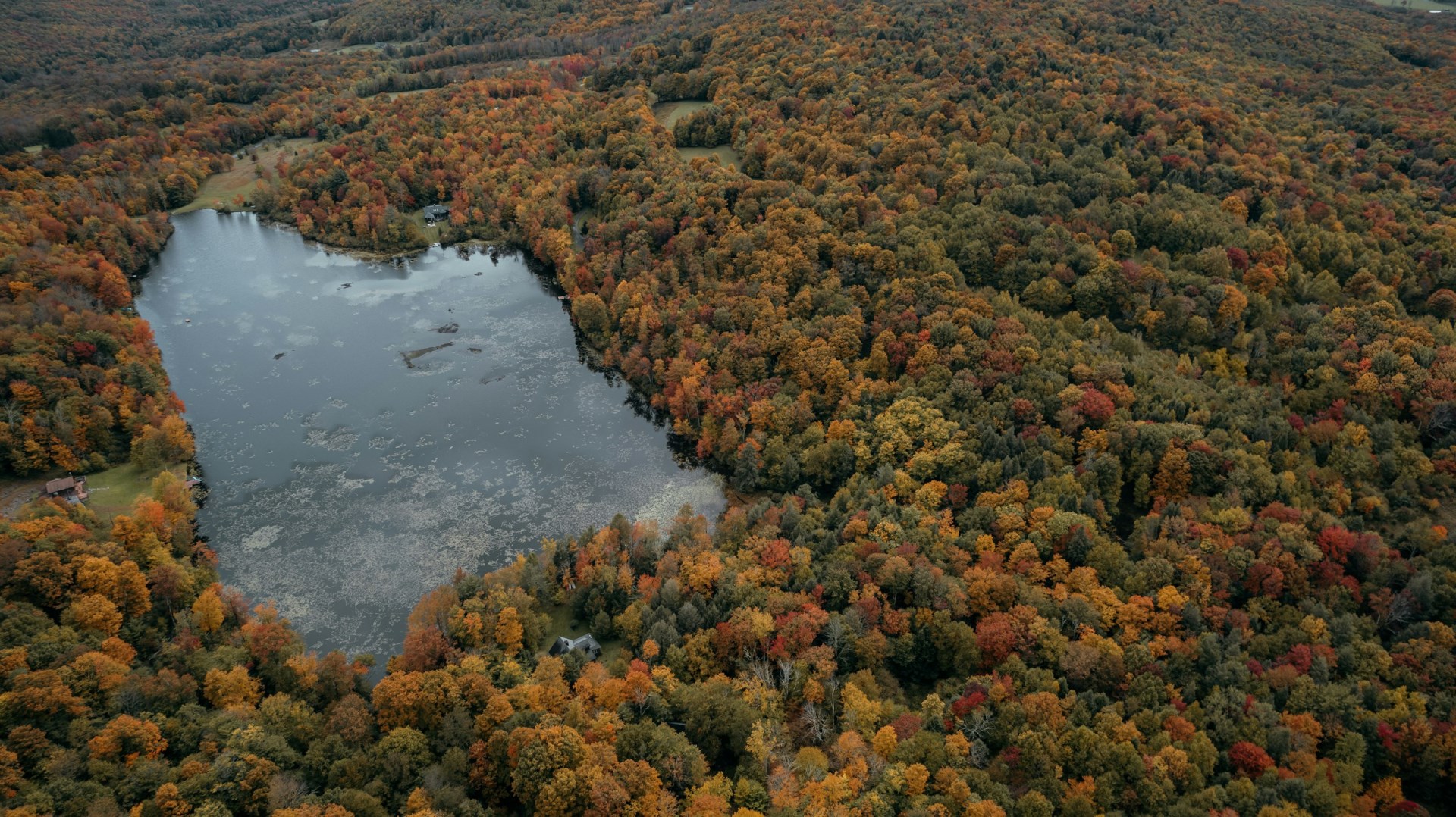
The Catskill Mountains are a mountainous region in southeastern New York, forming part of the larger Appalachian landscape. The area is centered on the Catskill Park, which covers more than 700,000 acres across Delaware, Greene, Sullivan, and Ulster counties. Forested slopes, steep valleys, streams, lakes, and rocky overlooks define the terrain, while small towns and rural communities occupy the surrounding valleys.
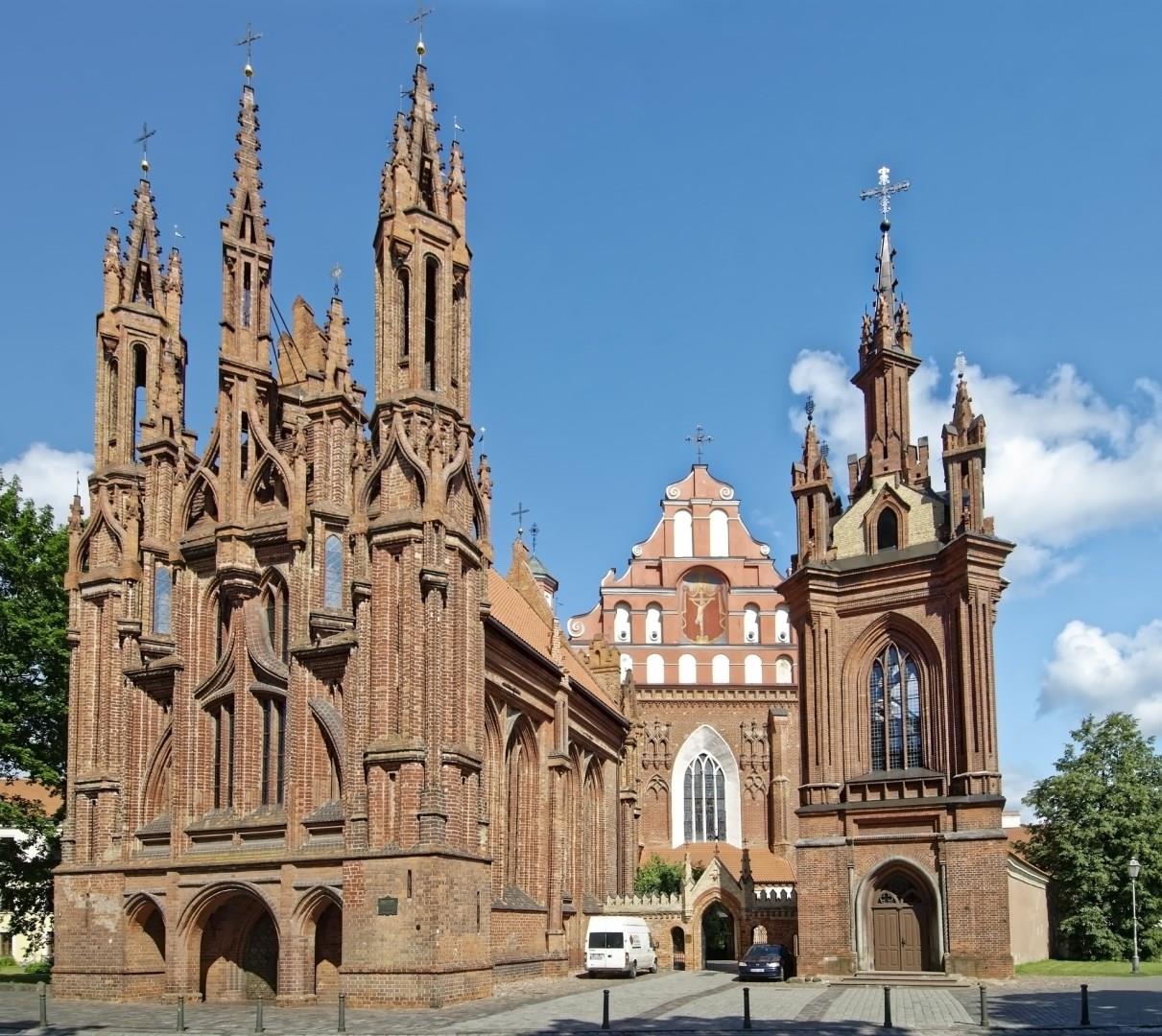
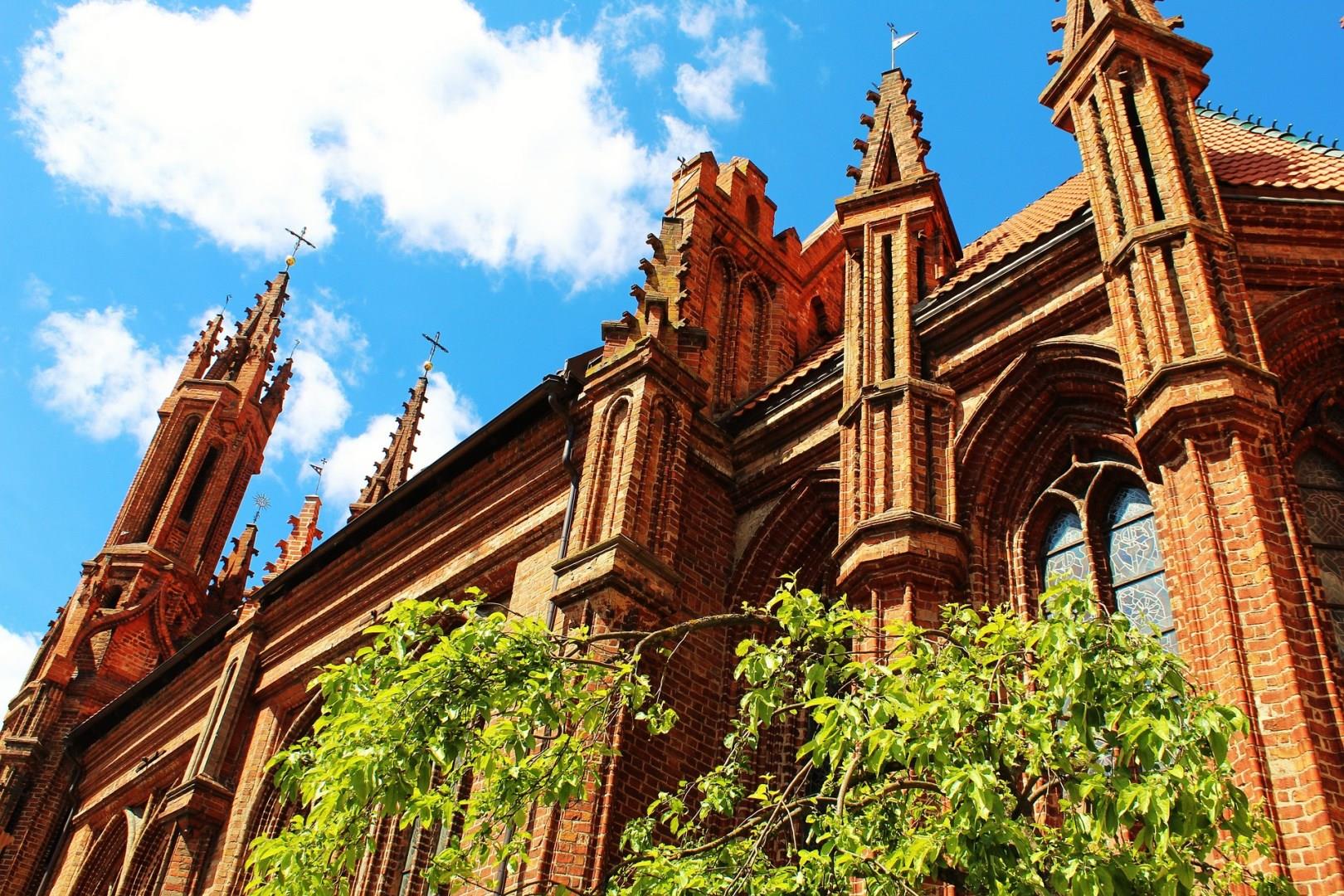
Vilnius, the charming capital of Lithuania, is a city where historical grandeur meets vibrant modernity. The heart of Vilnius is its UNESCO-listed Old Town, one of the largest and most well-preserved medieval city centers in Europe. Wander through its cobblestone streets and admire the stunning Baroque architecture. This architectural gem is renowned for its intricately decorated interior and the delicate plasterwork that graces its walls.
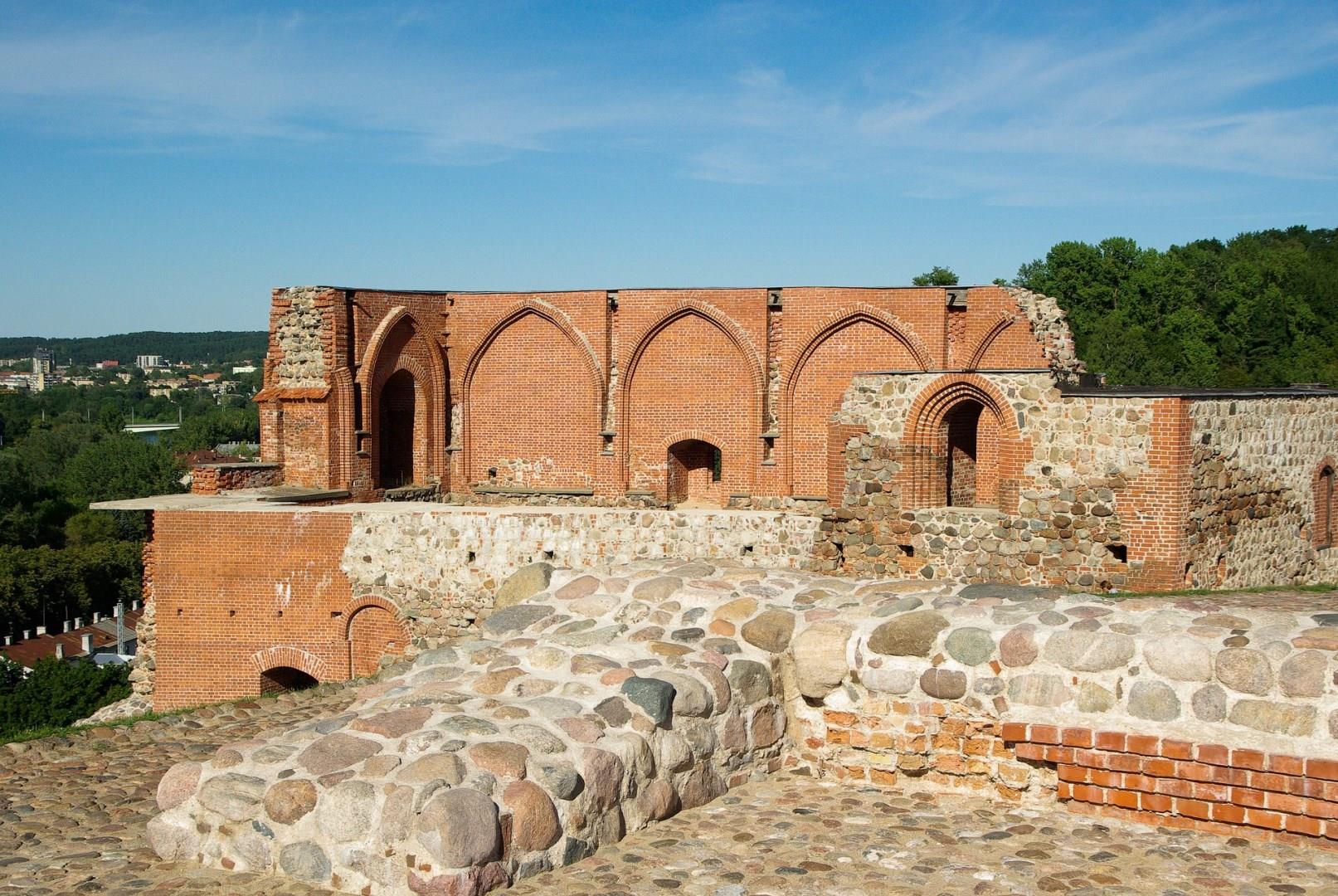
Vilnius is also home to Gediminas’ Tower, a historical fortress offering panoramic views of the city. The tower is a remnant of the Upper Castle and provides a fascinating glimpse into Lithuania's medieval past. It's an ideal spot for those interested in history and photography alike. For more details on this landmark, visit the Vilnius Tourism Gediminas' Tower page.
A stroll through the Uzupis district reveals a quirky and artistic side of Vilnius. Often compared to Paris's Montmartre, this bohemian enclave has declared itself an independent republic with its own constitution and artistic spirit. The district's vibrant murals and lively art scene make it a unique spot for exploration. Discover more about Uzupis at the Uzupis Art Incubator.
Fun Fact: Vilnius is known for its impressive number of churches, with over 40 in the Old Town alone. This makes it a paradise for architecture enthusiasts and those seeking spiritual and historical insights.
Other Popular Destinations in Lithuania
Klaipeda
Klaipeda, Lithuania’s only port city, is a place where history, nature, and the sea come together. Located on the coast of the Baltic Sea, this charming city has a unique old town filled with cobblestone streets.
Trakai
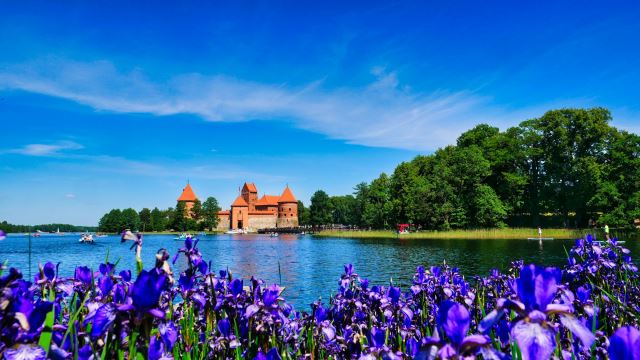
Trakai is a small historic town west of Vilnius, surrounded by lakes and wooded landscapes in southeastern Lithuania. Its most recognizable landmark is Trakai Island Castle, a red-brick fortress built on an island in Lake Galvė and connected to the shore by a wooden bridge. The town itself is set between several lakes, including Lake Galvė, Lake Totoriškės, and Lake Luka, giving its streets and waterfront a distinctly waterside setting.