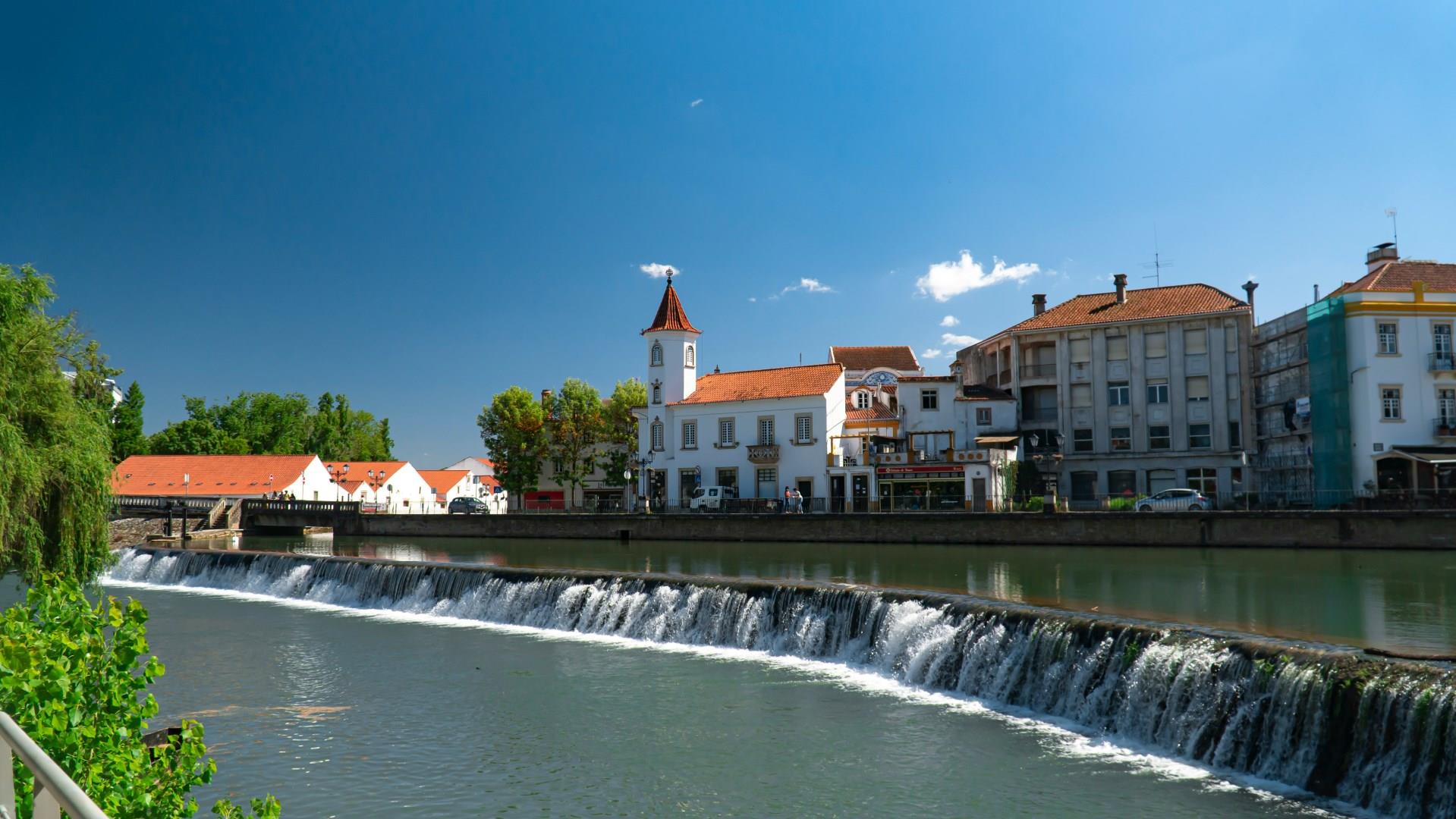
Tomar sits on the Nabão River in central Portugal as a place where medieval history and everyday life meet in welcoming streets and grand monuments. Just outside the convent walls lies the Pegões Aqueduct, an impressive feat of engineering more than 6 kilometers long that once carried water from distant springs to the hilltop site. Some sections of its arches rise more than 30 meters above the valley floor, making it a striking backdrop for photos.
Guernsey, the second-largest of the Channel Islands, blends coastal landscapes with a deep-rooted history shaped by centuries of outside influence. Though located closer to France than to mainland Britain, Guernsey is a British Crown Dependency with its own government and a distinct identity. The capital, St Peter Port, is a hillside town overlooking a natural harbor, where visitors can explore narrow lanes, stone stairways, and 18th-century buildings.
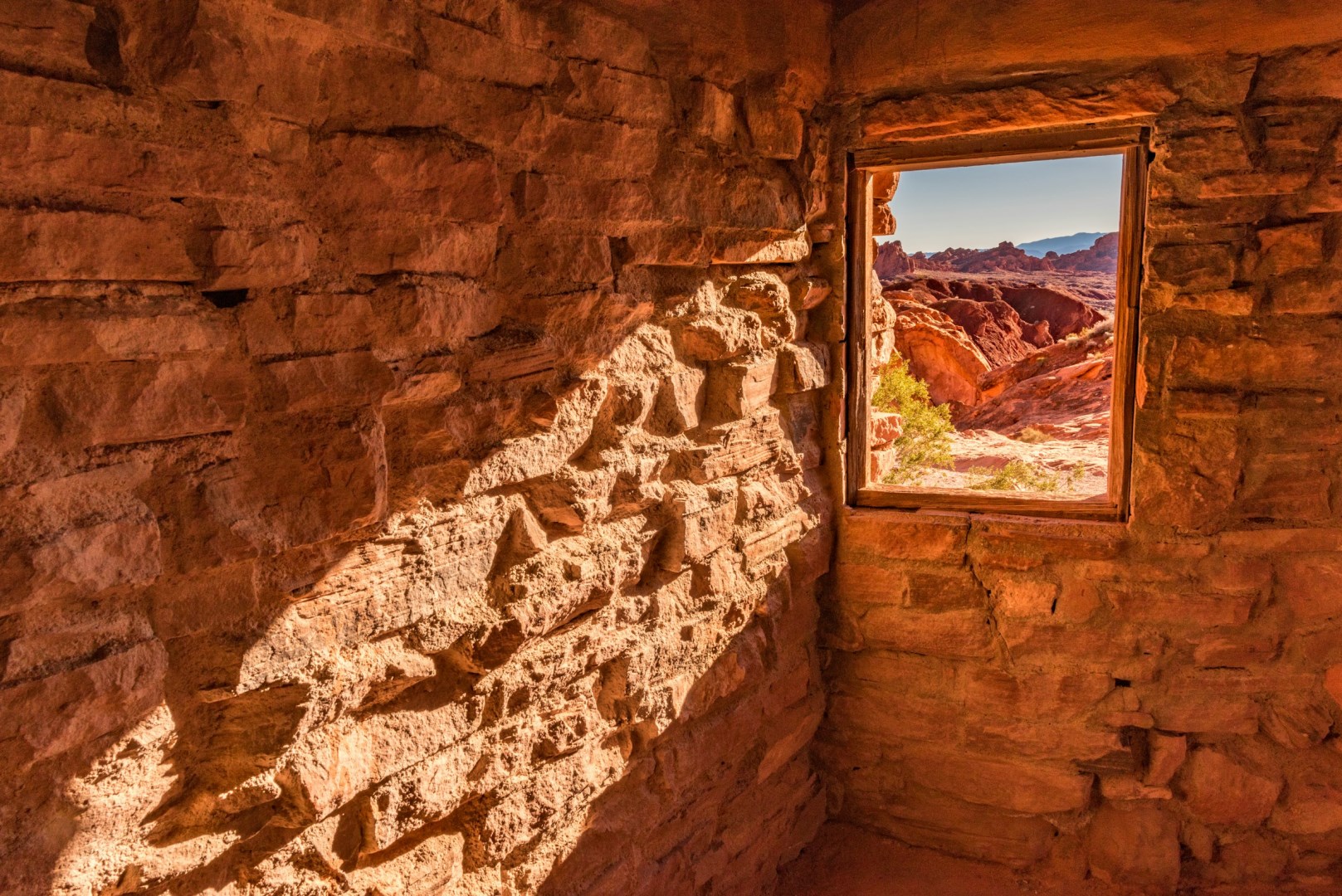
Valley of Fire State Park lies in southern Nevada, northeast of Las Vegas, where more than 40,000 acres of red sandstone formations rise from a desert landscape of limestone hills and broad valleys. The park is Nevada’s largest state park and is named for the fiery appearance of its sandstone when sunlight strikes the rock. Wind and water have shaped the landscape into arches, narrow passages, domes, and ridges in shades of red, orange, tan, pink, and white.
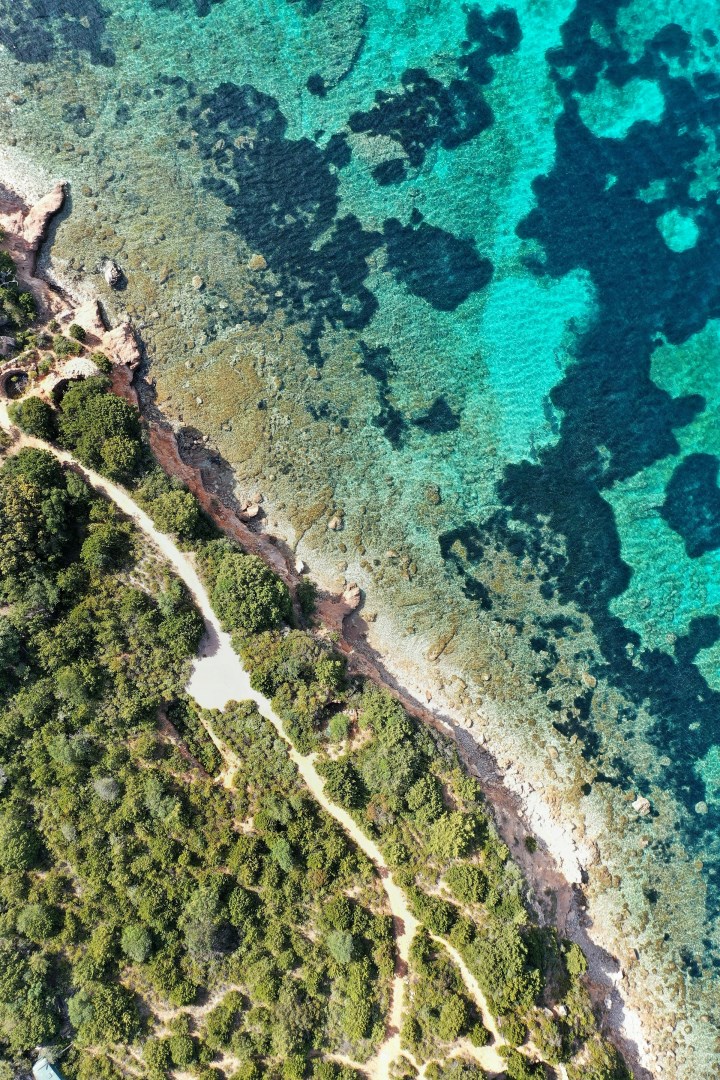
Olbia, located on the northeast coast of Sardinia, offers a blend of history and modernity. The city is known for its well-preserved ruins and historical sites, such as the Basilica di San Simplicio, an 11th-century Romanesque church built from local granite.
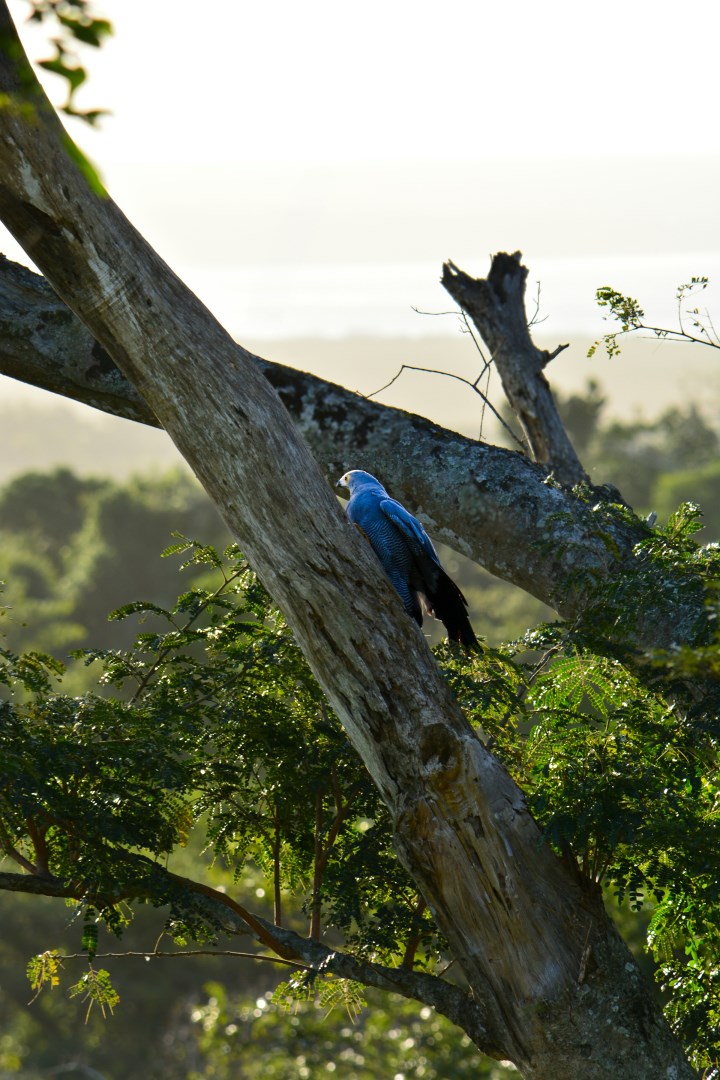
St Lucia is a small coastal town in northern KwaZulu-Natal, positioned beside the St Lucia Estuary and within the iSimangaliso Wetland Park. The town is surrounded by a landscape of wetlands, coastal forests, grasslands, dunes, lakes, and the Indian Ocean. Its location makes it a base for exploring one of South Africa’s most diverse protected areas, where freshwater and marine environments occur close together.
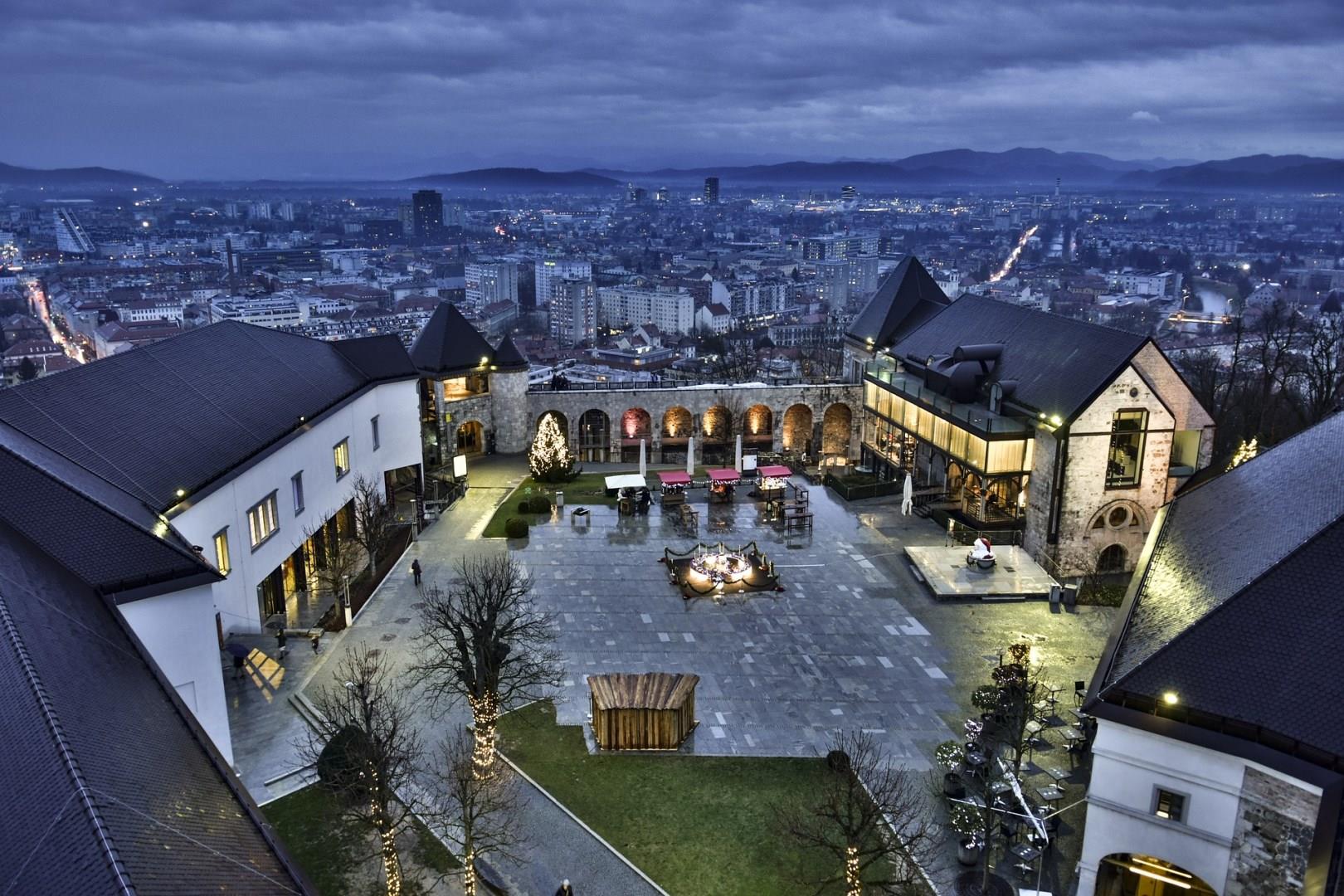
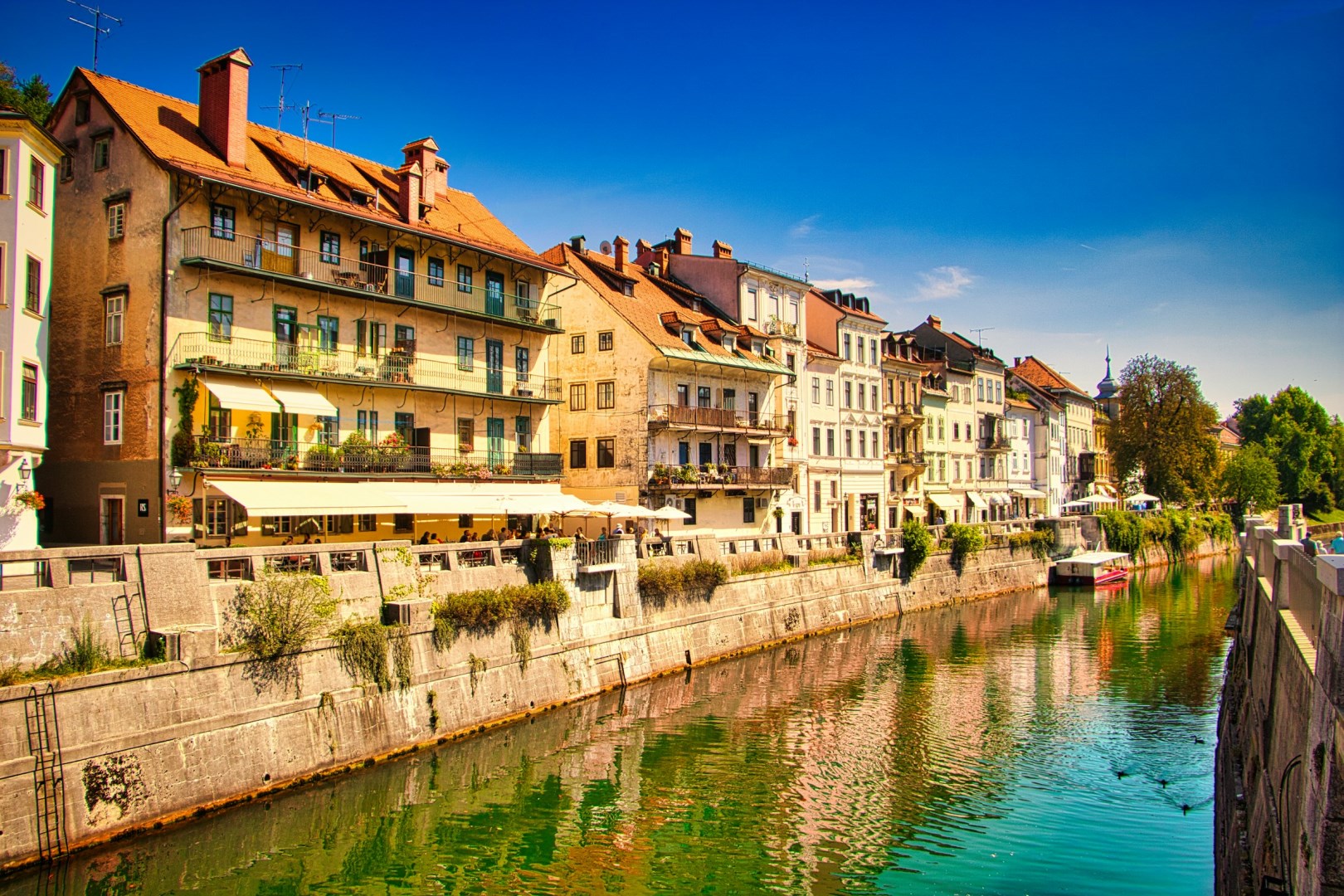
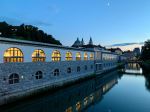
Ljubljana, Slovenia's charming capital, offers a delightful blend of historical allure and modern vibrancy. Nestled along the Ljubljanica River, this picturesque city invites visitors to explore its well-preserved medieval architecture and vibrant cultural scene. At the heart of Ljubljana is the iconic Ljubljana Castle, perched on a hilltop with stunning panoramic views of the city. This medieval fortress, dating back to the 11th century, houses several museums and hosts various cultural events. For more details, visit the Ljubljana Castle website.
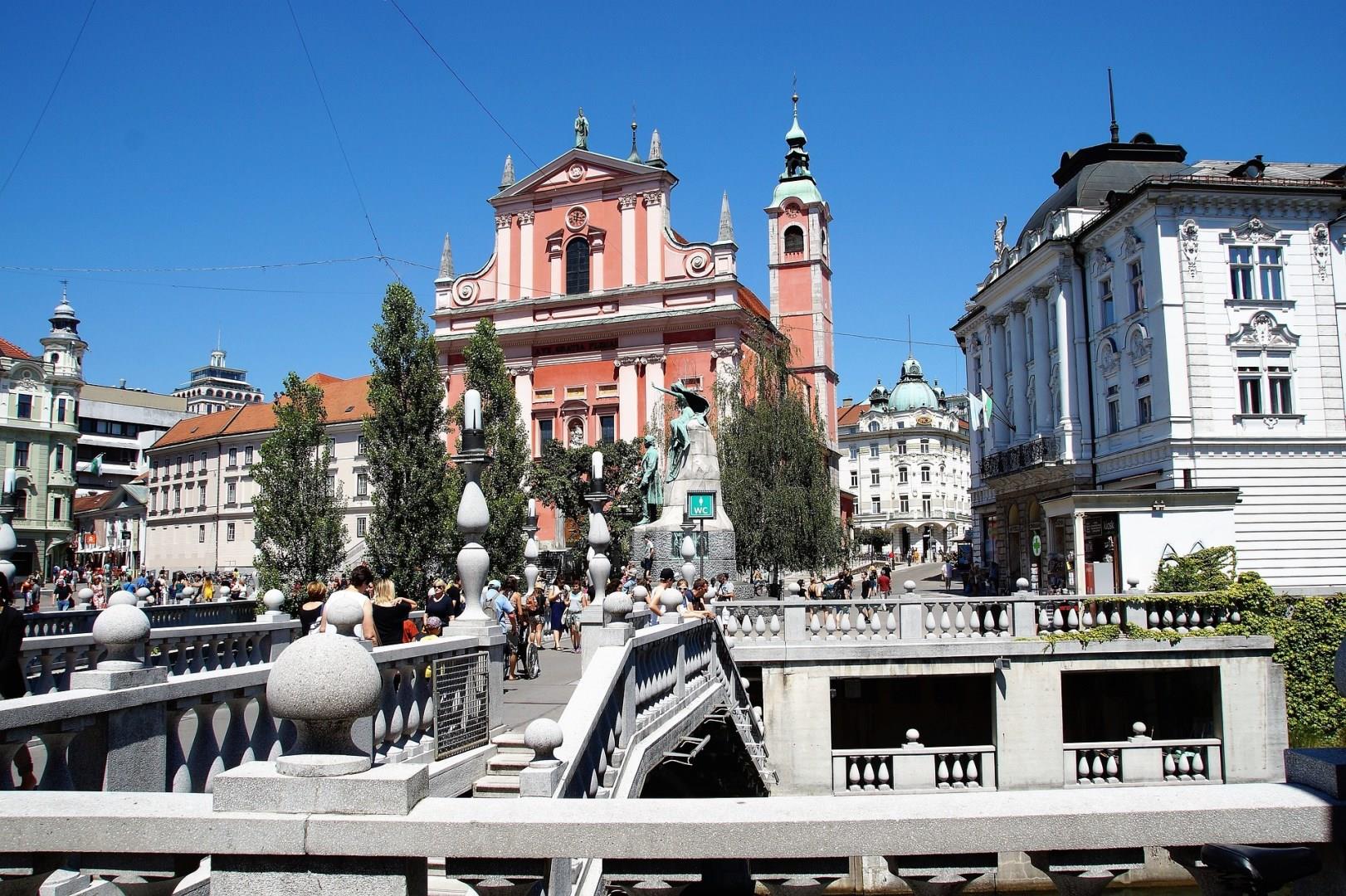
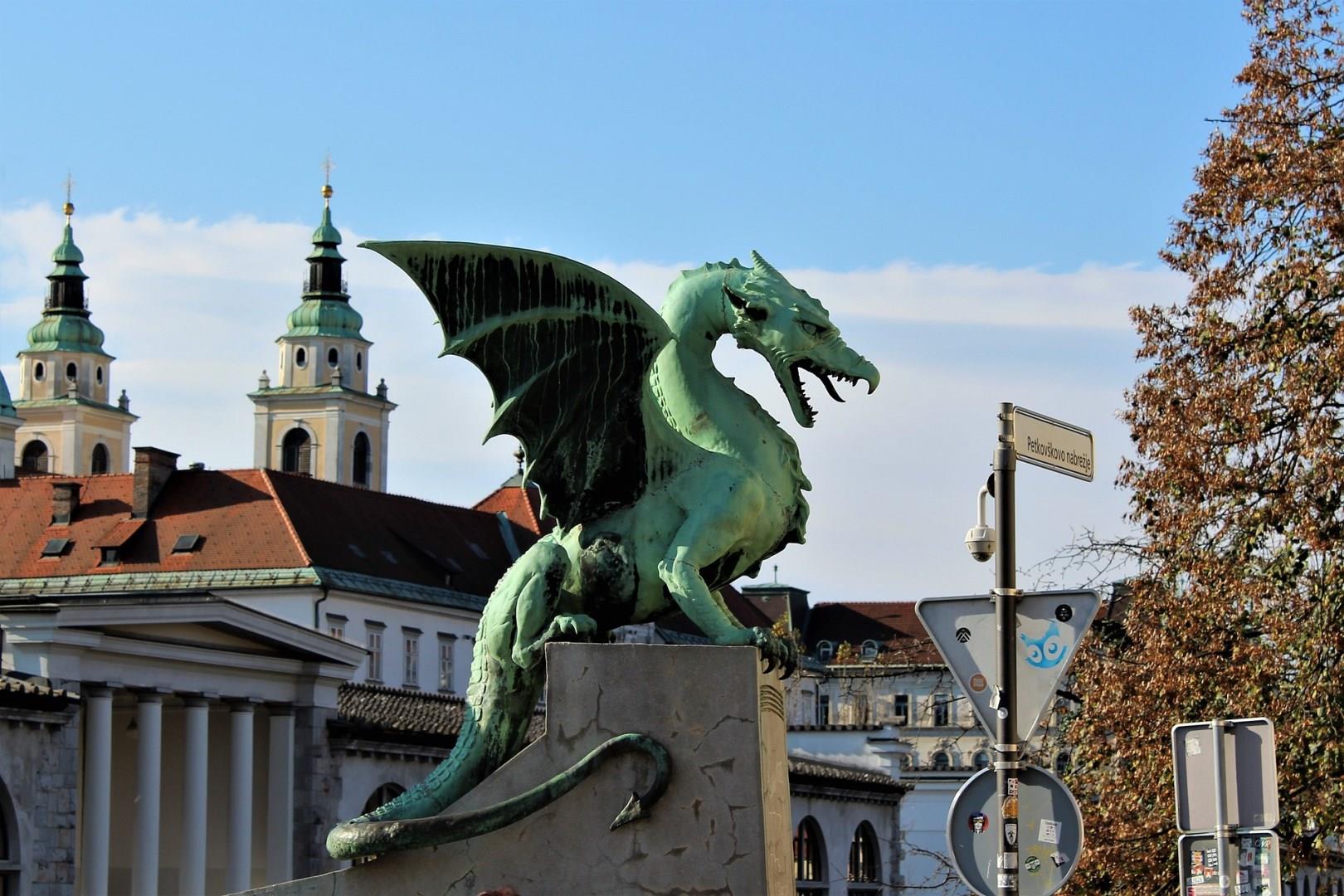
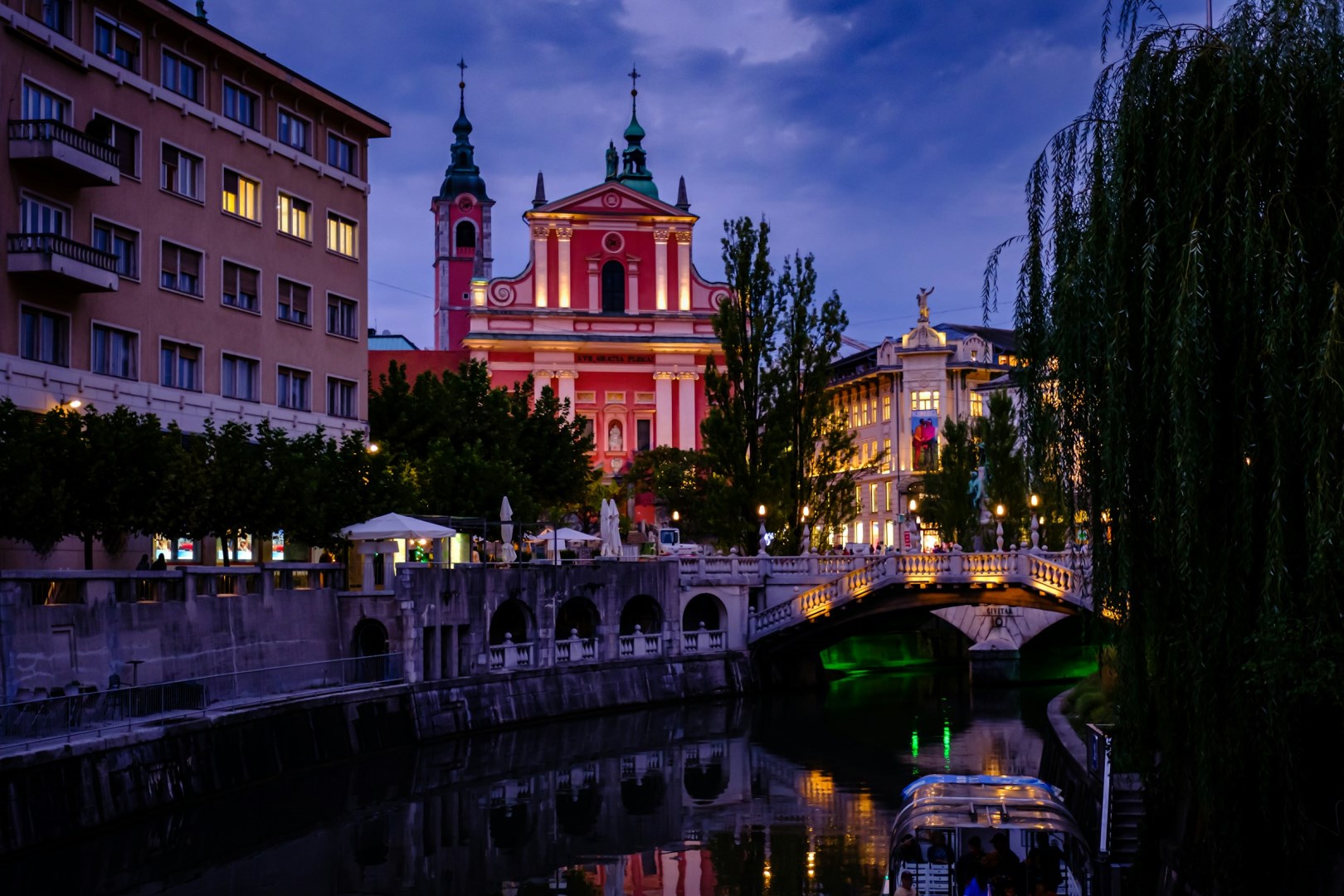
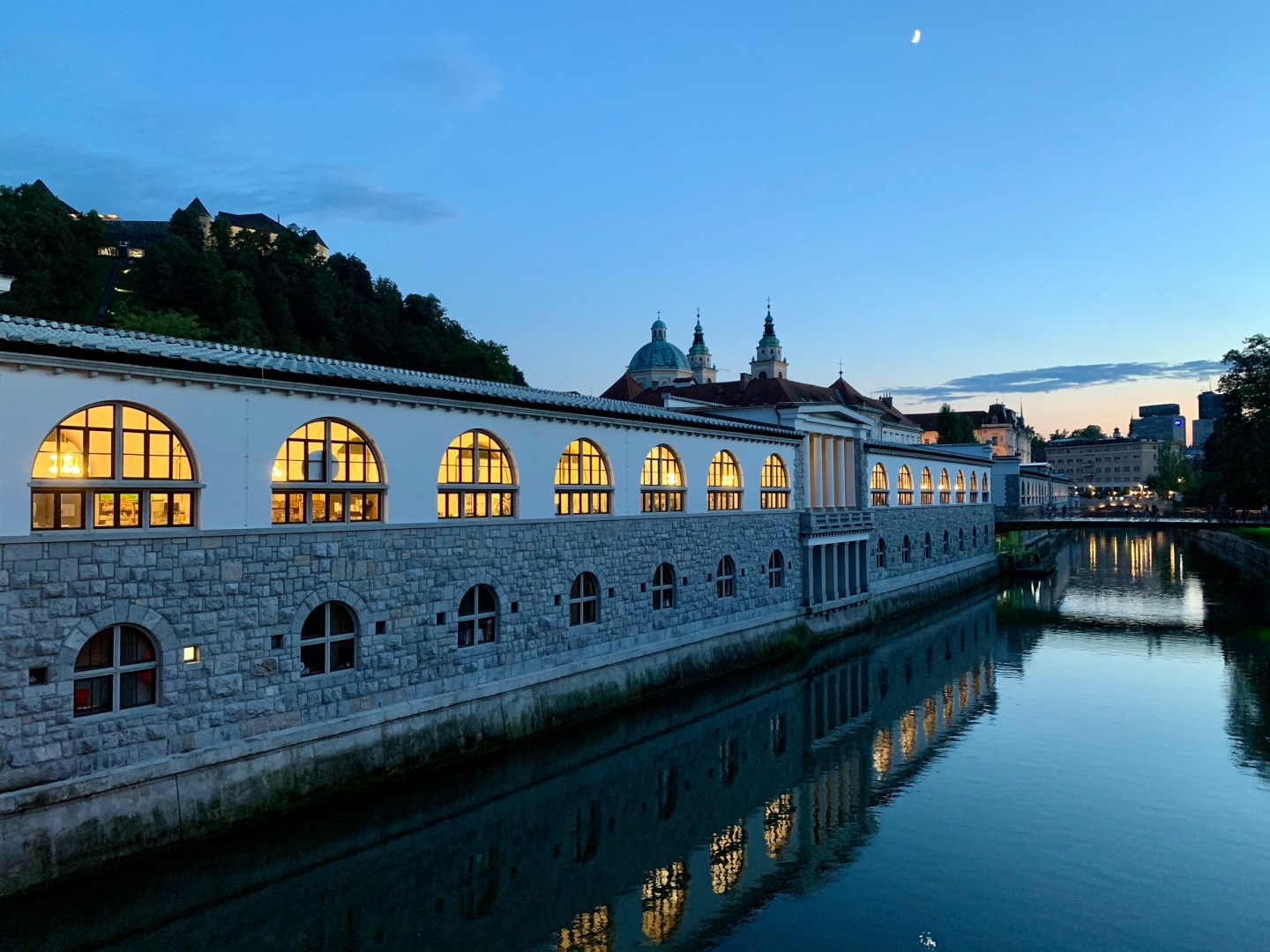
The city's center is renowned for its striking Art Nouveau architecture and charming bridges, including the famous Triple Bridge designed by architect Jože Plečnik. The lively atmosphere of Prešeren Square, named after Slovenia's greatest poet, is perfect for people-watching and soaking in the local ambiance. Adjacent to the square, you'll find the bustling Central Market, where local produce and artisanal goods are on offer. For a deeper dive into the architectural marvels of Ljubljana, check out Visit Ljubljana
Ljubljana's cultural offerings extend beyond architecture. The city's numerous museums, including the National Gallery and the Museum of Modern Art, showcase Slovenia's rich artistic heritage. Additionally, the Tivoli Park, Ljubljana's largest green space, provides a serene escape with its lush landscapes and scenic walking trails. The park's official page offers more insights into this beautiful retreat.
Fun Fact: Ljubljana was named the European Green Capital in 2016, reflecting its commitment to sustainability and eco-friendly practices. The city’s charming blend of green spaces and pedestrian-friendly streets makes it an excellent destination for those looking to explore in a relaxed and environmentally-conscious setting.
Other Popular Destinations in Slovenia
Bled
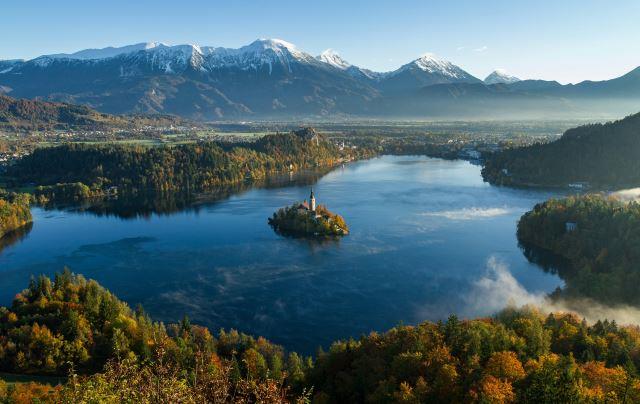
Bled, a small town in northwestern Slovenia, has gained international attention thanks to its lake, which features a lone island topped with a baroque church. Visitors often take traditional wooden boats called pletna to reach the island, where it's customary to ring the church bell and make a wish. According to local legend, the bell was originally cast in memory of a young widow’s lost husband, and today, its chime echoes across the lake as a symbol of devotion and hope.
Koper
Located on the Adriatic, Koper is a coastal port city in Slovenia. Koper is home to a variety of architectural gems dating back centuries, especially near the city's central Tito Square. Koper's marina and beaches provide spectacular views of the Bay of Trieste, while the city's variety of museums, parks, restaurants, and bars offer plenty to explore and entertain.