Nazca
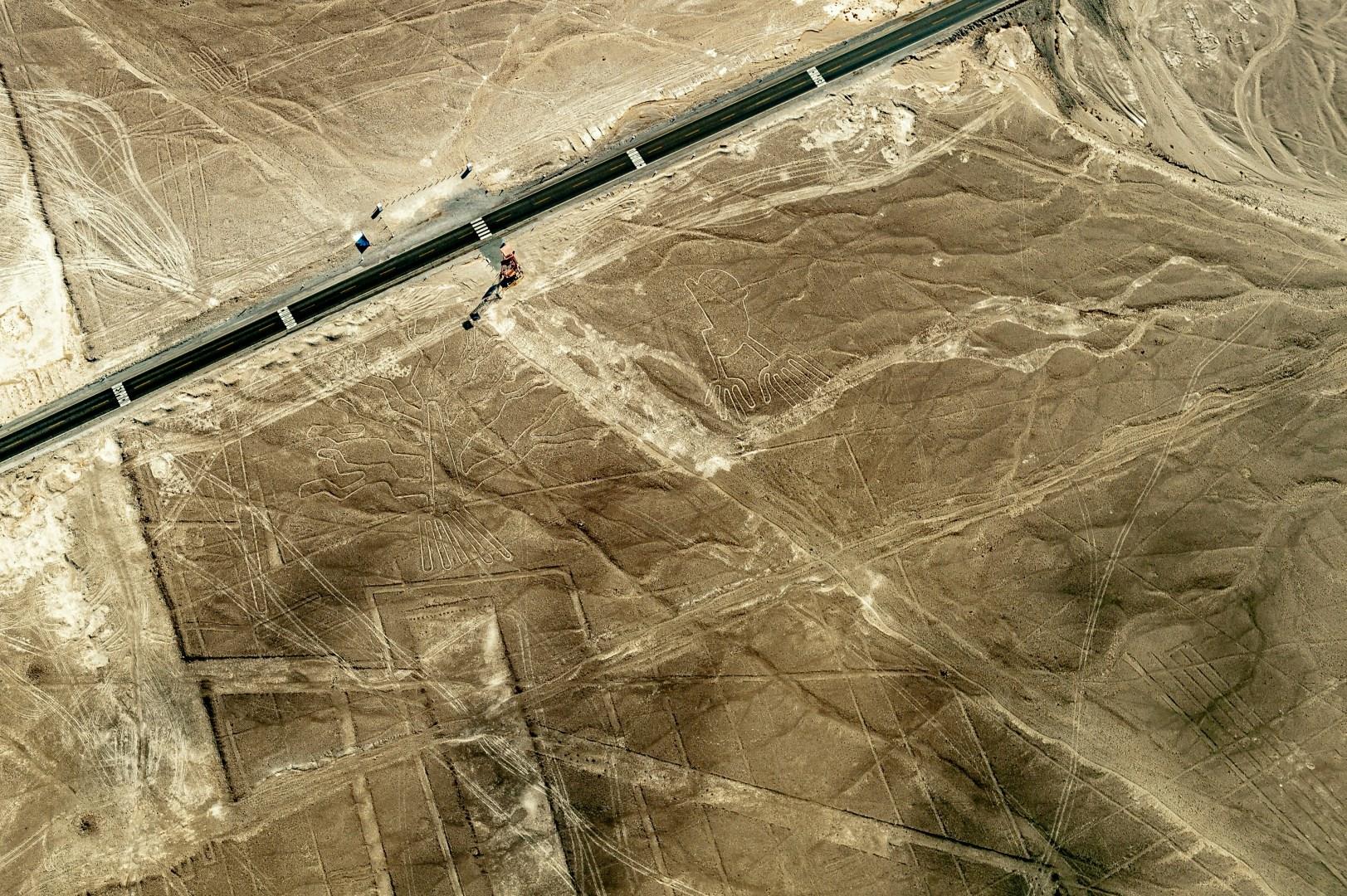
In the southern deserts of Peru, Nazca invites visitors to look beyond the horizon. This small city is world-famous for the mysterious Nazca Lines, enormous geoglyphs etched into the desert floor more than 1,500 years ago. From the air, shapes like hummingbirds, monkeys, and even a stylized astronaut come into view, some stretching over 300 meters. Their exact purpose remains a mystery, fueling decades of theories.
Selfoss
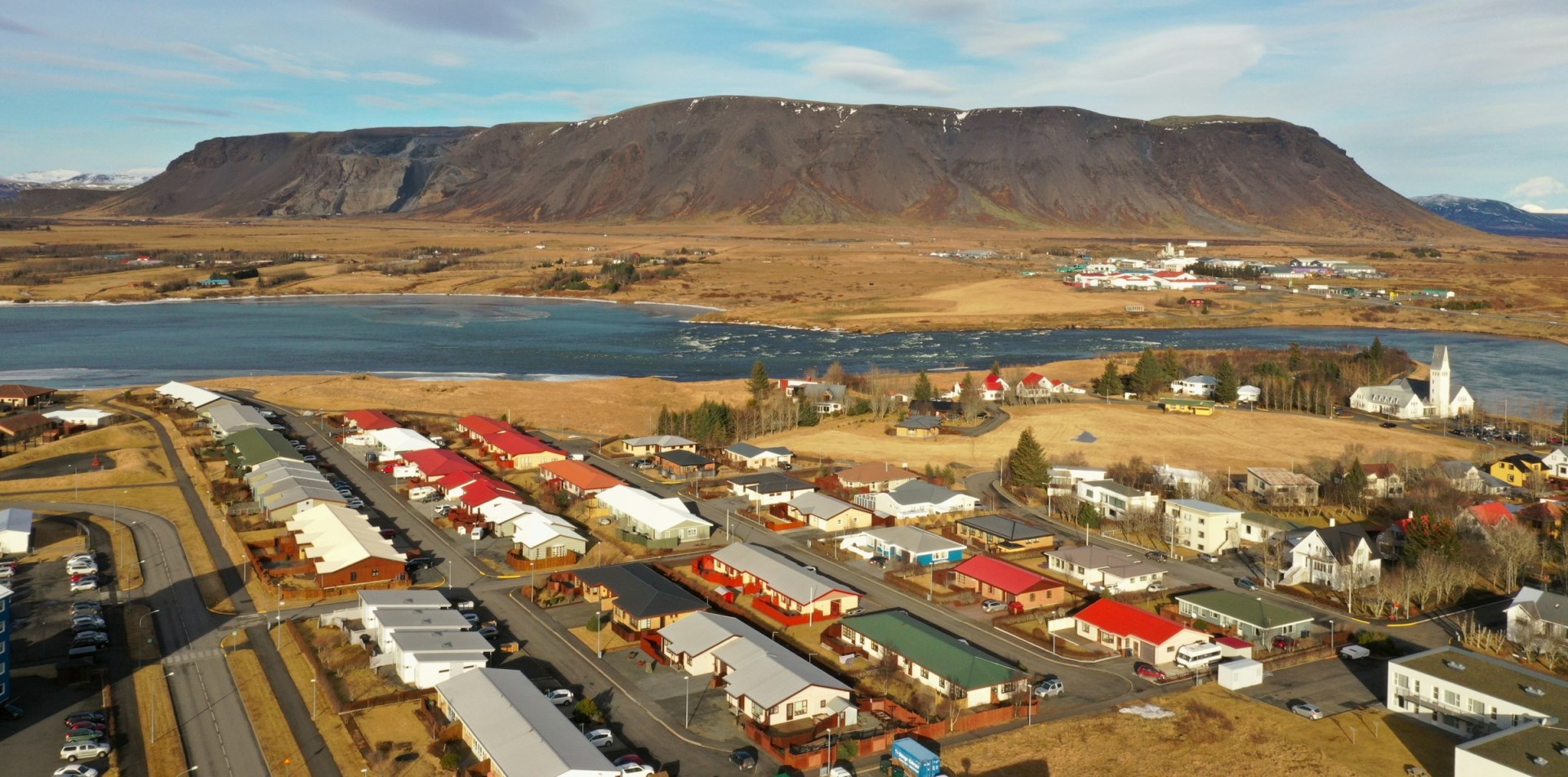
Selfoss is the largest town in South Iceland and an important service center for the surrounding agricultural communities. It stands on the Ölfusá River, whose broad waters are fed by the glacial rivers of Iceland’s southern highlands. The town is relatively modern in appearance, but its position beside the river has long made it an important crossing point and meeting place.
Glennallen
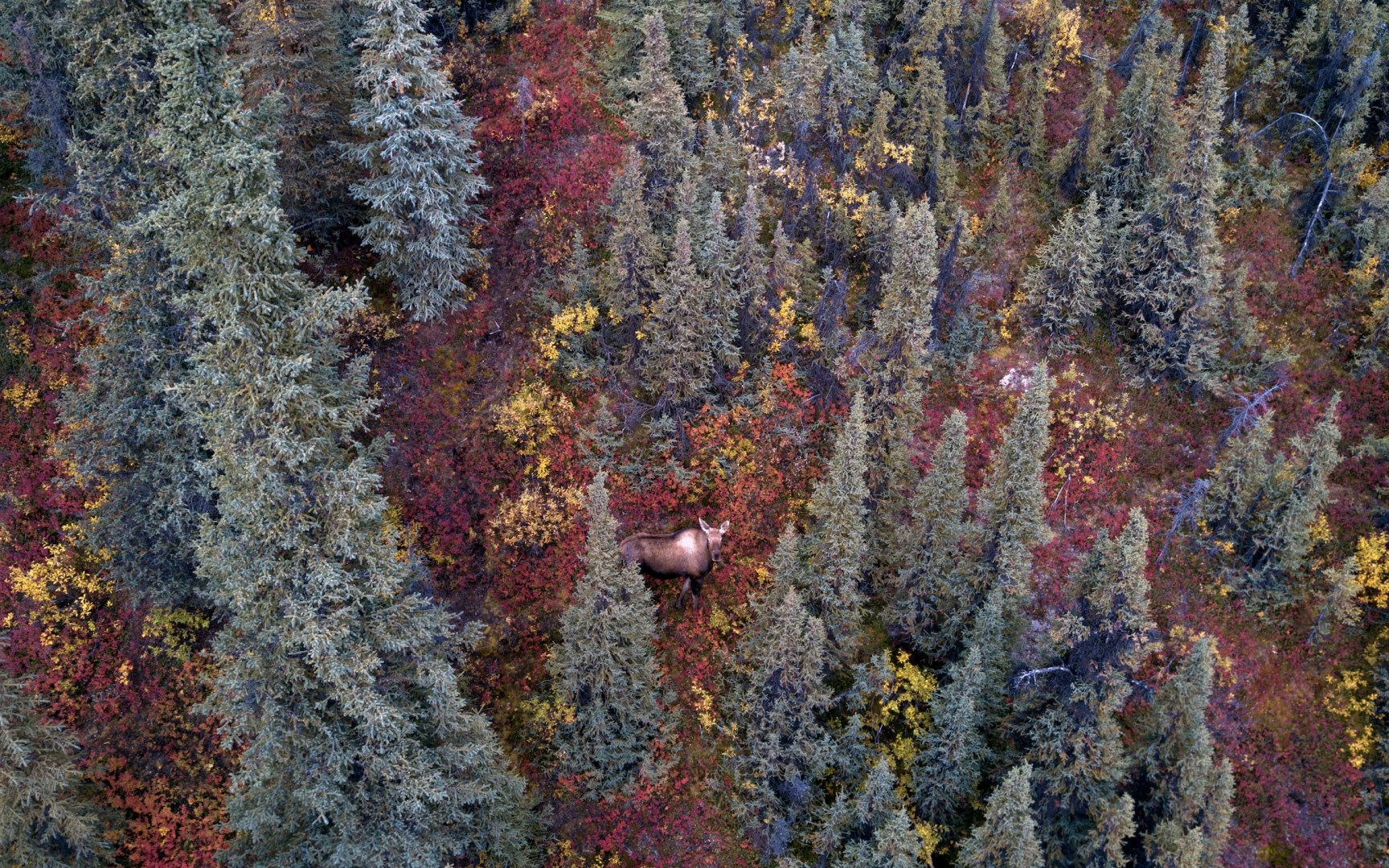
Glennallen is a small community in the Copper River Valley of south-central Alaska, positioned near the junction of the Glenn and Richardson highways. It serves as a regional service center for a widely scattered population and is surrounded by broad valleys, forests, wetlands, and distant mountain ranges. The Wrangell and Chugach Mountains rise around the wider region, while the Copper River and its tributaries shape the landscape.

Charlotte Amalie
With its mix of history, culture, and breathtaking natural beauty, Charlotte Amalie offers an unforgettable Caribbean experience. Whether you’re soaking up the sun on a world-class beach or diving into the island’s rich heritage, there’s something for everyone in this captivating destination.
Bran
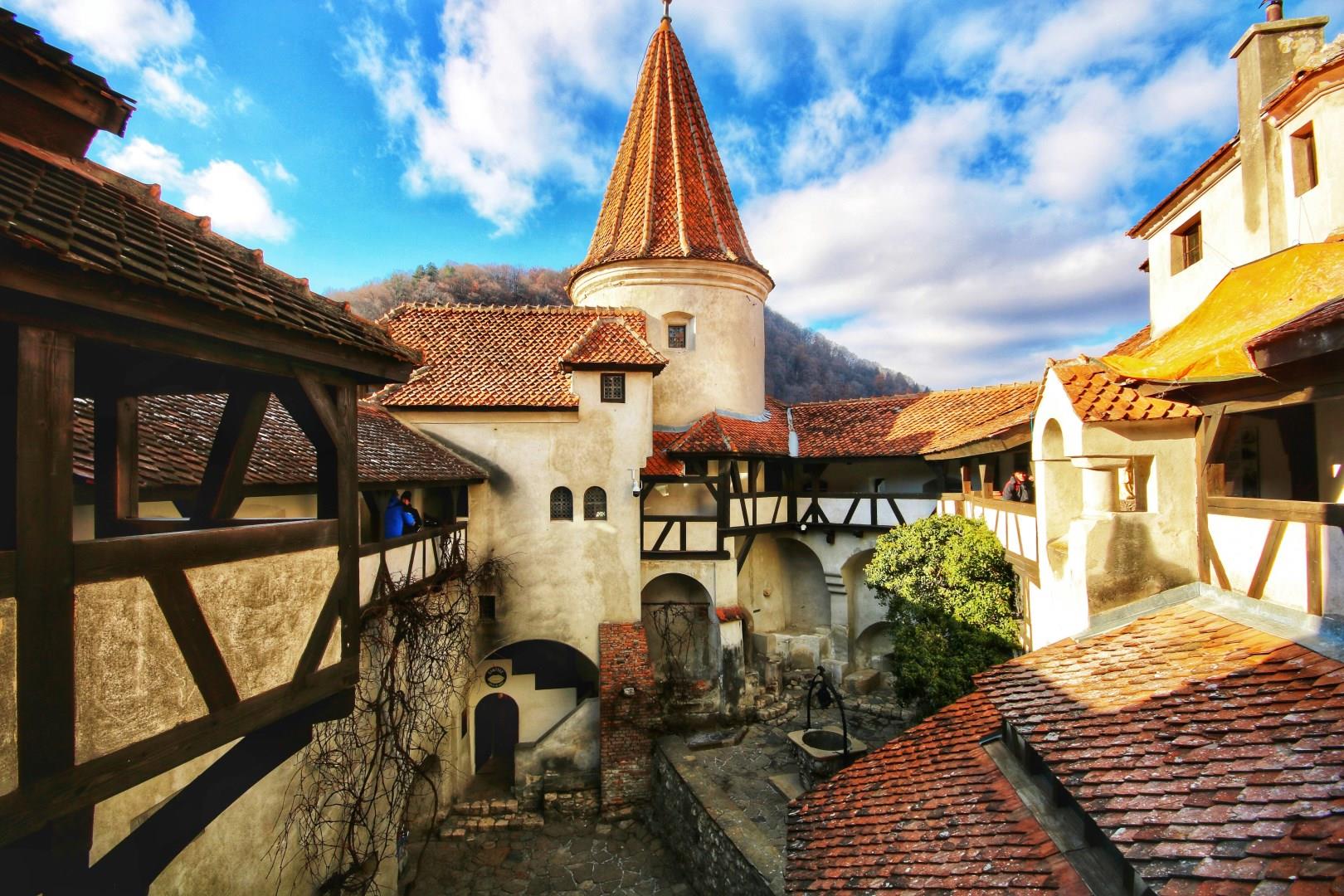
Bran, a small village nestled in the Carpathian Mountains of central Romania, is best known for its medieval fortress commonly referred to as “Dracula’s Castle.” While the connection to Bram Stoker’s fictional character is loose at best, Bran Castle continues to draw travelers with its striking towers, stone walls, and position on a rocky cliff. Originally built in the 14th century to defend against invading forces, the castle has passed through royal hands, most notably Queen Marie of Romania.