Huddersfield
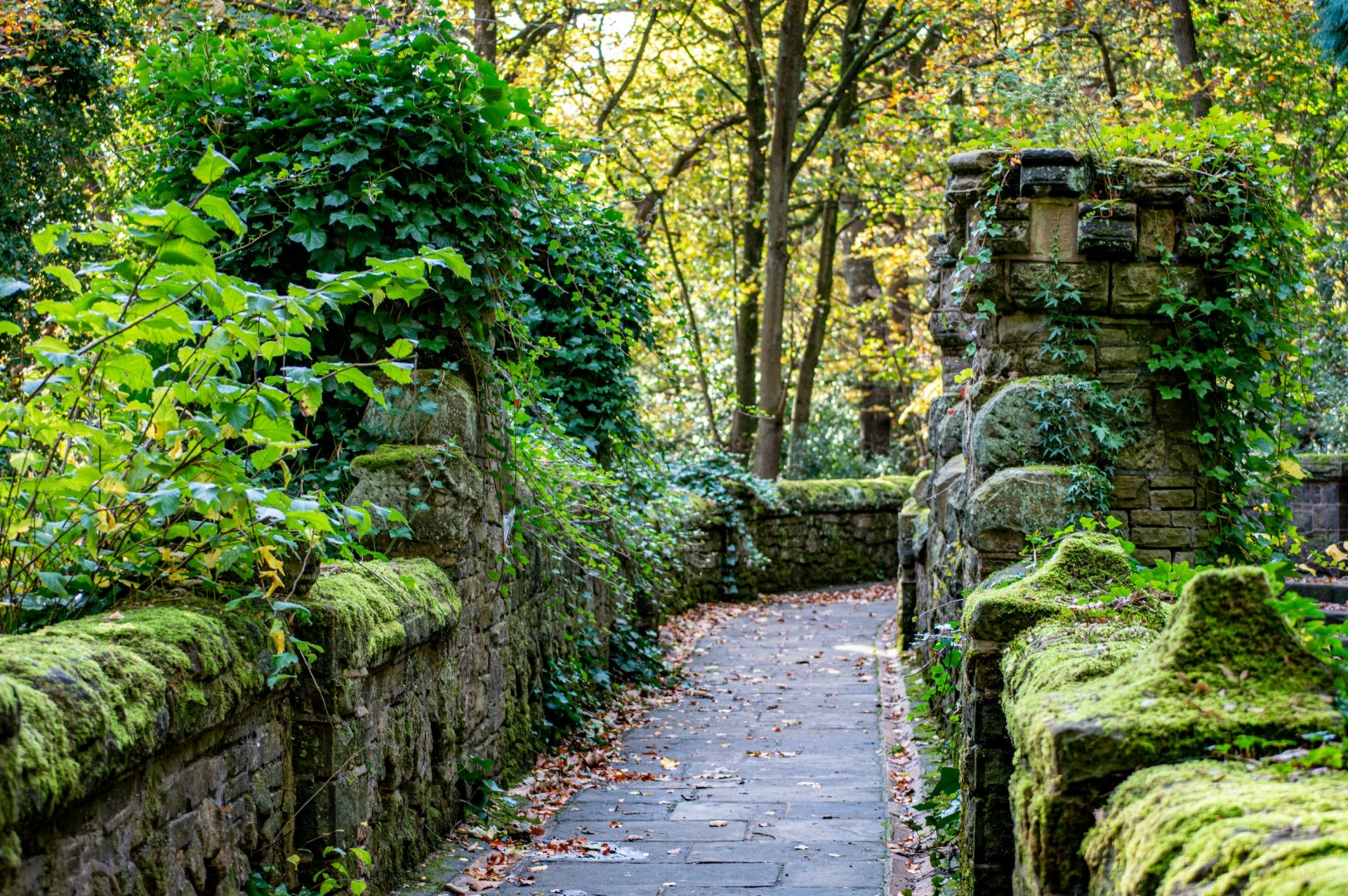
Highlights of Huddersfield include: sports, golf driving range; beer festivals, pubs & breweries; and Huddersfield Philharmonic Orchestra.
Leros Island
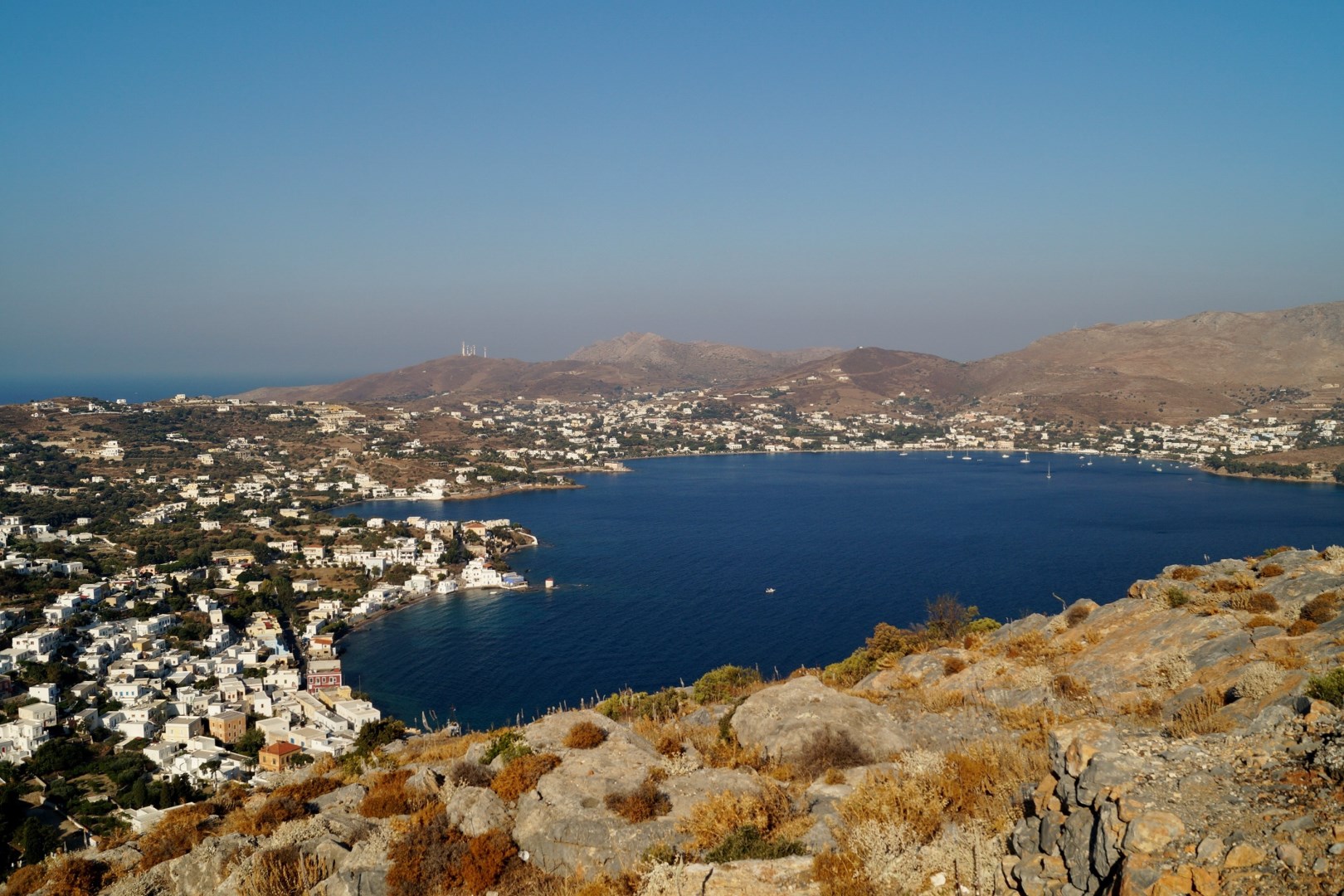
Leros Island, Greece, rests quietly in the Aegean Sea, offering a combination of sun-drenched beaches and historical landmarks that invite exploration. The main town, Agia Marina, spreads along a natural harbor, where fishing boats and small yachts sway gently against the backdrop of colorful houses climbing the hillside. Winding streets reveal a mix of architecture, from traditional whitewashed homes to neoclassical buildings.
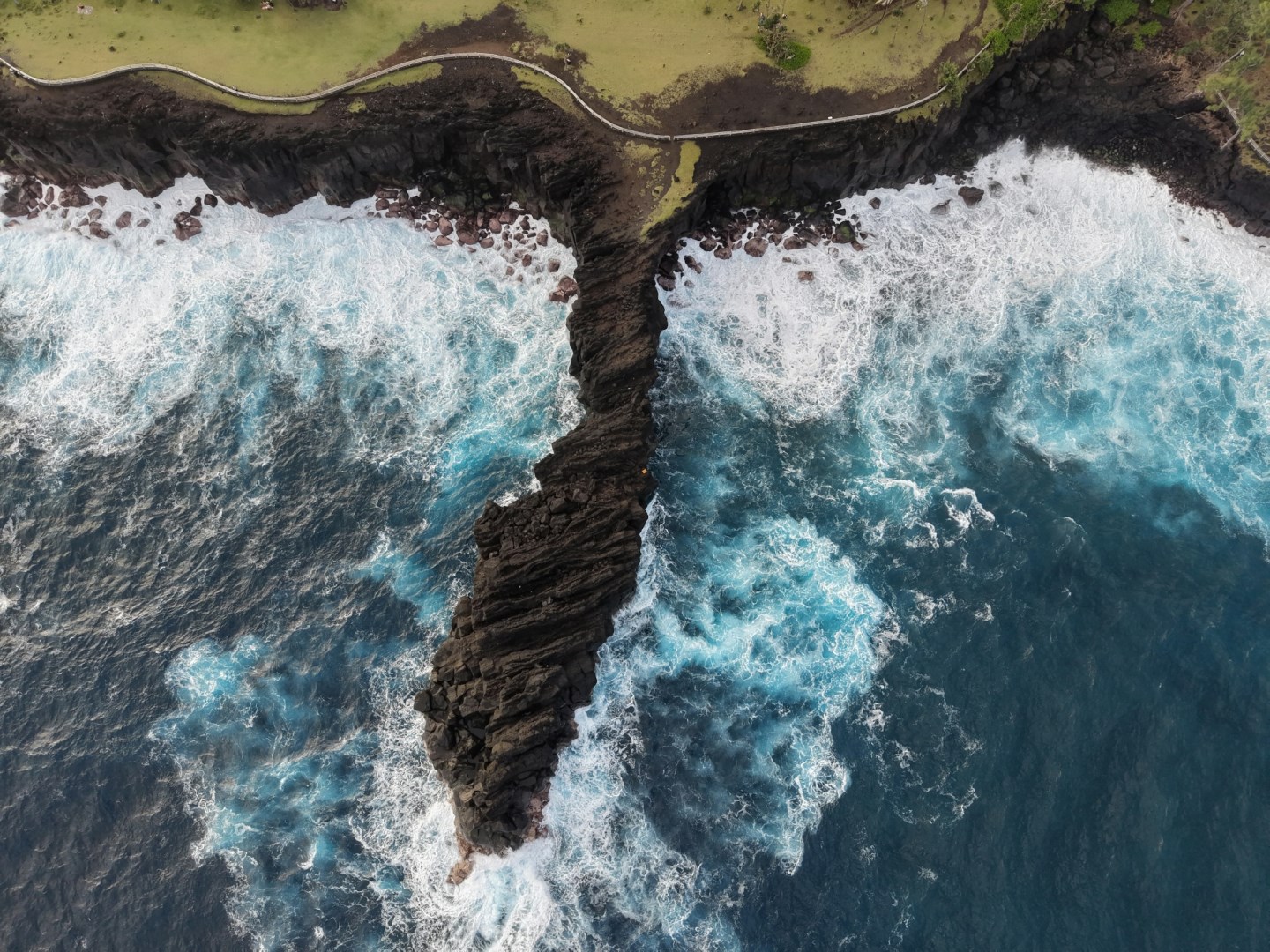
Saint Philippe
Saint-Philippe is a commune on the southeastern coast of Réunion, a French island in the southwestern Indian Ocean. Situated between Saint-Joseph and Sainte-Rose, it lies along the lower slopes of Piton de la Fournaise, one of the world’s most active volcanoes.

Pennsylvania
Pennsylvania offers more than just a glimpse into American history, it invites travelers to walk through it. In Philadelphia, the Liberty Bell still draws visitors from around the world, while Independence Hall, a UNESCO World Heritage Site, is where both the Declaration of Independence and the U.S. Constitution were debated and signed. Just a short walk away, modern museums like the National Constitution Center offer hands-on exhibits that connect the past to today’s civic questions.

Corner Brook
The Corner Brook region is one of eastern Canada's top four season vacation destinations and offers a wide variety of experiences from relaxing scenic drives to high adventure in the wilds of the backcountry.