

St. Lawrence River
From its natural wonders to its historic charm, the St. Lawrence River invites visitors to explore its endless possibilities. Whether by land or water, this iconic river promises a journey filled with discovery and unforgettable moments.

Springfield
Springfield is the capital of Illinois and a city closely associated with Abraham Lincoln, whose home, law practice, and political career were based there before he became president. Located in the central part of the state, Springfield sits amid the prairie landscape of the Sangamon River Valley.
Saint-Émilion
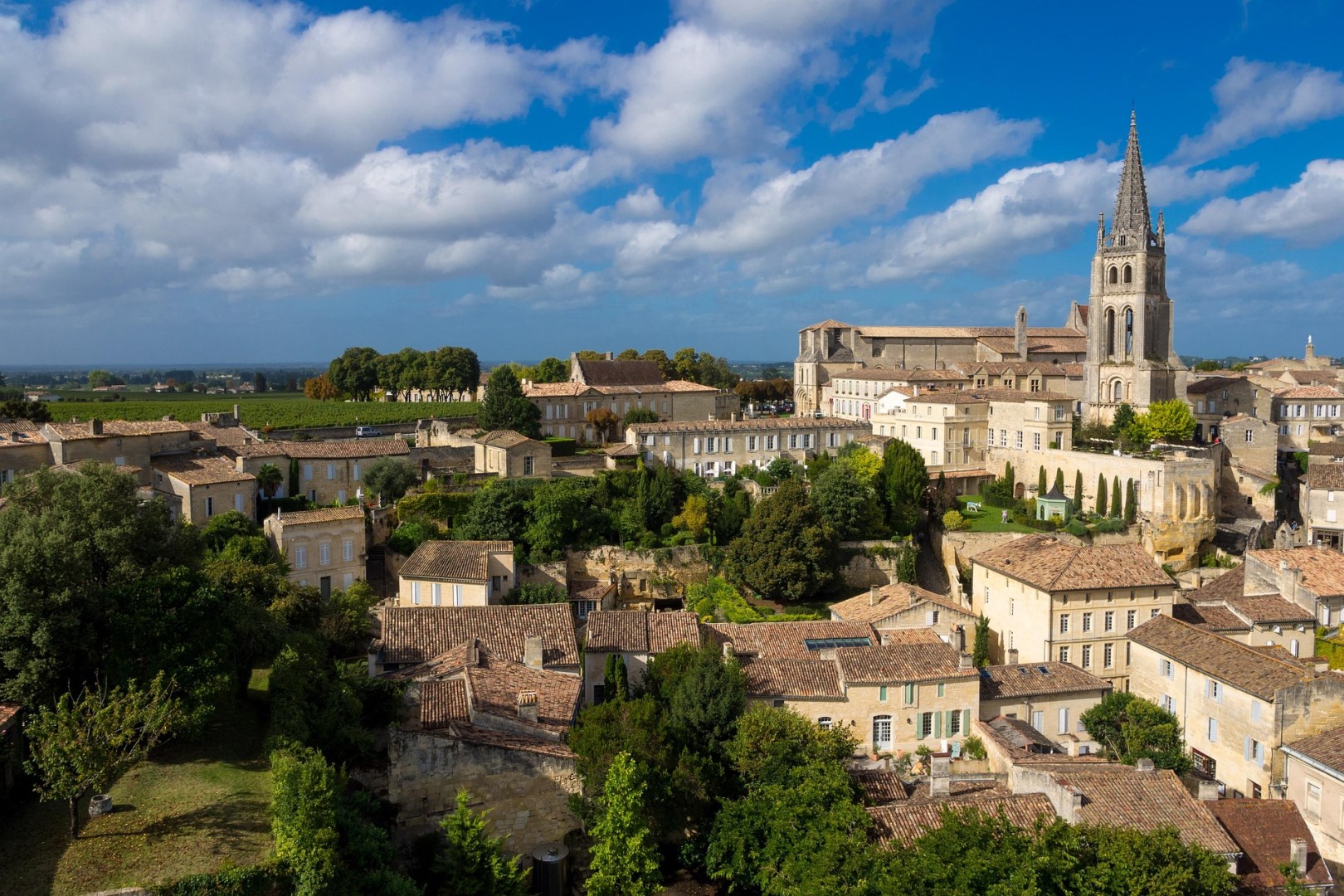
Saint-Émilion, nestled in the heart of southwest France, is a living monument to centuries of craftsmanship, faith, and wine-making. Recognized as a UNESCO World Heritage Site since 1999, this medieval town sits on a limestone plateau surrounded by vineyards that date back to Roman times. Visitors can explore cobbled streets that wind past centuries-old stone houses, descend into underground catacombs carved by monks, and visit the astonishing Monolithic Church.
Oranjestad
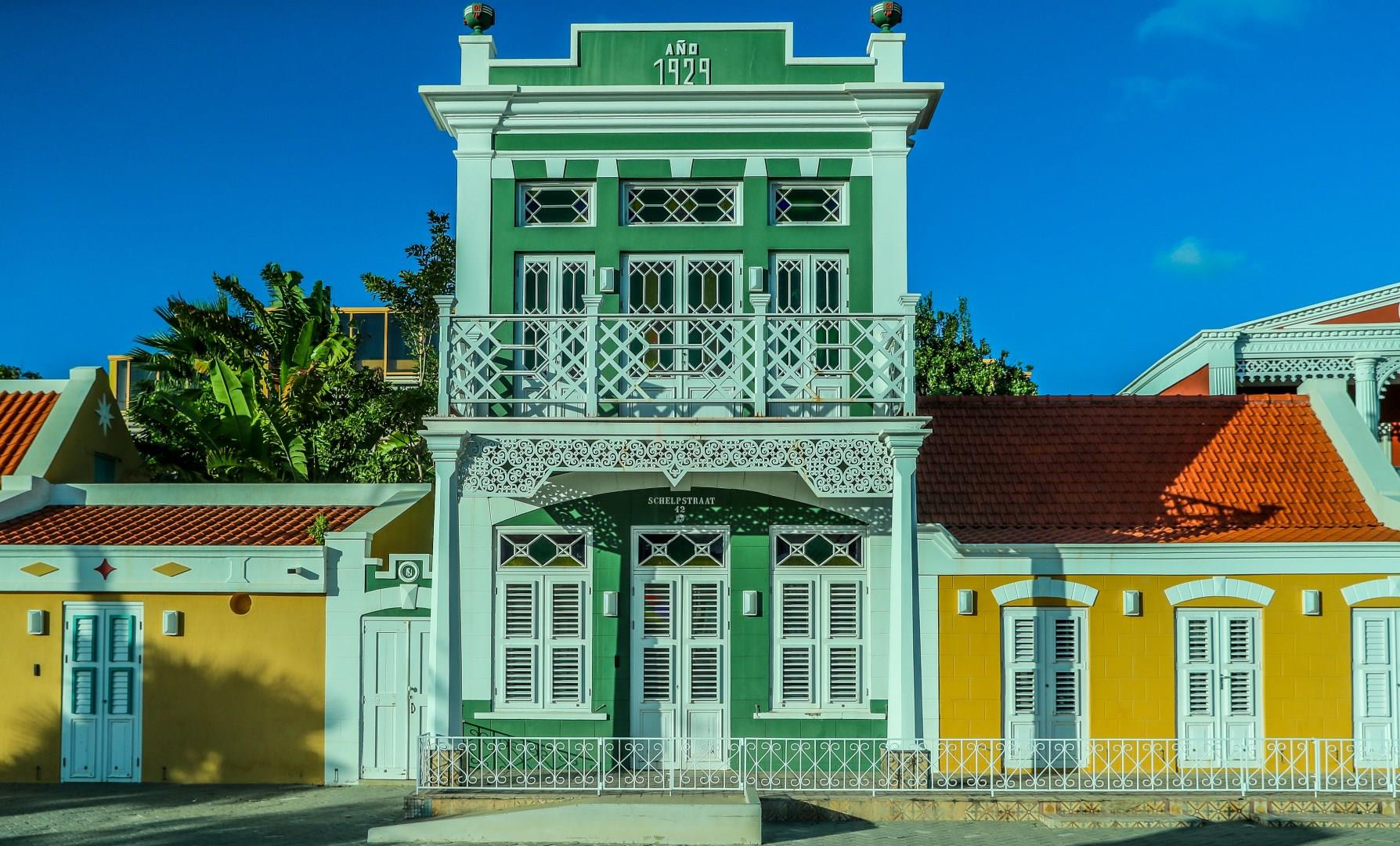
Oranjestad, Aruba’s colorful capital, blends Dutch colonial charm with the island’s easygoing Caribbean character. The city’s pastel-painted buildings, adorned with gables and decorative facades, recall its Dutch heritage while housing modern boutiques, cafés, and museums.
Dili
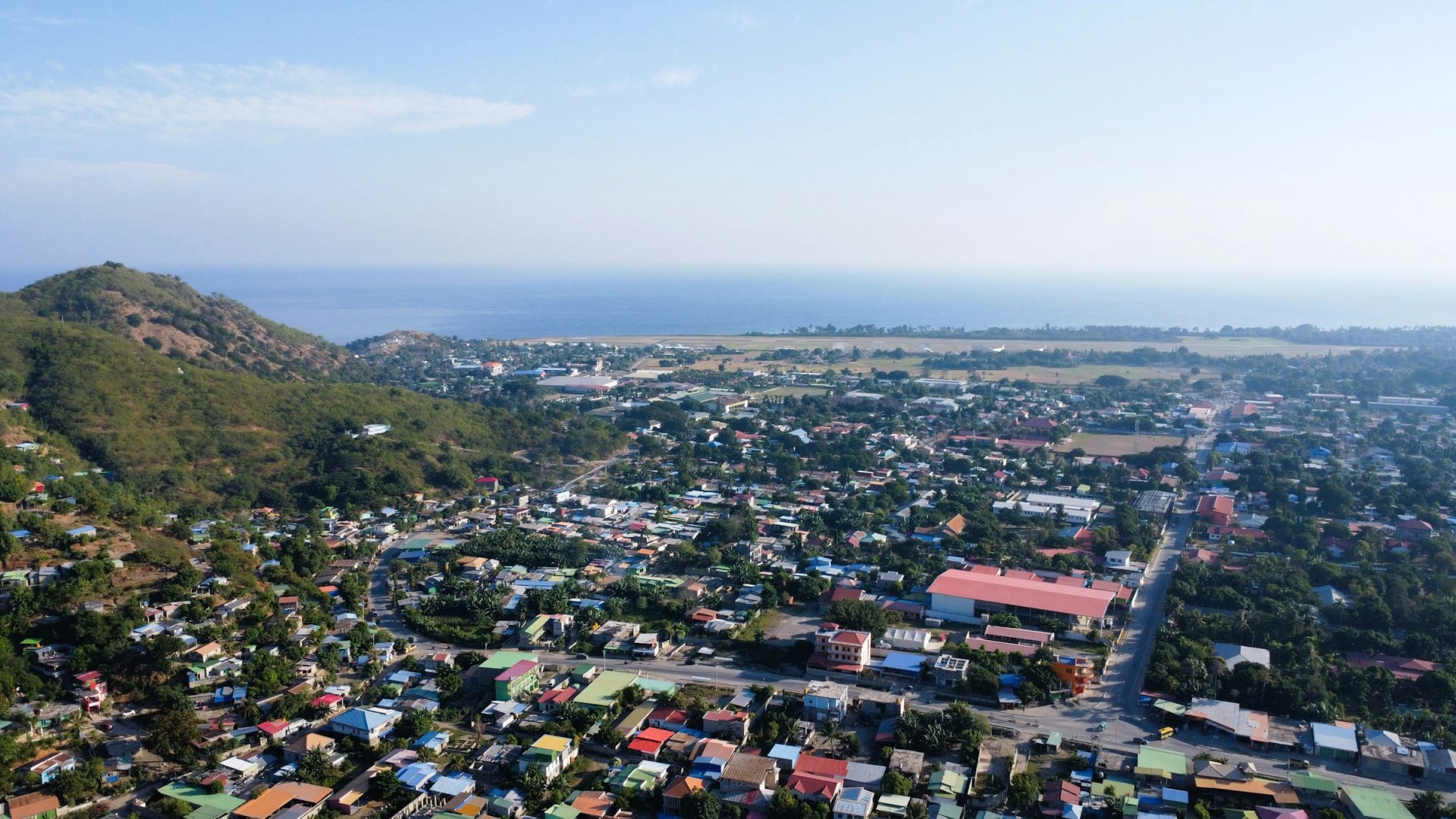
Dili is the capital and largest city of Timor-Leste, set along the country's northern coast between the sea and rugged mountain slopes. The city stretches around a broad bay, with beaches, government buildings, markets, residential neighborhoods, and busy streets forming its urban landscape. Mountains rise immediately south of the city, while the Ombai Strait extends north toward Atauro Island.


