Panama is a country shaped by its geography and defined by its role in global history. The Panama Canal remains its most iconic feature as a 50-mile engineering marvel that connects the Atlantic and Pacific Oceans. Visitors can watch ships pass through the Miraflores Locks from a dedicated observation deck or explore the interactive museum that explains how the canal changed international trade forever.
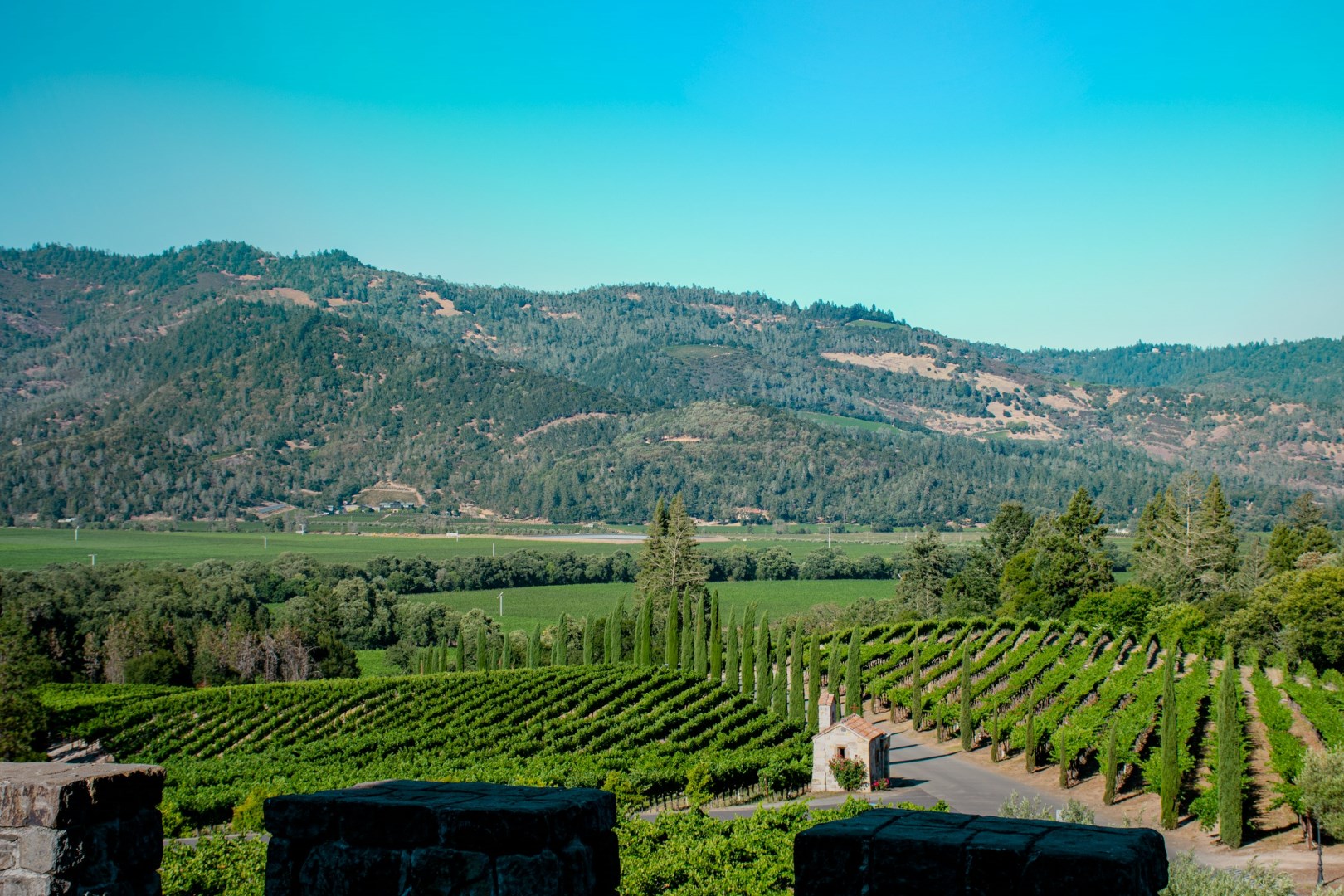
Calistoga is a small city at the northern end of Napa Valley in Northern California, surrounded by vineyards, oak-covered hills, and volcanic landscapes. Its location near Mount Saint Helena gives the area a different setting from the broader valley floor farther south, with wooded mountains rising around the community. Calistoga is particularly associated with geothermal springs, which have supported bathing and wellness traditions for generations.
Puebla, a city nestled in the heart of Mexico, is a captivating blend of colonial charm, vibrant culture, and rich history. Known as the "City of Angels," Puebla's well-preserved historic center is a UNESCO World Heritage site, filled with stunning baroque architecture, colorful tiled buildings, and bustling markets. Puebla is also a haven for food lovers, celebrated as the birthplace of some of Mexico’s most iconic dishes.
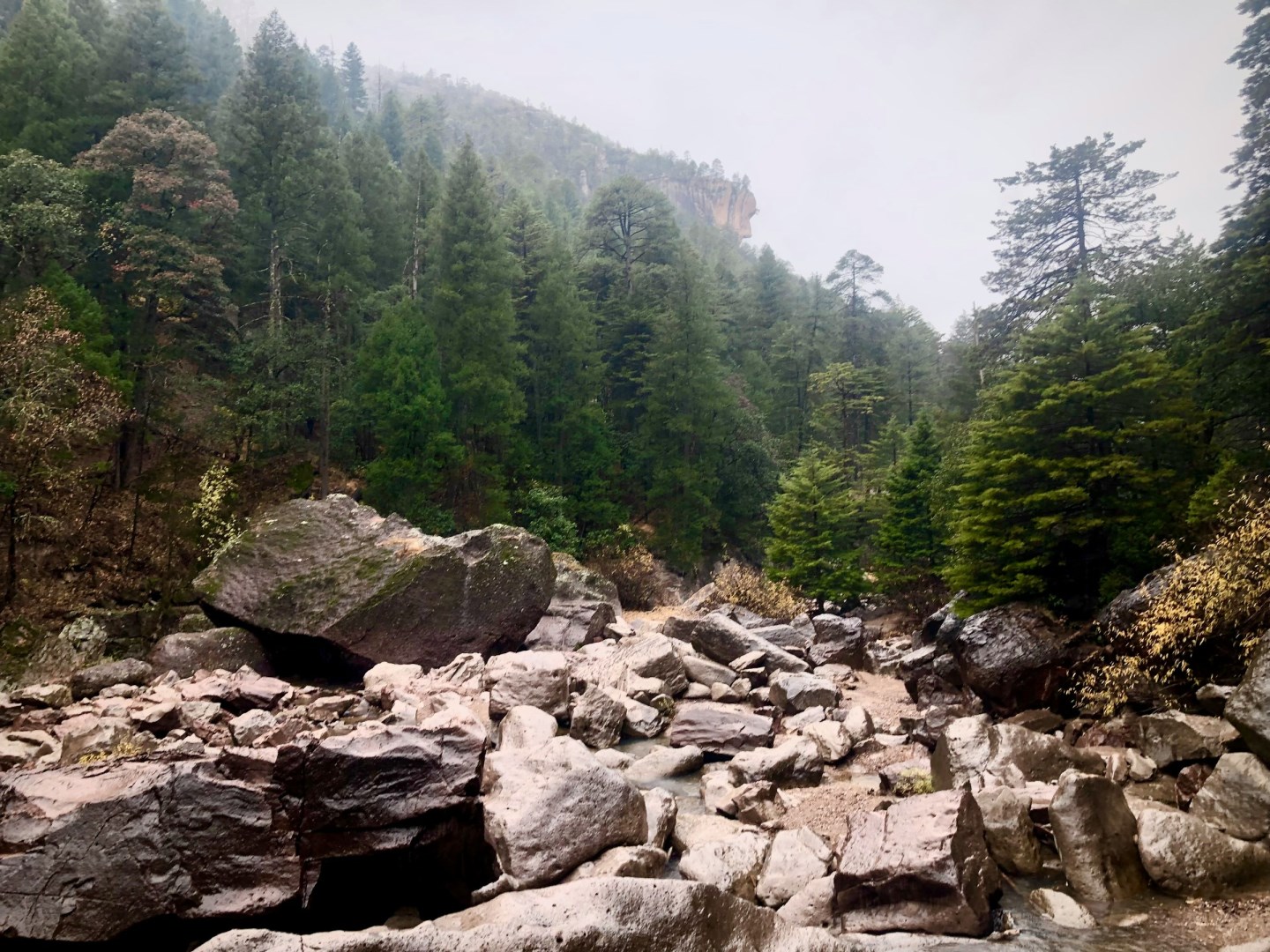
Copper Canyon is actually not a single canyon, but rather a series of more than 20 canyons running through the northern region of Mexico. The canyon covers over 20,000 square miles and is four times larger than the Grand Canyon in the United States.
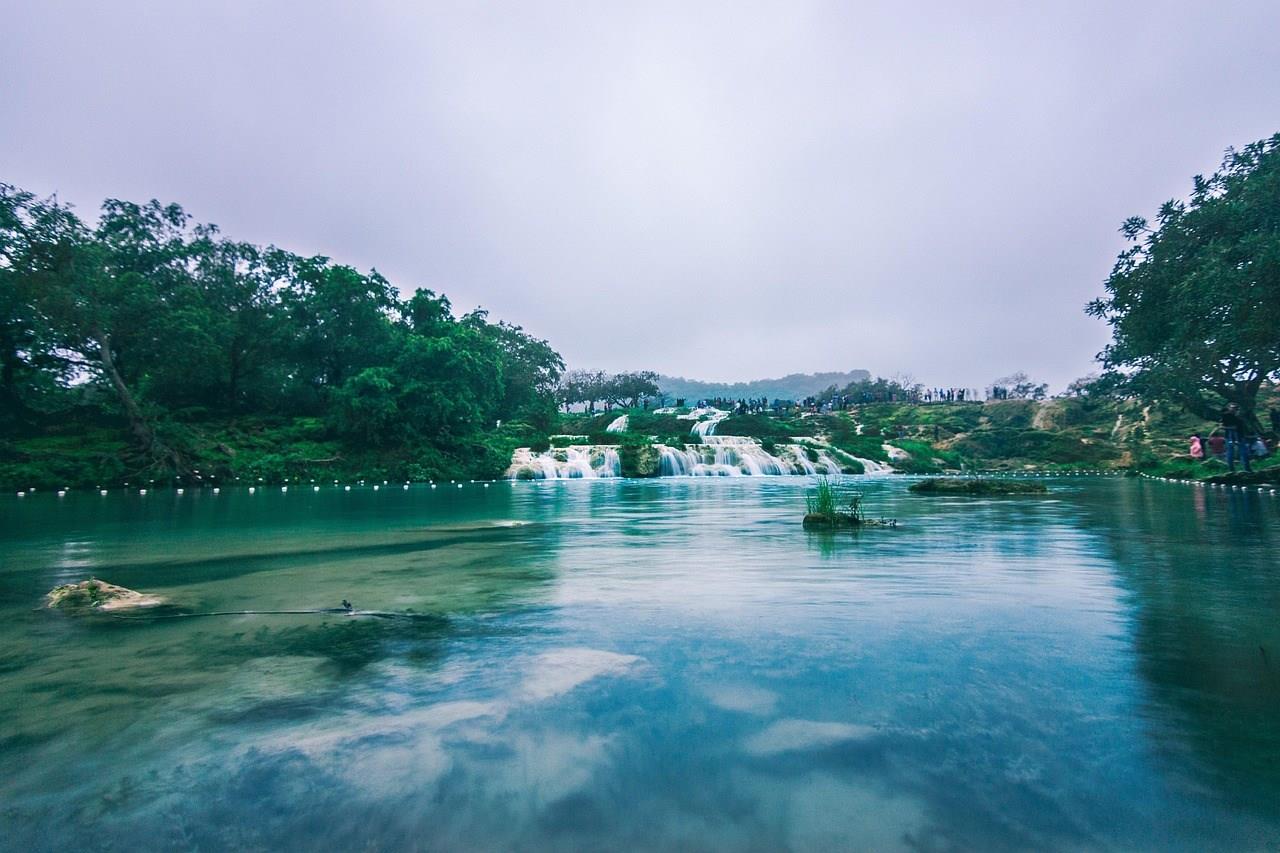
Salalah stands out with its rare blend of desert and tropical appeal. Unlike much of the Arabian Peninsula, this coastal city is transformed by the seasonal Khareef (monsoon), turning the landscape lush and green between June and September.
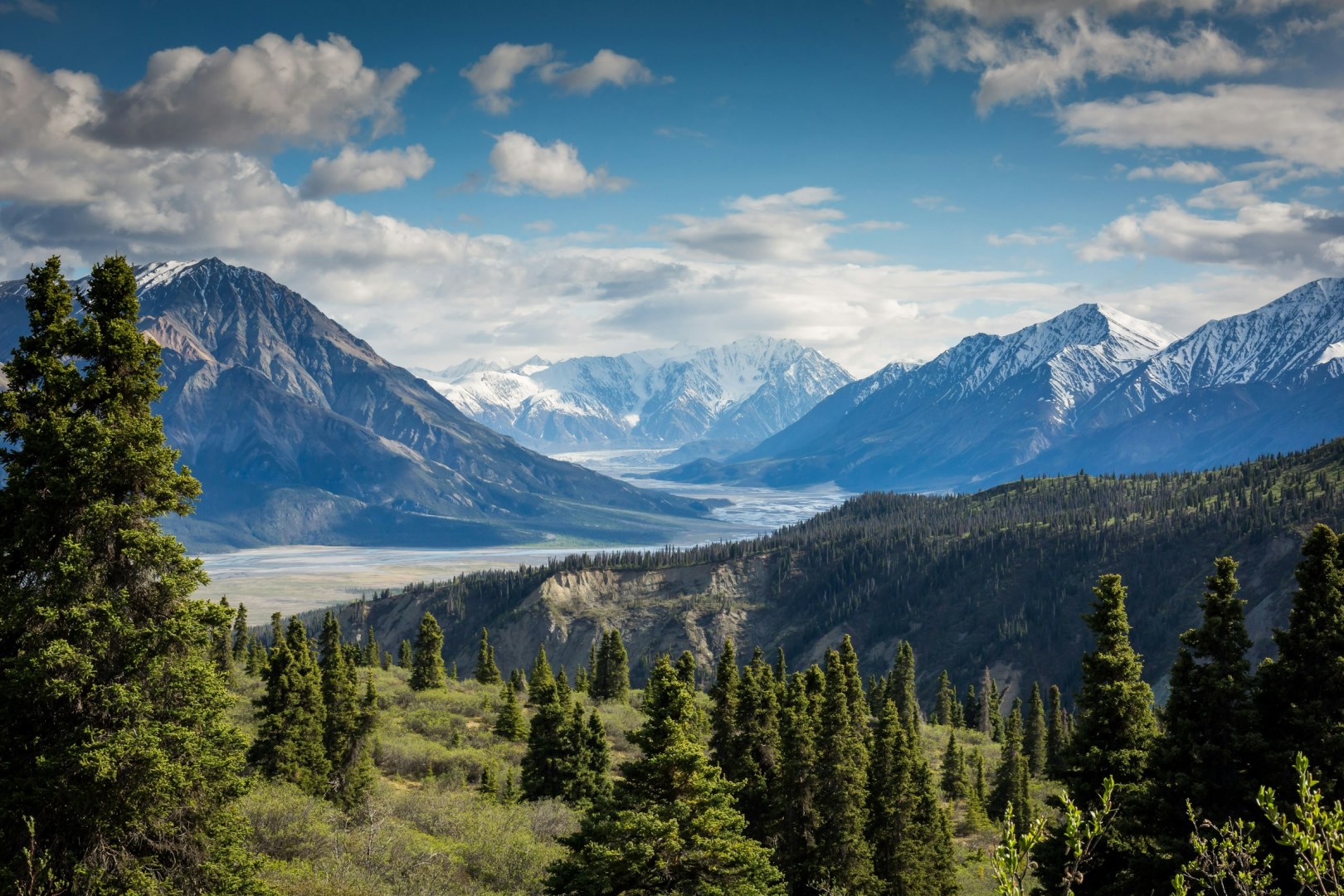
Photo Credit: Photo by Alain Bonnardeaux on Unsplash
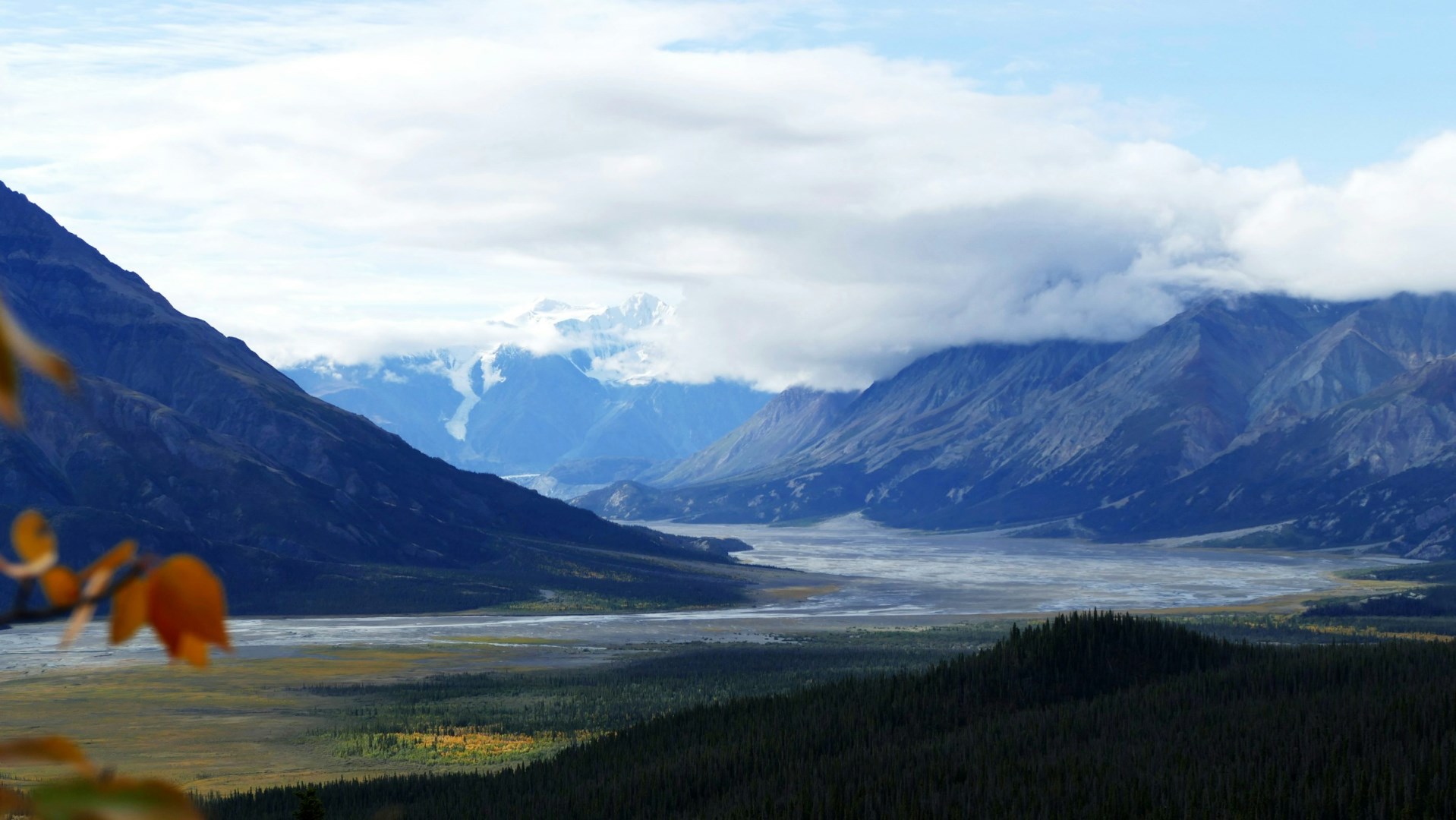
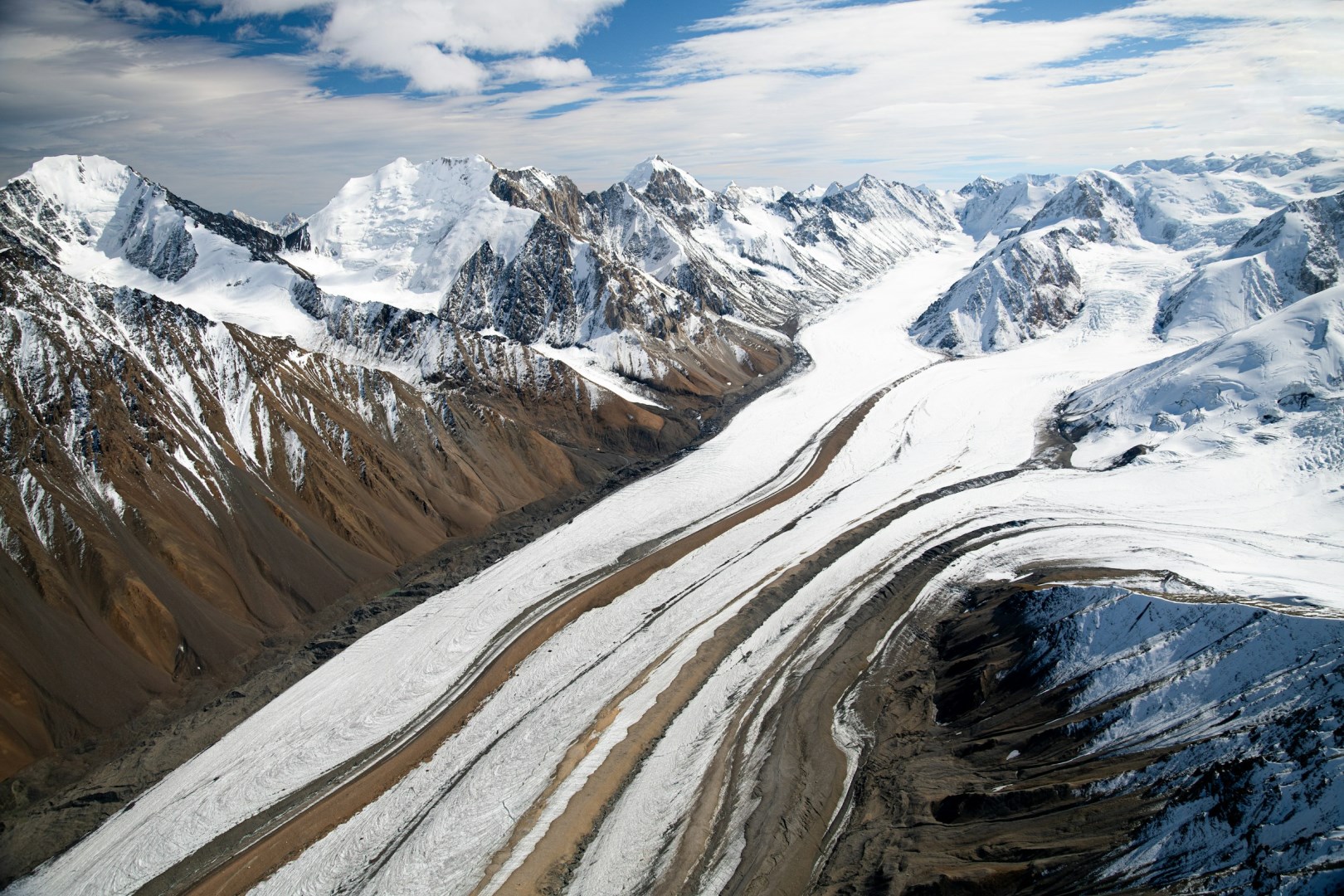
Kluane National Park, nestled in the southwest corner of Canada's Yukon Territory, is a breathtaking expanse of rugged wilderness that beckons adventurers and nature enthusiasts alike. This UNESCO World Heritage Site is home to some of the most stunning landscapes in North America, including the St. Elias Mountains and Mount Logan, the highest peak in Canada. The park’s dramatic terrain is sculpted by glaciers, vast icefields, and alpine valleys, offering visitors a chance to witness nature in its most raw and pristine form. Hiking trails like the King’s Throne or the challenging Donjek Route provide unparalleled views and the opportunity to encounter diverse wildlife such as grizzly bears, Dall sheep, and golden eagles.
The rich cultural history of Kluane is equally compelling. The area has been inhabited by the Southern Tutchone people for thousands of years, and their deep connection to the land is evident in the traditional knowledge and stories that have been passed down through generations. Visitors can explore this cultural heritage at the Da Kų Cultural Centre in Haines Junction, where exhibits and programs offer insights into the Southern Tutchone way of life and their relationship with the land .
Kluane is also a haven for those seeking unique outdoor experiences. Whether you're paddling along the serene waters of Kathleen Lake or embarking on a flightseeing tour over the expansive Icefield Ranges, the park offers countless opportunities to immerse yourself in its natural beauty. A fun fact: Kluane National Park is part of the largest internationally protected area on the planet, spanning across the Yukon, Alaska, and British Columbia, making it a symbol of cross-border cooperation in conservation.
For the best experience, visit Kluane in the summer months when the long daylight hours allow for extended exploration, and the weather is more favorable for outdoor activities. Whether you're drawn by the allure of its towering peaks, the tranquility of its lakes, or the rich cultural history, Kluane National Park promises an unforgettable journey into one of Canada's most awe-inspiring natural treasures.
Other Popular Destinations in Yukon
Whitehorse
Whitehorse, the capital of Canada’s Yukon Territory, sits along the Yukon River and serves as the cultural, economic, and transportation heart of the North. Its history is closely tied to the Klondike Gold Rush of the late 1890s, when prospectors passed through the area on their way to Dawson City.
Dawson City
Located in the western part of the Yukon Territory Province of Canada, this area is on the Yukon River and famous as the gold mining area of the great Gold Rush. It is still an active mining area and also a popular tourist attraction as it has retained much of the look from the gold rush era.