Loch Ness
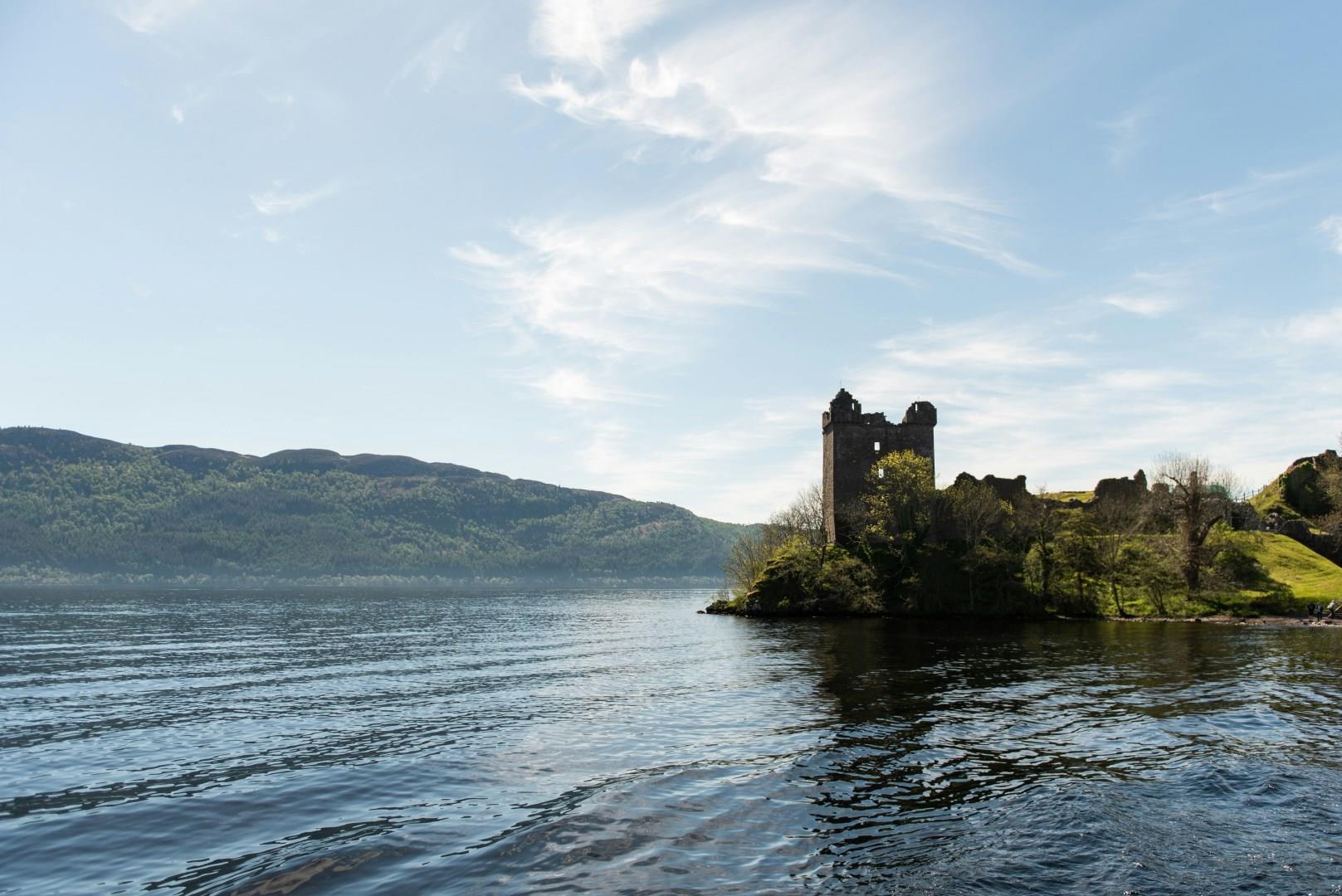
Loch Ness stretches over 23 miles through the Scottish Highlands, holding more freshwater than all the lakes in England and Wales combined. Best known for its elusive resident, the so-called Loch Ness Monster, the loch has sparked international curiosity since the first modern "sighting" in 1933. While Nessie remains elusive, the surrounding landscape offers clear reasons to visit with steep hillsides, forested trails, and ancient ruins framing one of Scotland’s most iconic bodies of water.

Dominica
Dominica, known as the “Nature Island of the Caribbean,” is a haven for eco-tourists and adventure seekers. Nestled between the French islands of Guadeloupe and Martinique, this lush island boasts a remarkable landscape of volcanic mountains, dense rainforests, and stunning waterfalls. Dominica’s most iconic natural wonder is the Boiling Lake, the second-largest hot spring in the world.
Kingston
Kingston is a waterfront city in eastern Ontario where Lake Ontario, the St. Lawrence River, and the Rideau Canal meet. Its location at the entrance to the Great Lakes and the Thousand Islands has shaped its role in transportation, trade, defence, and settlement. The city is known for its limestone buildings, historic downtown, waterfront parks, and connection to Queen's University and the Royal Military College of Canada.

Miami
Nestled between Biscayne Bay to the east and Everglades National Park to the west, Miami, Florida is one of the Sunshine State's most vibrant, culturally diverse, and dynamic cities.

Louisville
Louisville is a city that knows how to make an impression. Birthplace of the Kentucky Derby, home to bourbon legends, and packed with stories that stretch back over two centuries, this river city blends tradition with bold creativity. Start downtown on West Main Street, also known as Museum Row. Here, visitors can tour the Louisville Slugger Museum & Factory, where real bats are still made, and marvel at the 120-foot baseball bat leaning against the building.