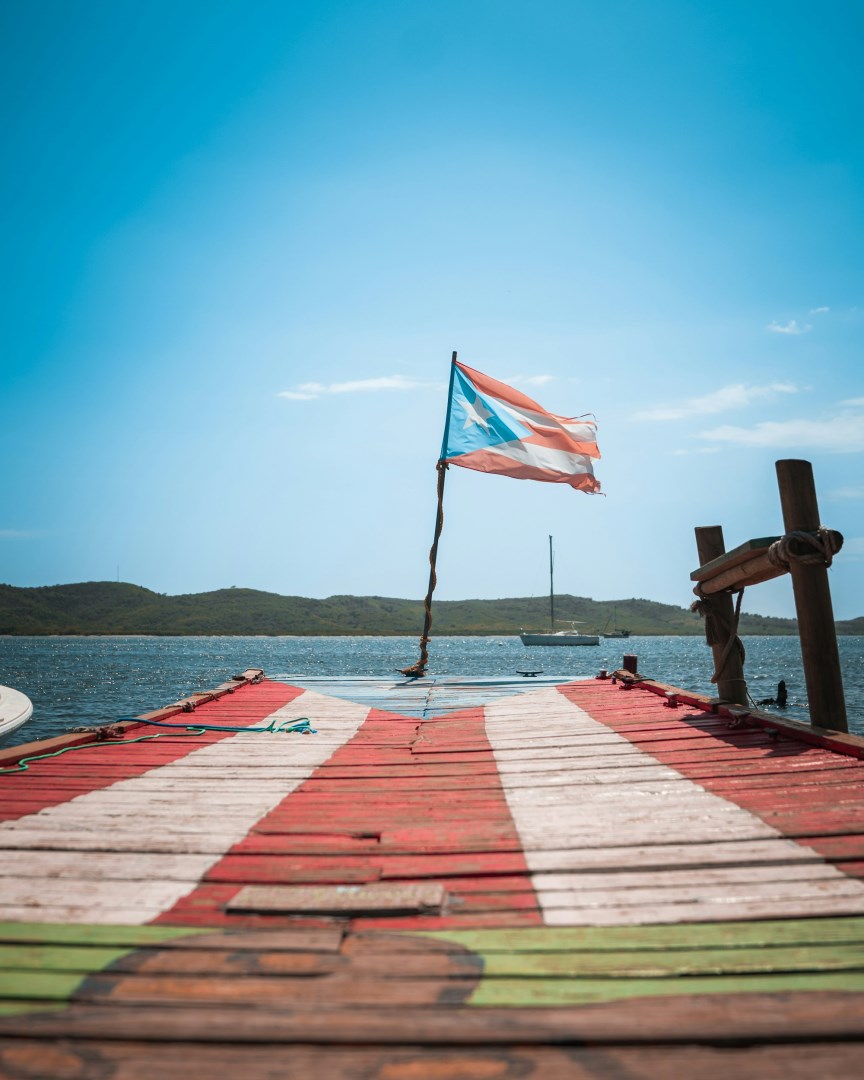
Cabo Rojo, located on the southwestern coast of Puerto Rico, is a region of striking natural contrasts where salt flats, mangroves, and limestone cliffs meet the sparkling Caribbean Sea. Its most iconic feature is the Cabo Rojo Lighthouse perched on dramatic cliffs overlooking the ocean, offering panoramic views of turquoise waters and nearby beaches.
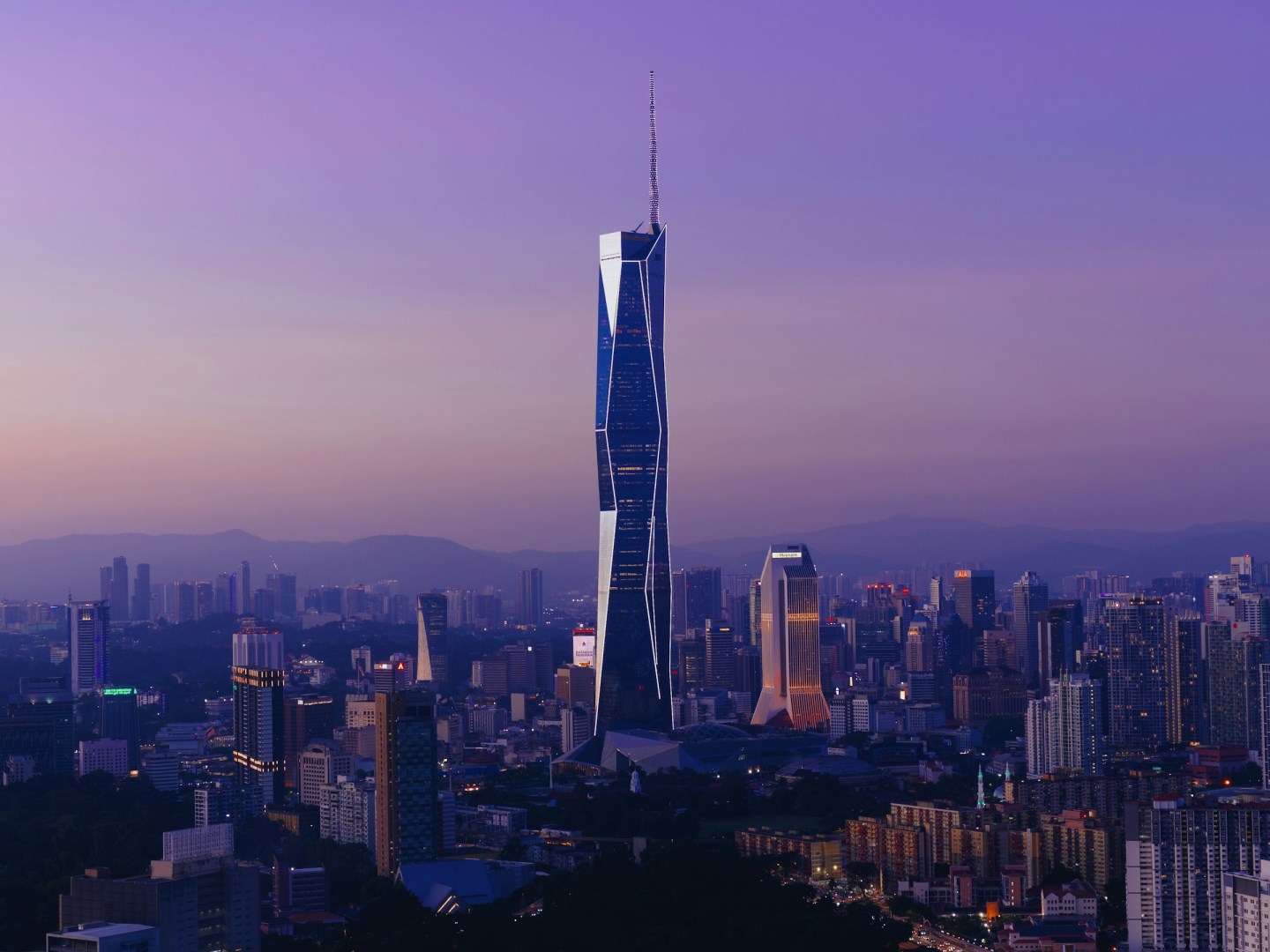
Kuala Lumpur, the capital of Malaysia, is a city where tradition and modernity meet in striking ways. Towering over the skyline are the Petronas Twin Towers, once the tallest buildings in the world, while at street level you’ll find lively markets, ornate temples, and colonial-era architecture.
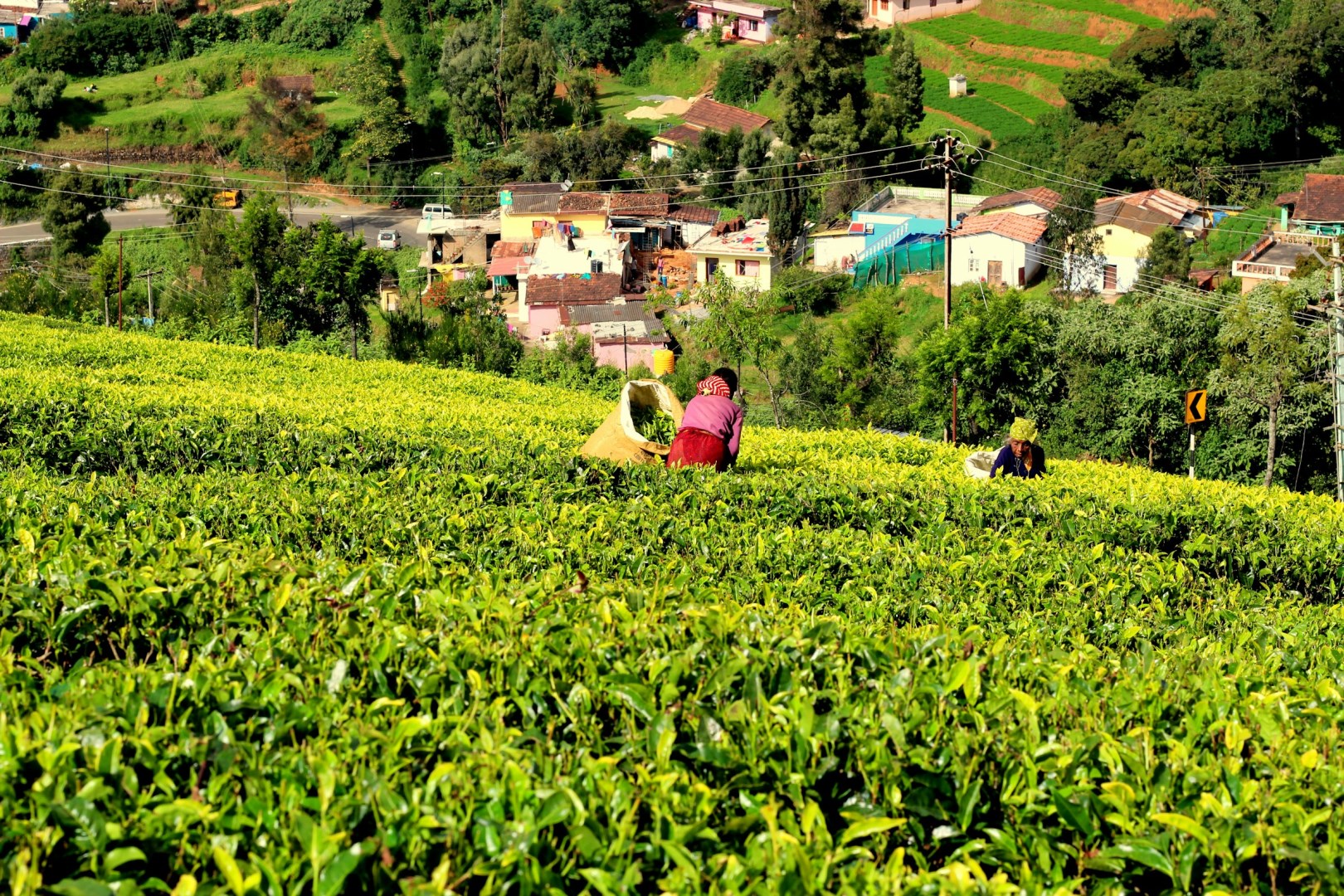
Ooty, officially known as Udhagamandalam, is a hill town in Tamil Nadu’s Nilgiri Hills, surrounded by tea estates, eucalyptus-covered slopes, shola vegetation, and rolling mountain scenery. Sitting at more than 2,000 metres above sea level, it has a notably cooler climate than the plains of southern India. The town developed as an important hill settlement and remains the main urban centre of the Nilgiris.
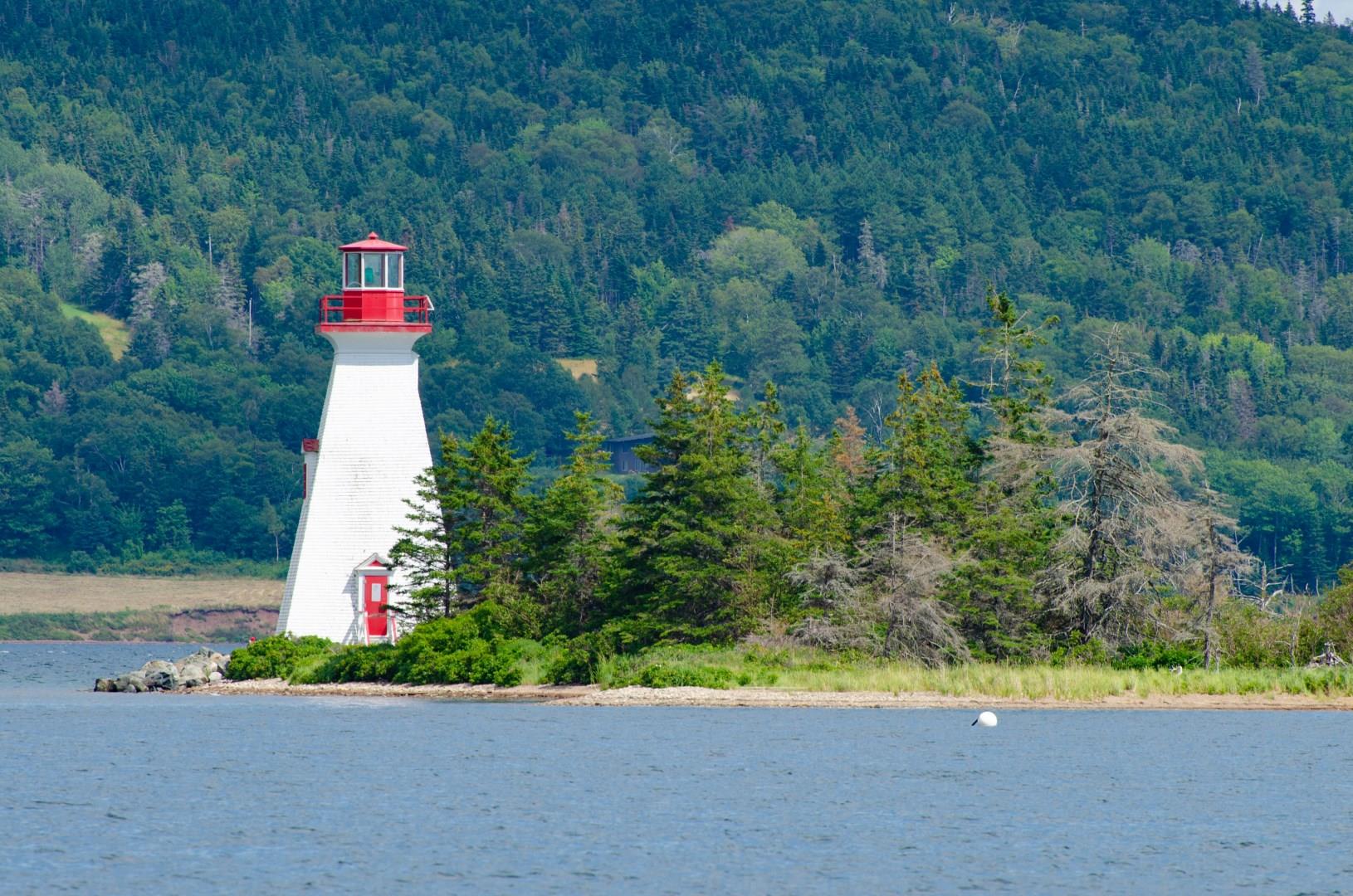
Baddeck sits along the calm waters of the Bras d’Or Lake on Cape Breton Island in Nova Scotia, a village with deep roots and stories to tell. Its name comes from an Indigenous word thought to mean “place with an island near,” a nod to nearby Kidston Island and the long history of the Mi’kmaq people in the area. A highlight for many visitors is the Alexander Graham Bell National Historic Site, where the legacy of one of history’s most inventive minds comes alive.
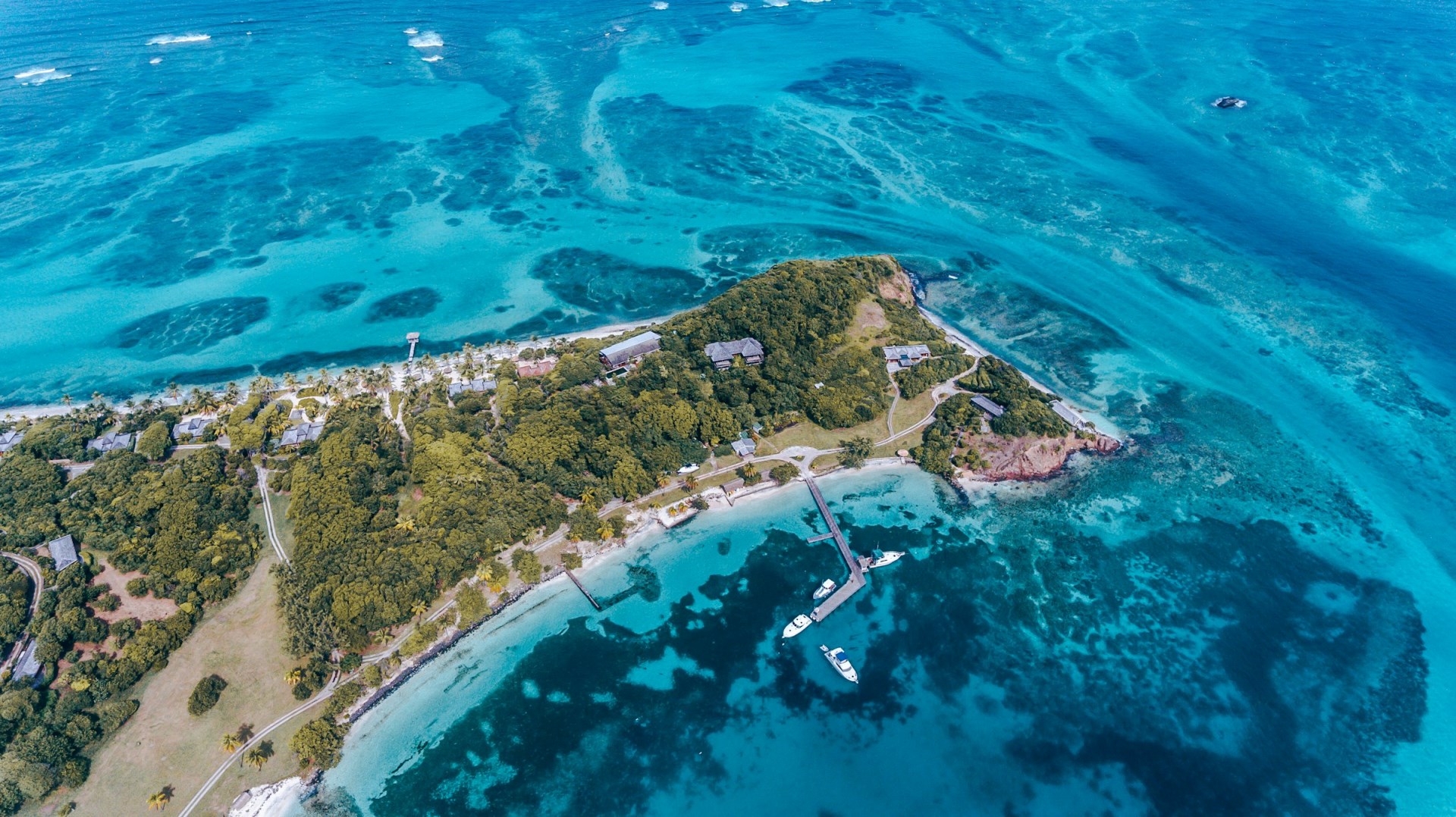
Petit Saint Vincent is a small private island in the southern Grenadines, located south of the larger island of Canouan and close to the Tobago Cays. The island covers roughly 115 acres and is characterized by low hills, rocky headlands, sandy coves, and clear Caribbean waters. Much of the island remains undeveloped outside its small resort, with footpaths connecting beaches and viewpoints rather than roads carrying regular traffic.
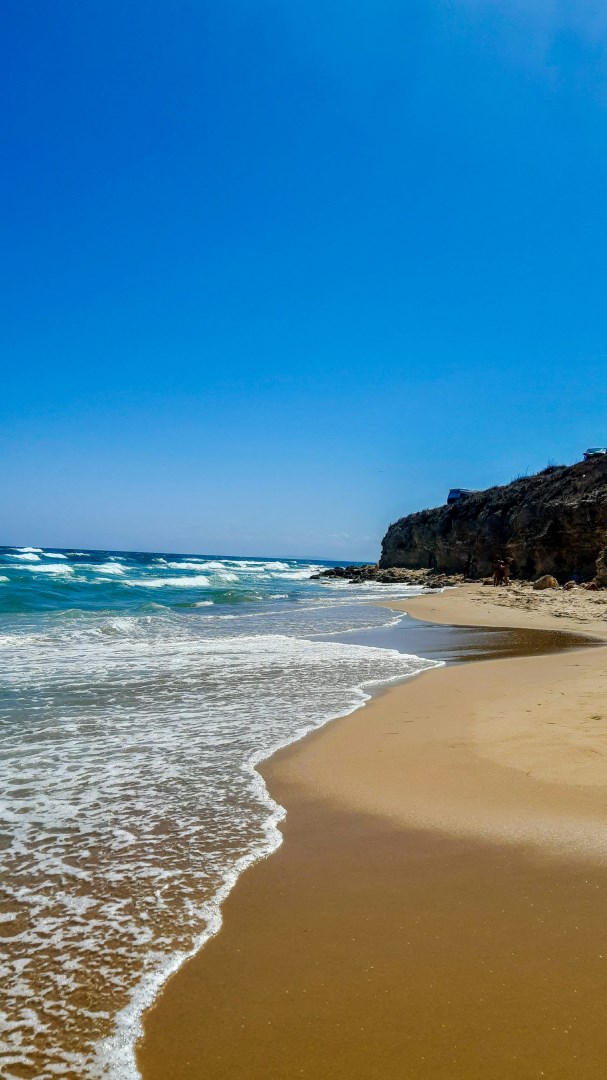
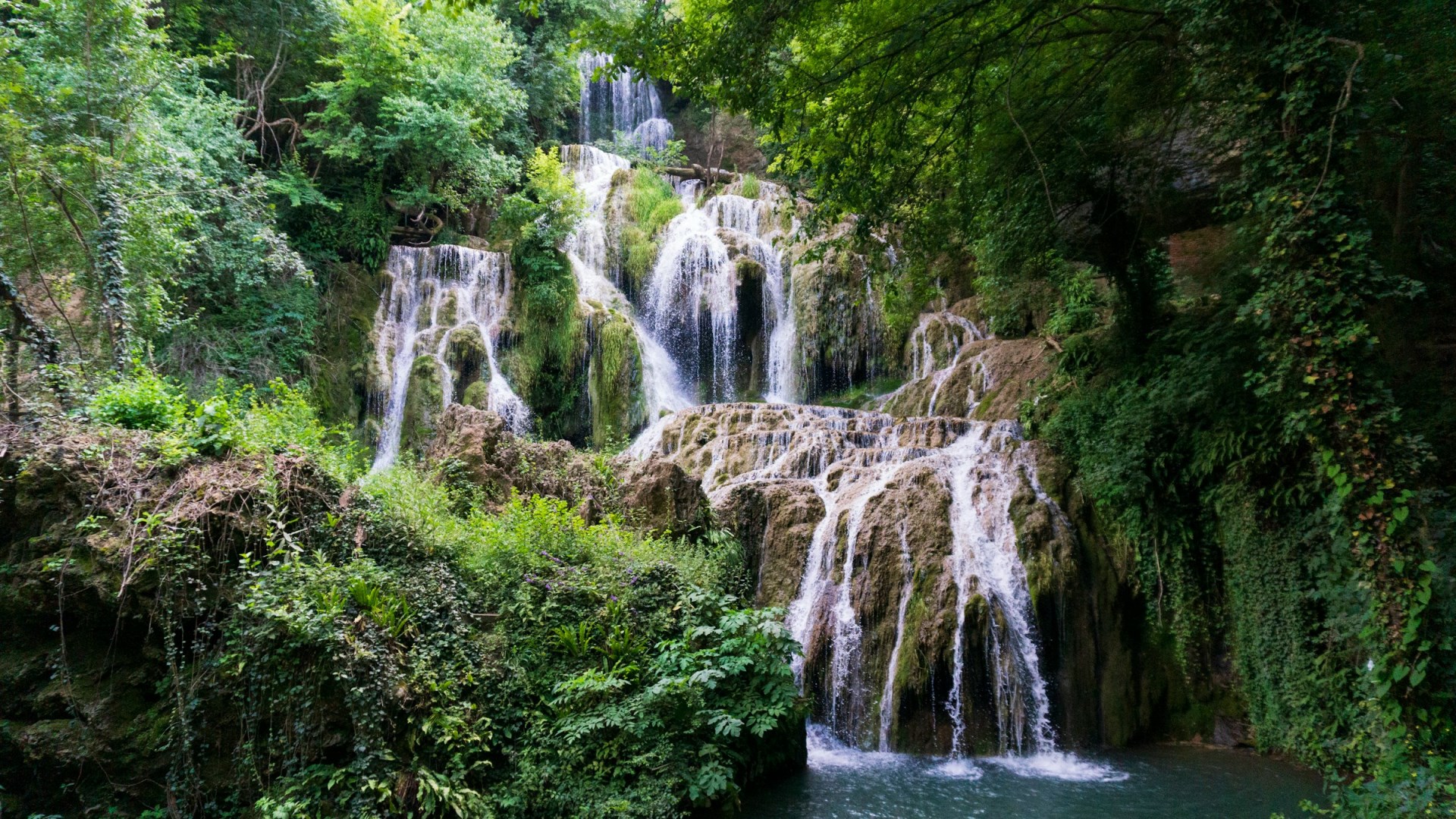
Photo Credit: Photo by Valery Balabanov on Unsplash
Photo Credit: Photo by Luba Ertel on Unsplash
Photo Credit: Photo by Monica Garniga on Unsplash
Photo Credit: Photo by Valery Balabanov on Unsplash
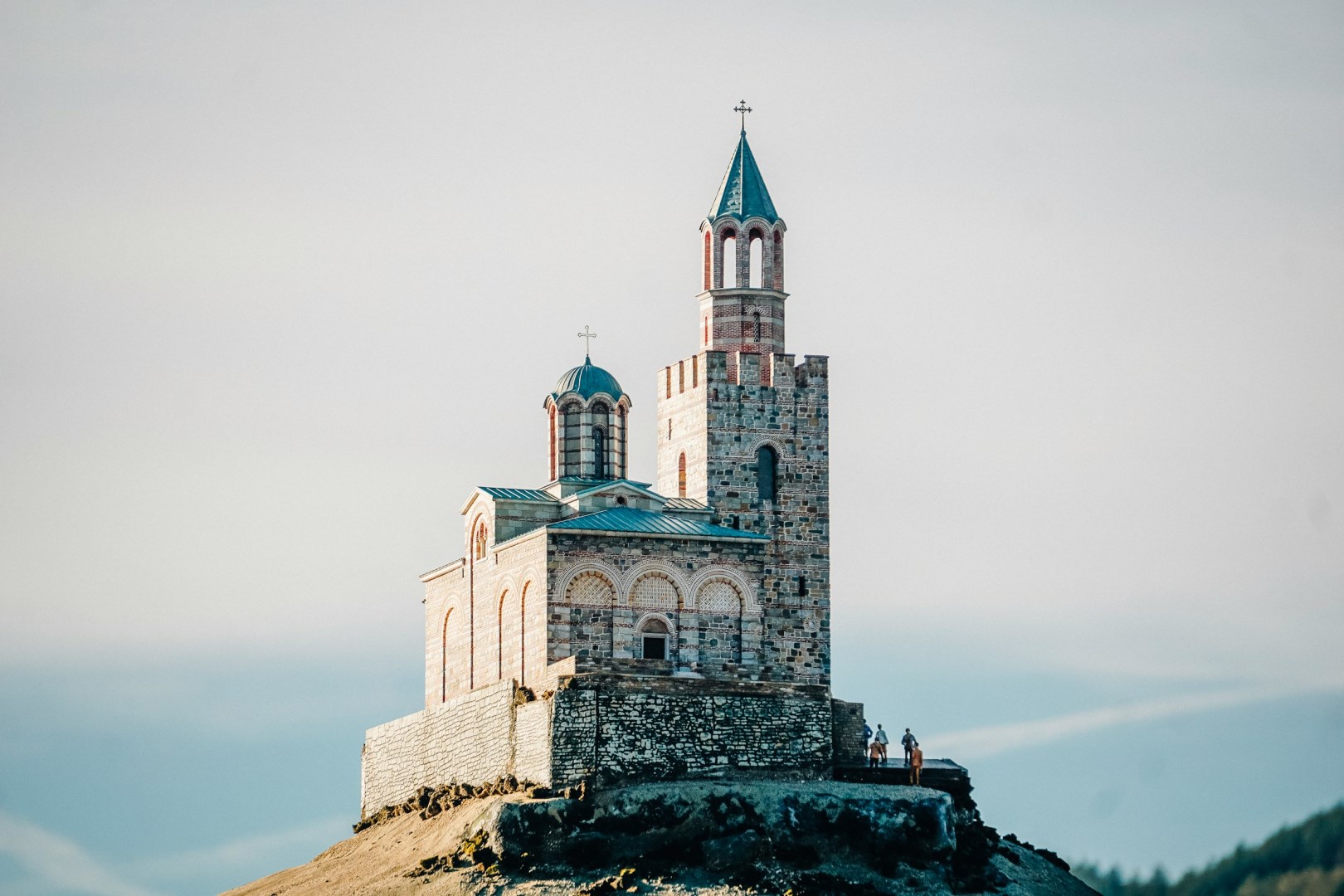
Veliki Preslav
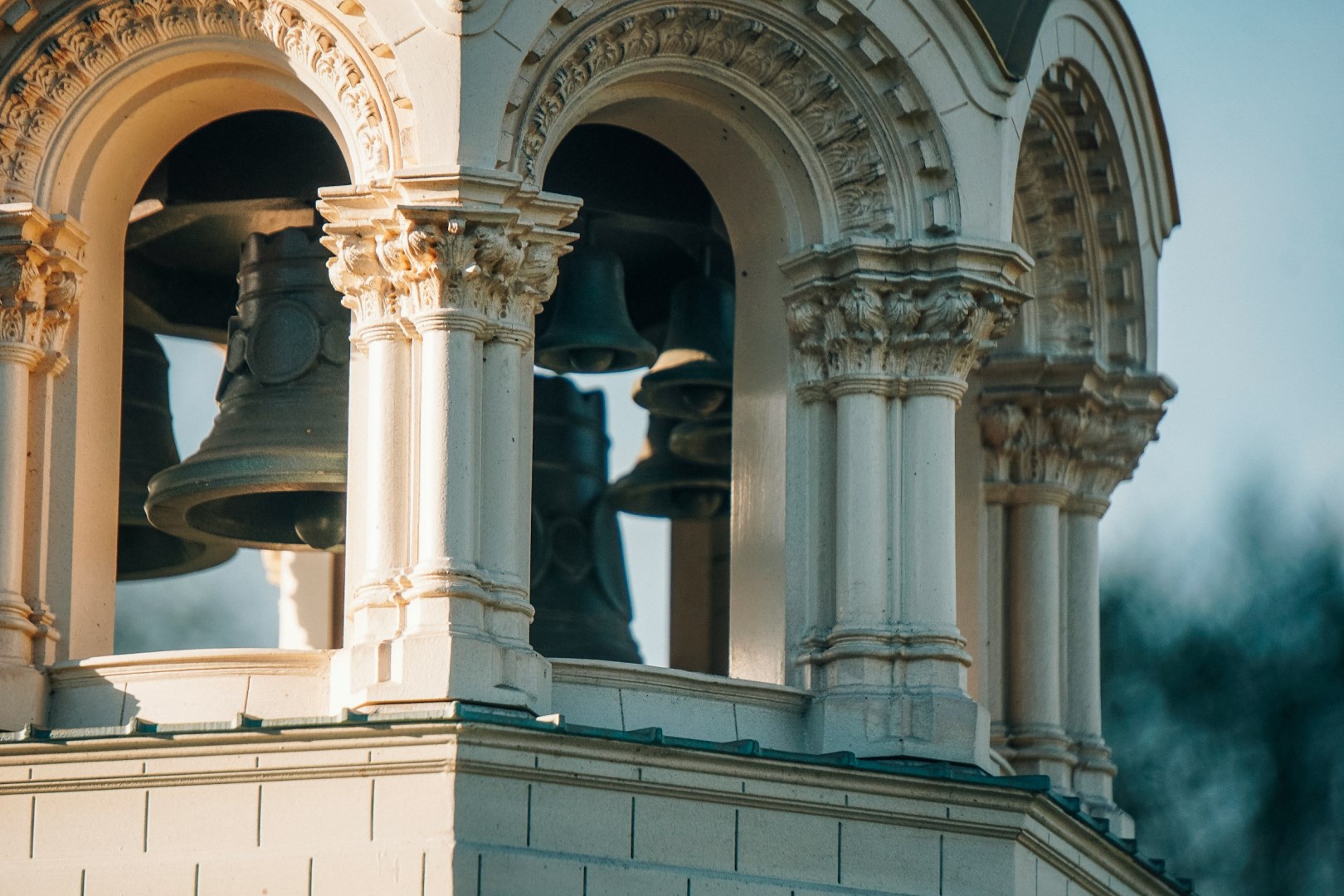
Photo Credit: Photo by Ekaterina Nikolova on Unsplash
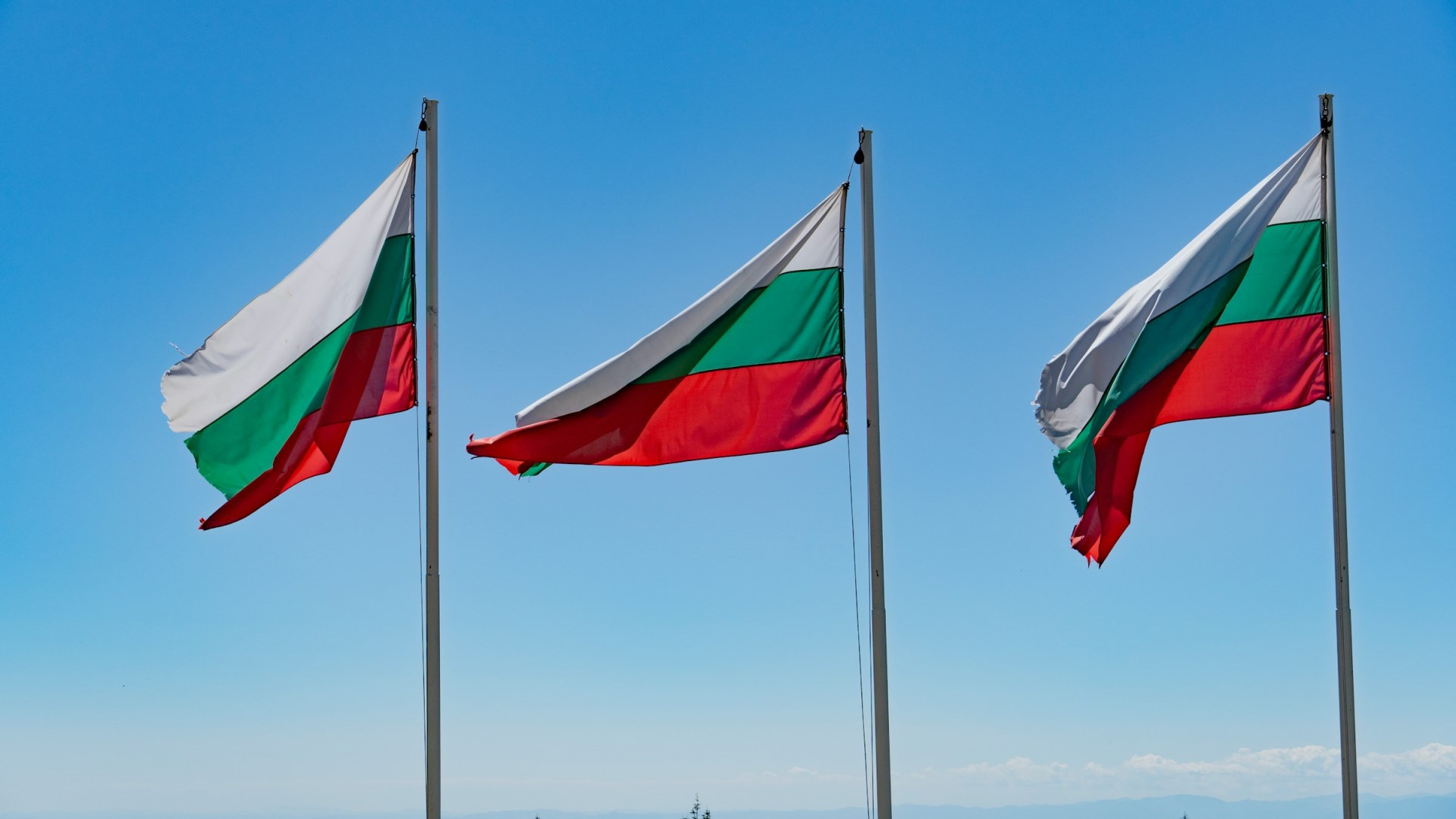
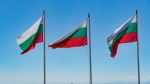
Bulgaria is a republic in southeastern Europe. The capital and largest city is Sofiya. Bulgarian culture has been influenced successively by Byzantine, Greek, Russian, and Western cultures.
Large libraries in Sofiya include the Central Library of the Bulgarian Academy of Sciences, the library of the University of Sofiya, and the Cyril and Methodius National Library. The Ivan Vazov National Library is located in Plovdiv.
The country has more than 200 museums. In Sofiya are botanical and zoological museums and gardens; the National Archaeological Museum, with a collection of old coins and finds from many ancient burial mounds; and the National Ethnographical Museum. Other museums in the country are devoted to history, science, and the revolutionary movement.
Bulgarian handicrafts include rich folk embroideries and ornaments. Some of the best sculpture, wood carving, etchings, and painting are based on traditional culture and native subjects. The chief architectural monuments of Bulgaria are medieval churches and monasteries. The chief native musical instruments are the gaida (bagpipe) and the kaval (a wooden shepherd's flute). The characteristic folk dances are variations of the hora, a round chain dance, and the ruchenitsa, a lively dance of two couples. Modern Bulgarian orchestral and operatic compositions have occasionally gained recognition in other countries.
Most of Bulgaria has a harsh continental climate, with cold winters and hot summers. The average annual temperature is about 12.8° C (about 55° F).
Popular Destinations in Bulgaria
Vidin
Nestled on the banks of the Danube River, Vidin, Bulgaria, is a city where history and scenic beauty converge. This ancient city, known for its well-preserved medieval fortress, the Baba Vida Castle, offers a unique glimpse into Bulgaria's past. The fortress, dating back to the 10th century, stands as one of the best-preserved medieval fortifications in the country.
Rousse
Rousse, Bulgaria, often referred to as "Little Vienna," sits gracefully on the banks of the Danube River. Known for its rich history, stunning architecture, and vibrant culture, Rousse offers a glimpse into Bulgaria's past while embracing the future. The city's central square, Svoboda (Freedom) Square, is a great starting point for exploring.