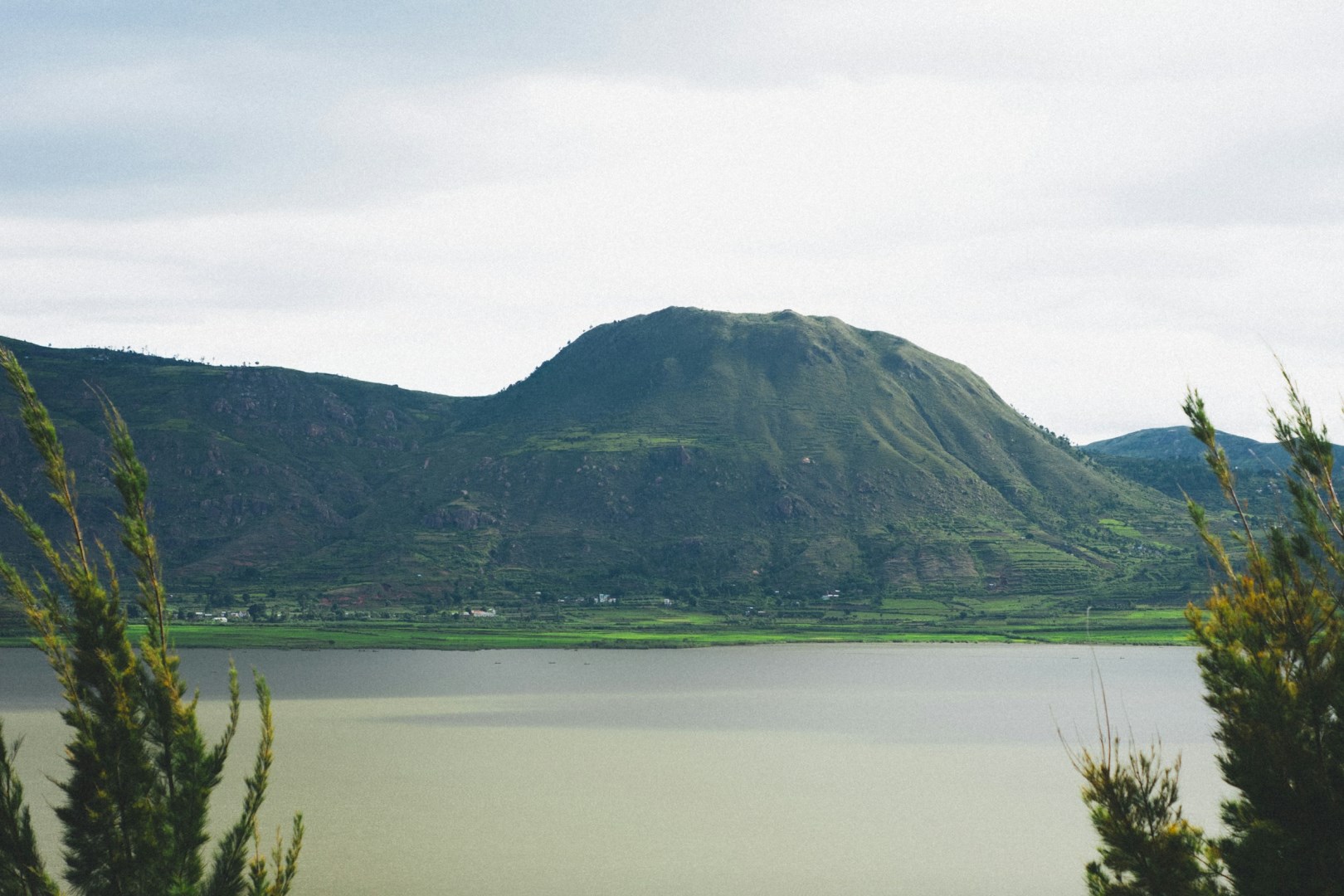
Ampefy is a highland town in central Madagascar, situated in the Itasy region west of Antananarivo. The area is known for its volcanic landscape, with Lake Itasy forming the center of a region shaped by ancient eruptions. Rolling hills, fertile farmland, volcanic cones, and streams surround the lake, creating a landscape that differs from Madagascar’s drier western and southern regions.
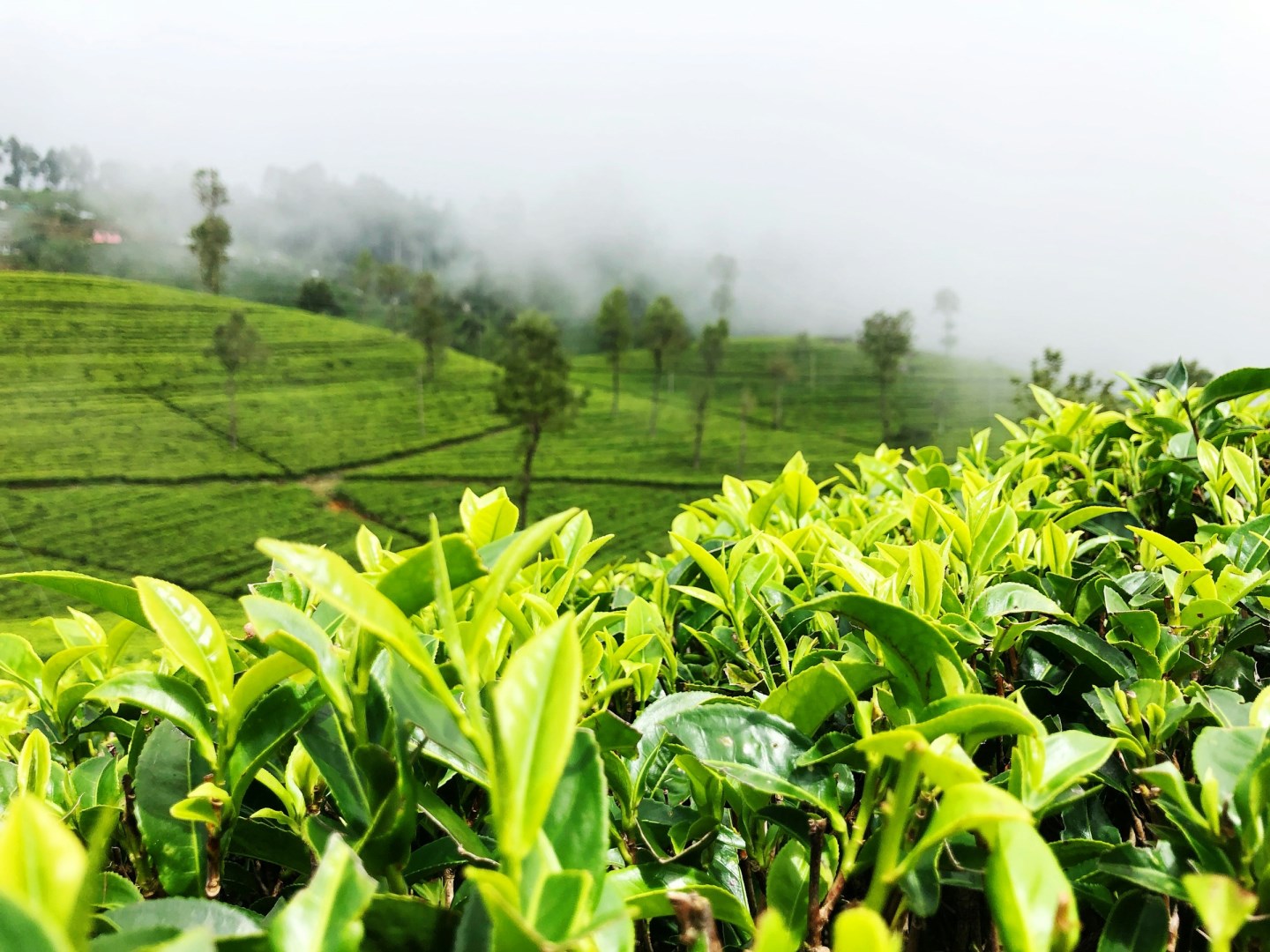
Haputale is a hill town in Sri Lanka’s Badulla District, set along a narrow mountain ridge surrounded by tea-covered slopes and forested highlands. Its elevated position gives the town a cool climate and broad views across the valleys of the southern and eastern hill country. Tea cultivation is central to the surrounding landscape, with estates covering the steep hillsides and winding roads connecting plantations and villages.
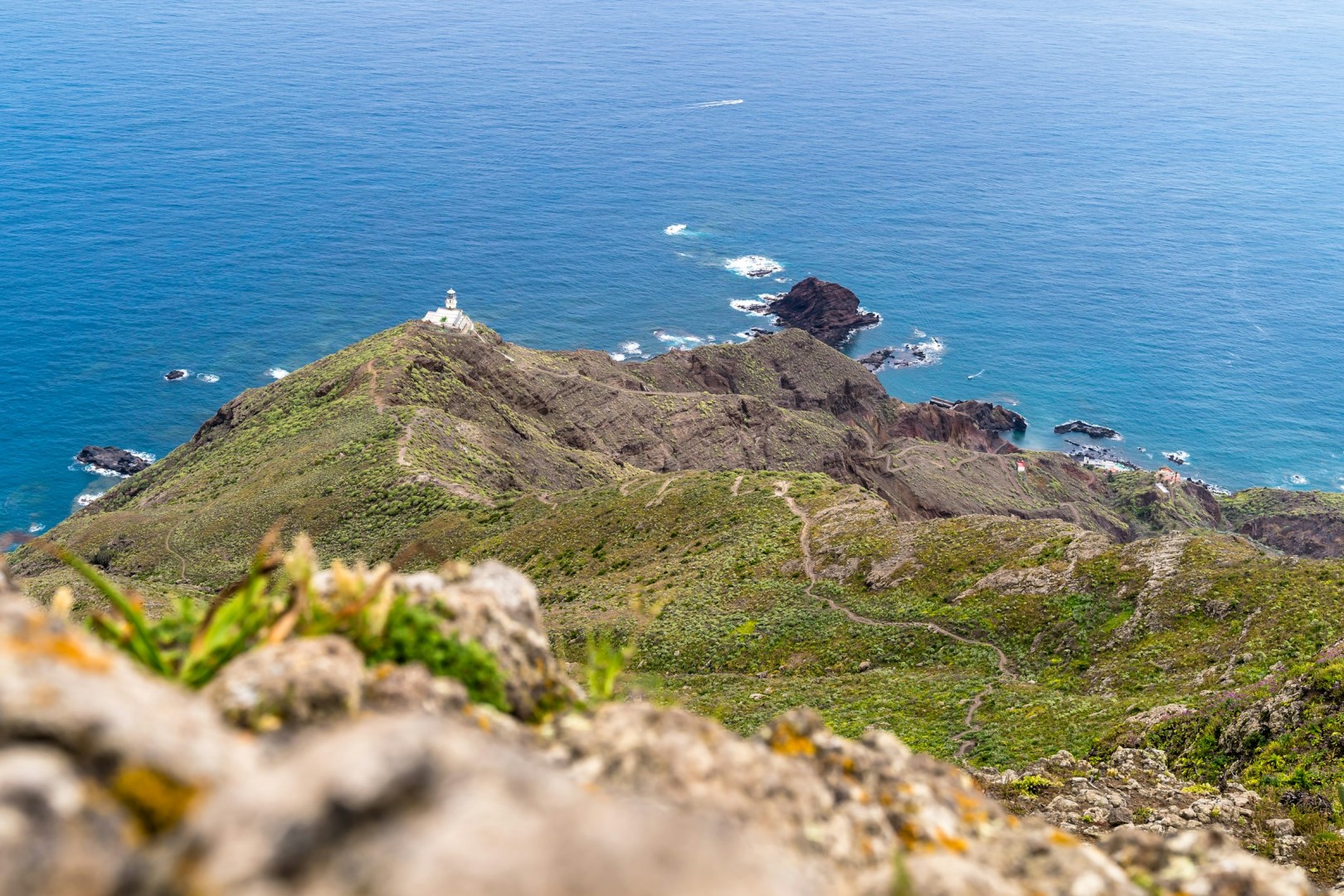
The city of Santa Cruz De Tenerife, located on the island of Tenerife, is a favorite stop for Transatlantic voyagers. Tenerife is both the largest and most populated of the seven Canary Islands and of Spain itself. As the island's main city, Santa Cruz De Tenerife is home to almost half of the island's population.
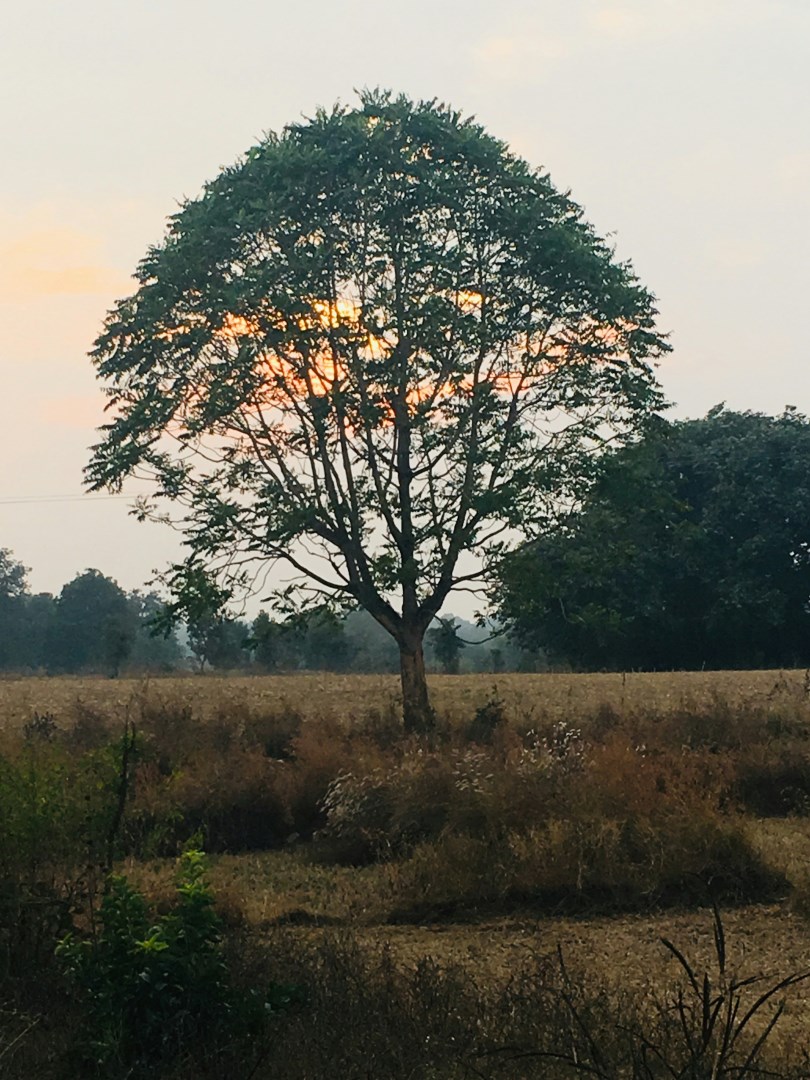
Pench National Park lies in the southern part of Madhya Pradesh, across Seoni and Chhindwara districts, with the reserve extending toward Maharashtra. The Pench River runs through the landscape and gives the park its name. Its forests include teak, salai, mahua, bamboo, and mixed dry deciduous vegetation, interspersed with open grasslands and streams. The park is especially known for Bengal tigers, but it also supports leopards, Indian wild dogs, gaur, sambar, chital, nilgai, sloth bears, and ma
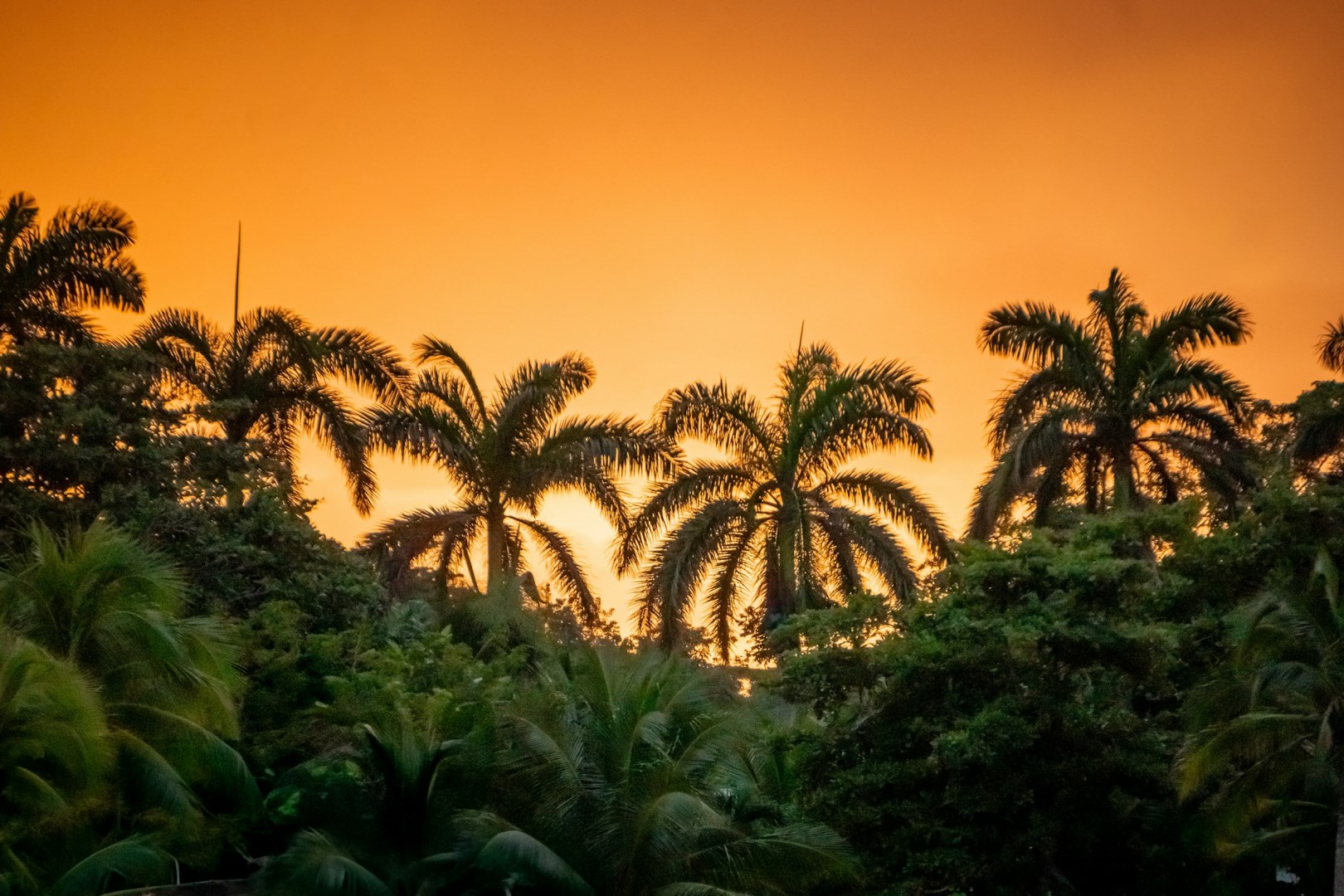
Sandy Bay is a small coastal community in Hanover Parish on Jamaica’s northwestern coast, situated between Lucea and Hopewell along the Caribbean Sea. The area is characterized by a narrow coastal plain, low hills, sandy shoreline, and tropical vegetation, with the surrounding countryside containing farms and small settlements.
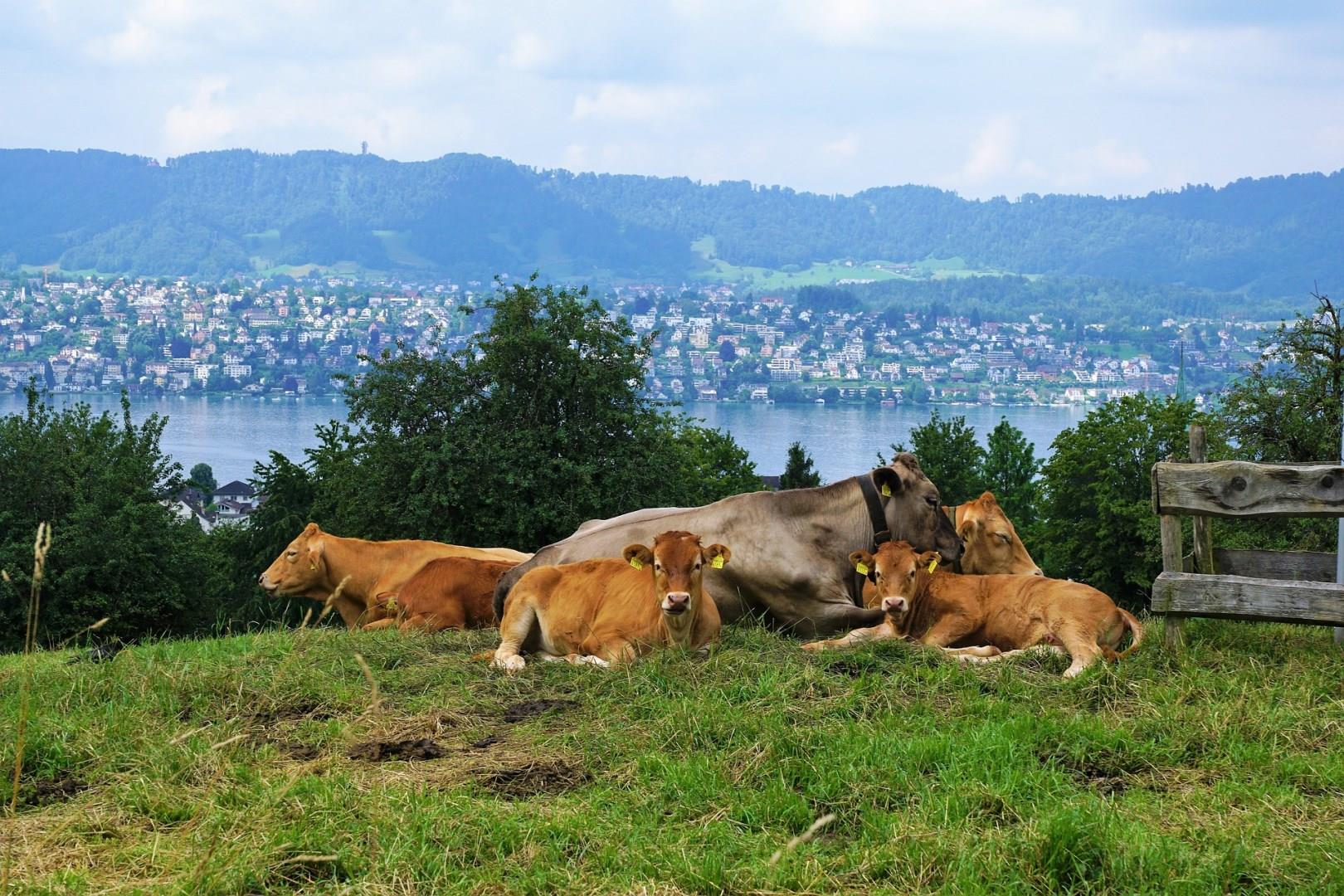
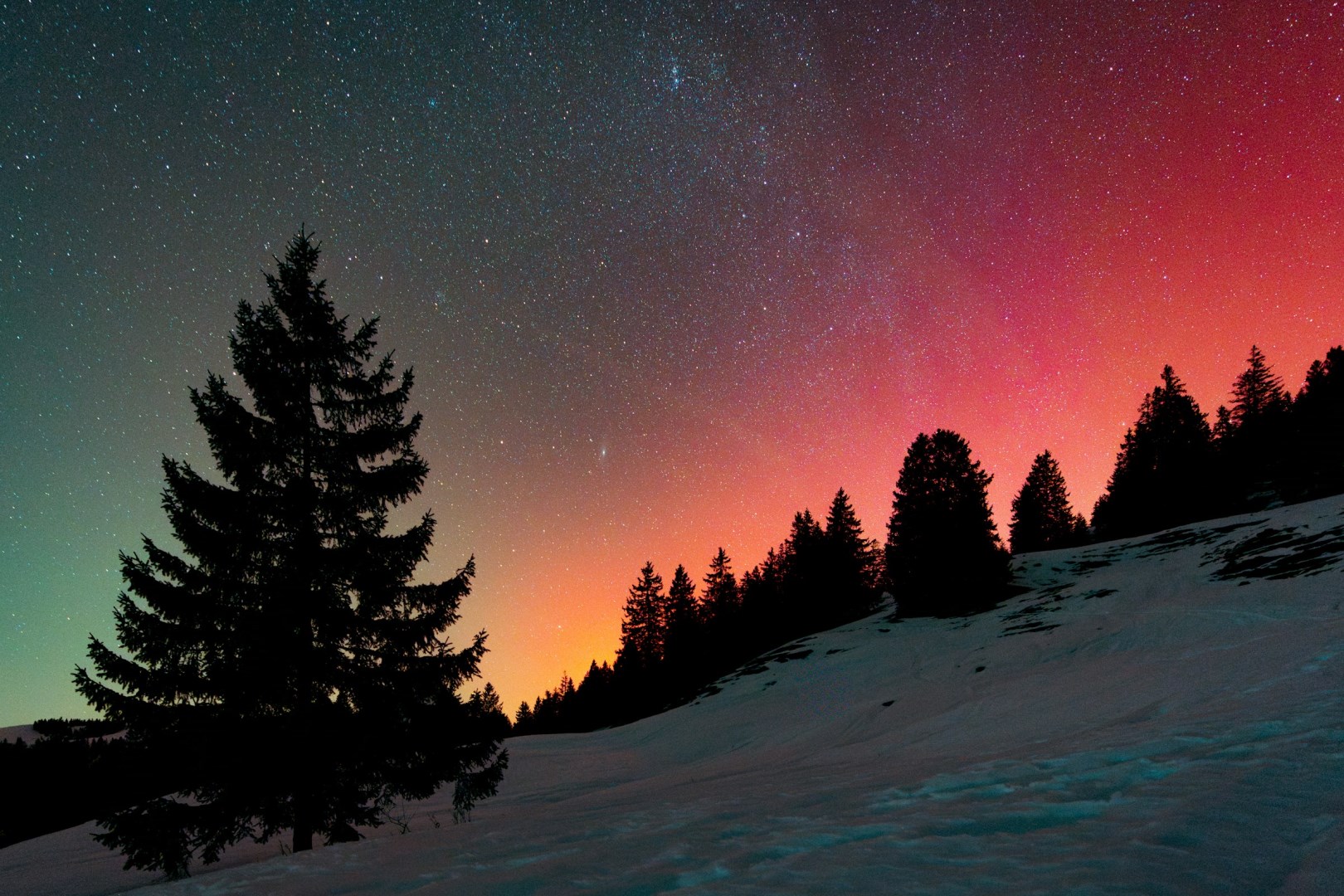
Photo Credit: Photo by Dustin Balictar on Unsplash
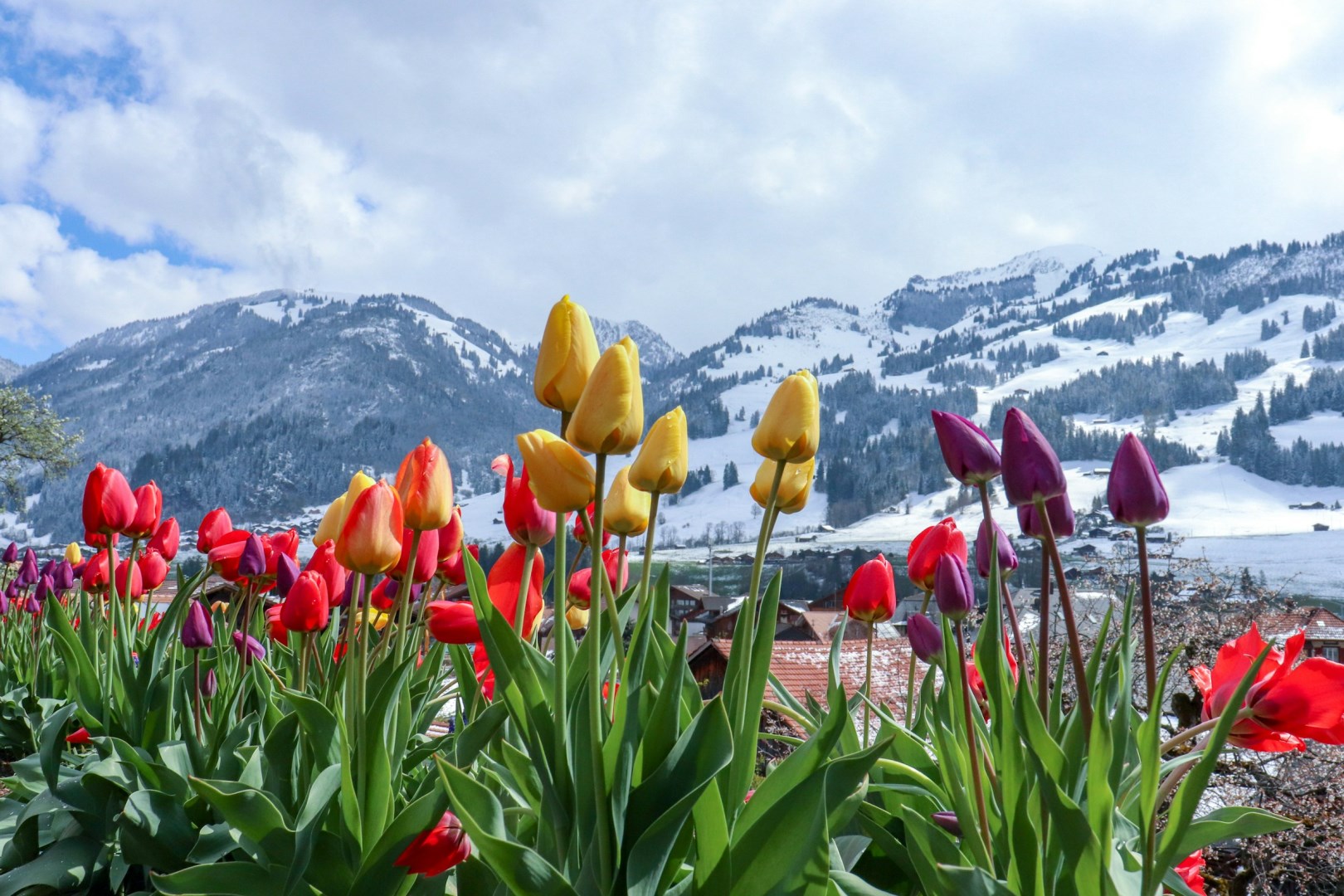
Photo Credit: Photo by Martin Adams on Unsplash
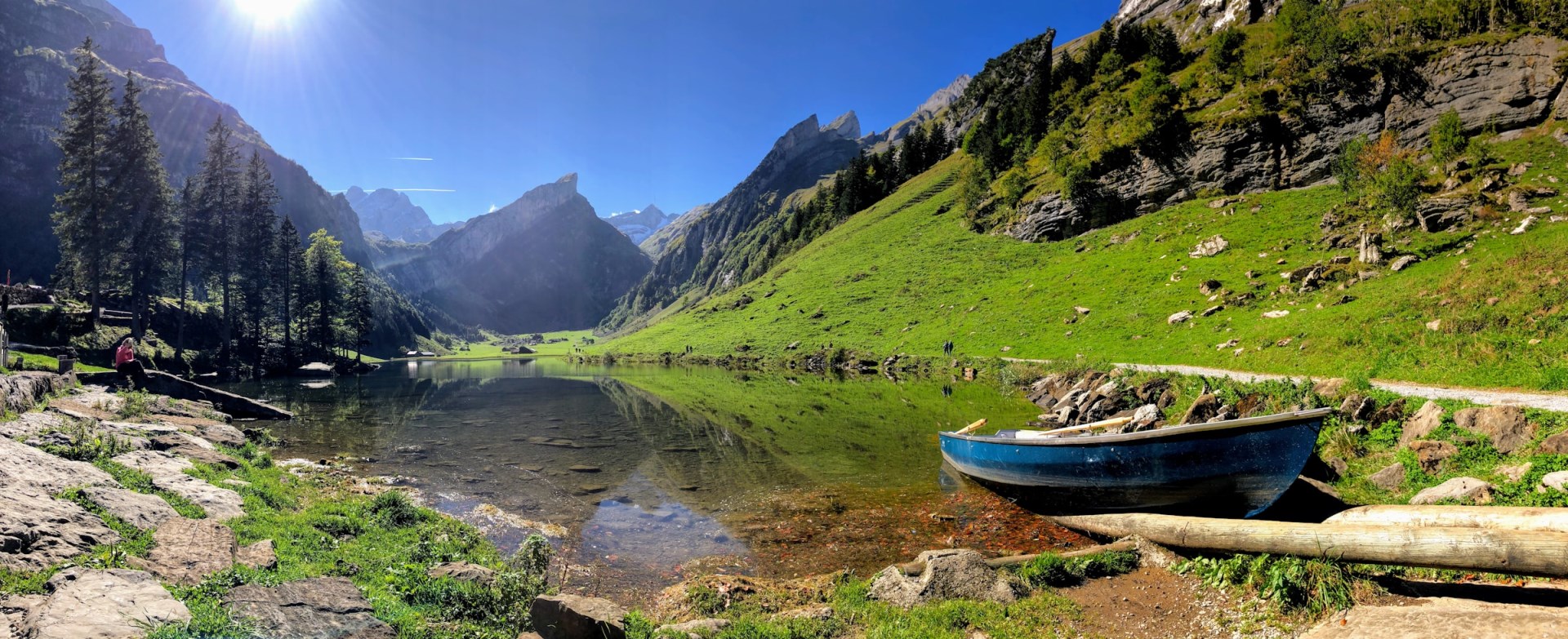
Switzerland's daily life appears to be full of contradictions: the old and the new, natural beauty and industrial production, neutrality and international frankness. These sharp contrasts go hand in hand, and this unity is the real reason that this small country in the heart of Europe has developed into such an important communication and trading partner in the world today. It is Switzerland's contrasts - its diversity which attracts both the businessman and the tourist alike.
Lofty alpine landscapes, splendid ski-fields and crystal clear mountain lakes contrast with the Mediterranean ambience of the south; an internationalism that is well and truly practiced, the fascinating heritage and rich traditions of a remarkable people, the patrician old world standing proudly side-by-side a modernity that is quite avant-garde.Switzerland is so much more than the innate pragmatism of such superior inventions as banking, life insurance and timeless timekeeping would
suggest. After all, the same practical minds concocted the world's most delectable chocolate.
In an effort to protect its traditional rights and foster a national identity, Switzerland established a democracy, nearly seven hundred years ago. Today, this tiny land-locked country has the world's oldest democracy and its mechanisms have become a blueprint for the free world.
The constitutionally authoritative network of 24 cantons is further divided into self-administrative regions known as communes. The whole seemingly complex system actually translates into a working democratic tradition in its purest form - government by the people for the people. Neutrality - declared as a means of self-preservation in the 16th century - may be the foundation of the Swiss politic and an unequivocal stance that has prompted many worldwide humanitarian organisations to base themselves there, but multi-culturalism is the way of life. This is revealed in an enormous, dynamic diversity within Swiss borders in part due to the regionalisation and their respective traditions, customs and festivals and to the predominance of three strong cultures - German, French and Italian. The delightful characteristics of each permeated the individual villages, cities and towns of each canton creating a unique national culture. There are four national languages: Swiss-German, French, Italian and the rare Romansch whilst over 700 dialects add even more colour to the mix.
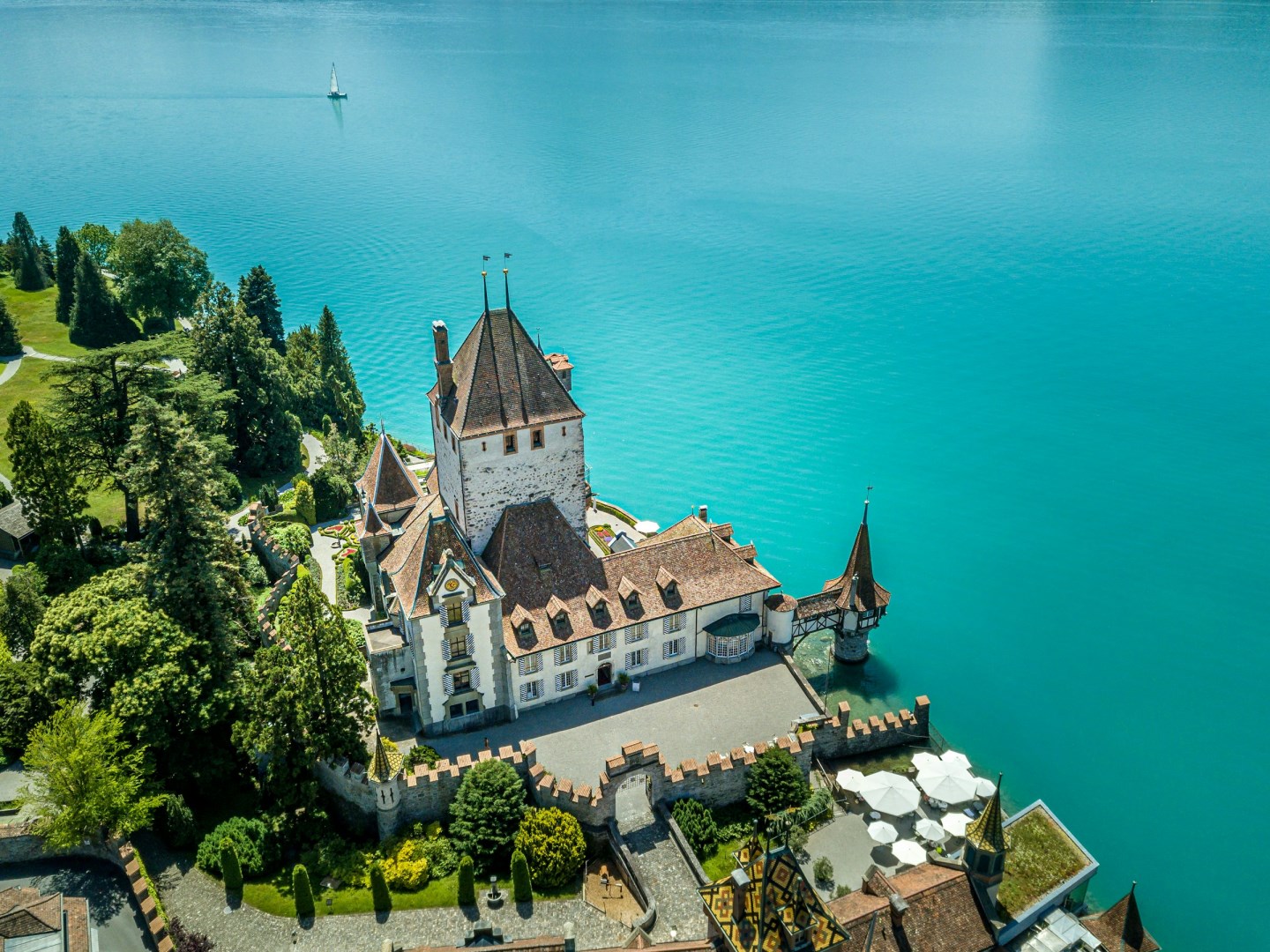
No matter where the location from rustic villages high in the snow-capped Alps, to the majestic shores of picture perfect lakes, the pure mountain air and fresh vistas of the Jura, bustling Zurich and rarefied Geneva, the warmest of welcomes awaits. Swiss hospitality is legendary.
Popular Destinations in Switzerland
Lucerne
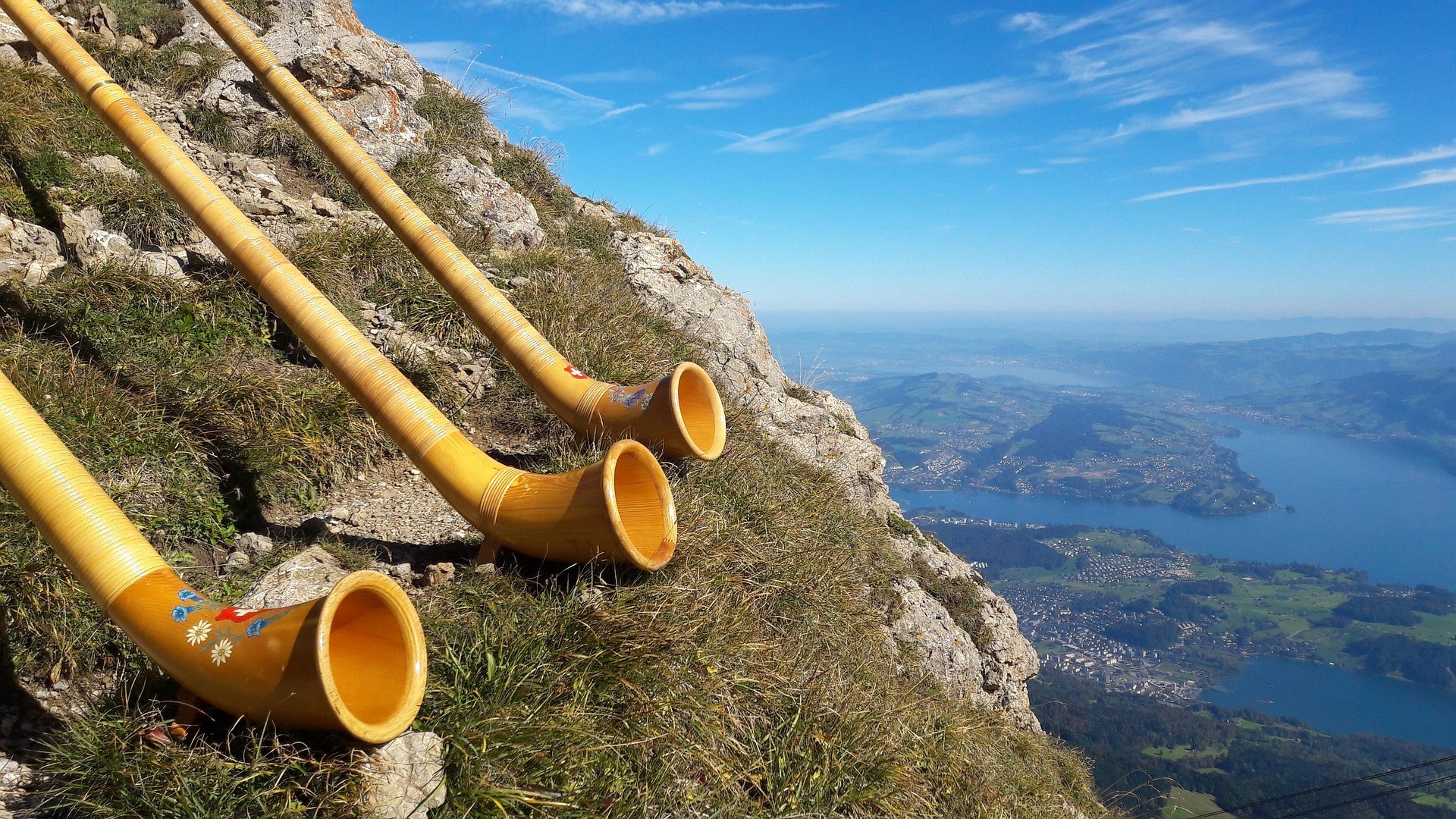
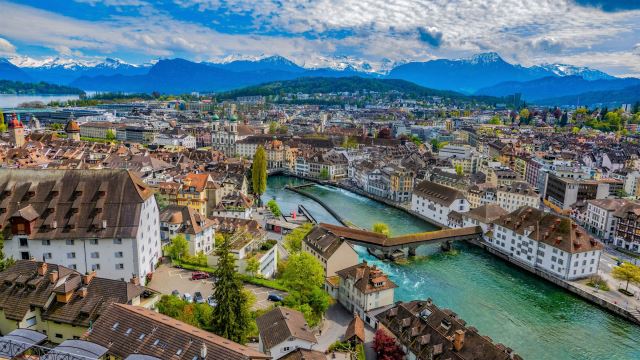
Behold beautiful Lucerne! This German-speaking area of central Switzerland on Lake Lucerne is a truly spectacular locale. Surrounded by mountains and notable for its famous Chapel Bridge, this idyllic and musical Swiss locale is wonderful any time of year.
Zurich
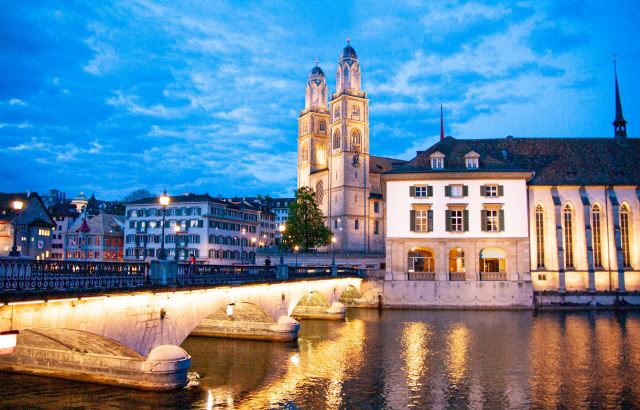
Eminently livable and a pleasure to visit, Zurich is Switzerland's largest and most affluent city. This Central European metropolis is an engine of finance and banking, and has much to offer to visitors. There are numerous art museums, fine chocolate stores, and boundless luxury shopping opportunities.