Colorado Springs
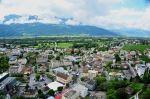
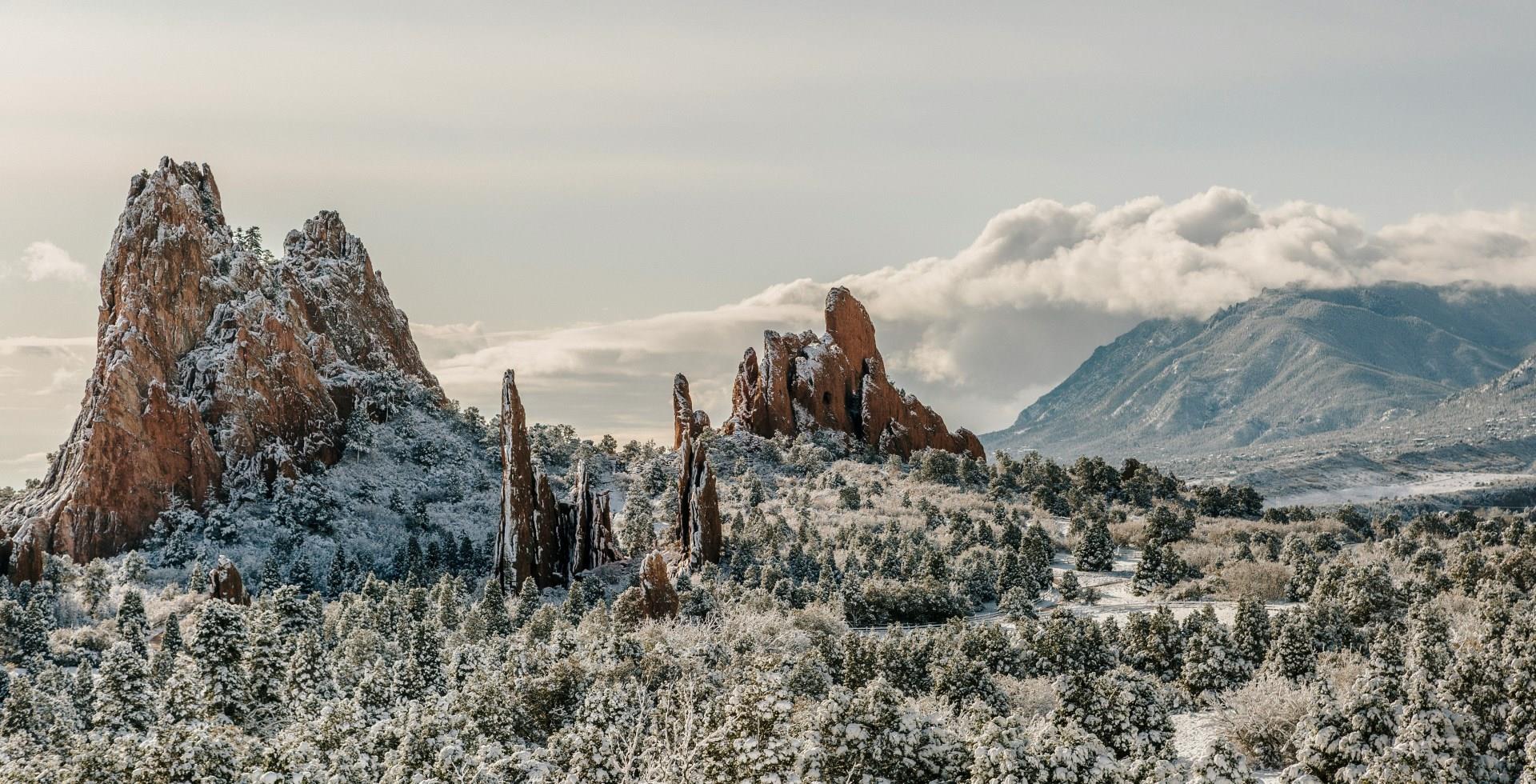
Modern-day Colorado Springs is flourishing, as the second largest city in Colorado. Fortunately, the unique features which attracted people long ago still remain. Nature entices with her array of textures and striking colors. People from all over the world visit to appreciate the countless natural and man-made attractions the Pikes Peak region has to offer.
Tashkent
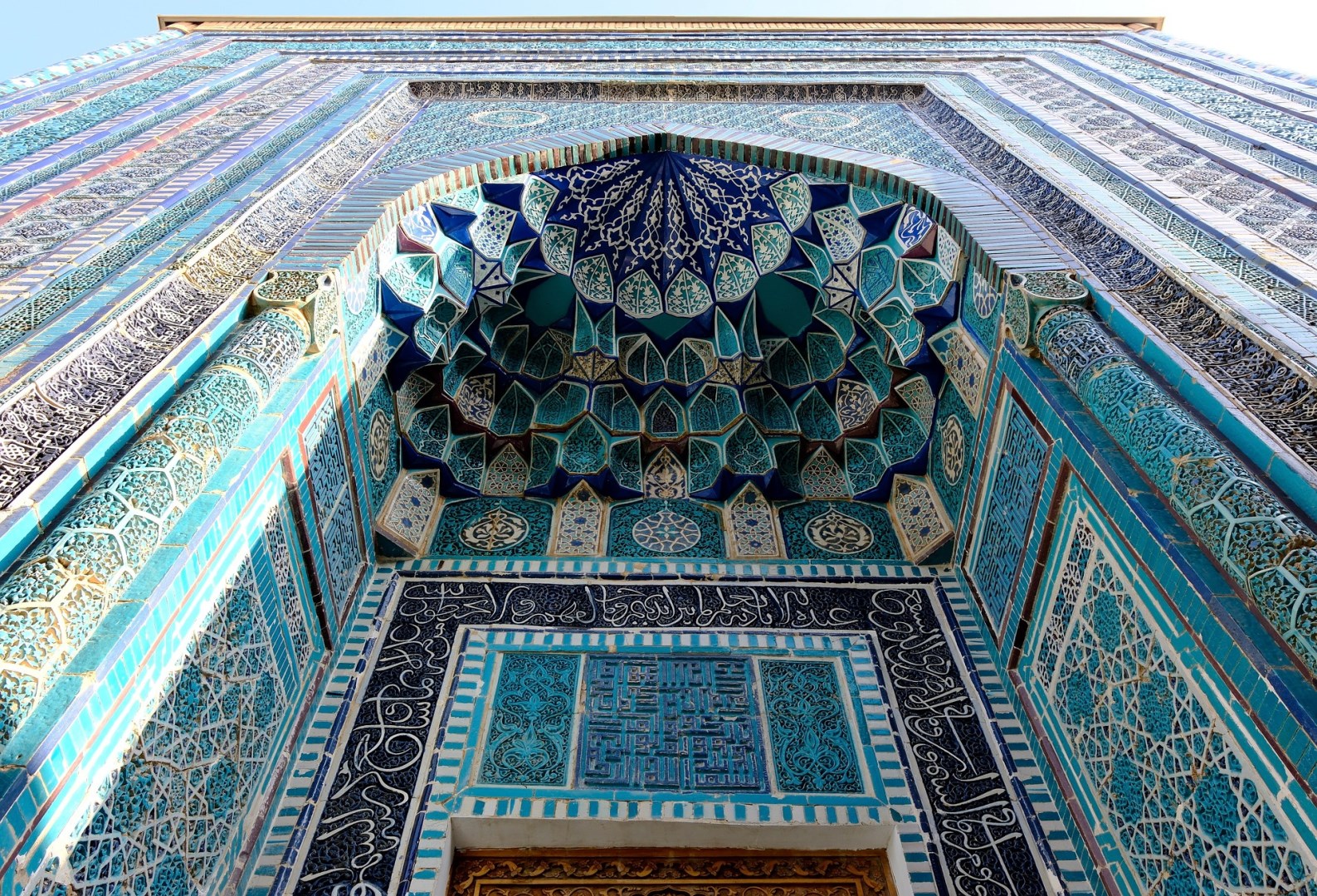
Tashkent, the capital of Uzbekistan, lies at the crossroads of Central Asia and has long been a hub of culture, trade, and political life. Its history stretches back over two millennia, shaped by Persian, Mongol, and Russian influences.
Dawes Glacier
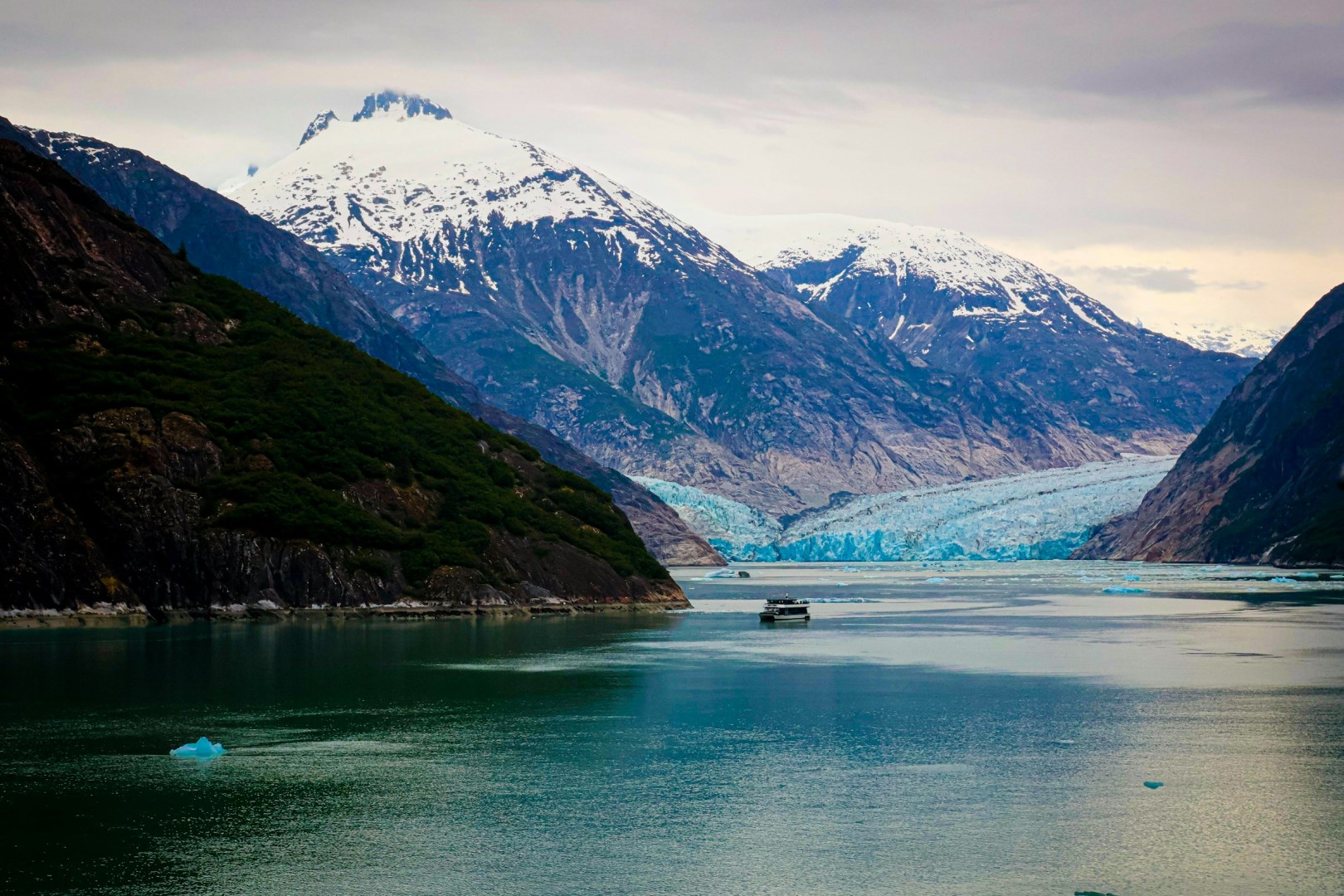
Dawes Glacier is a tidewater glacier in Endicott Arm, a deep fjord branching from the waters of southeastern Alaska’s Tracy Arm-Fords Terror Wilderness. The glacier descends from the Coast Mountains toward the head of the fjord, where ice meets seawater at a broad calving face. Towering mountains, steep cliffs, waterfalls, and dense coastal forest surround the fjord, creating a dramatic setting that is best experienced from the water.
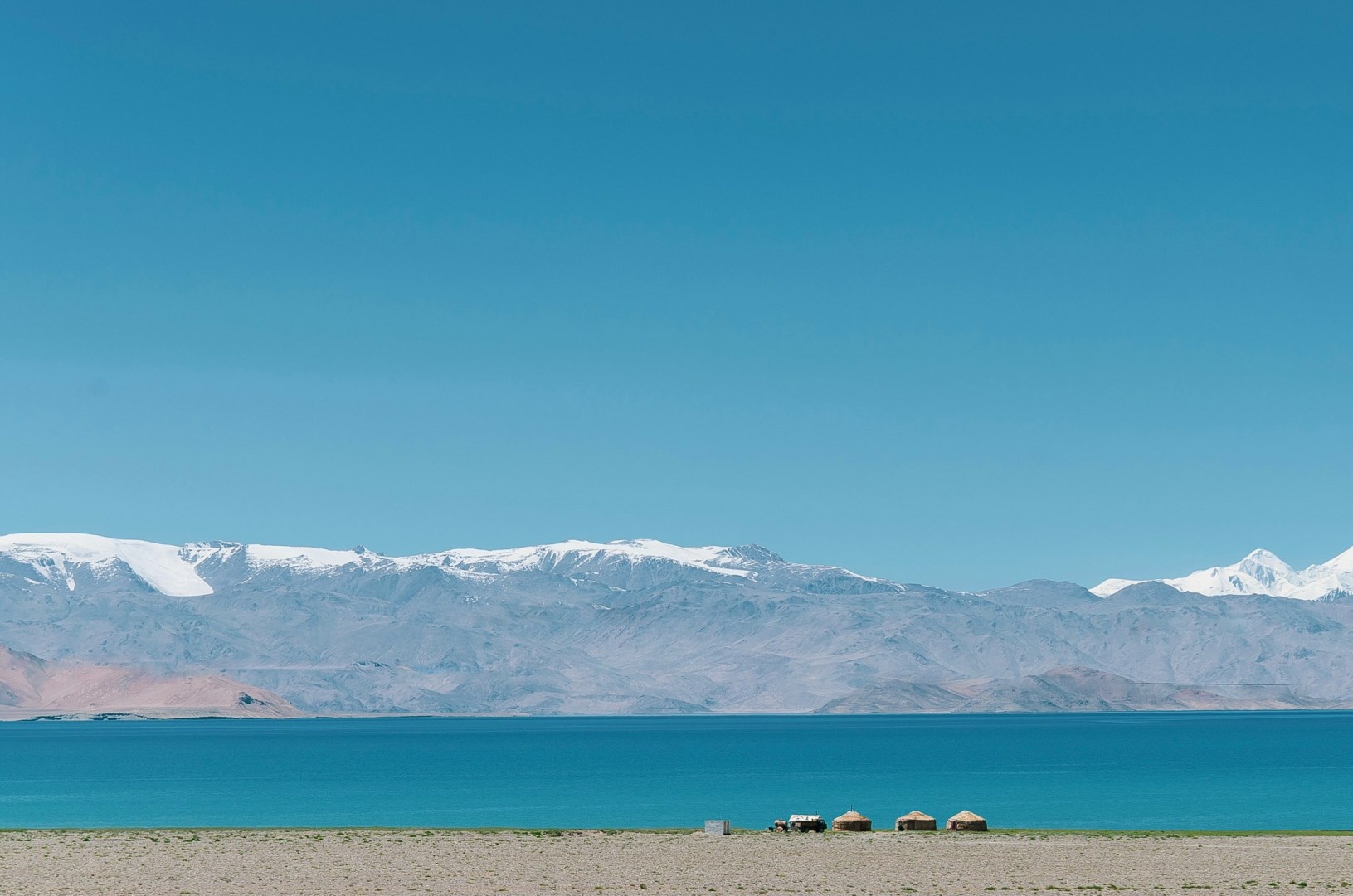
Karakul Lake
Karakul Lake is a high-altitude lake in eastern Tajikistan, situated in the Pamir Mountains near the village of Karakul. The lake lies at roughly 3,900 meters above sea level within a broad, treeless landscape of rocky plains and high mountain ranges. Its name means “Black Lake” in Turkic, although its water can appear deep blue, green, or turquoise depending on the light. Karakul is the largest lake by surface area in the Pamirs and is part of the wider Tajik National Park.
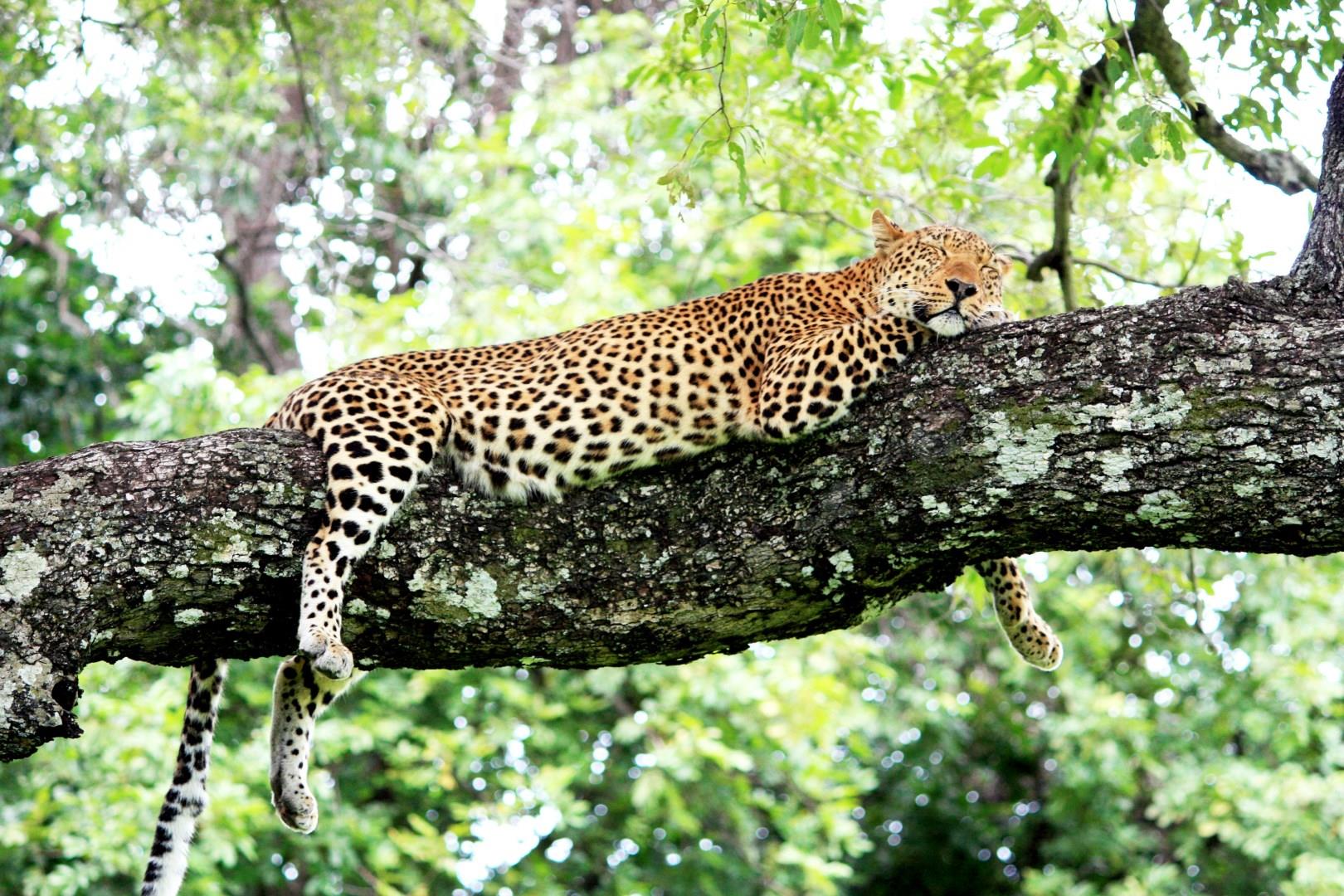
South Luangwa National Park
South Luangwa National Park in eastern Zambia is one of Africa’s most treasured wildlife areas, lying along the lush bends of the Luangwa River. Designated as a protected area in the 1970s, it stands out for its consistently high wildlife densities and landscapes that shift with the seasons. Dry grasslands, shaded woodlands, and green floodplains all unfold beneath wide skies, shaping the canvas for memorable animal sightings.