Pigeon Key
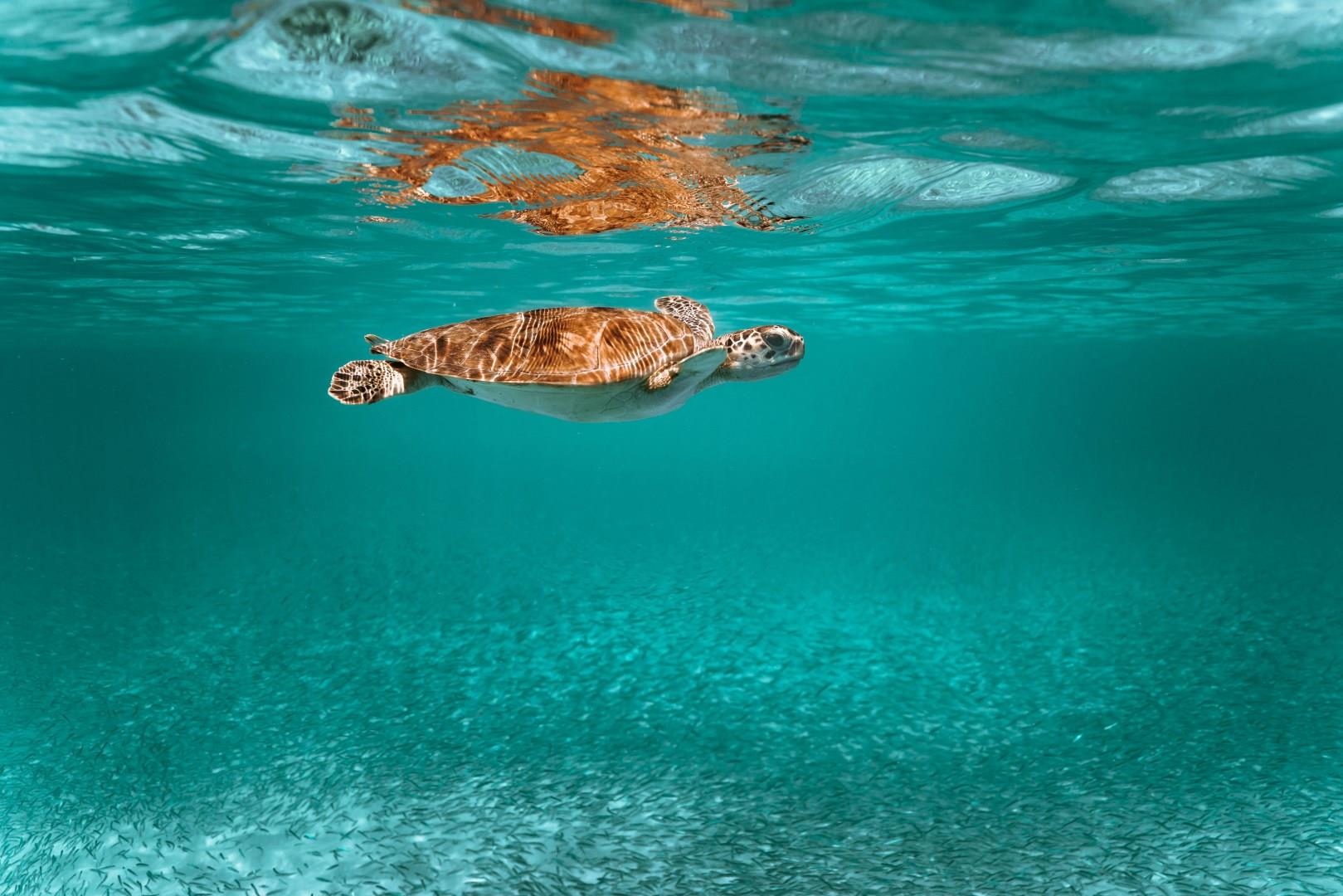
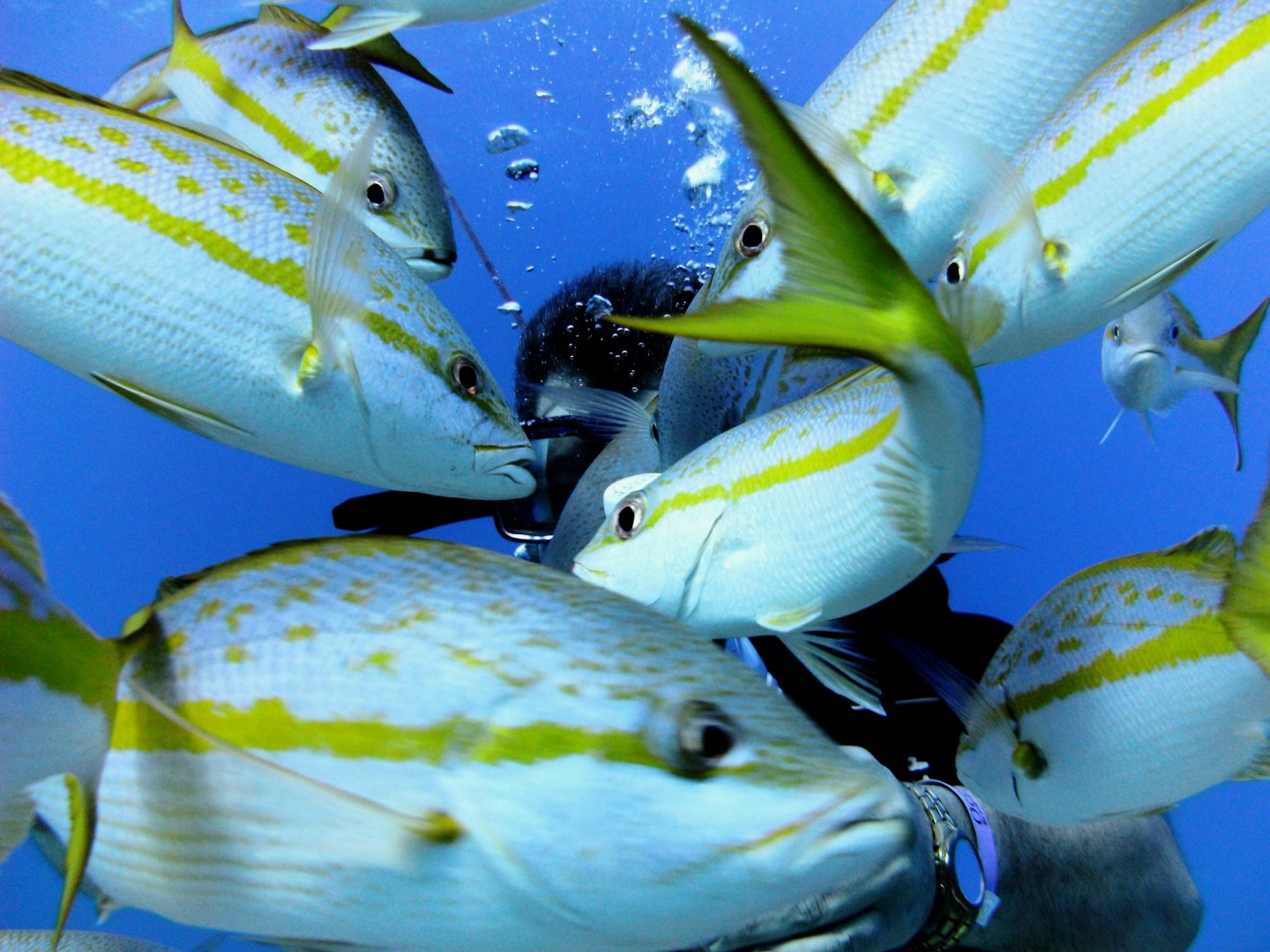
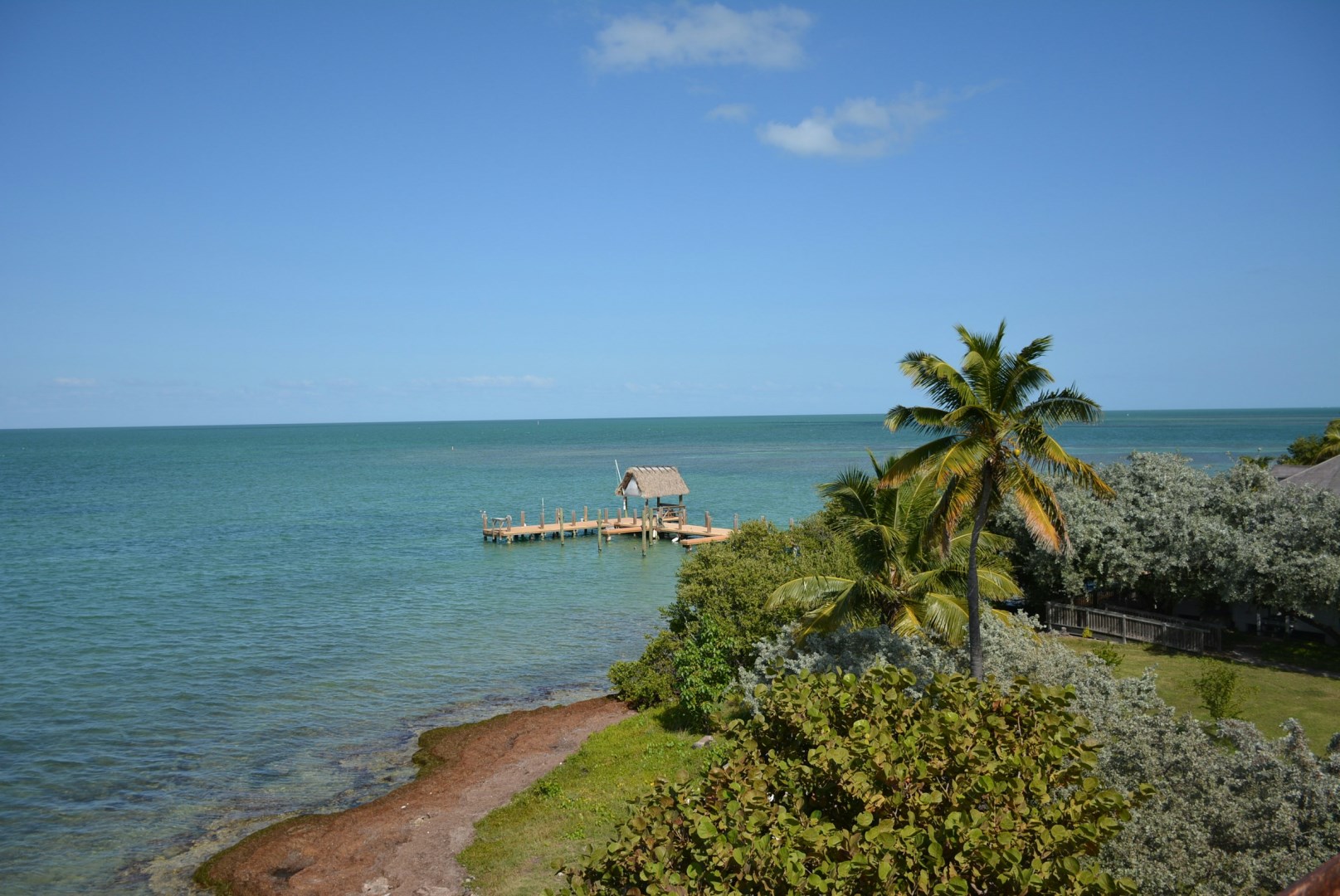
Pigeon Key is a small historic island in the Middle Keys, located just offshore from Marathon beneath the Old Seven Mile Bridge. The island occupies only a few acres, yet its position within the Florida Keys gives it an unusual combination of maritime history and tropical surroundings. Today, Pigeon Key is preserved as a historic and educational site, with restored buildings, a small museum, and facilities for marine science programs.
Wakayama
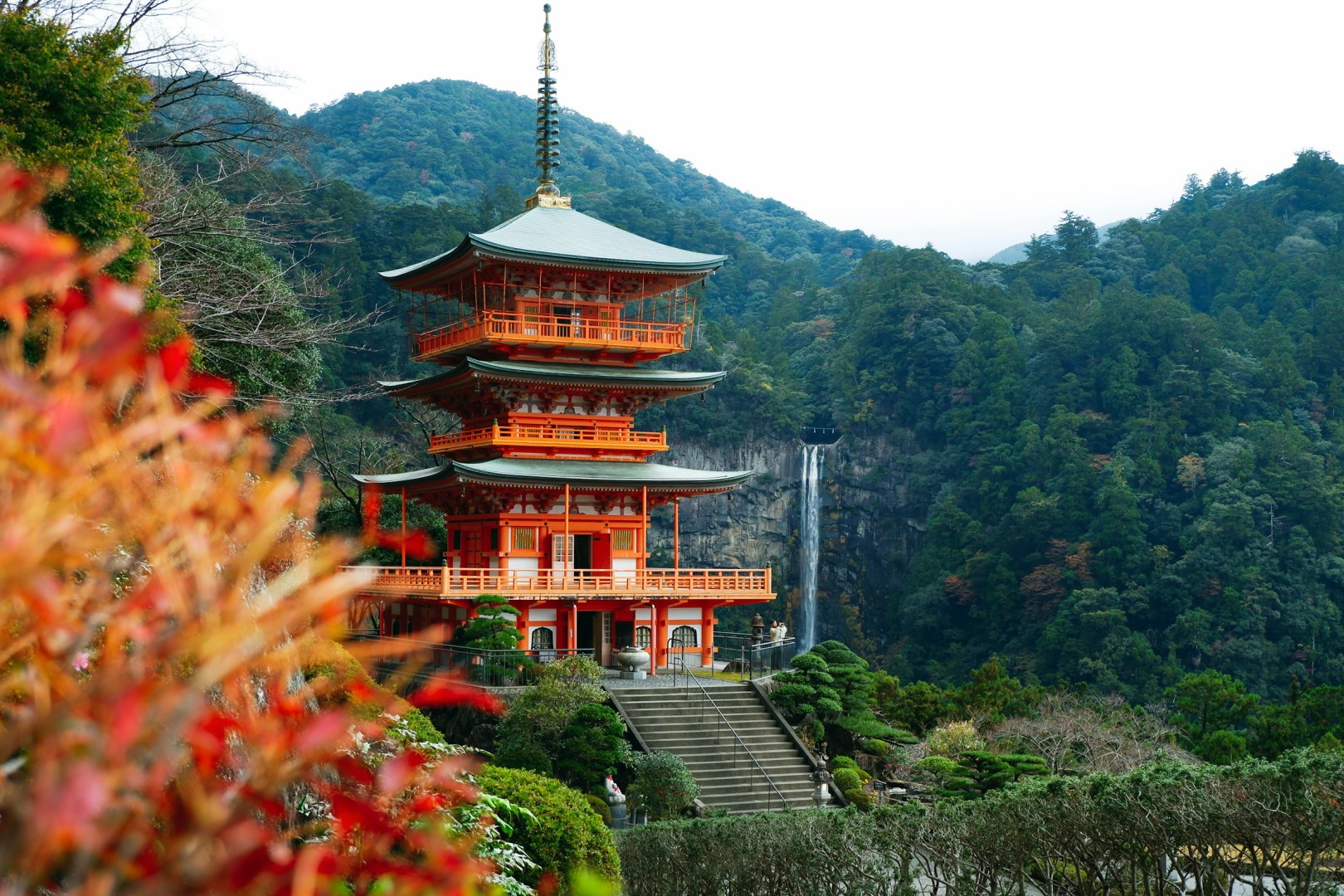
Wakayama is a coastal city in western Japan and the capital of Wakayama Prefecture, located on the Kii Peninsula beside Wakayama Bay. Its setting combines the sea with wooded hills and nearby mountain country, while the city itself has developed around a historic castle town. Wakayama Castle stands on Mount Torafusu near the city center, overlooking the surrounding streets, mountains, and Kii Channel.

Aruba
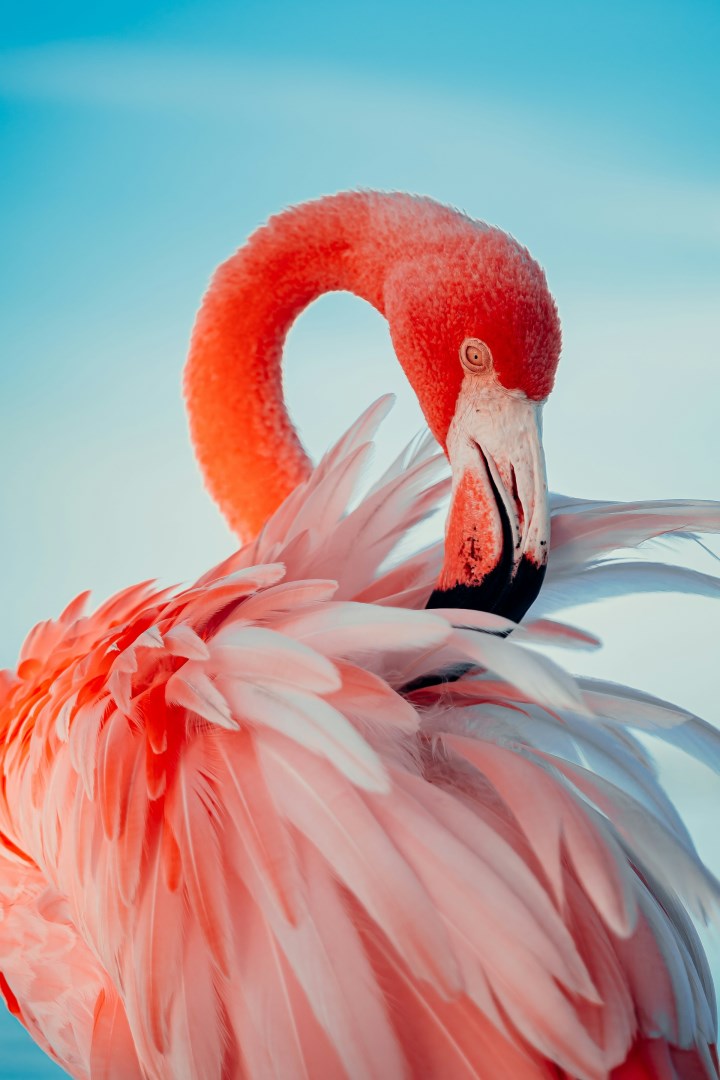
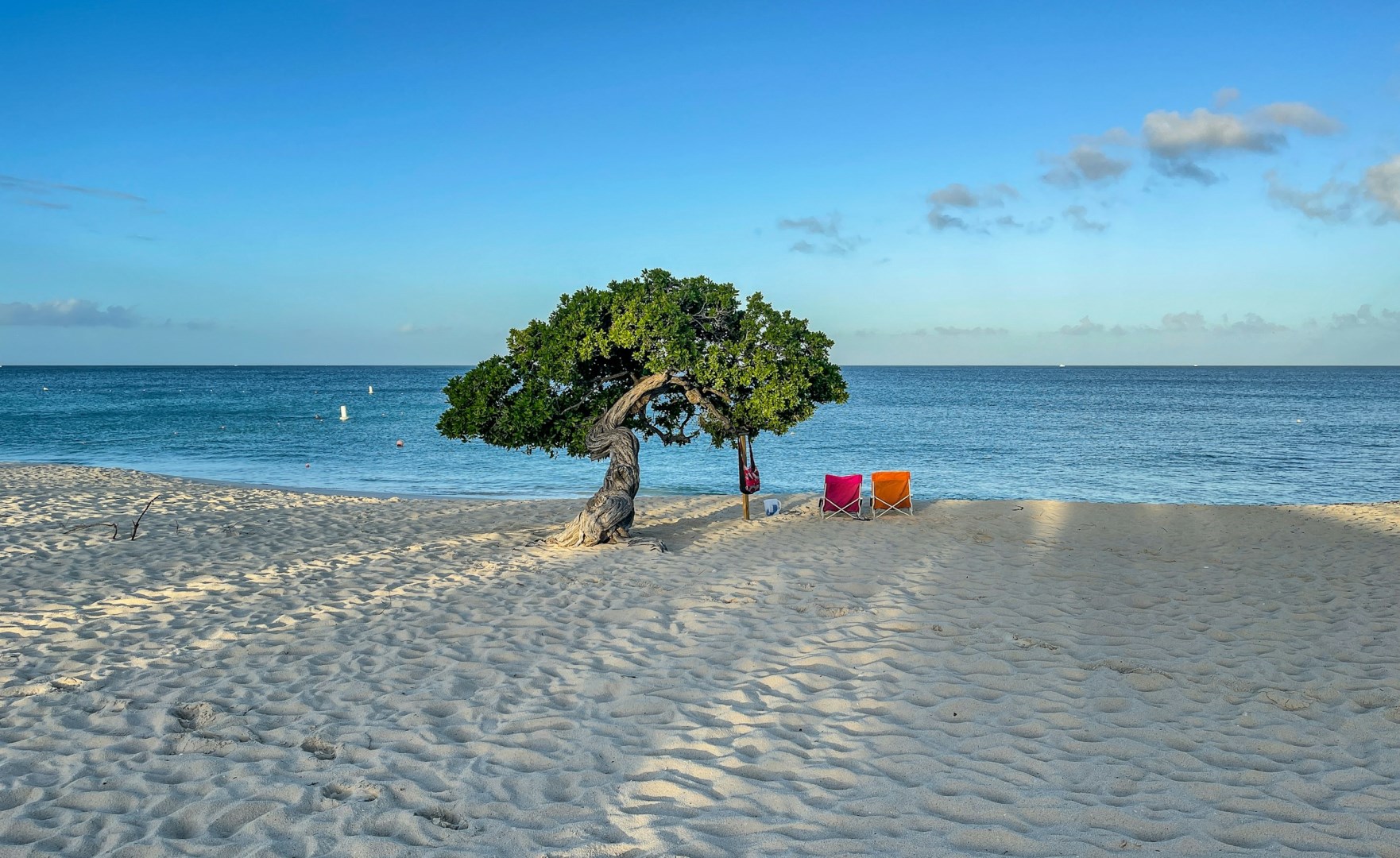
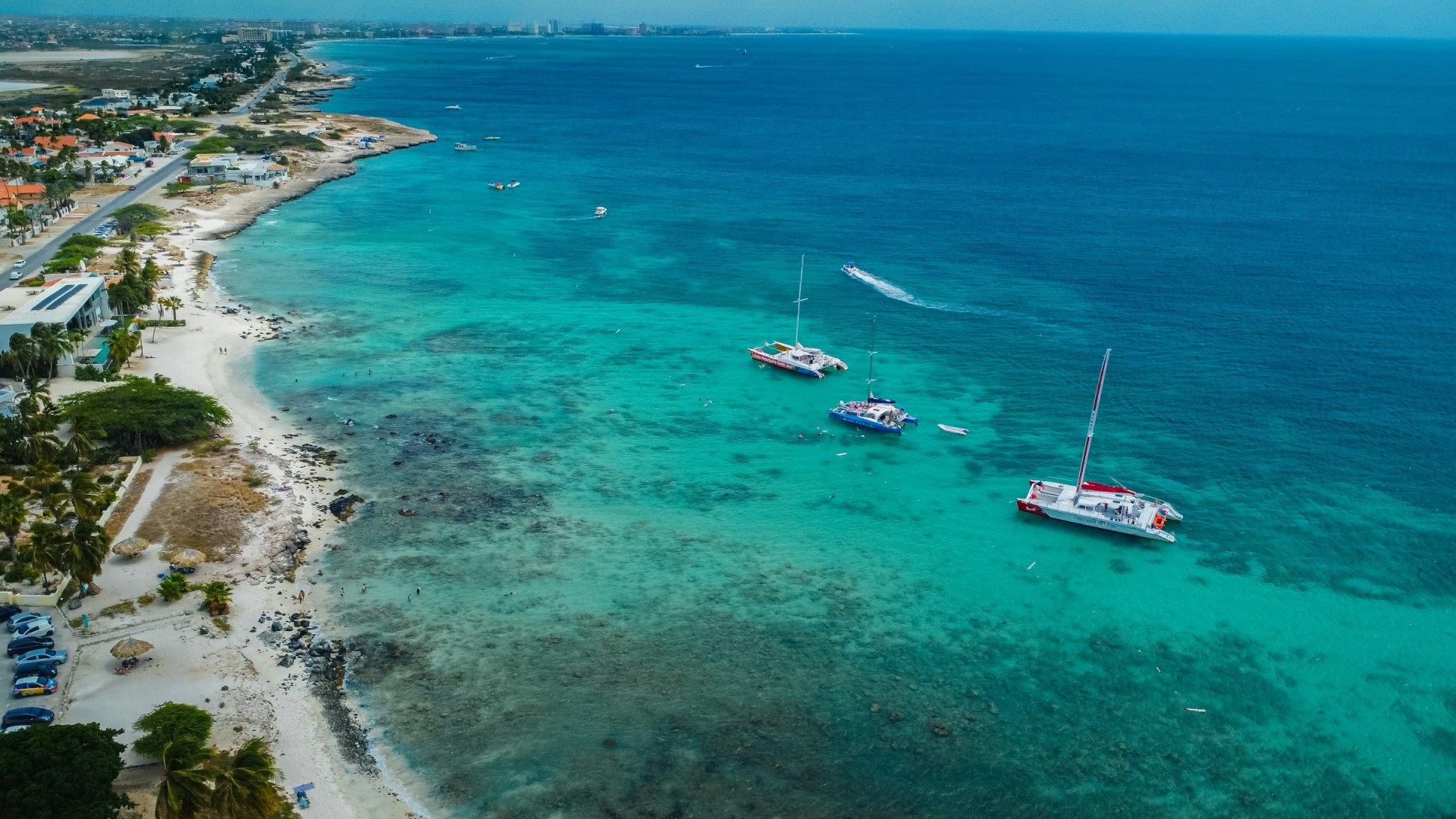
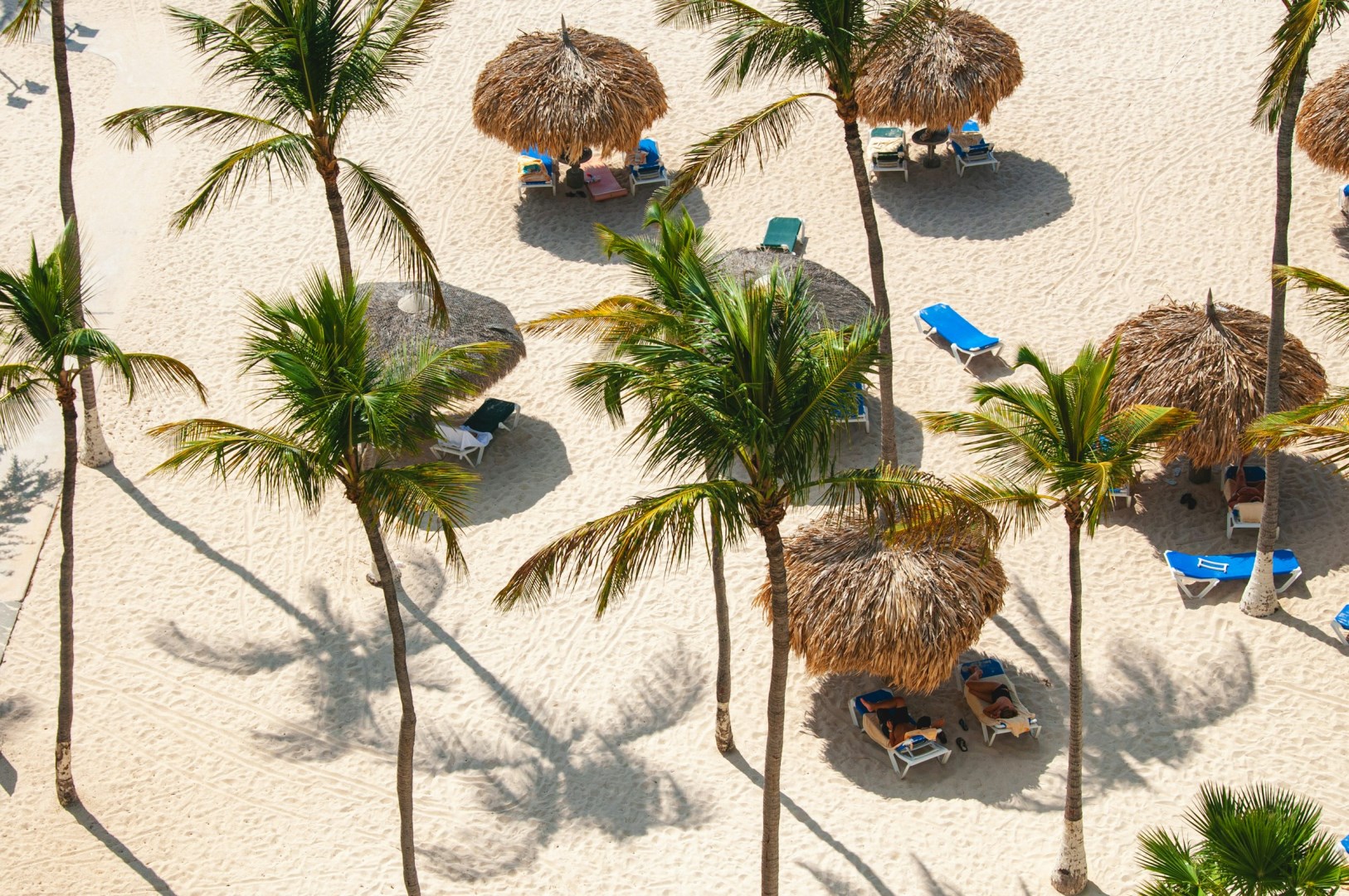
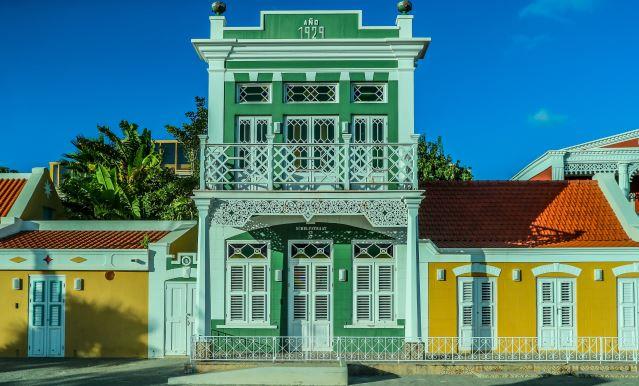
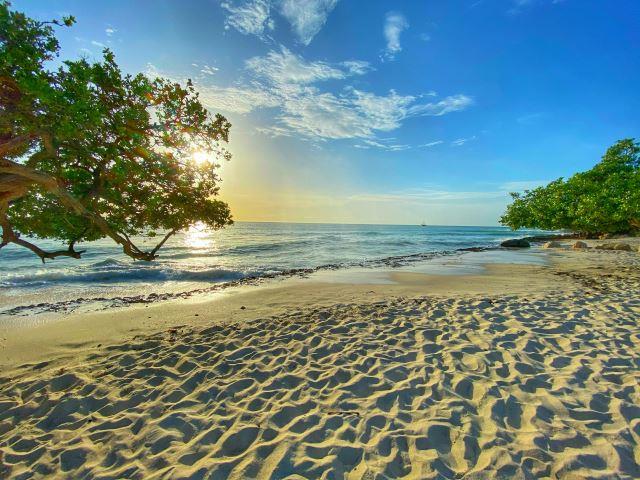
Aruba, the “One Happy Island,” blends Caribbean charm with a distinct Dutch influence that shapes its culture, cuisine, and colorful architecture. Located just outside the hurricane belt, it enjoys year-round sunshine, making it a favorite destination for travelers seeking both relaxation and adventure.
Freeport
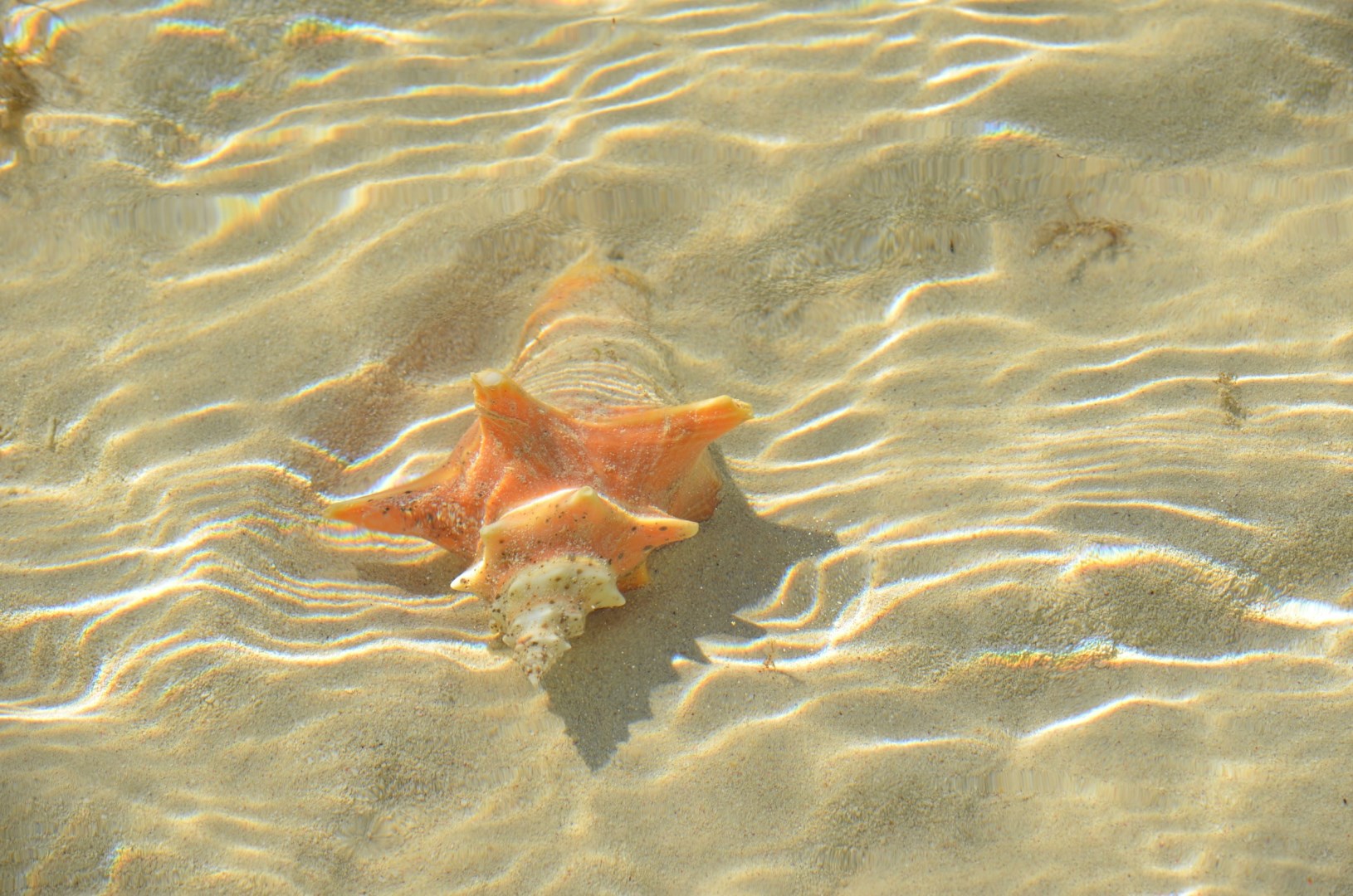
Freeport is the commercial center of Grand Bahama Island, set on the island’s southwestern side beside sheltered waters and extensive pine forests. The city was planned around a large private land development and has grown into a regional hub for tourism, shopping, dining, shipping, and recreation.

Turks and Caicos Islands
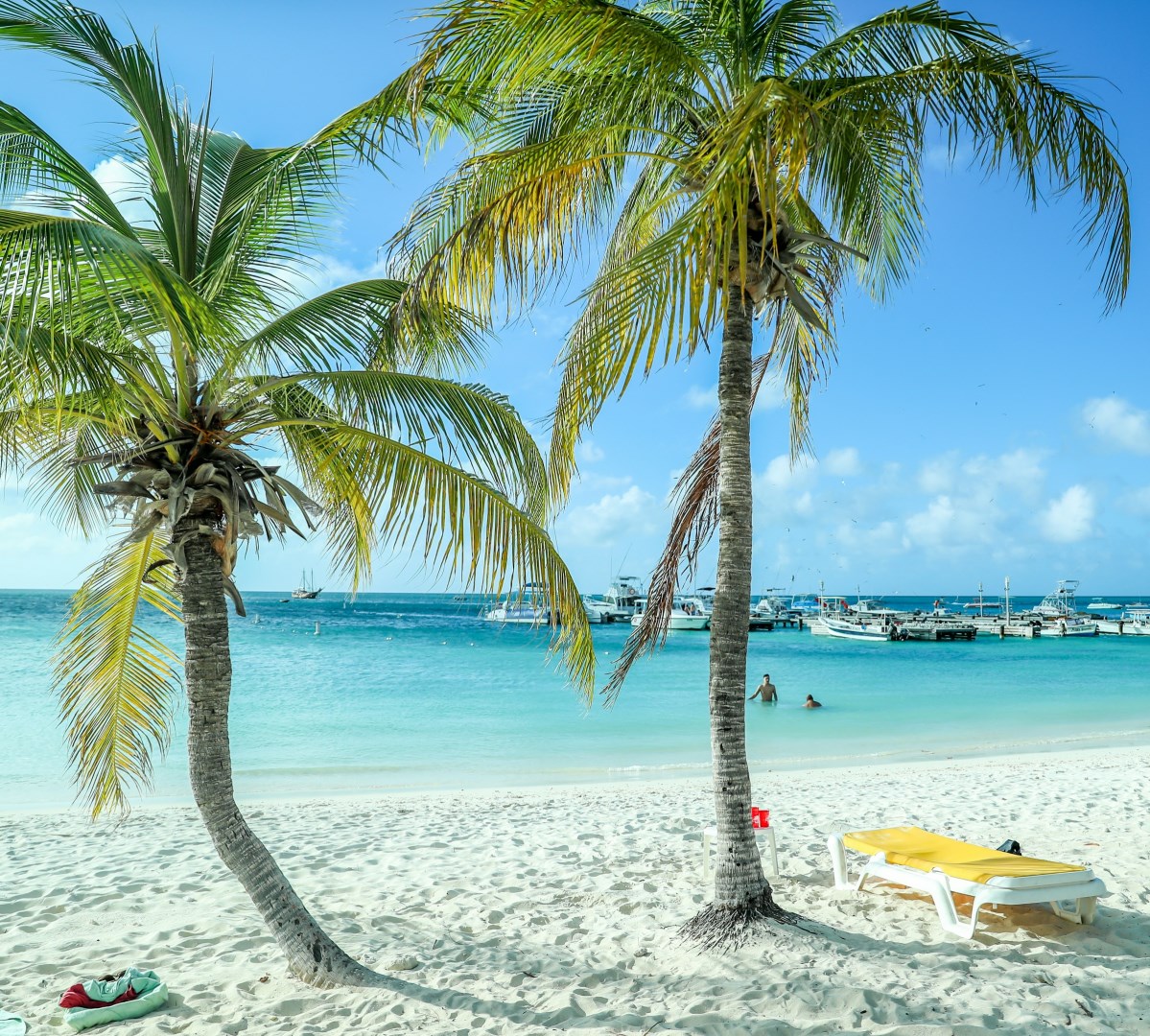
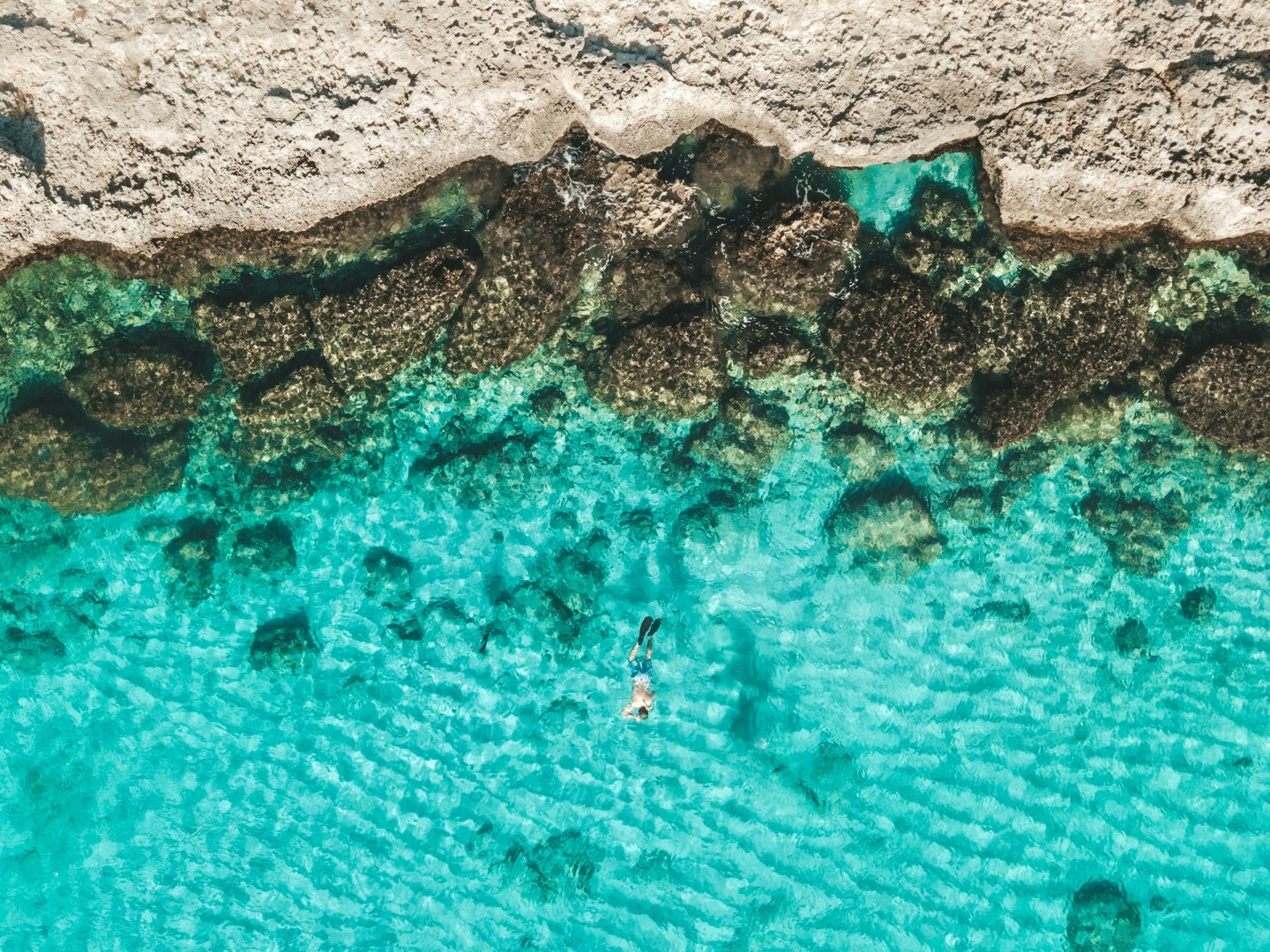
The Turks and Caicos Islands, a British Overseas Territory in the Atlantic, are celebrated for their luminous turquoise waters and powder-soft beaches. Grace Bay on Providenciales is the most famous stretch of sand, consistently ranked among the world’s best, where calm seas and vibrant reefs invite both relaxation and adventure.