Scotia Sea
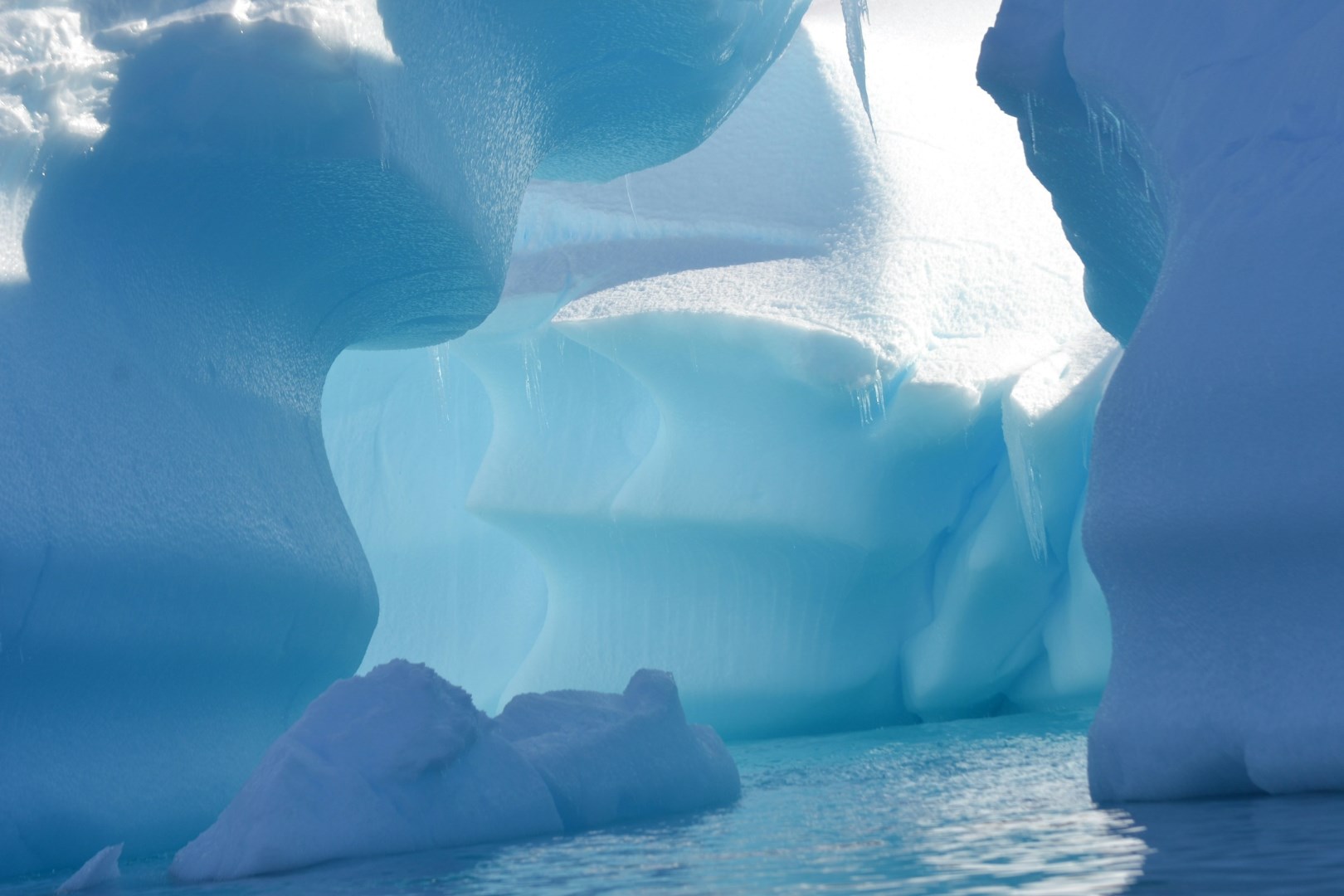
The Scotia Sea, nestled between the southern tip of South America and Antarctica, is a remote and captivating destination for those seeking adventure in the world’s southernmost waters.

Dominica
Dominica, known as the “Nature Island of the Caribbean,” is a haven for eco-tourists and adventure seekers. Nestled between the French islands of Guadeloupe and Martinique, this lush island boasts a remarkable landscape of volcanic mountains, dense rainforests, and stunning waterfalls. Dominica’s most iconic natural wonder is the Boiling Lake, the second-largest hot spring in the world.

Fayetteville
With a population of 125,000, the All-America City of Fayetteville ranks as the sixth largest municipality in North Carolina. In 1949, Fayetteville adopted the council/manager form of government. Under this form of government, citizens are both stockholders and customers, the elected body represents the board of directors, and the manager is the paid professional responsible for the daily operations of the corporation.
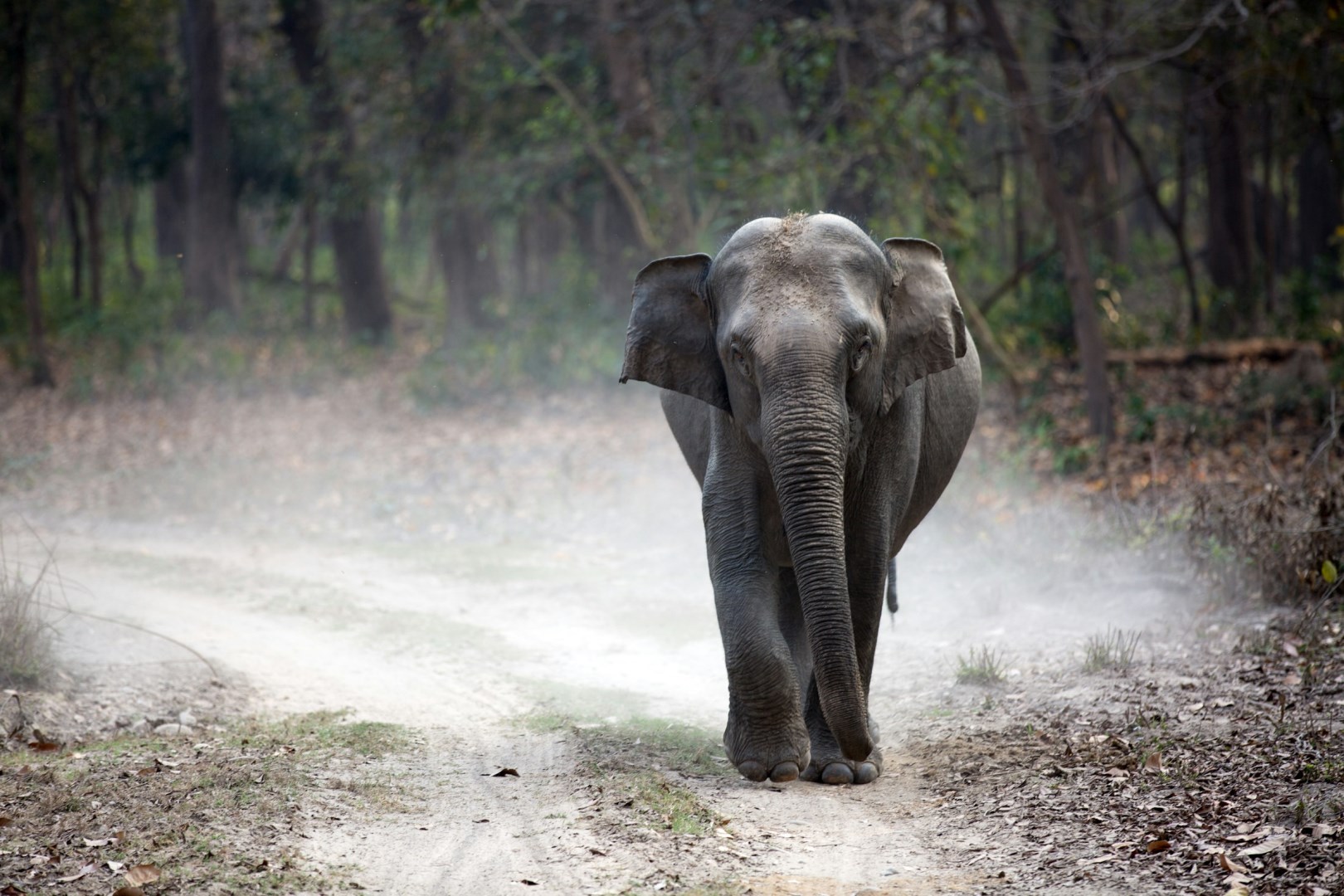
Jim Corbett National Park
Jim Corbett National Park lies in the Himalayan foothills of Uttarakhand and forms the core of the wider Corbett Tiger Reserve. It is recognized as India’s first national park and is closely associated with the conservation of the Bengal tiger. The landscape combines sal forests, riverine grasslands, wooded hills, and wetlands, creating habitats for a wide range of wildlife. The reserve covers more than 1,280 square kilometres, while the national park itself occupies a smaller core area. Ramnaga

St. Kitts and Nevis
St. Kitts and Nevis, a twin-island nation in the Leeward Islands of the Caribbean, offers a rare combination of lush landscapes, colonial history, and vibrant local culture.