Milan
Milan, Italy’s fashion capital, offers an exquisite blend of historical grandeur and contemporary chic. As you wander through this vibrant city, you’re greeted by architectural masterpieces like the Milan Cathedral, a stunning example of Gothic design and the largest church in Italy. Its intricate façade and the panoramic views from the rooftop provide a breathtaking experience.
Cameroon
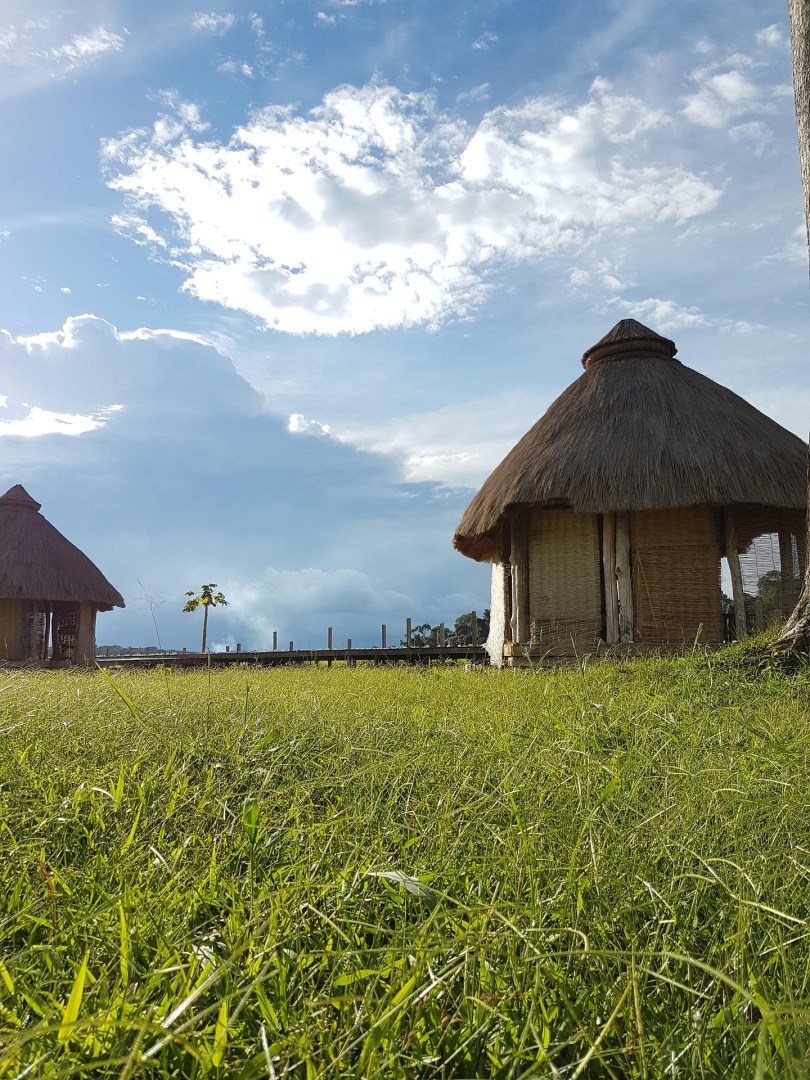
Cameroon is often called “Africa in miniature” for good reason. Within its borders, travelers can explore coastal beaches, dense rainforests, vast savannas, active volcanoes, and snow-capped peaks, all without crossing a border. The country’s most iconic landmark, Mount Cameroon, is the highest mountain in West Africa and an active volcano that draws hikers from around the world.
Madurai
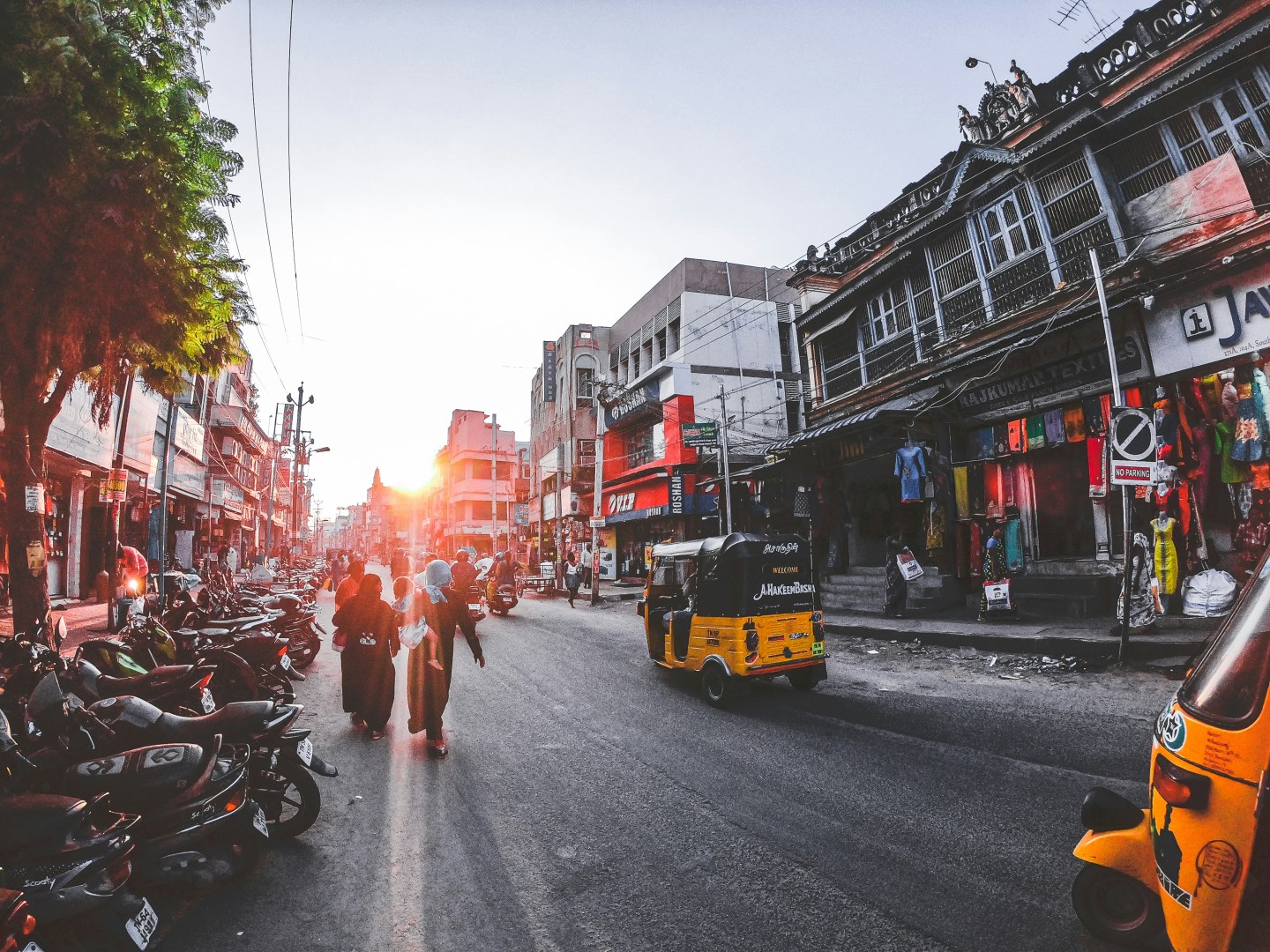
Madurai is a major city in the southern Indian state of Tamil Nadu, known for its long-standing role as a center of religion, trade, and learning. Set along the Vaigai River, it has grown into a busy urban area while retaining a strong connection to its temple-centered layout.
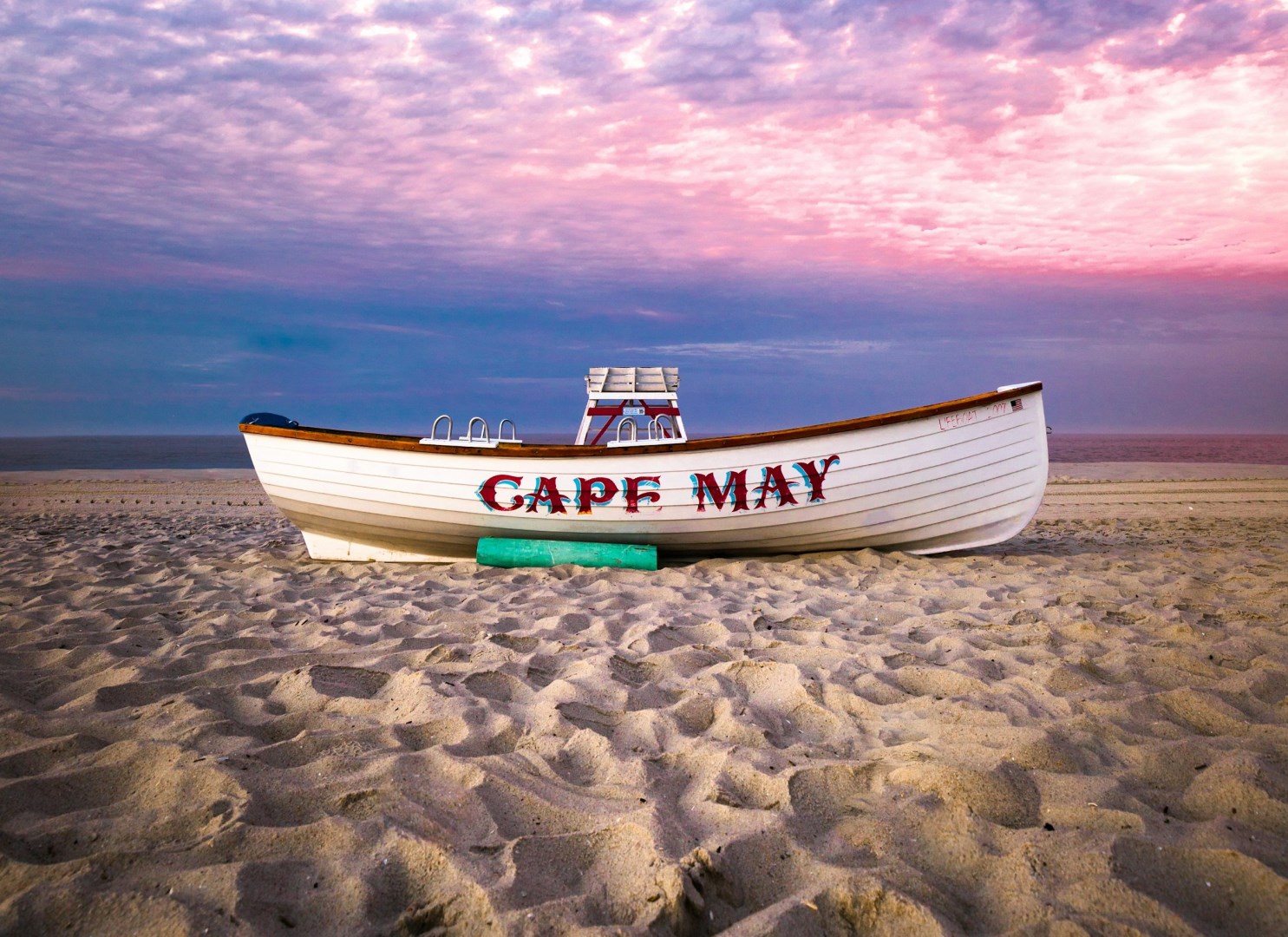
Cape May
Picturesque Cape May holds the distinction of being the oldest seashore resort in the United States and one of the most unique. Stretching 20 miles out to sea, this oasis of ambiance is a refuge from the hectic 20th century American lifestyle. It is a place to relax, to enjoy the Atlantic Ocean, the city's charming Mall, and most of all, to view the largest collection of authentic Victorian structures in the nation.
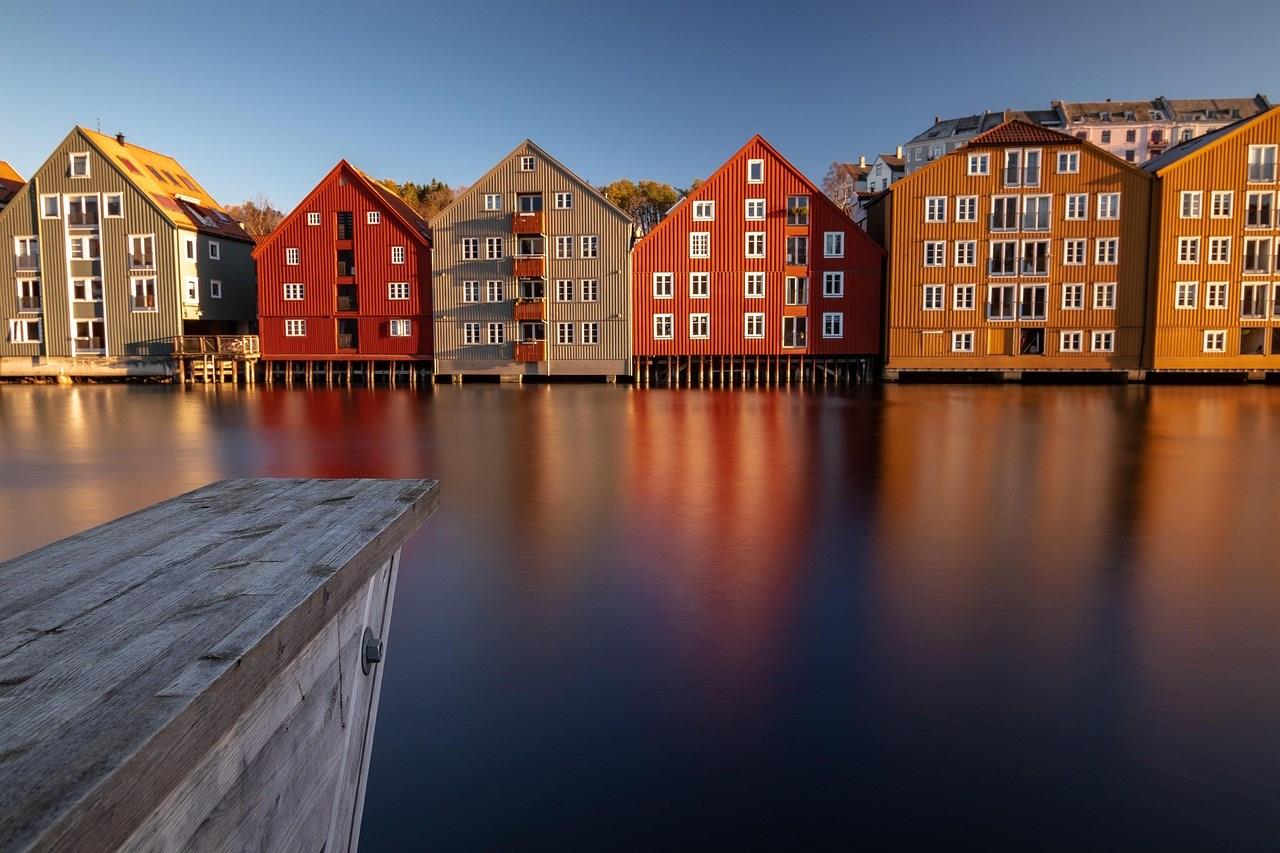
Sognefjord
Sognefjord stretches over 200 kilometers into Norway’s mountainous interior, making it the country’s longest and deepest fjord.