Dominica
Dominica, known as the “Nature Island of the Caribbean,” is a haven for eco-tourists and adventure seekers. Nestled between the French islands of Guadeloupe and Martinique, this lush island boasts a remarkable landscape of volcanic mountains, dense rainforests, and stunning waterfalls. Dominica’s most iconic natural wonder is the Boiling Lake, the second-largest hot spring in the world.
Batumi
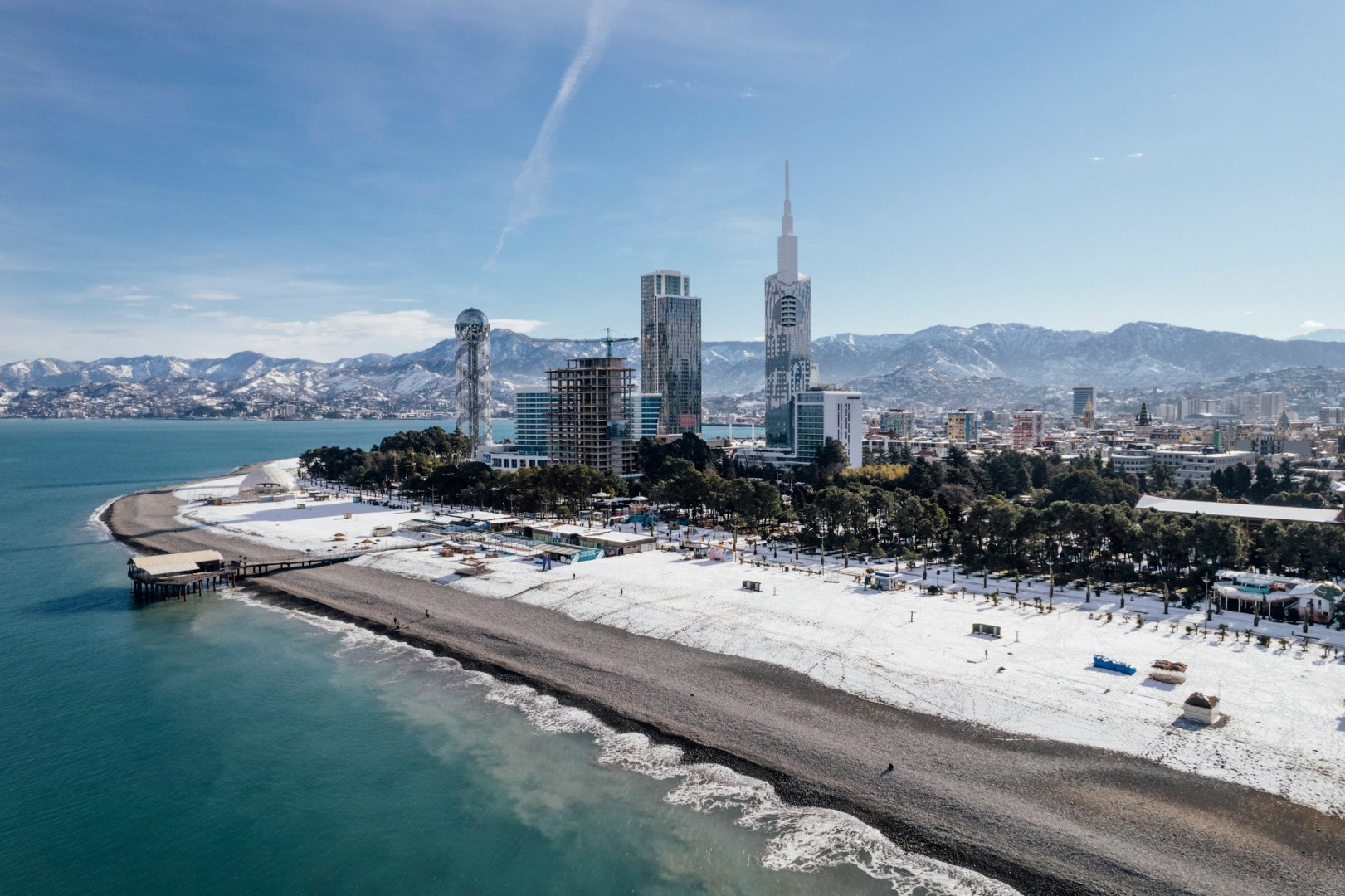
Batumi is the capital of Georgia's Adjara region, located on the Black Sea coast in the country's southwest. The city combines a seaside setting with subtropical vegetation and the mountains of Adjara rising inland. Its urban landscape includes historic streets, European-style squares, modern towers, and a long coastal boulevard.
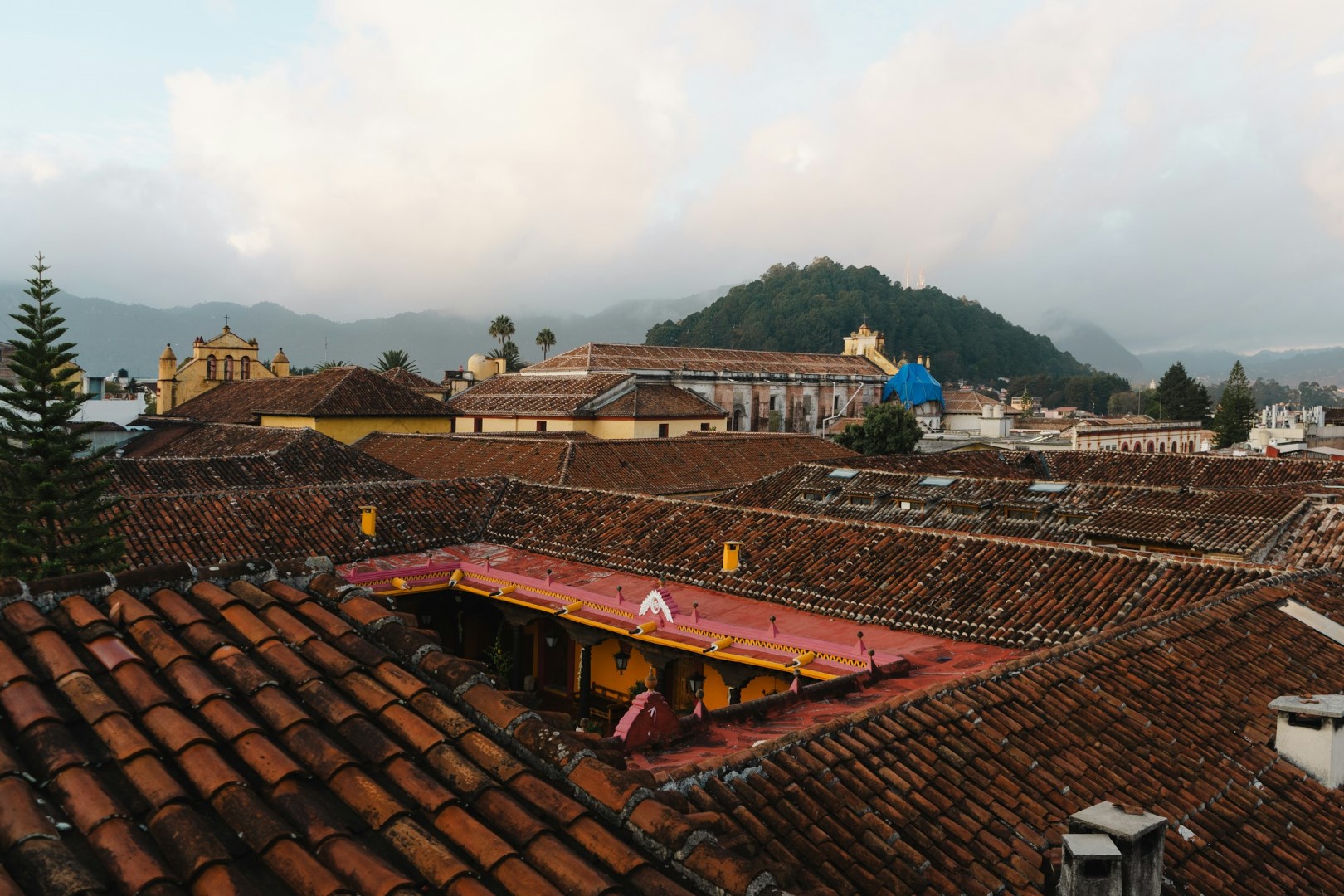
San Cristobal
With its blend of colonial elegance, vibrant indigenous traditions, and stunning natural landscapes, San Cristóbal de las Casas offers a truly immersive travel experience.
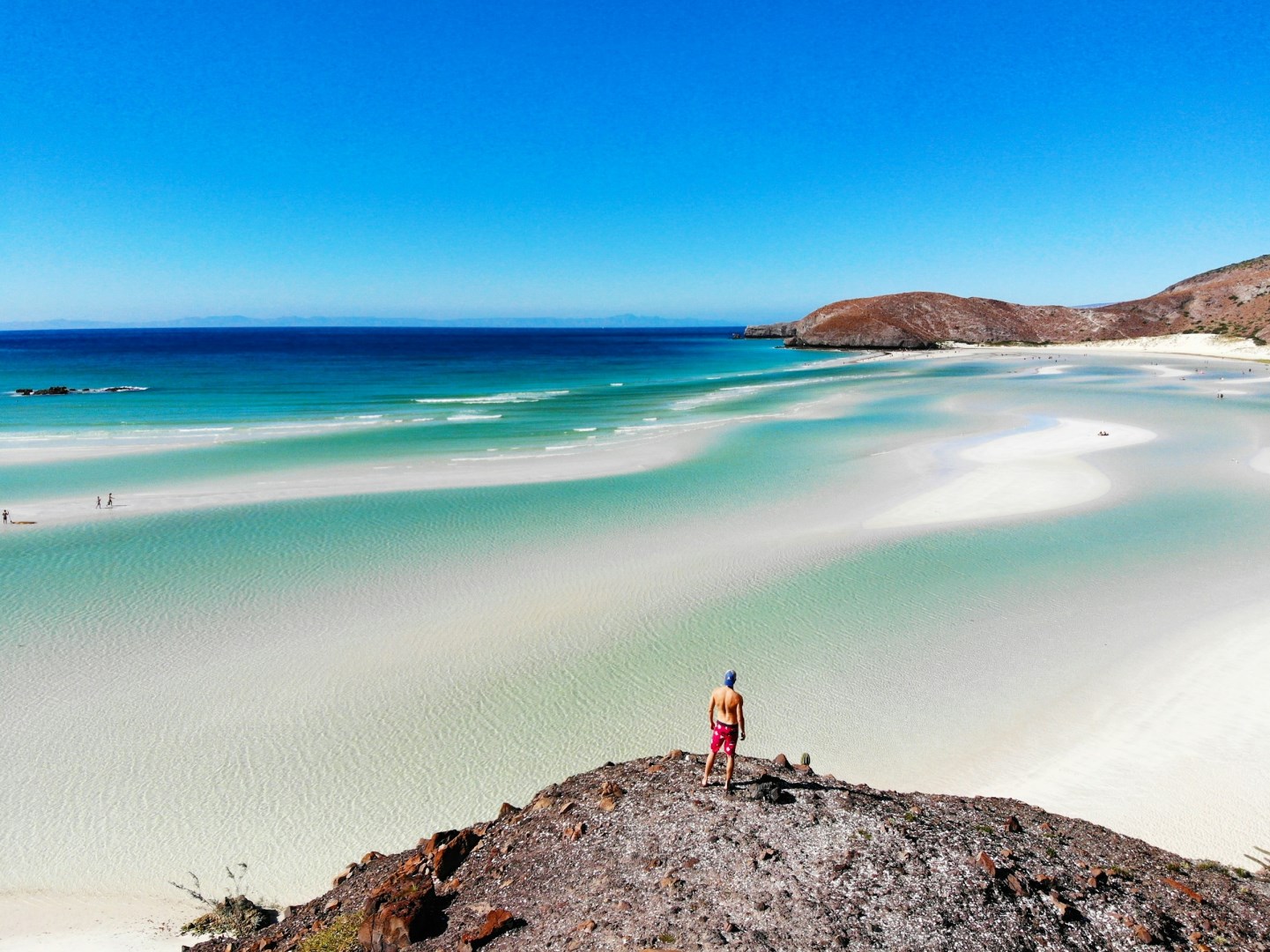
La Paz
Located on the Baja Peninsula of Mexico, below California. La Paz is famous for its fishing.

Pisek
Písek, a picturesque city in the South Bohemian Region of the Czech Republic, is a hidden gem steeped in history and charm. One of its most notable landmarks is the Písek Stone Bridge, the oldest preserved bridge in the country. Built in the 13th century, this Gothic bridge spans the Otava River and is a testament to medieval engineering.