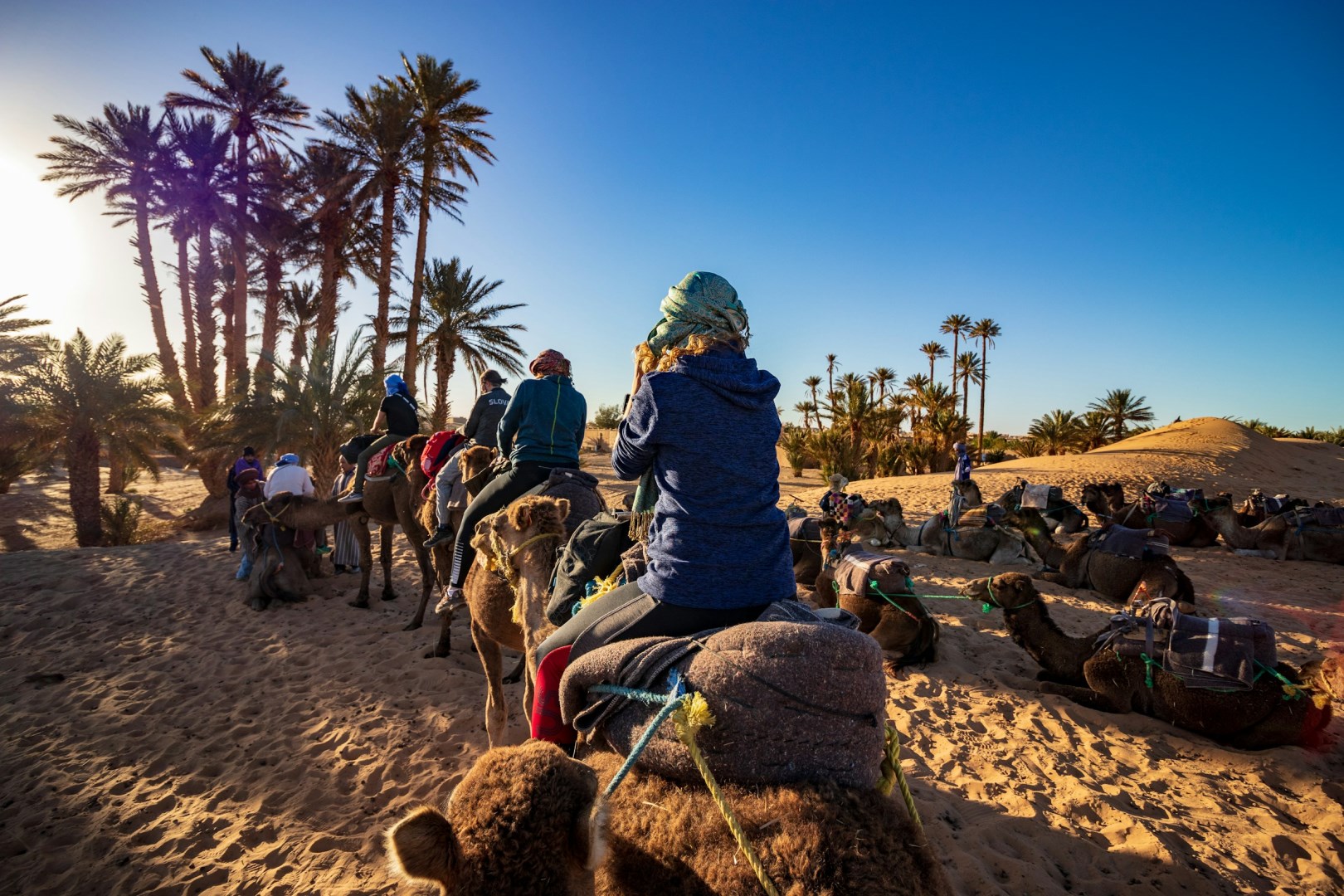
Beijing
Beijing, the capital of China, is a city where history and modern life intersect on a grand scale. Ancient landmarks like the Forbidden City, Tiananmen Square, and the Temple of Heaven reflect centuries of imperial heritage, while the Great Wall lies just outside the city, offering views of one of the most famous engineering feats in the world.

Playa Del Carmen
Playa del Carmen, located along Mexico’s Riviera Maya, offers more than just soft beaches and turquoise waters. Once a quiet fishing village, the town has grown into a lively hub where Mayan history meets a modern beachside lifestyle. Visitors walking along Quinta Avenida will find artisan shops, street performers, and cafes offering everything from espresso to tacos al pastor. This area becomes especially active in the evenings when live music spills out from local venues.
Sandy Bay
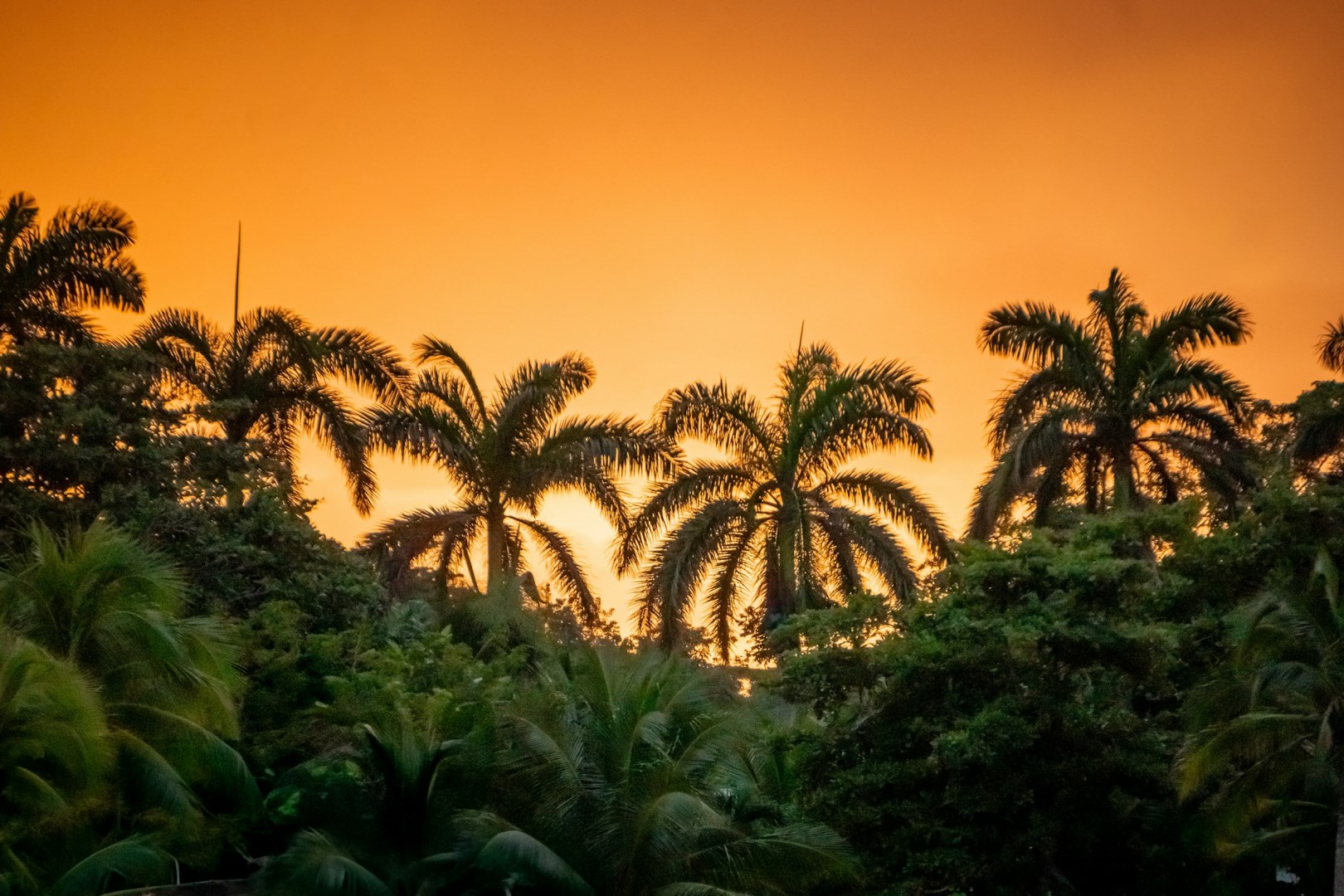
Sandy Bay is a small coastal community in Hanover Parish on Jamaica’s northwestern coast, situated between Lucea and Hopewell along the Caribbean Sea. The area is characterized by a narrow coastal plain, low hills, sandy shoreline, and tropical vegetation, with the surrounding countryside containing farms and small settlements.

Chobe National Park
Chobe National Park, located in the far northeastern corner of Botswana, is a haven for wildlife enthusiasts and one of Africa's premier safari destinations. Known for its immense elephant population—estimated at over 120,000—the park offers an unparalleled opportunity to witness these majestic creatures in their natural habitat
Gogasheni
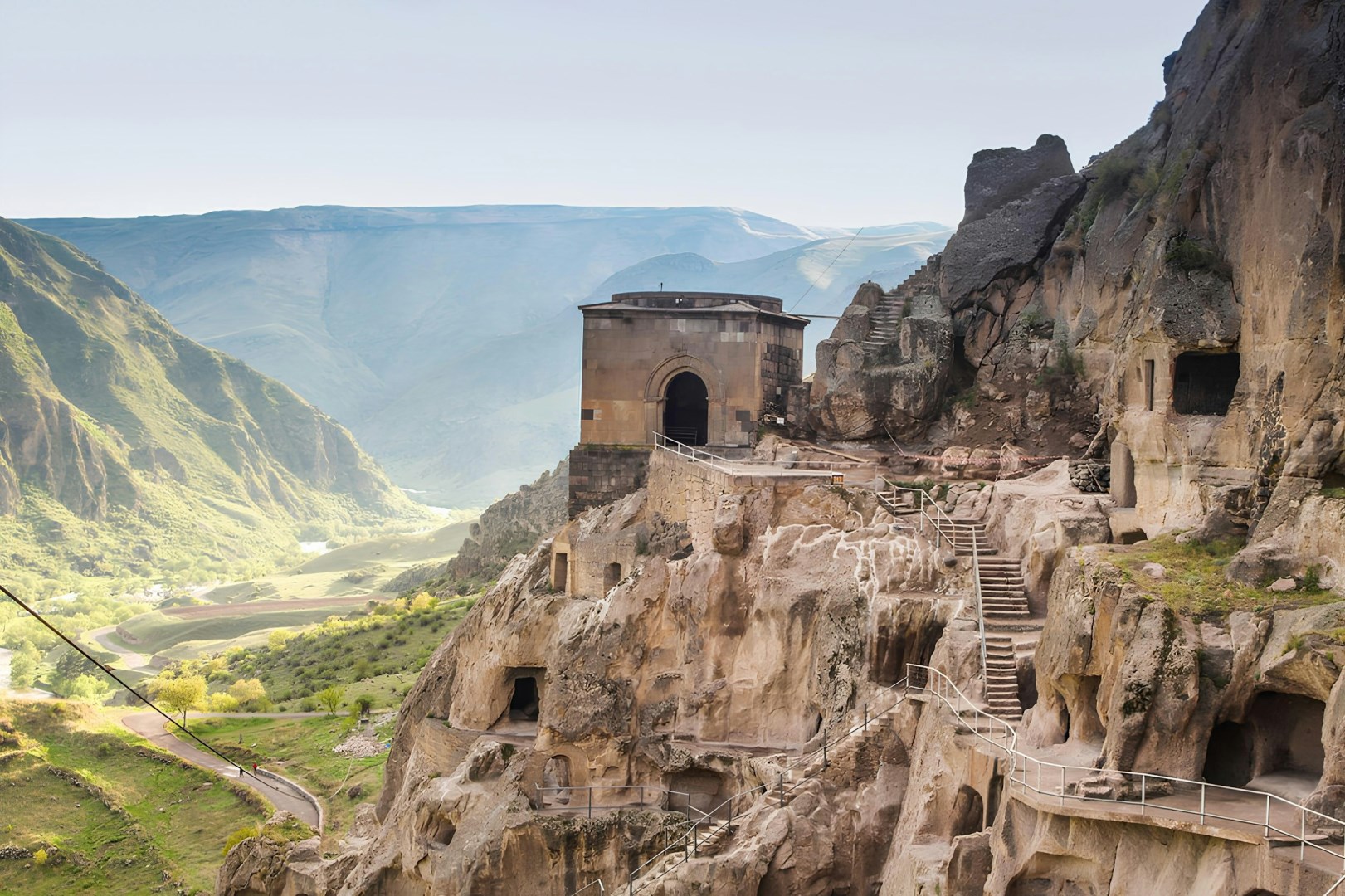
Gogasheni is a small mountain village in Georgia’s Samtskhe-Javakheti region, situated in the rugged landscape of the Javakheti highlands. The settlement lies near the shores of Lake Paravani, Georgia’s largest lake, and is surrounded by broad upland fields, volcanic hills, and open grassland.