Soufriere
Soufriere sits on the southwest coast of St. Lucia, framed by steep hills and the twin Pitons that rise sharply from the sea. Once the island’s original capital, the town carries deep historical roots tied to colonial rivalries and the development of plantation culture.

Fayetteville
With a population of 125,000, the All-America City of Fayetteville ranks as the sixth largest municipality in North Carolina. In 1949, Fayetteville adopted the council/manager form of government. Under this form of government, citizens are both stockholders and customers, the elected body represents the board of directors, and the manager is the paid professional responsible for the daily operations of the corporation.
Corinna Tasmania
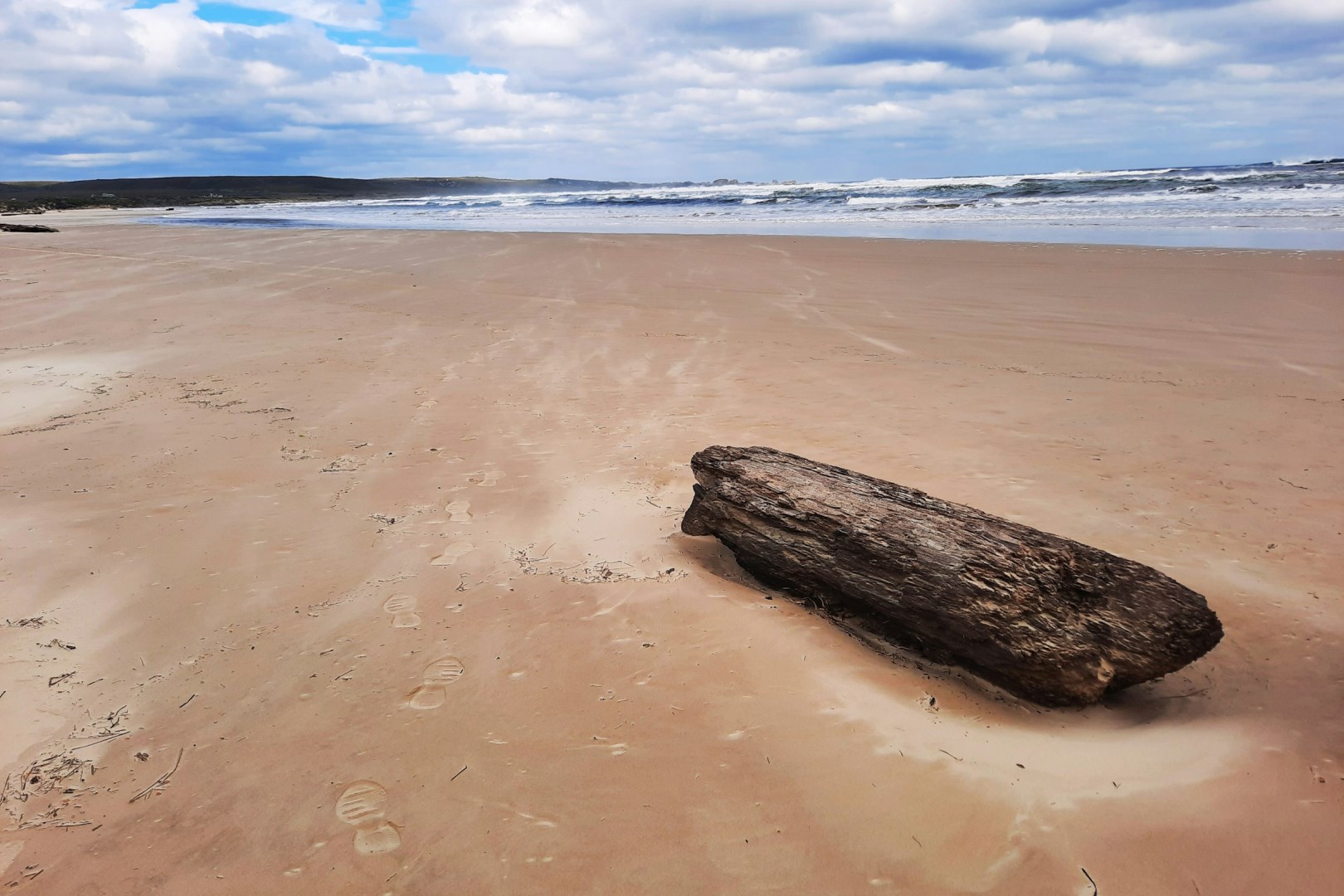
Corinna is a small, remote settlement on Tasmania’s west coast, set beside the dark waters of the Pieman River at the southern edge of takayna / Tarkine. Once a gold-mining settlement, it is now centred on a wilderness village surrounded by cool-temperate rainforest, rivers, and rugged country. Corinna has no mobile phone coverage and very limited supplies, giving it a distinctly secluded character.
León
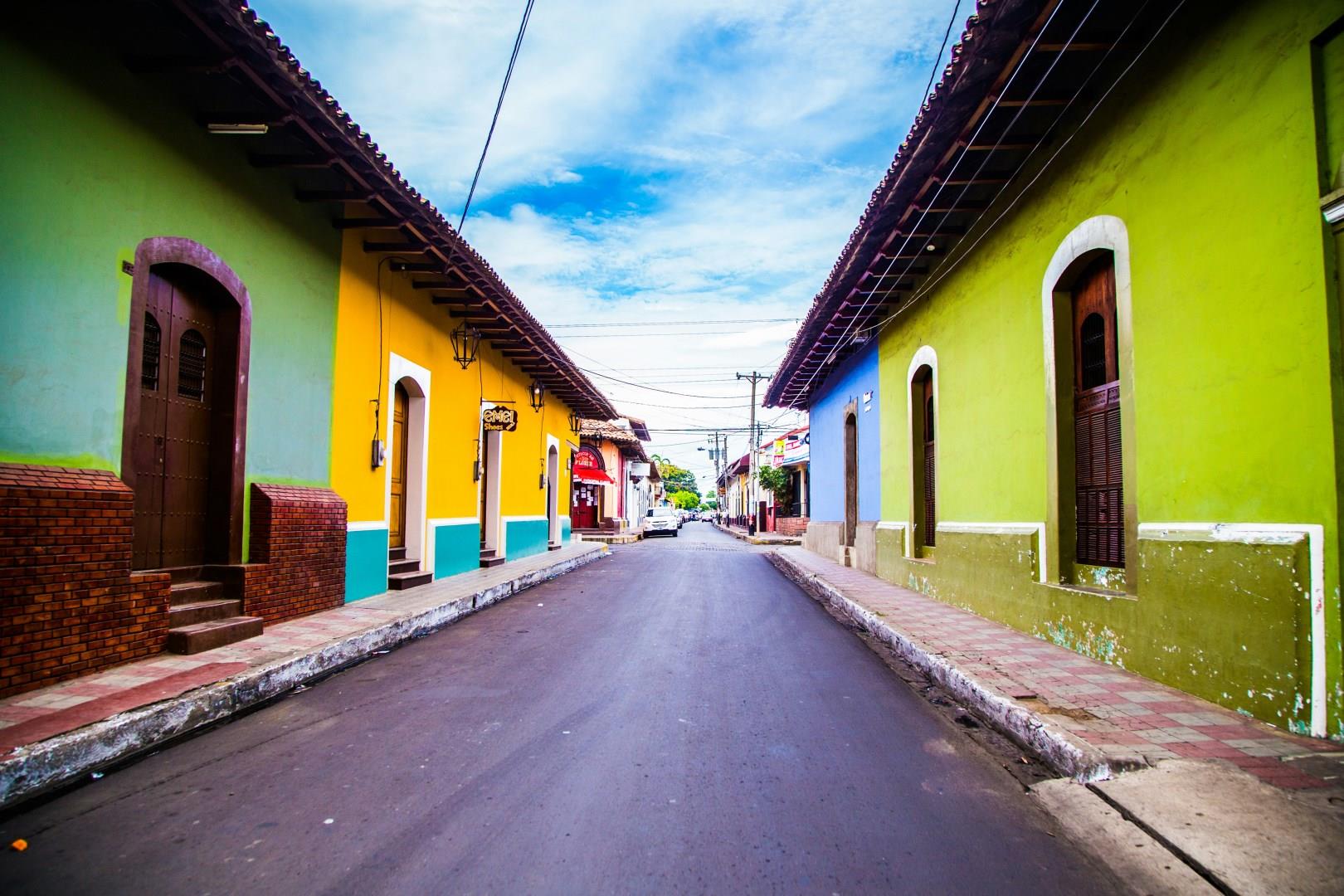
León, Nicaragua serves as the country’s capital for more than two centuries and still feels like the intellectual and political heart of Nicaragua. The city is known for its revolutionary past, visible in murals that stretch across building walls, telling stories of resistance, poets, and everyday citizens. The Cathedral of León, the largest in Central America and a UNESCO World Heritage Site, dominates the central square.

Oaxaca
Oaxaca, nestled in the heart of southern Mexico, is a city where ancient traditions and vibrant culture thrive. Renowned for its rich history and indigenous heritage, Oaxaca offers a unique blend of pre-Columbian, colonial, and modern influences. The city's historic center, a UNESCO World Heritage site, is a testament to its past, featuring stunning colonial architecture such as the Santo Domingo de Guzmán Church, a masterpiece of Baroque art.