Oaxaca
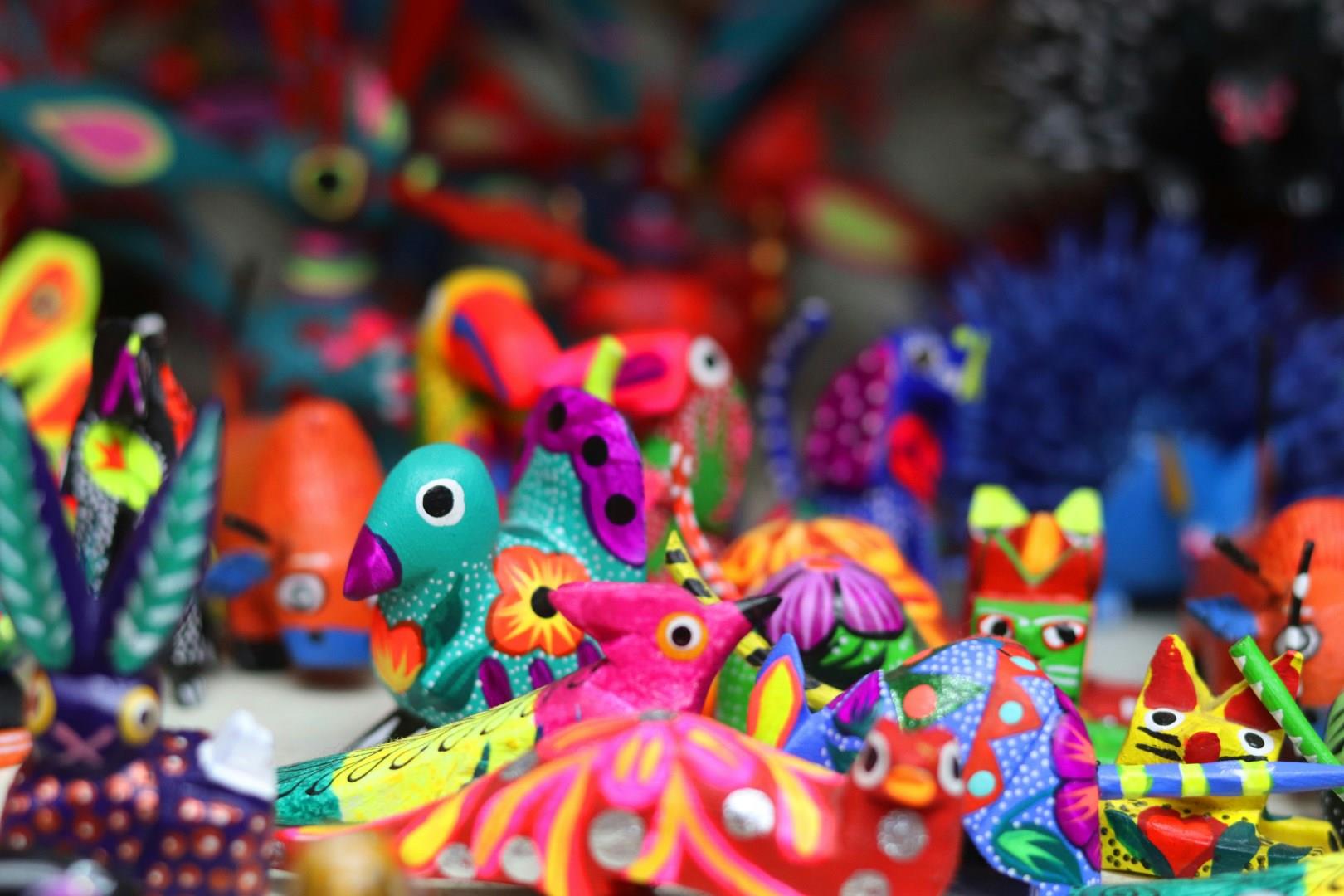
Oaxaca, nestled in the heart of southern Mexico, is a city where ancient traditions and vibrant culture thrive. Renowned for its rich history and indigenous heritage, Oaxaca offers a unique blend of pre-Columbian, colonial, and modern influences. The city's historic center, a UNESCO World Heritage site, is a testament to its past, featuring stunning colonial architecture such as the Santo Domingo de Guzmán Church, a masterpiece of Baroque art.

Las Vegas
Las Vegas, Nevada, is an electrifying city where glitz and glamour meet entertainment and excitement. Known as "The Entertainment Capital of the World," Las Vegas offers an unparalleled array of attractions, from its iconic casinos and luxurious hotels to its world-class dining and live shows. The city's entertainment scene is second to none, featuring legendary headliners, cutting-edge performances, and an array of themed attractions.
Përmet
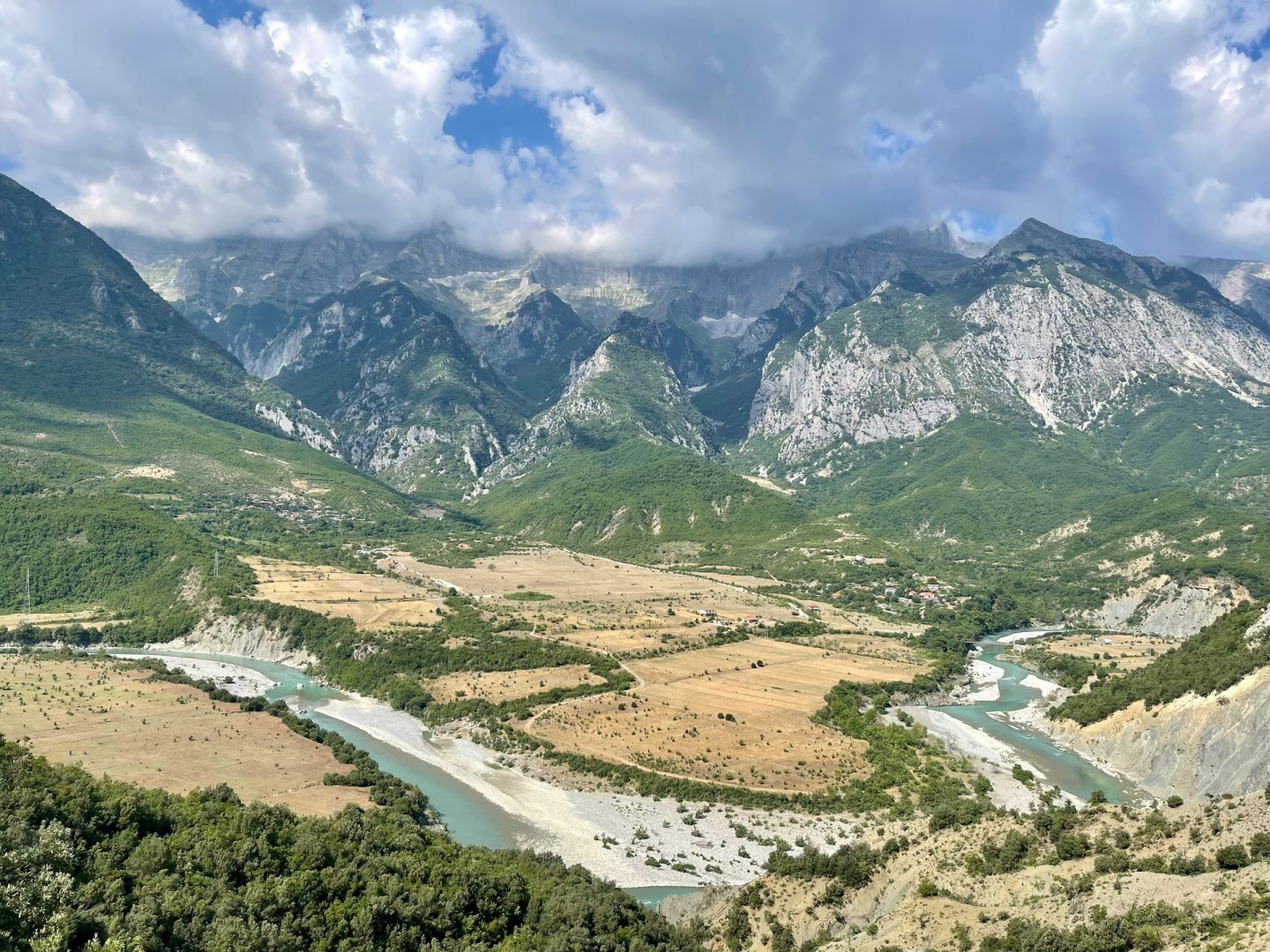
Përmet is a small town in southeastern Albania, situated in the Vjosa River valley between the Dangëlli and Trebeshinë mountain ranges. Often known as the “City of Roses,” it is surrounded by forested hills, river landscapes, and agricultural land. The town's position near the Vjosa and its tributaries gives the area a strong connection to water and mountain environments. Përmet is also a base for exploring nearby thermal springs, canyons, protected forests, and rural villages.
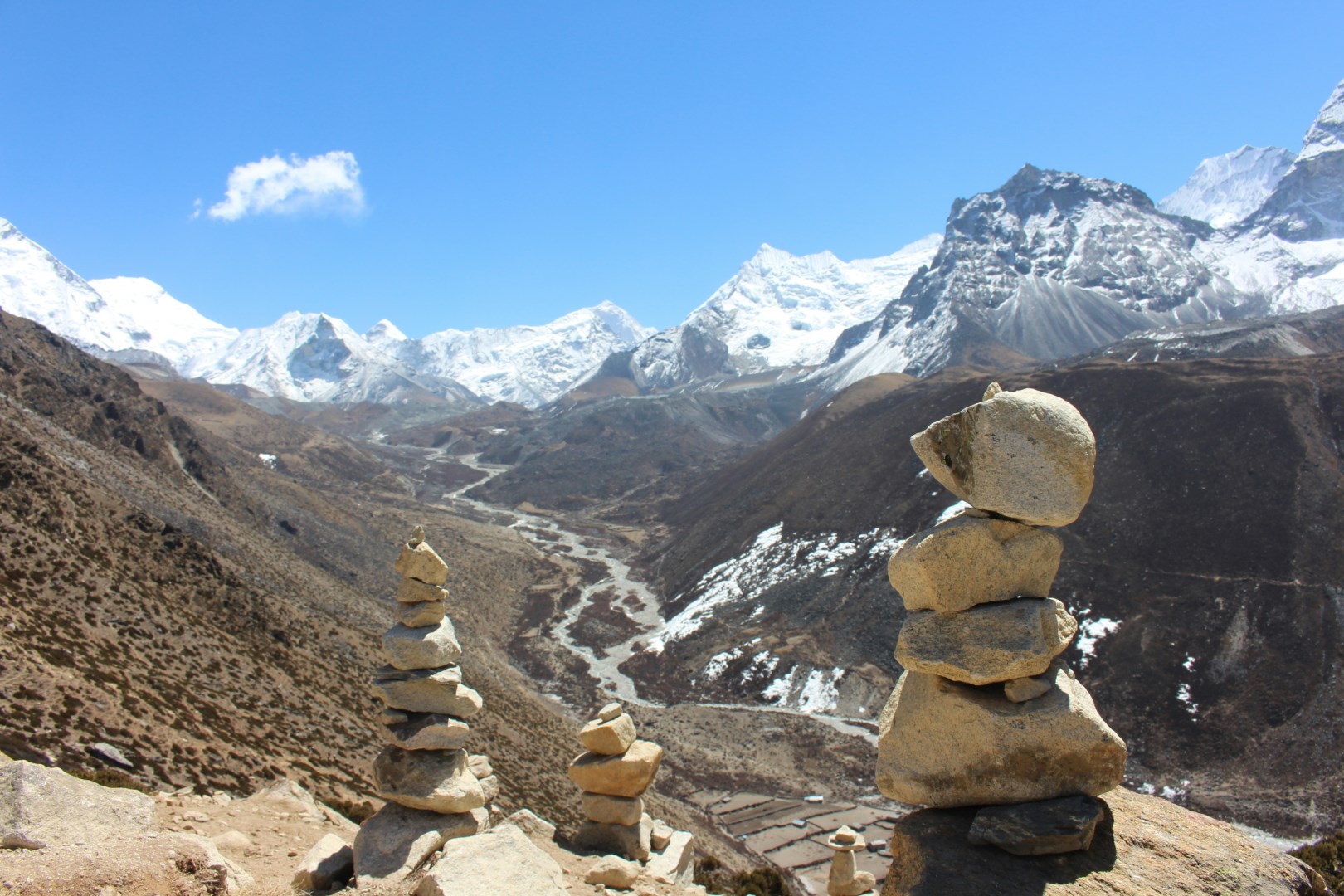
Dingboche
Set in a wide valley beneath towering Himalayan peaks, Dingboche offers a striking pause along the route toward Mount Everest. Unlike the narrower trails below, Dingboche opens into a broad landscape framed by snow-covered giants such as Ama Dablam and Lhotse. The village sits high above the tree line, where the air feels thin and clear, and the surrounding terrain shifts from forested slopes to open alpine ground.
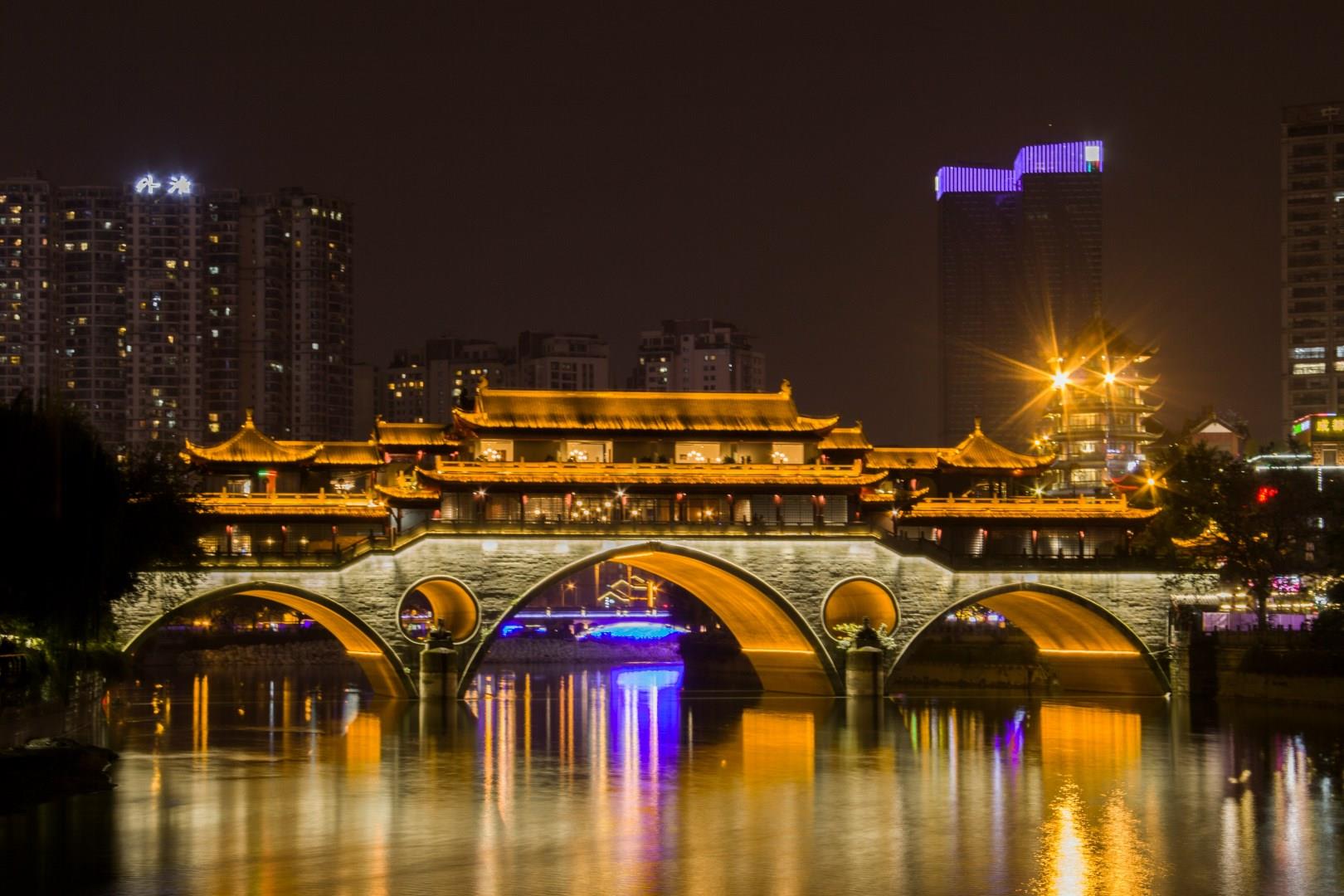
Chengdu
Chengdu, the capital of China's Sichuan Province, blends modern urban life with centuries of history. It is famous as the home of the giant panda, but its cultural significance extends far beyond wildlife.