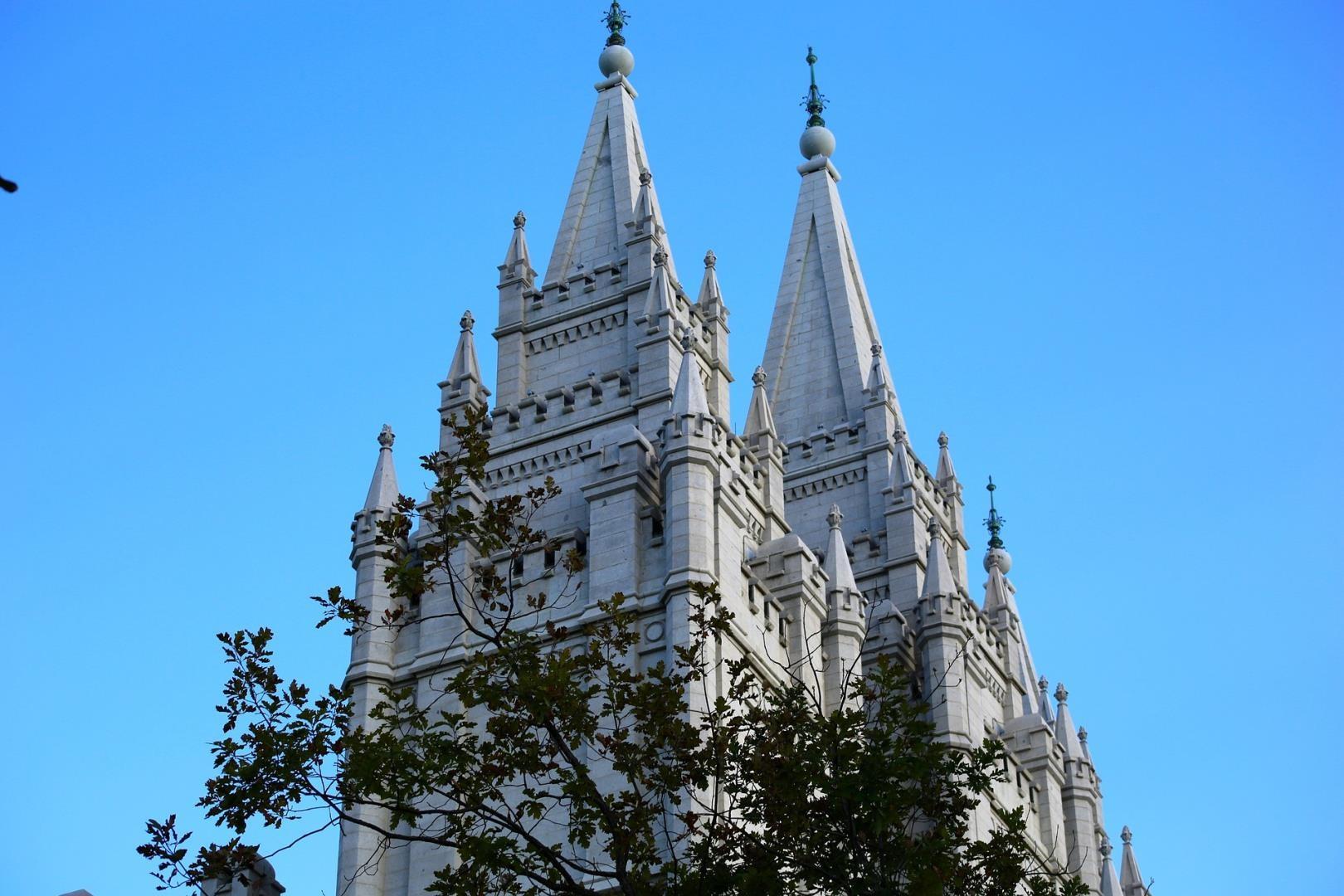
Mount Nebo
Mount Nebo rises in western Jordan, overlooking the Jordan River Valley, the Dead Sea, and, on clear days, Jerusalem and Jericho.
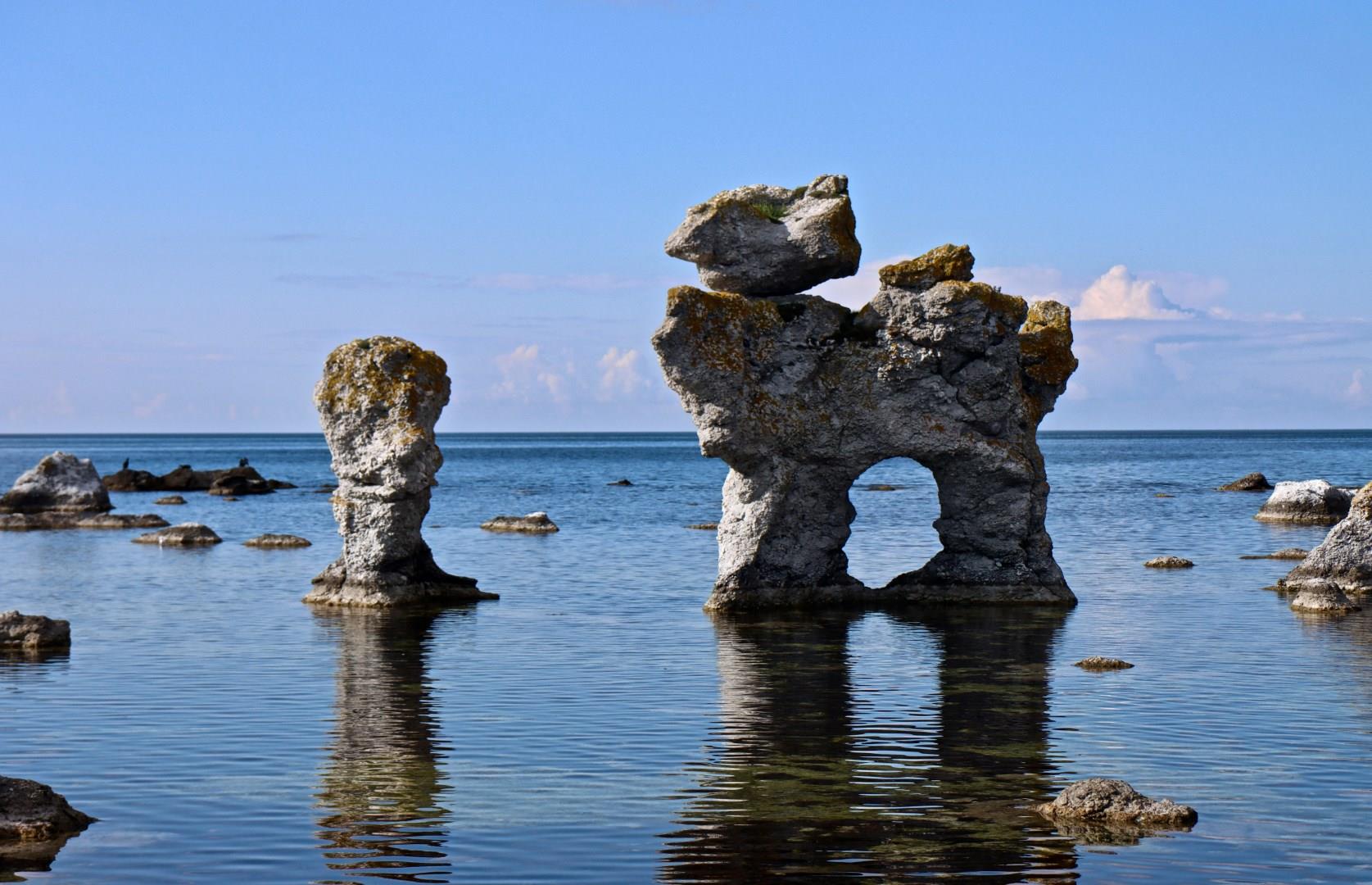
Gotland
Gotland, Sweden’s largest island, sits in the Baltic Sea and feels like a world of its own. Its main town, Visby, is a UNESCO World Heritage site and one of the best-preserved medieval towns in Northern Europe. Surrounded by a 3.5-kilometer stone wall with original towers still intact, Visby once served as a key Hanseatic trading hub. Visitors can walk along cobbled streets lined with rose-covered cottages, explore Gothic church ruins, and climb up the city wall for views over the harbor.

Anguilla
Anguilla, a serene island in the eastern Caribbean, offers a slice of paradise with its pristine beaches and crystal-clear waters. Known for its luxurious resorts and laid-back atmosphere, Anguilla invites visitors to unwind on its 33 stunning beaches, such as Shoal Bay East and Rendezvous Bay, which are consistently ranked among the best in the world.
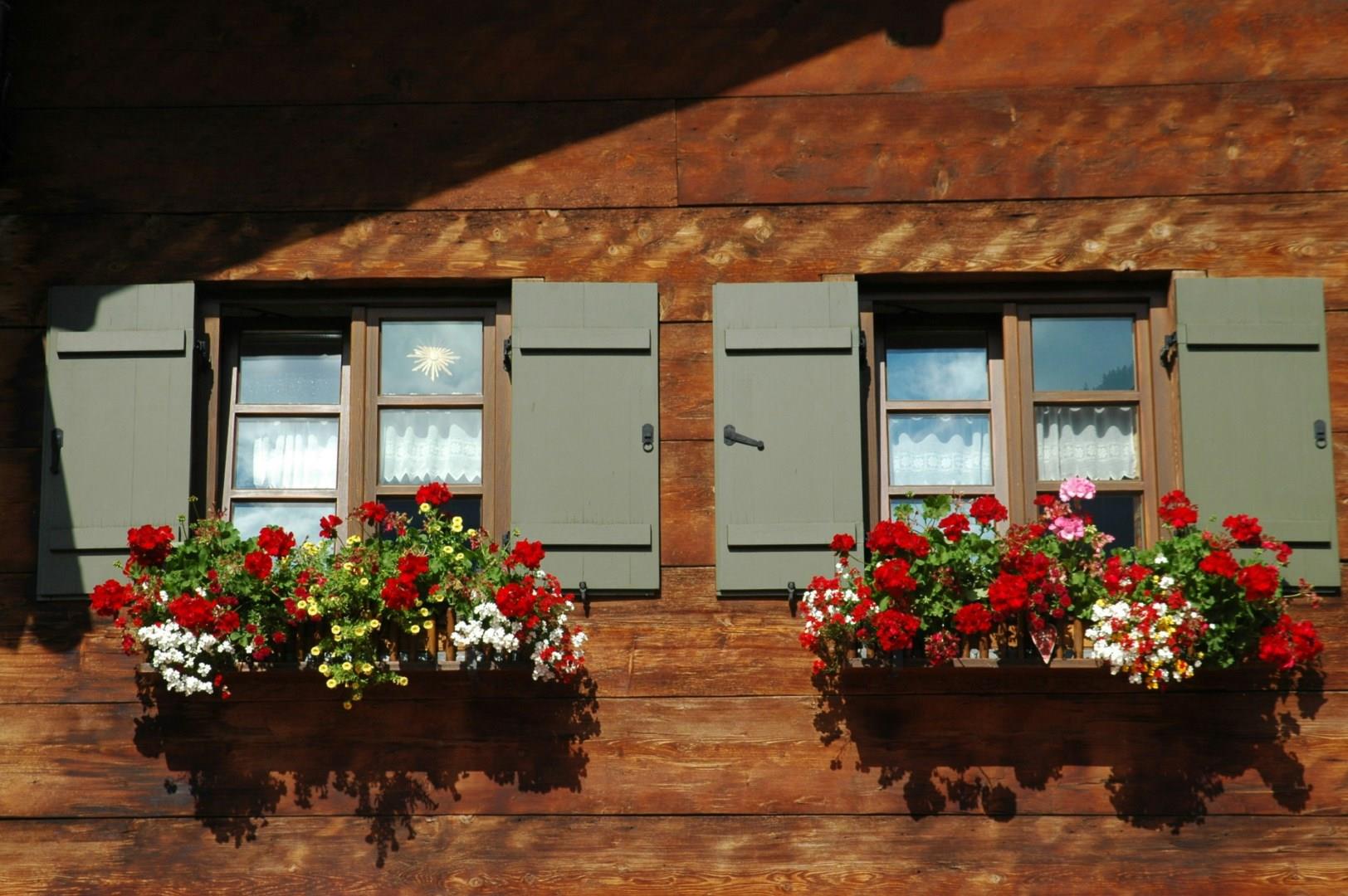
Oberammergau
Nestled in the Bavarian Alps, Oberammergau is a charming village in Germany that exudes a timeless allure. Renowned for its stunning alpine scenery, traditional Bavarian architecture, and vibrant cultural heritage, this small town offers an unforgettable experience for visitors. Oberammergau is perhaps best known for its world-famous Passion Play, a tradition that dates back to 1634.

Rousse
Rousse, Bulgaria, often referred to as "Little Vienna," sits gracefully on the banks of the Danube River. Known for its rich history, stunning architecture, and vibrant culture, Rousse offers a glimpse into Bulgaria's past while embracing the future. The city's central square, Svoboda (Freedom) Square, is a great starting point for exploring.