Breckenridge
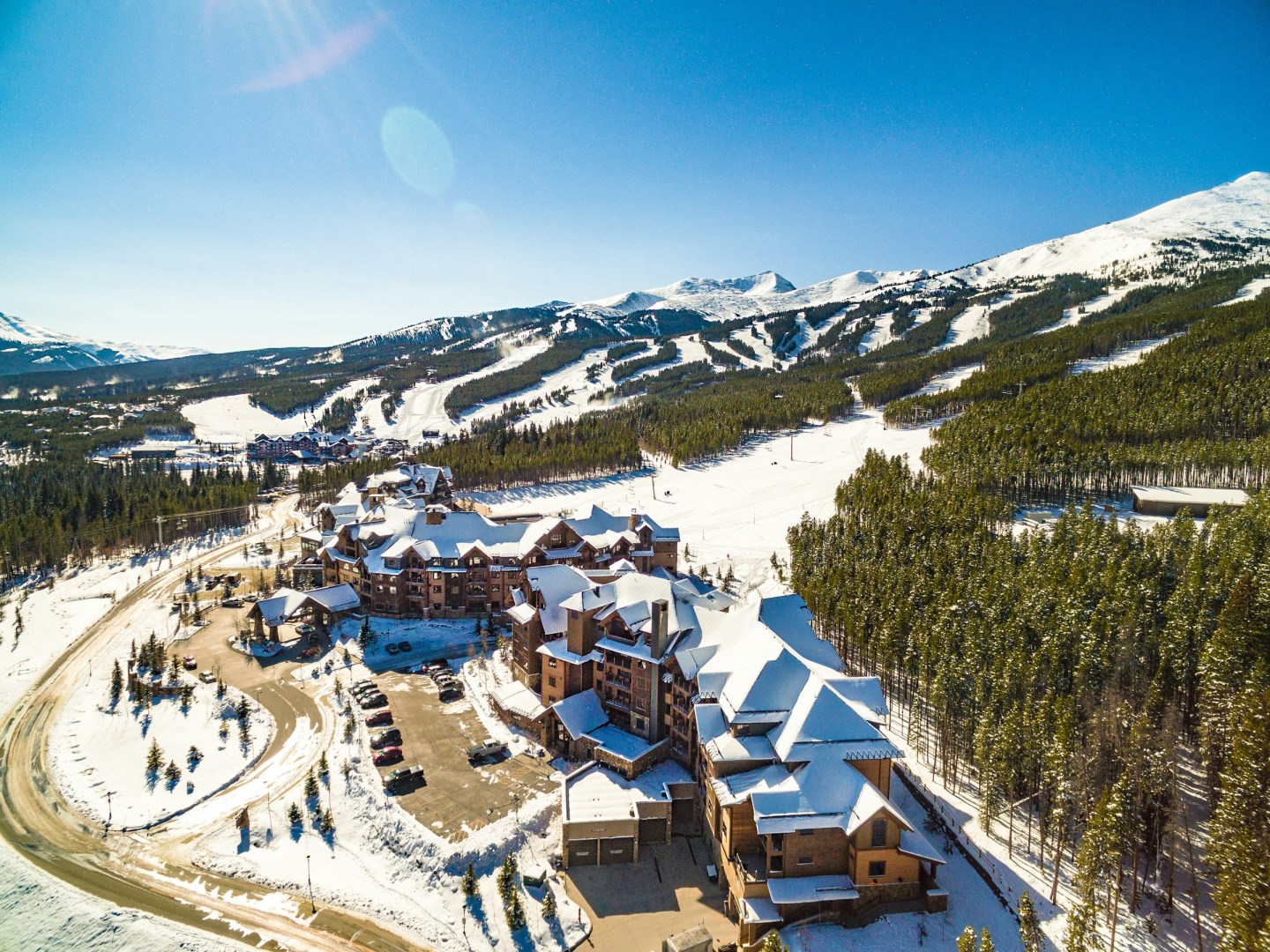
Enjoy Charming Breckridge, Colorado where Summer activities include: Alpine Slide, Rafting, Horseback Riding, Hiking, Fishing; while Winter activities include: Great Downhill Skiing, Snowmobiling, Cross Country Skiing, Heli-Skiing, Ice Skating and more.
Lucca
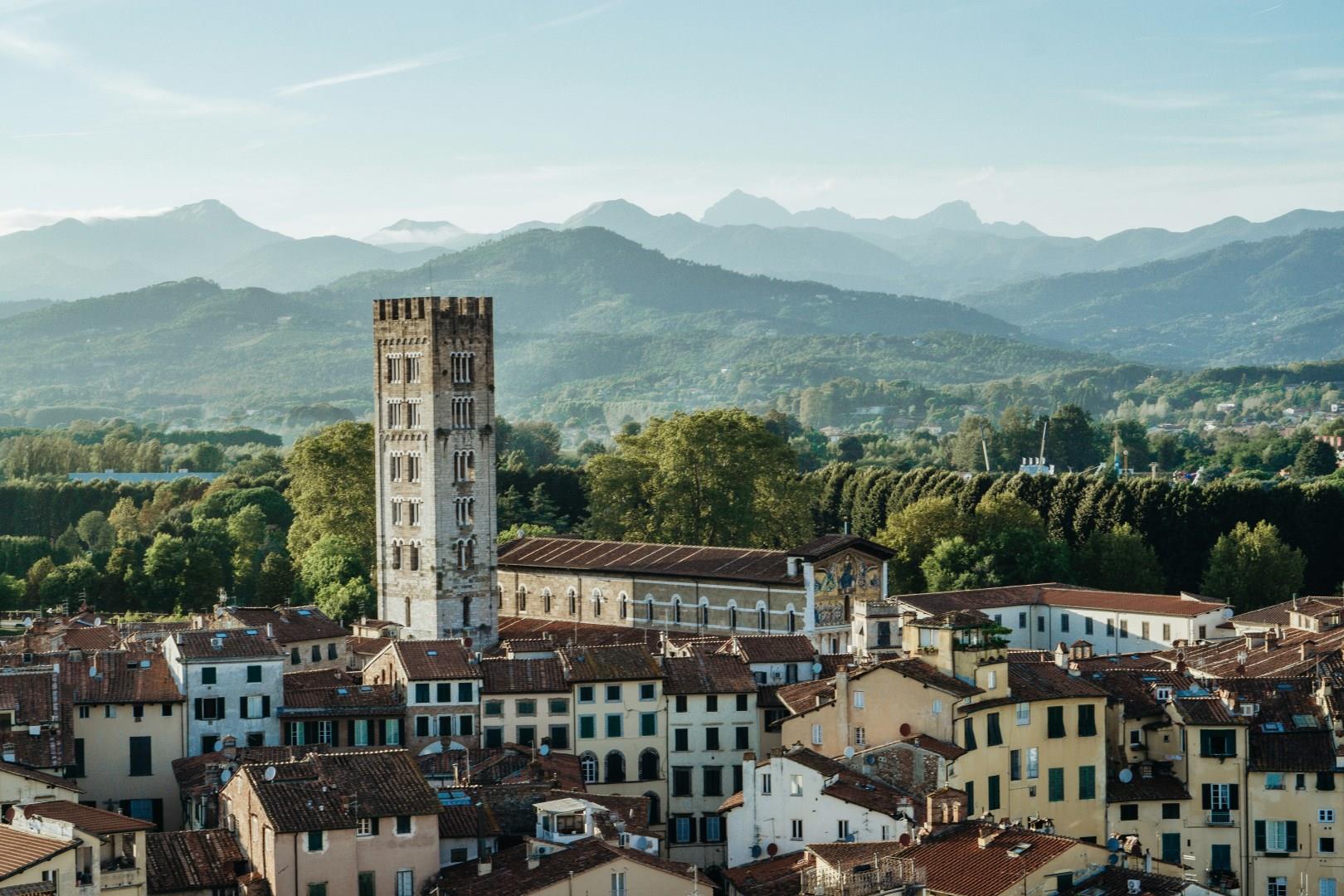
Lucca, a Tuscan city surrounded by remarkably intact Renaissance walls, offers more than just postcard views. Known for its quiet streets and grand piazzas, Lucca stands apart with its circular street layout, still following the lines of a Roman amphitheater from centuries ago. The walls, now repurposed as a 4-kilometer tree-lined park, are a favorite route for locals and visitors who explore them on foot or by bike, passing old bastions and panoramic viewpoints along the way.
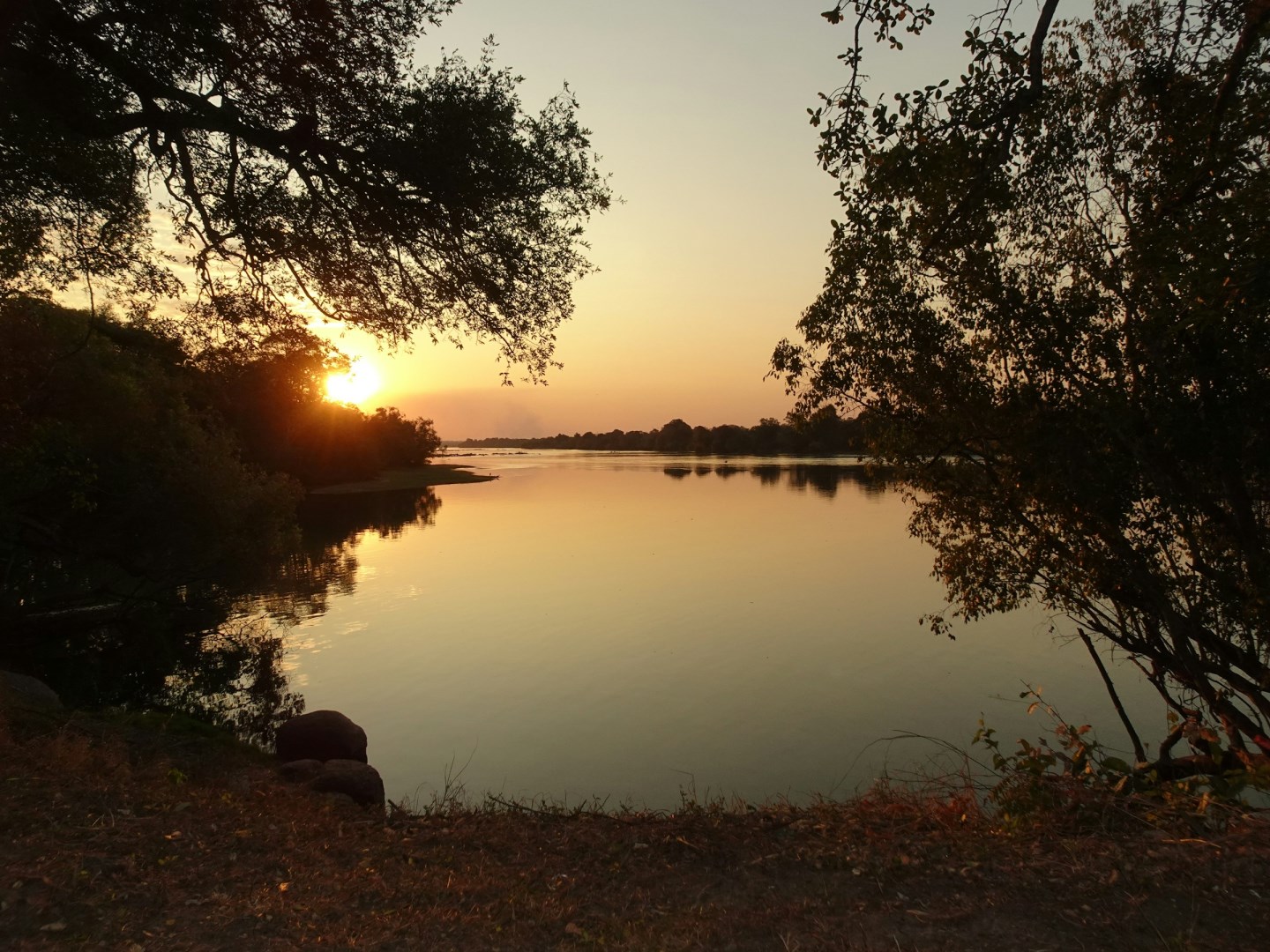
Kafue National Park
Kafue National Park is in western and central Zambia and is the country’s largest national park, covering about 22,400 square kilometers. The park takes its name from the Kafue River, which runs through the protected area and supports a wide range of wetlands, floodplains, grasslands, and woodland. Much of the park is covered by miombo woodland, while the northern Busanga Plains form extensive seasonal wetlands that become open grassland as floodwaters recede.
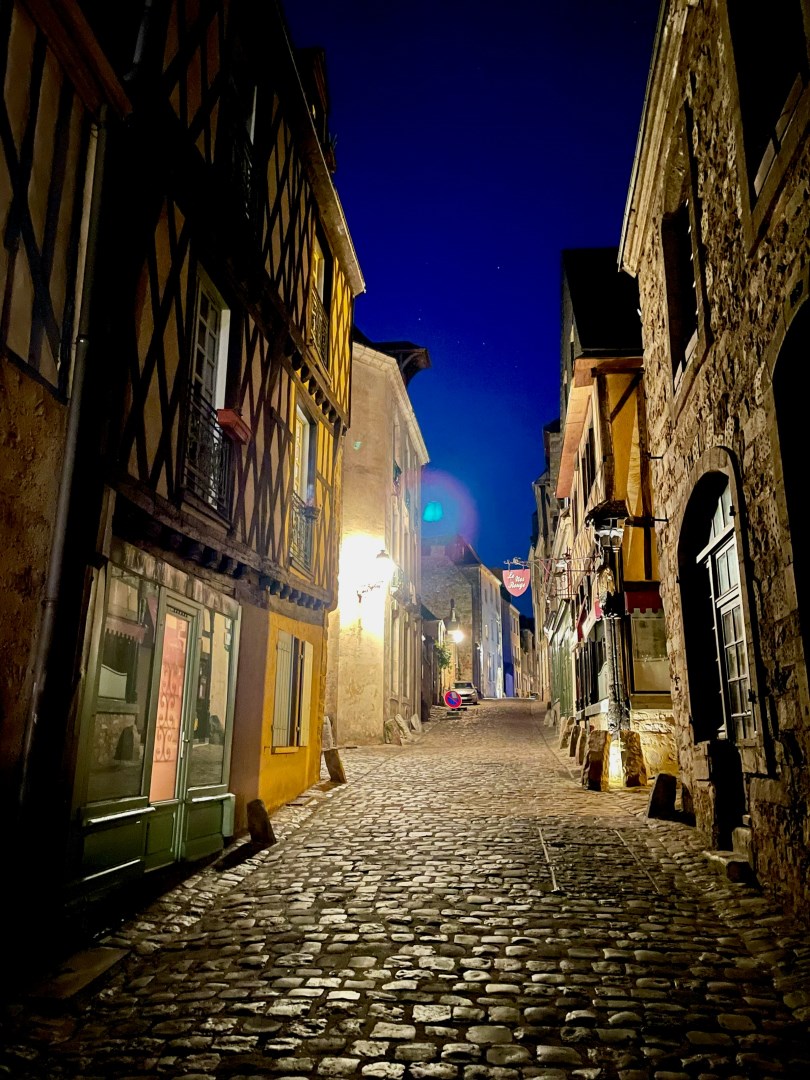
Le Mans
Located west of Paris, it is famous for its race track and the annual 24 hour Grand Pris auto race.
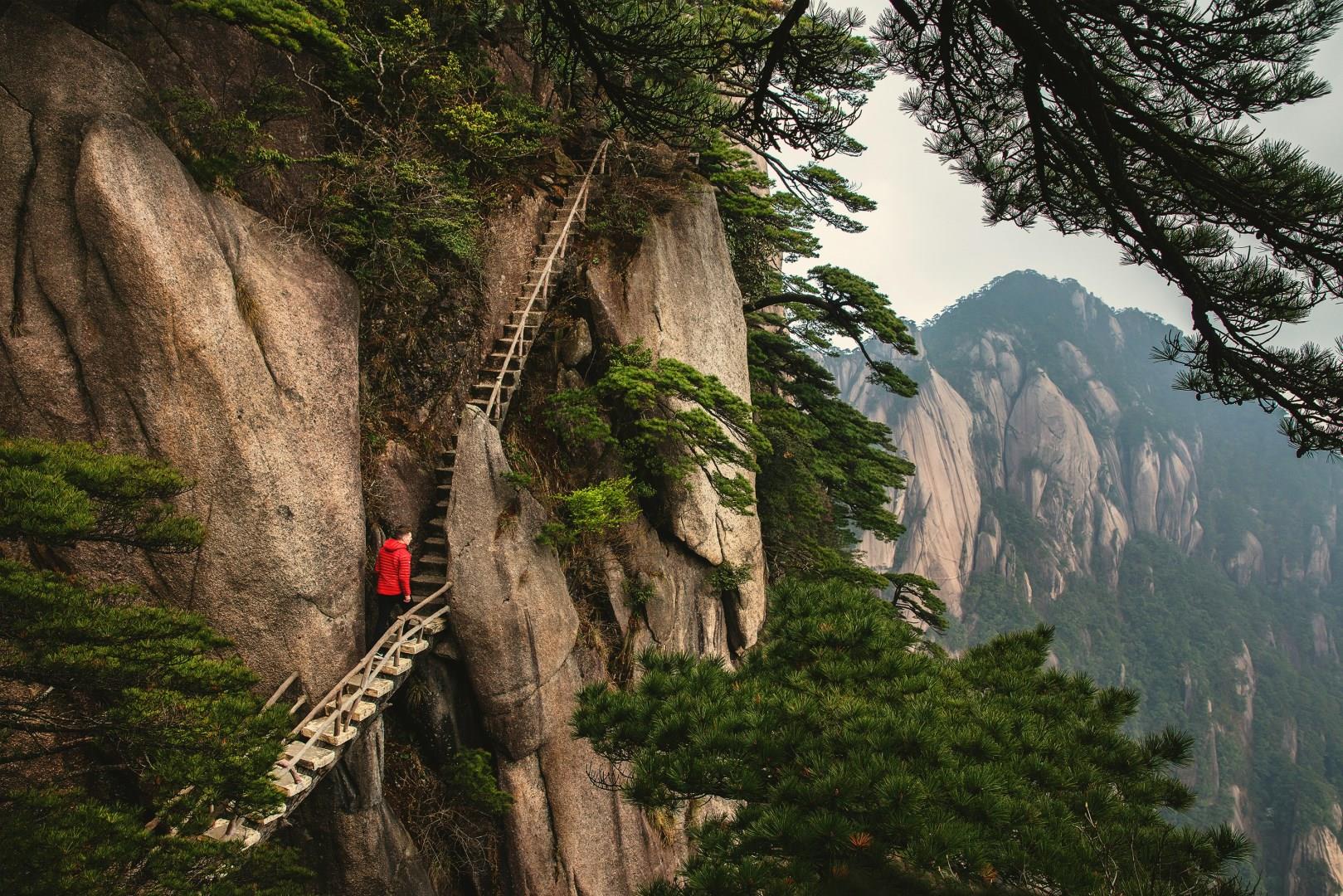
Huangshan
Huangshan, also known as the Yellow Mountains, is one of China’s most iconic and culturally significant mountain landscapes.