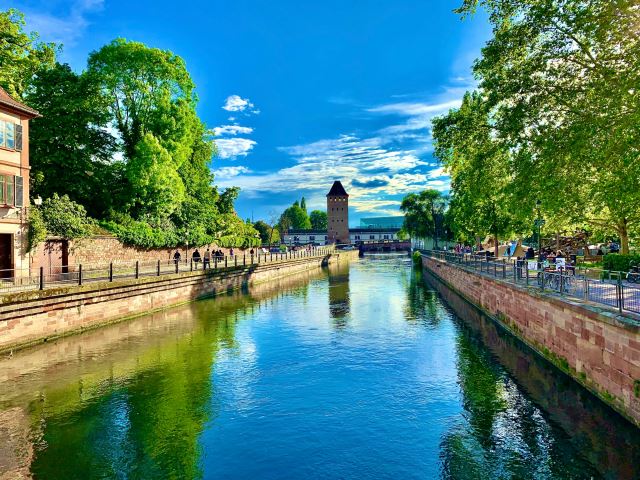
Tibet
Tibet, often referred to as the "Roof of the World," is a land of breathtaking beauty, spiritual depth, and rich cultural heritage. Set against the backdrop of the towering Himalayas, Tibet captivates travelers with its dramatic landscapes, from vast high-altitude deserts to verdant valleys and serene lakes.
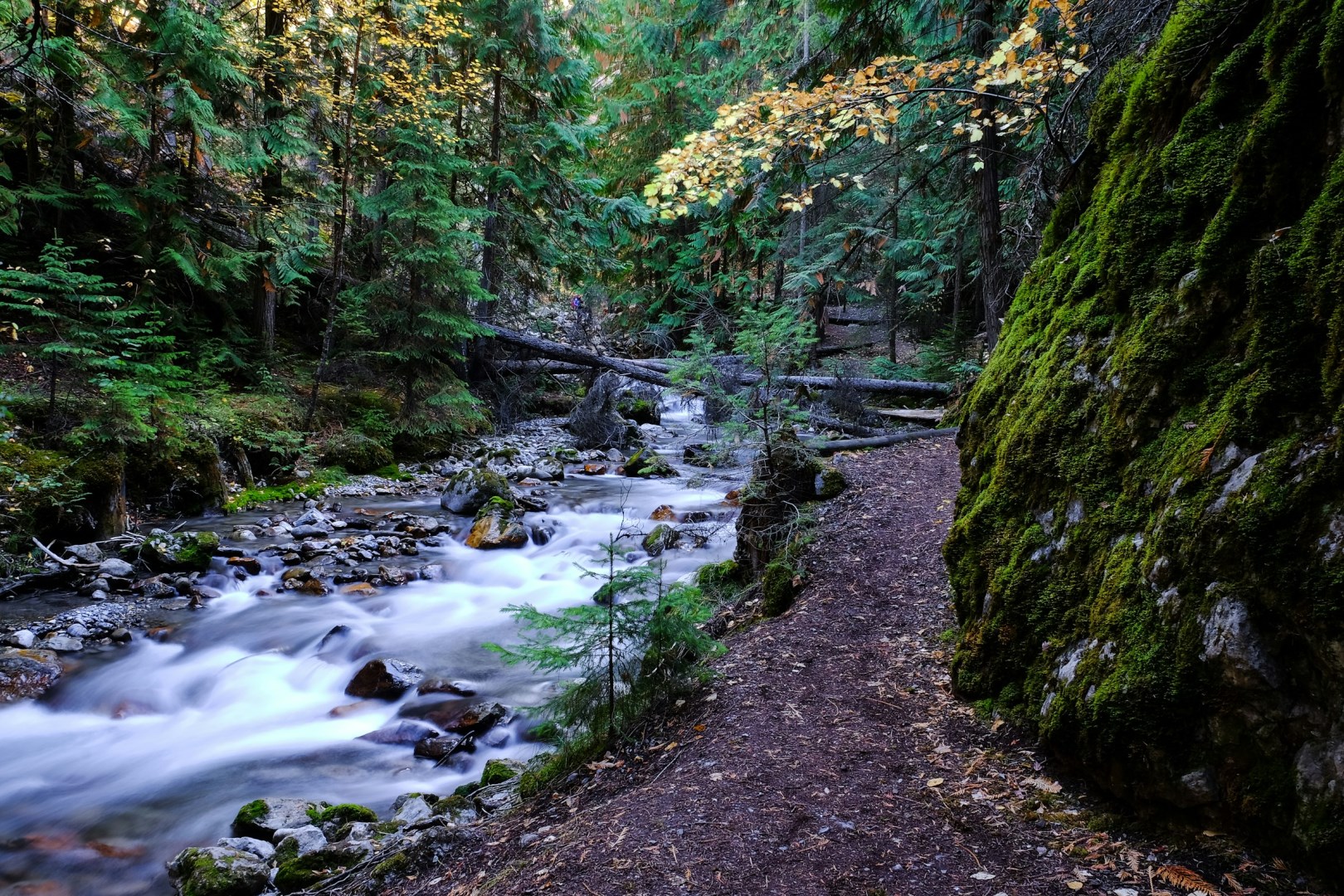
Radium Hot Springs
Radium Hot Springs is a small community in southeastern British Columbia, located in the Columbia Valley at the entrance to Kootenay National Park. The village sits between the Purcell and Rocky Mountains, with the Columbia River and wide valley landscapes nearby. It is best known for its mineral hot springs, where naturally heated water emerges from the mountains and is used in the Radium Hot Springs pools.
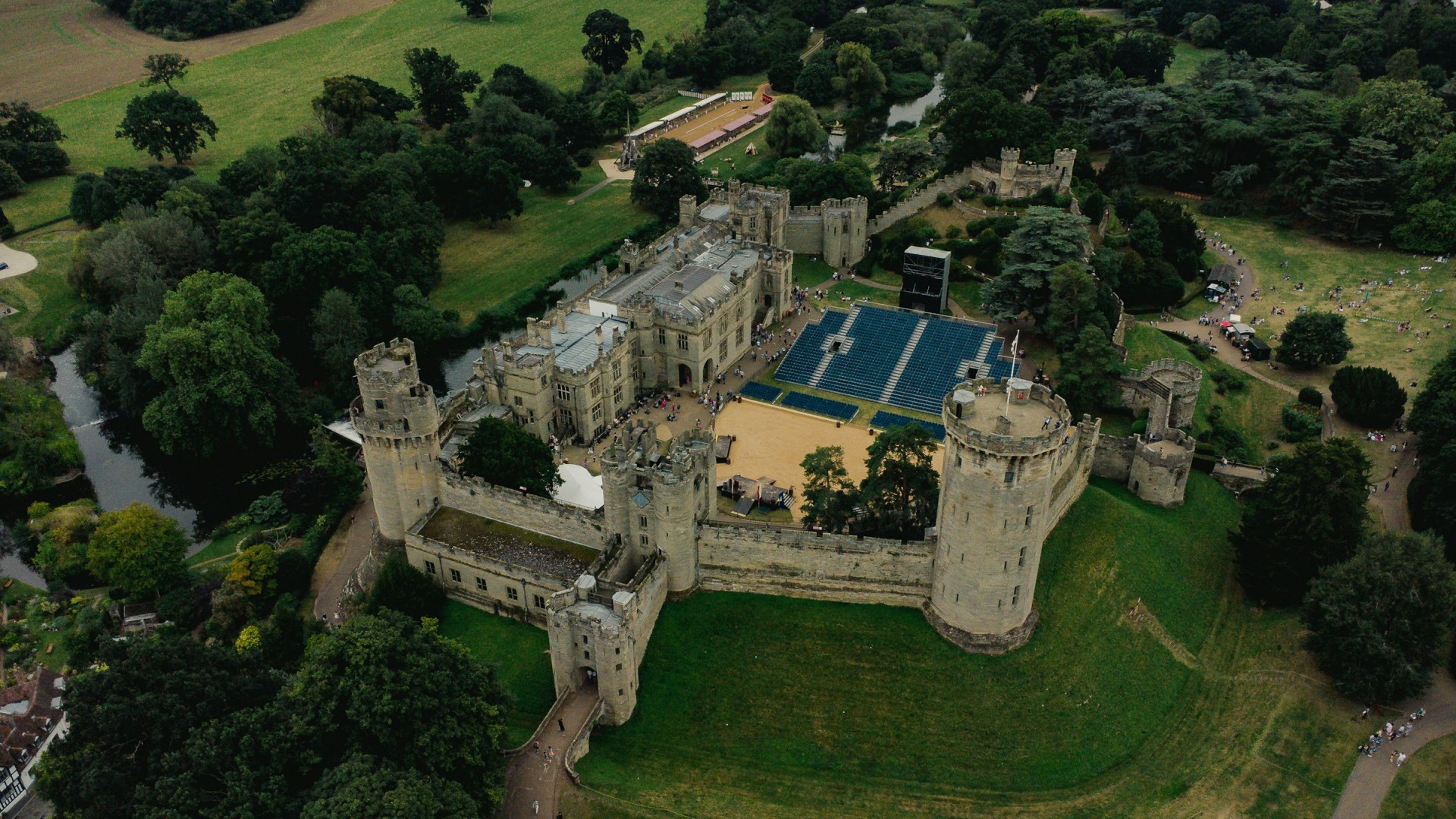
Warwick
Warwick is the county town of Warwickshire in central England, set on the River Avon and known for its concentration of historic buildings and medieval streets. The town is dominated by Warwick Castle, a substantial fortified complex surrounded by extensive grounds and gardens, while the tower of St Mary’s Collegiate Church forms another prominent landmark.
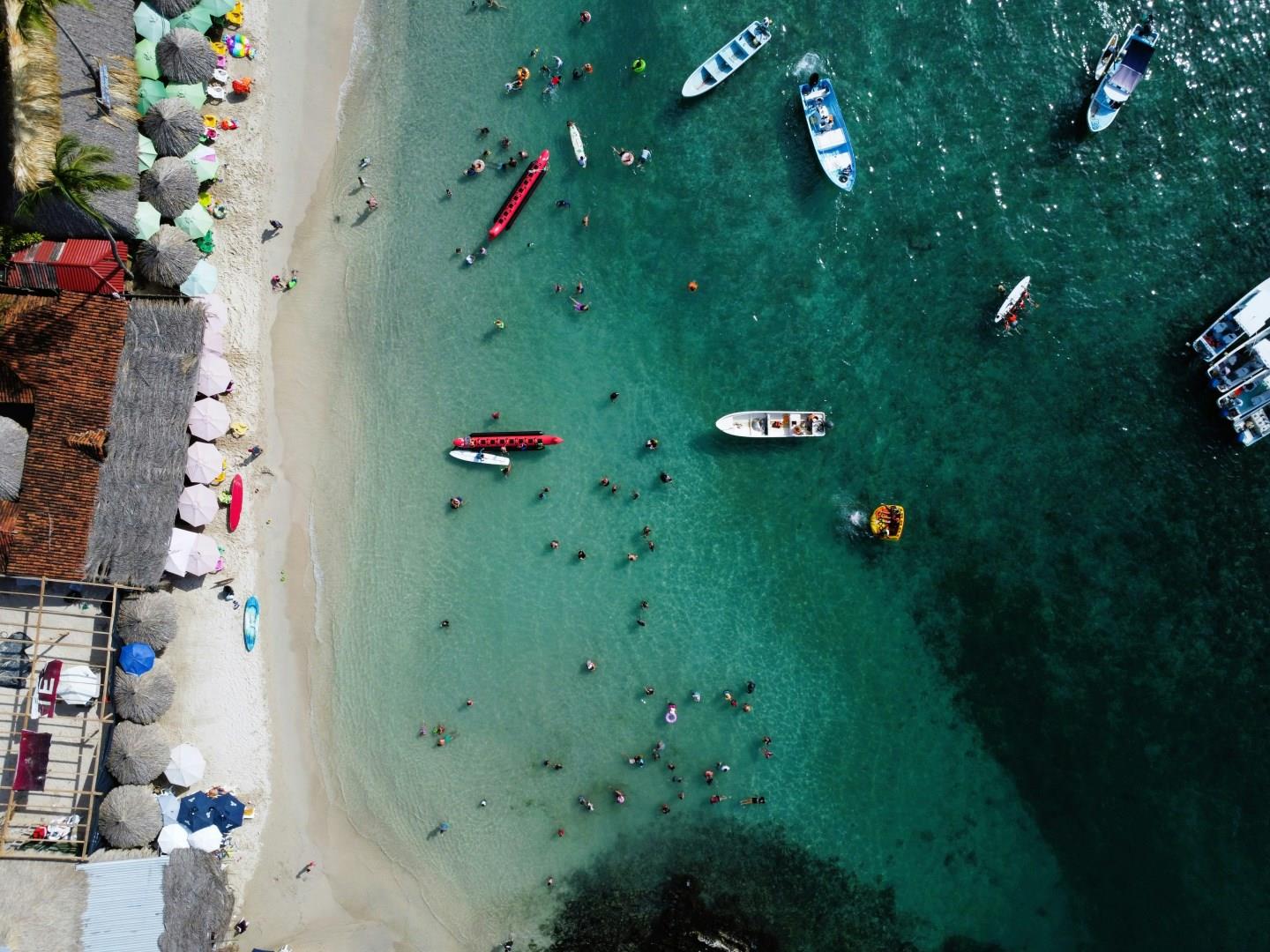
Zihuatanejo
Zihuatanejo, a charming coastal town on Mexico’s Pacific coast, invites travelers with its blend of serene beaches and vibrant local culture. Nestled on the Bay of Zihuatanejo, the town offers a picturesque escape with its stunning shoreline, where the gentle waves lap against golden sands. The tranquil atmosphere of Playa La Ropa, one of the town’s most renowned beaches, is perfect for sunbathing, swimming, and savoring fresh seafood from beachfront restaurants.

Pennsylvania
Pennsylvania offers more than just a glimpse into American history, it invites travelers to walk through it. In Philadelphia, the Liberty Bell still draws visitors from around the world, while Independence Hall, a UNESCO World Heritage Site, is where both the Declaration of Independence and the U.S. Constitution were debated and signed. Just a short walk away, modern museums like the National Constitution Center offer hands-on exhibits that connect the past to today’s civic questions.