Calais
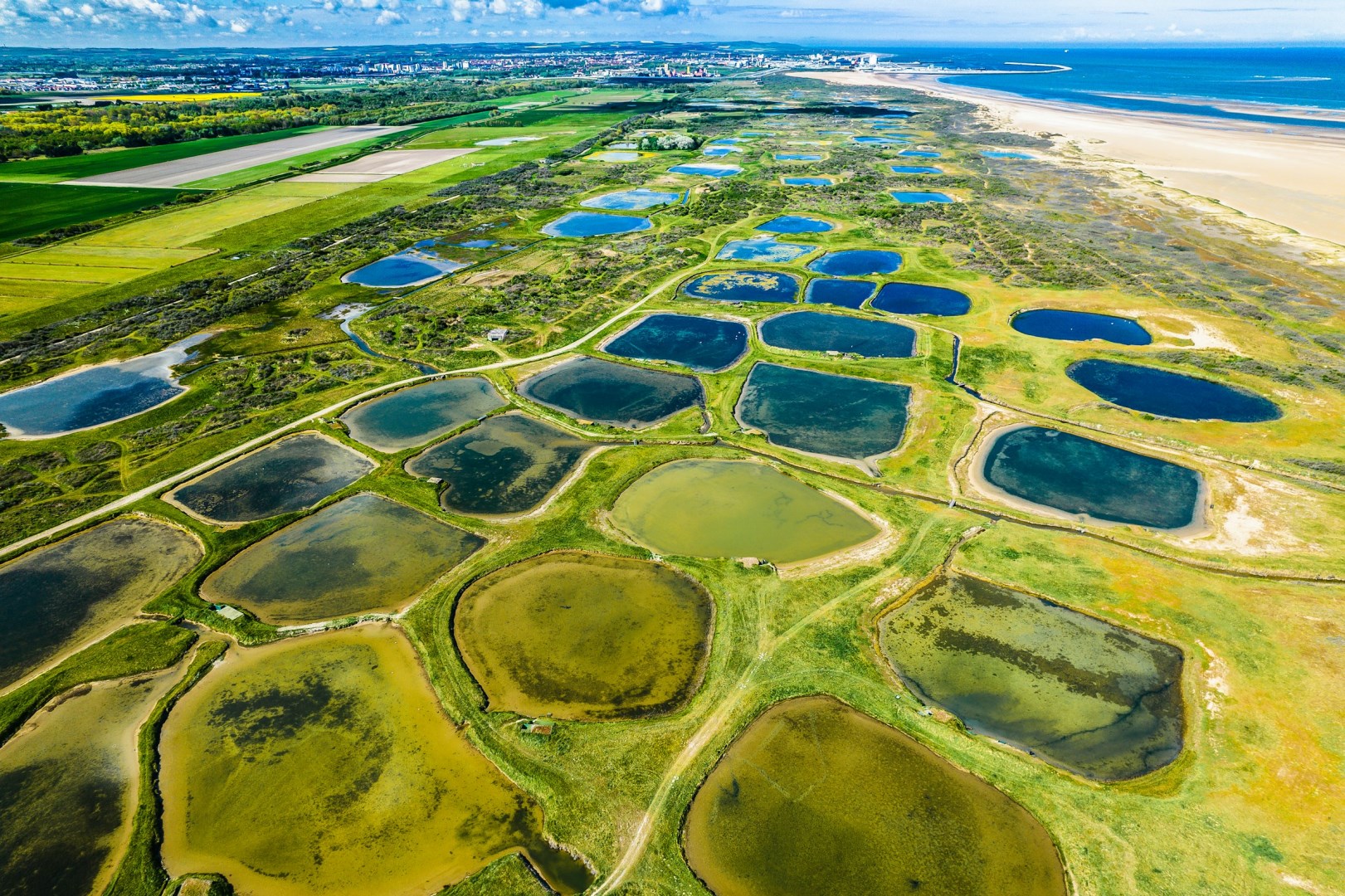
Calais is a port city on France's northern coast, facing the Strait of Dover at the narrowest point of the English Channel. Its location has made it an important link between France and Britain, with ferries and the Channel Tunnel connecting the region to England. The city centre includes broad boulevards, public squares, and historic buildings, while the waterfront extends toward sandy beaches and dunes.
Kolmanskop
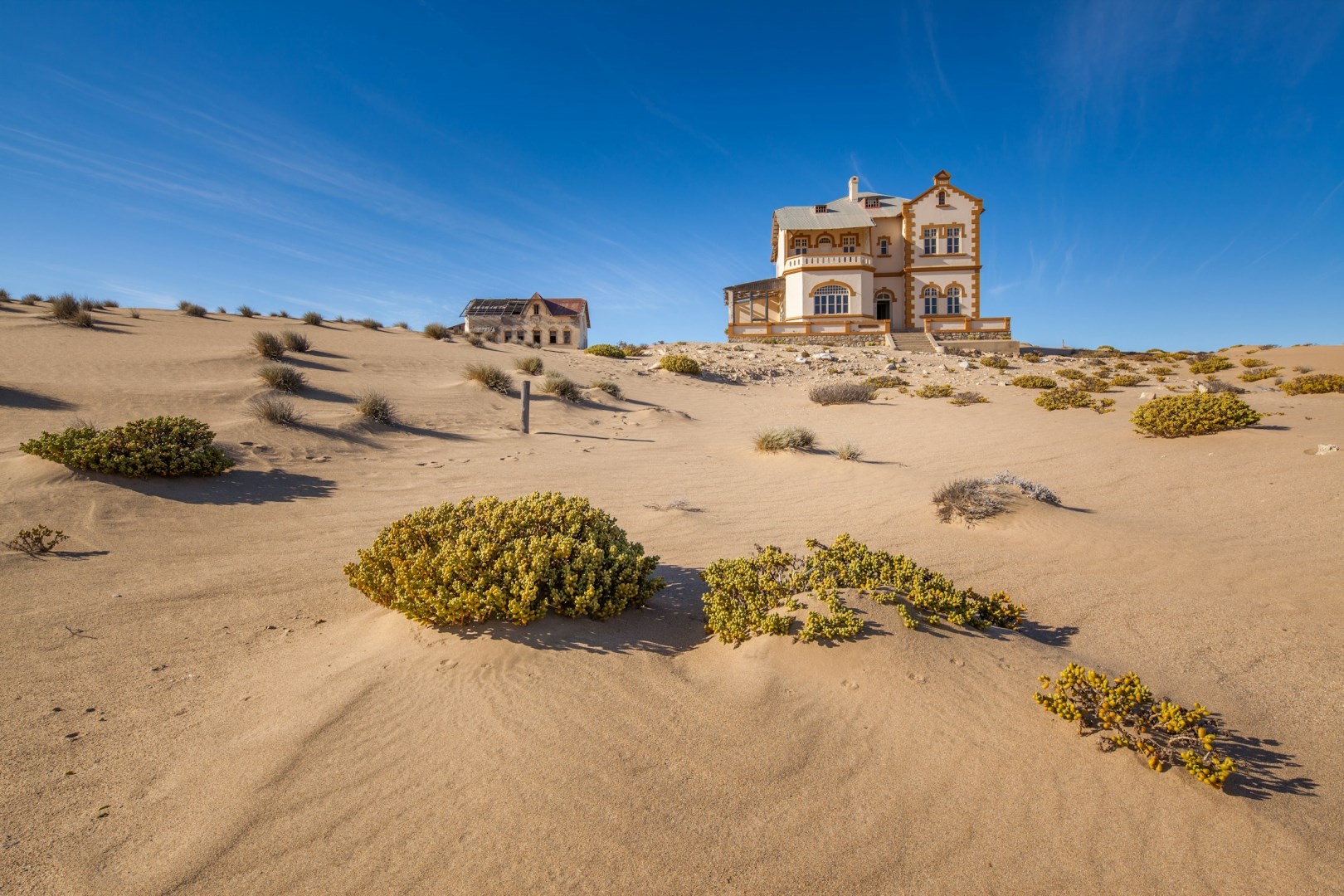
Kolmanskop is an abandoned diamond-mining settlement in the Namib Desert, a short distance inland from the coastal town of Lüderitz in southern Namibia. The former settlement is surrounded by an exceptionally dry landscape of sand, gravel, and sparse desert vegetation. Today, windblown sand fills many of its empty buildings, creating a distinctive scene where rooms, corridors, and staircases are gradually being reclaimed by the desert.
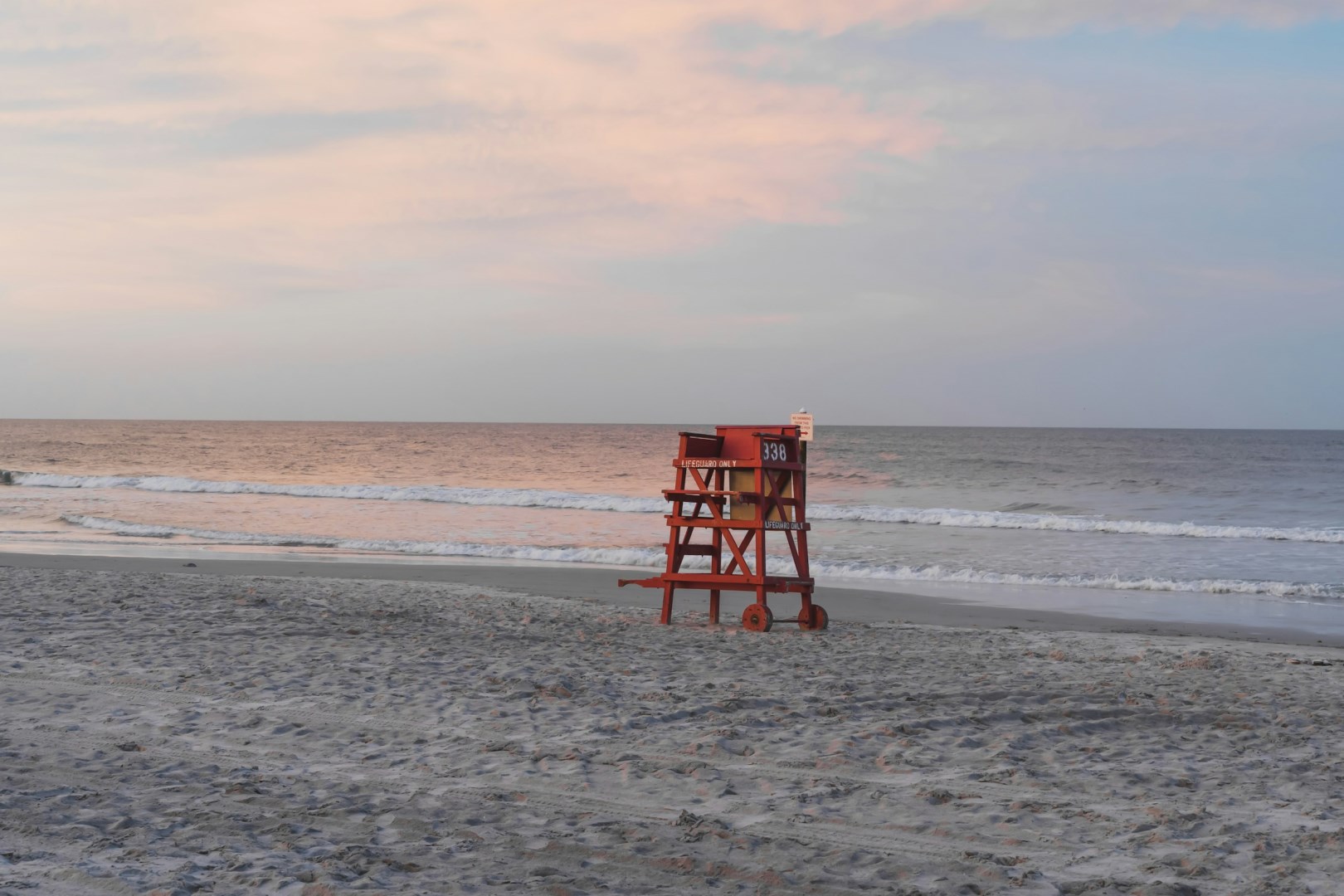
Daytona Beach
Located on the northern coast of the state of Florida in the United States, Daytona Beach is a popular winter sun destination and the site of the famous Daytona 500 car race.
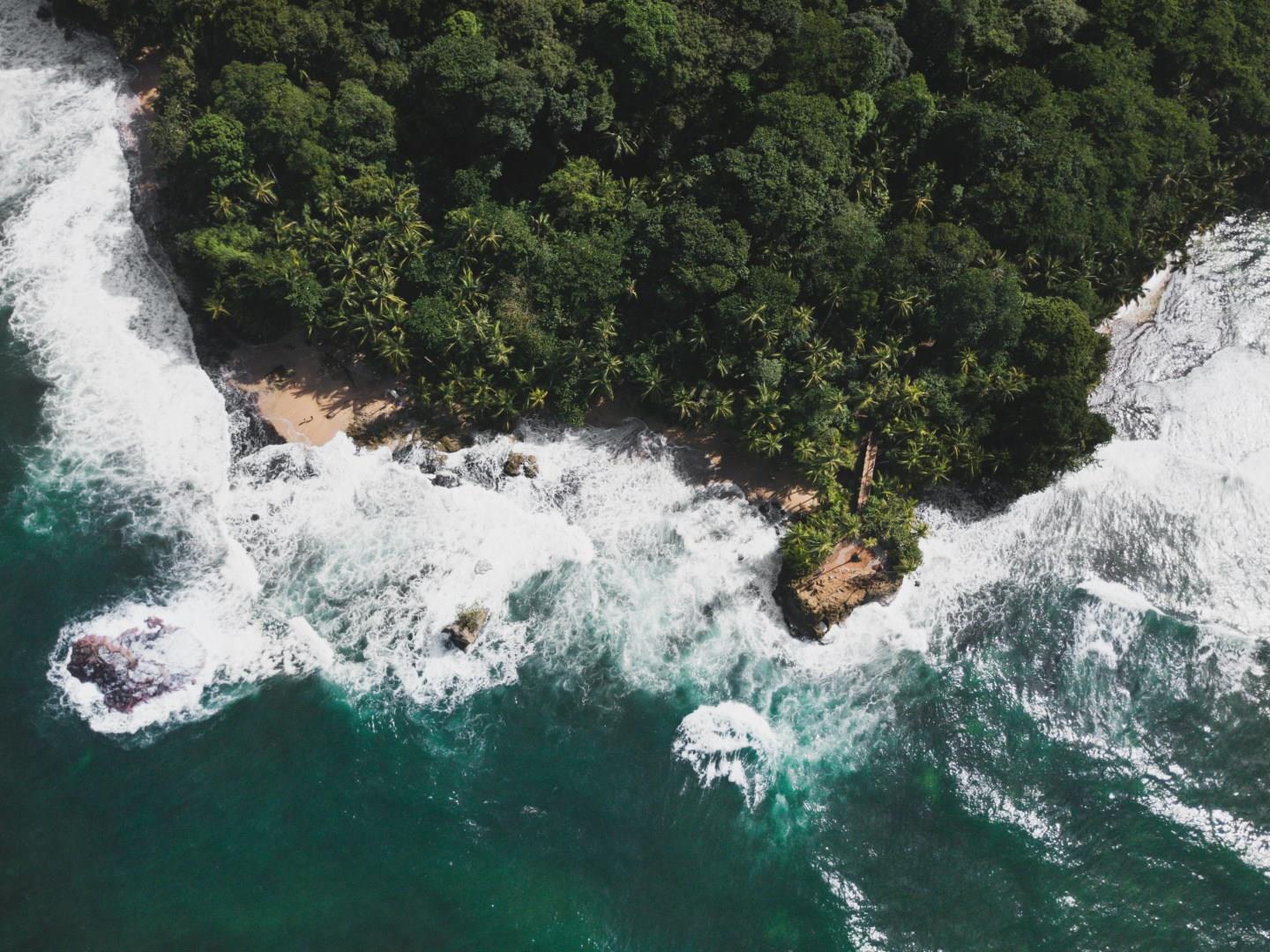
Limon
Limón, located on Costa Rica’s Caribbean coast, is a city shaped by Afro-Caribbean heritage, maritime trade, and lush tropical surroundings. Founded in the late 19th century as a port for exporting bananas and coffee, Limón developed a distinct cultural identity influenced by Jamaican, West African, and Central American traditions.

Sonoma
Sonoma is a year-round haven that combines in one location everything you could desire in a memorable travel experience - the finest wine, dining, lodging, and spas, a flourishing arts community, interesting history and the bounty of Northern California's great outdoors.