Oxford
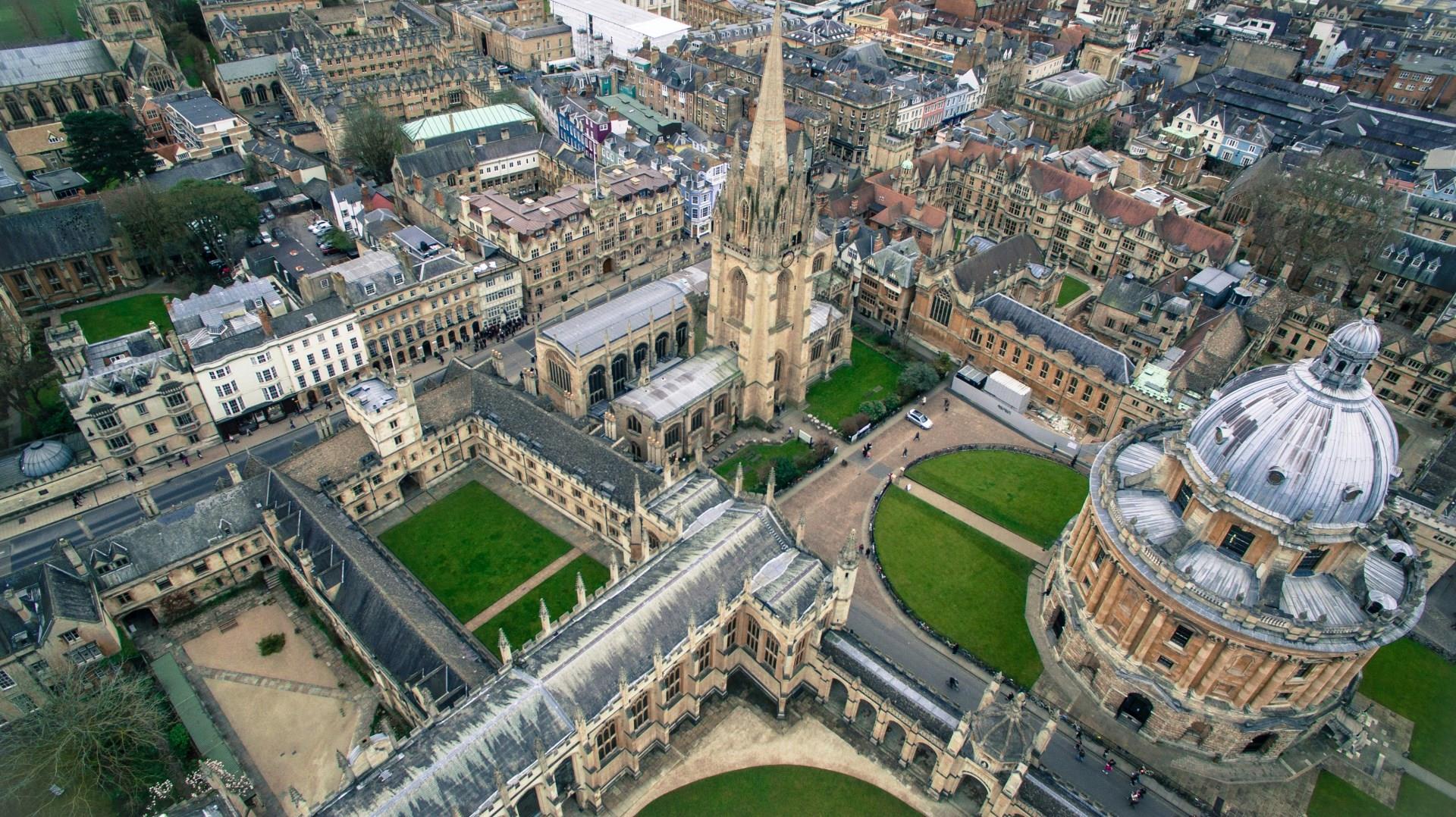
Oxford is best known for its world-famous university, but the city offers much more than historic college halls and ivory towers. Its skyline, shaped by spires and domes, hints at centuries of intellectual life. The University of Oxford dates back to at least the 12th century and includes iconic buildings like the Bodleian Library, one of the oldest libraries in Europe, and the Radcliffe Camera, a circular reading room that looks more like a cathedral than a place for quiet study.
Carriacou
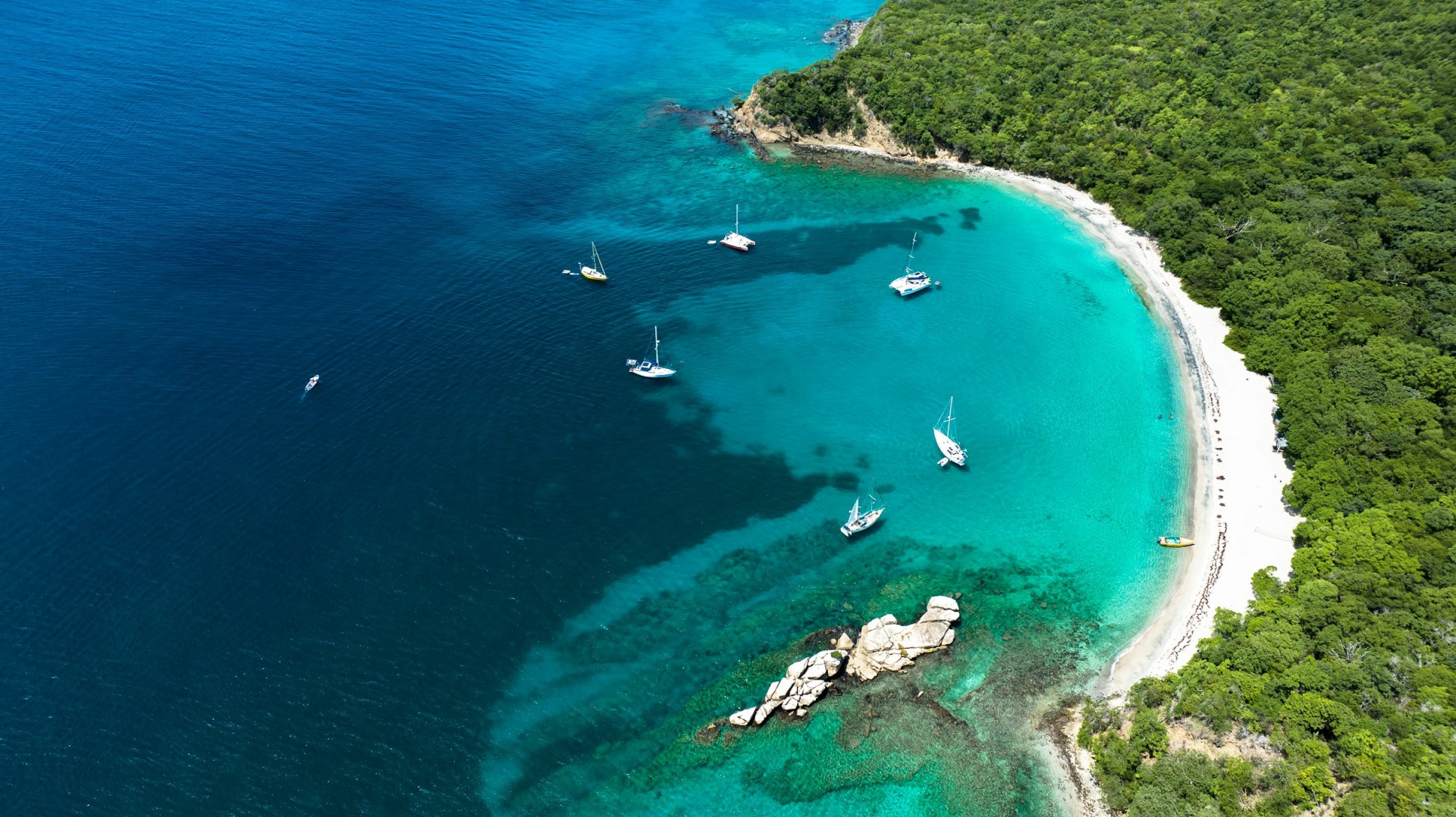
Carriacou is the largest of Grenada’s sister islands and part of the Grenadines, lying north of mainland Grenada between the Caribbean Sea and Atlantic Ocean. The island has a relatively dry climate and a landscape of low hills, rocky headlands, coral reefs, beaches, and small valleys used for farming. Hillsborough is the main settlement, while Windward, L’Esterre, and Tyrell Bay are among the island’s other communities.
Isle of Mull
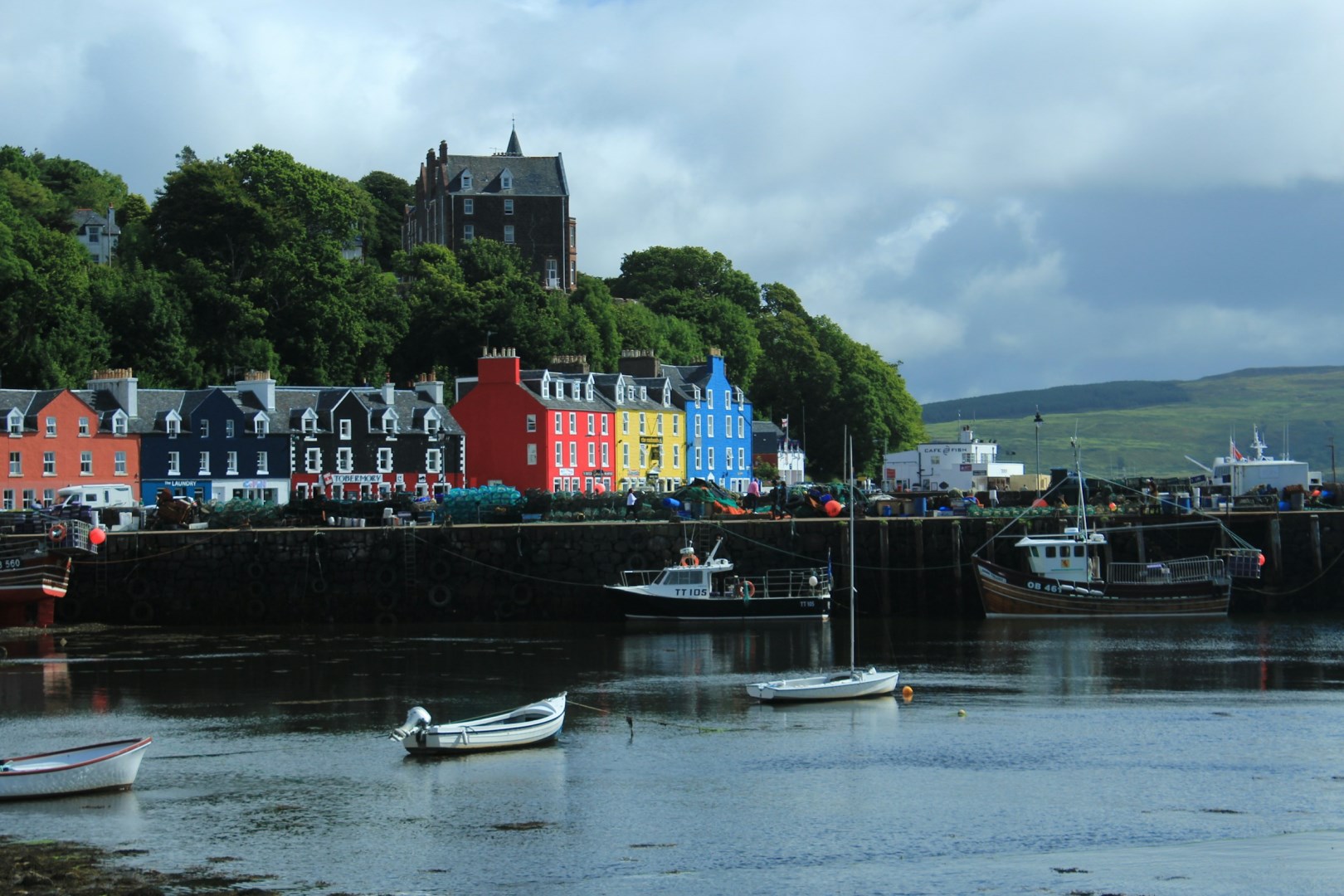
A scenic Inner Hebridean island with rugged coasts, mountains, sea lochs, sandy beaches and abundant wildlife.
Santa Cruz de la Sierra
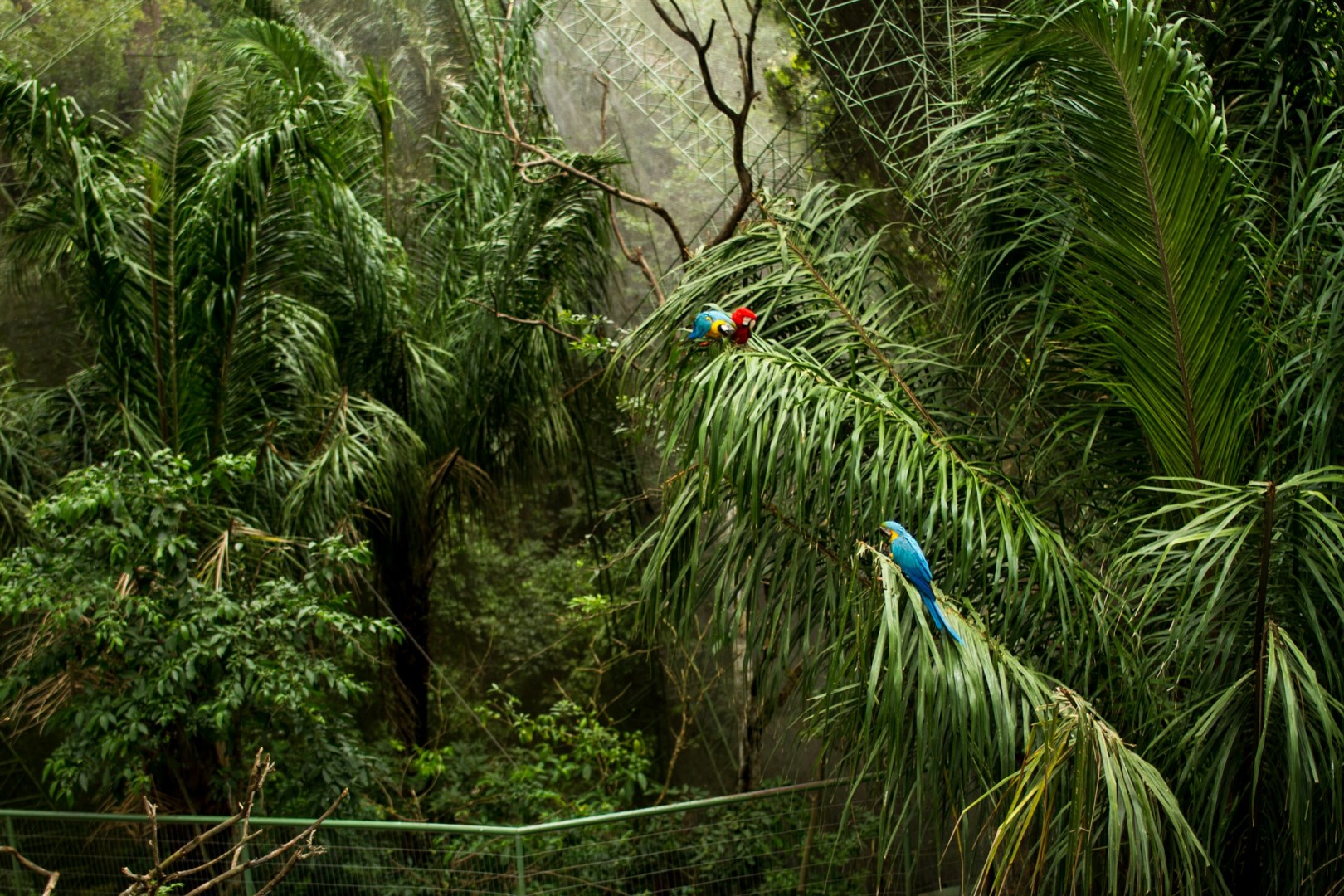
Santa Cruz is in stark contrast to La Paz. Climate is tropical and altitude is only 1,250 feet. It is on the eastern lowland side of the Andes mountain range and one of the gateways to Bolivia's jungle area. Trinidad is the other. Much of Bolivia's natural resources, including agricultural products, are found in this area. Although Santa Cruz has grown tremendously some parts of downtown still retain a look of an Old West frontier town. Carnival is an especially happy time to be in Santa C
Flic En Flac
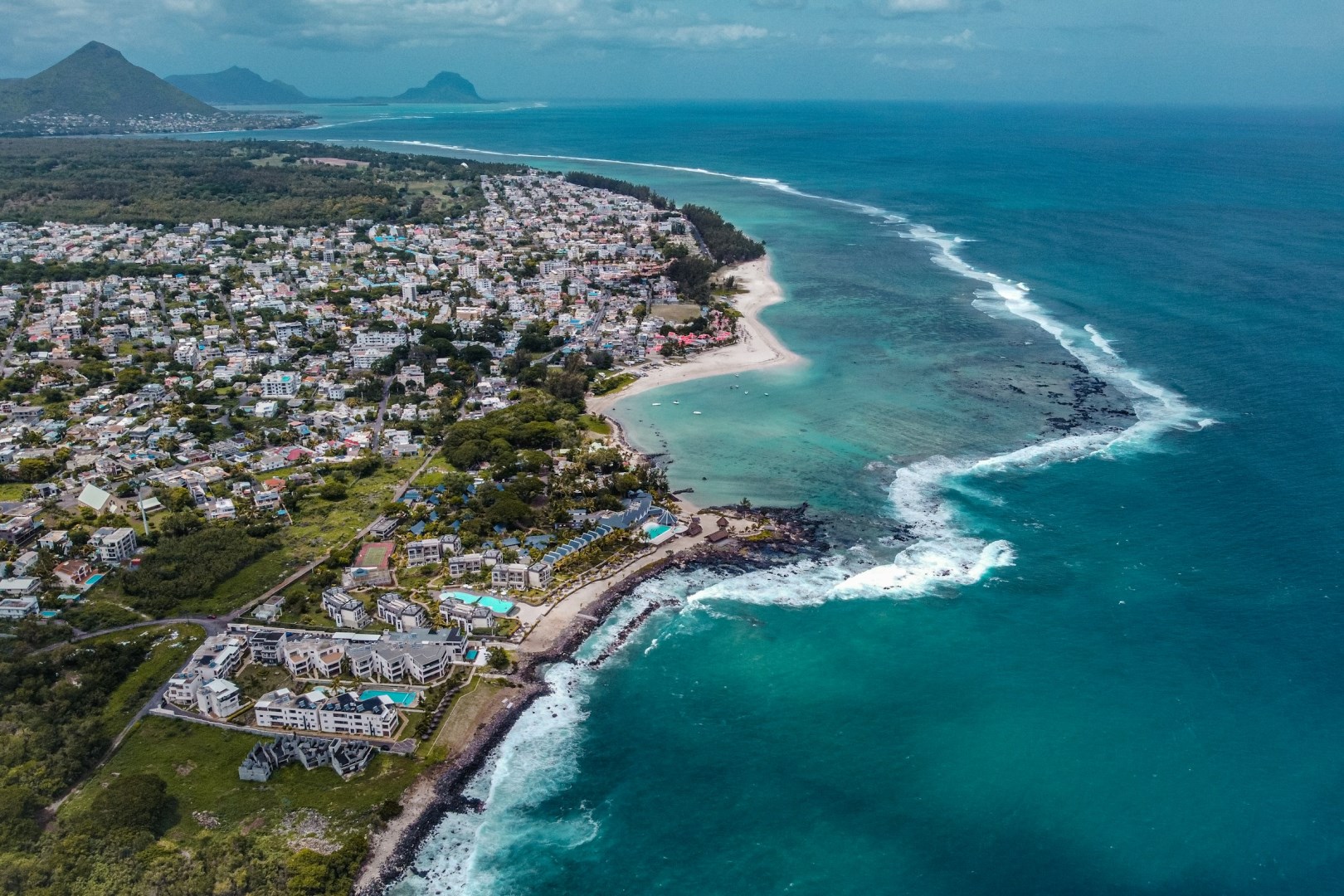
Flic en Flac is a coastal town on the western side of Mauritius, overlooking a sheltered lagoon protected by a coral reef. It is known for its long sandy beach, calm coastal waters, and views toward the open Indian Ocean. The town has grown from a small fishing settlement into one of the island’s established seaside communities, while fishing and boating remain visible along the coast.