Devonport Tasmania
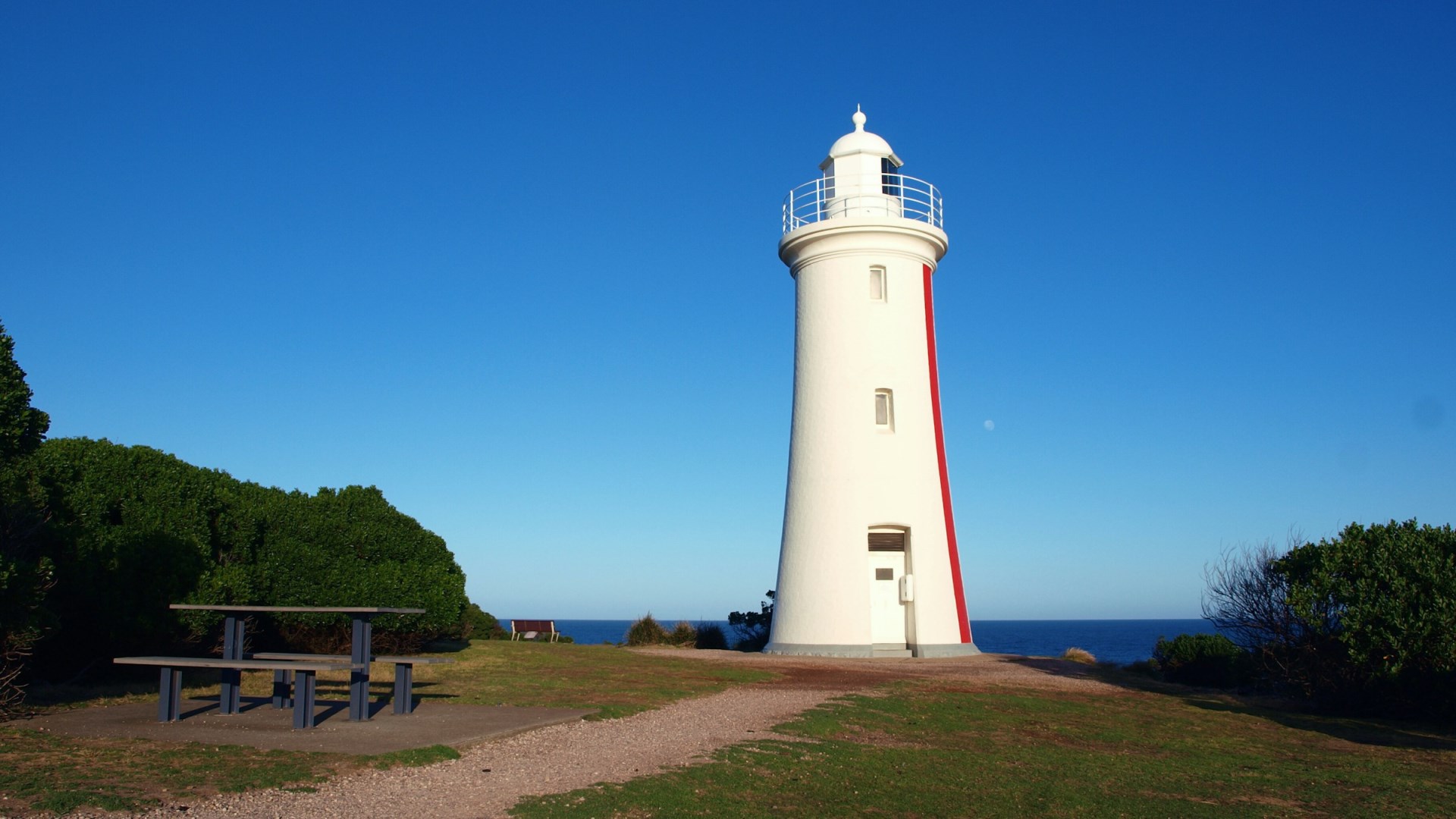
If you are travelling to Tasmania on the Spirit of Tasmania, then Devonport will be your first port of call. On arriving at Tasmania the first thing you will see, will probably be the Mersey Bluff and the Bluff Lighthouse. Along with passenger ferries, the port is still active with the exportation of products from north Tasmania.
Bardstown
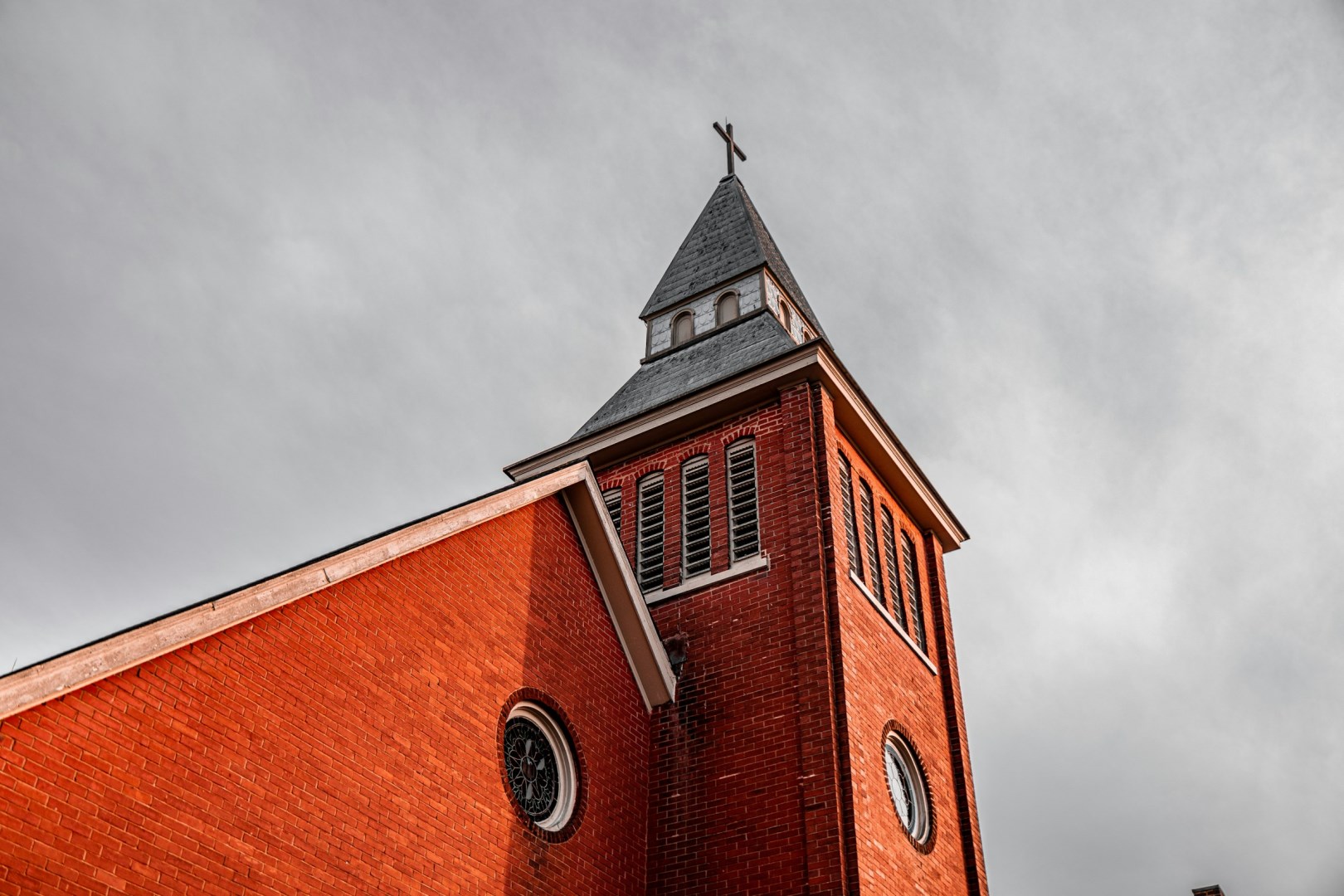
Bardstown, in central Kentucky’s Nelson County, is widely associated with bourbon, historic architecture, and the traditions of the Bluegrass region. Known as the Bourbon Capital of the World, it has numerous distilleries concentrated around its compact downtown, while its historic center contains nearly 200 buildings listed on the National Register of Historic Places. Court Square forms the heart of the community, with preserved buildings, local shops, restaurants, and museums within walking di

Split
Split, Croatia, is a city where ancient history and modern vibrancy blend seamlessly, creating an alluring destination for travelers. At the heart of Split is the UNESCO World Heritage Site of Diocletian's Palace, a remarkably well-preserved Roman complex built by Emperor Diocletian in the 4th century AD. This sprawling palace complex, with its labyrinthine streets, ancient walls, and grand Peristyle courtyard, is not just a historical site but a bustling part of the city’s daily life.
Pasadena
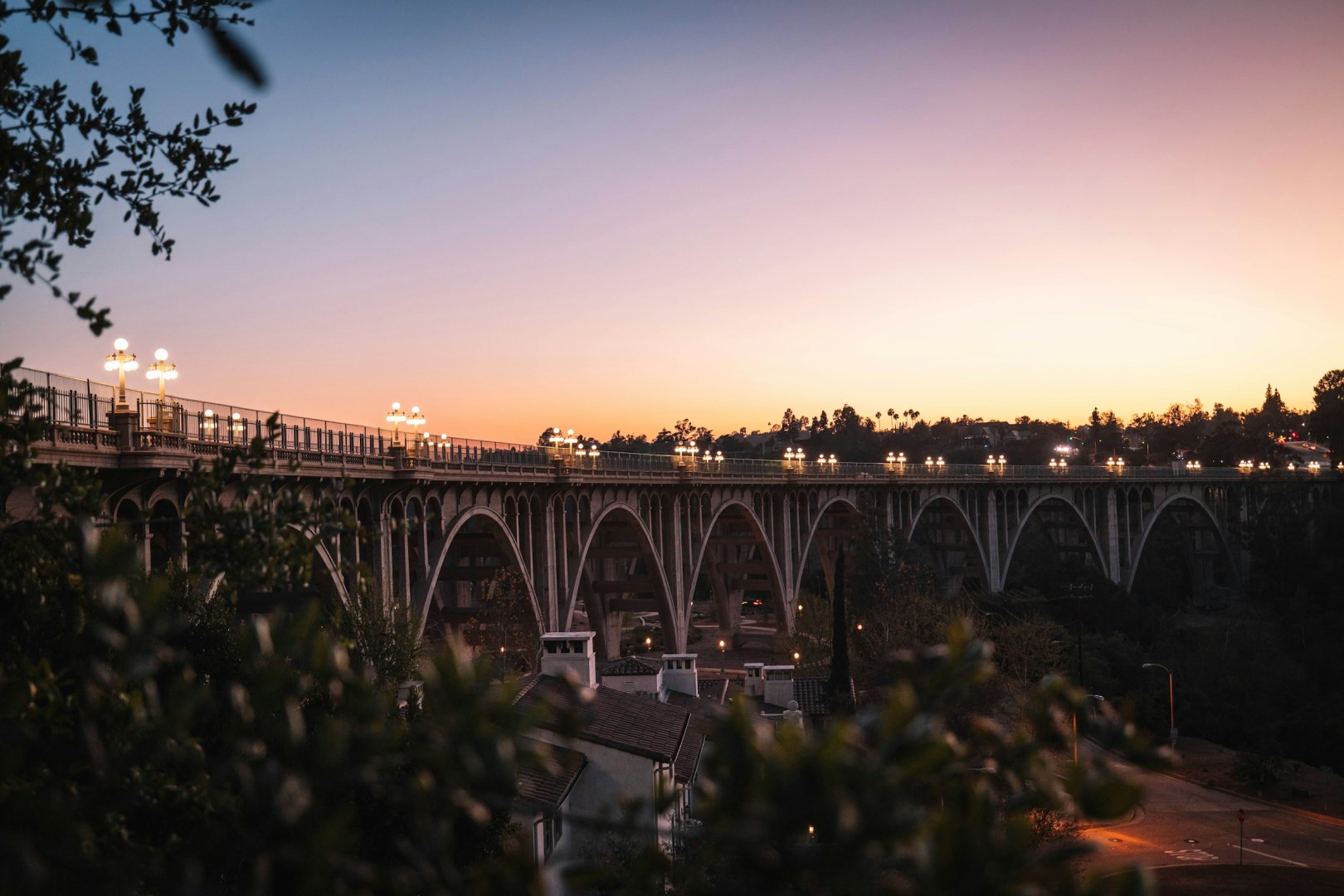
Pasadena is a city in Southern California set at the foot of the San Gabriel Mountains, about ten miles northeast of downtown Los Angeles. It is known for its historic neighborhoods, Craftsman architecture, cultural institutions, and long association with the Tournament of Roses. Tree-lined streets and distinct districts give the city a character separate from the larger Los Angeles area.
Pondicherry
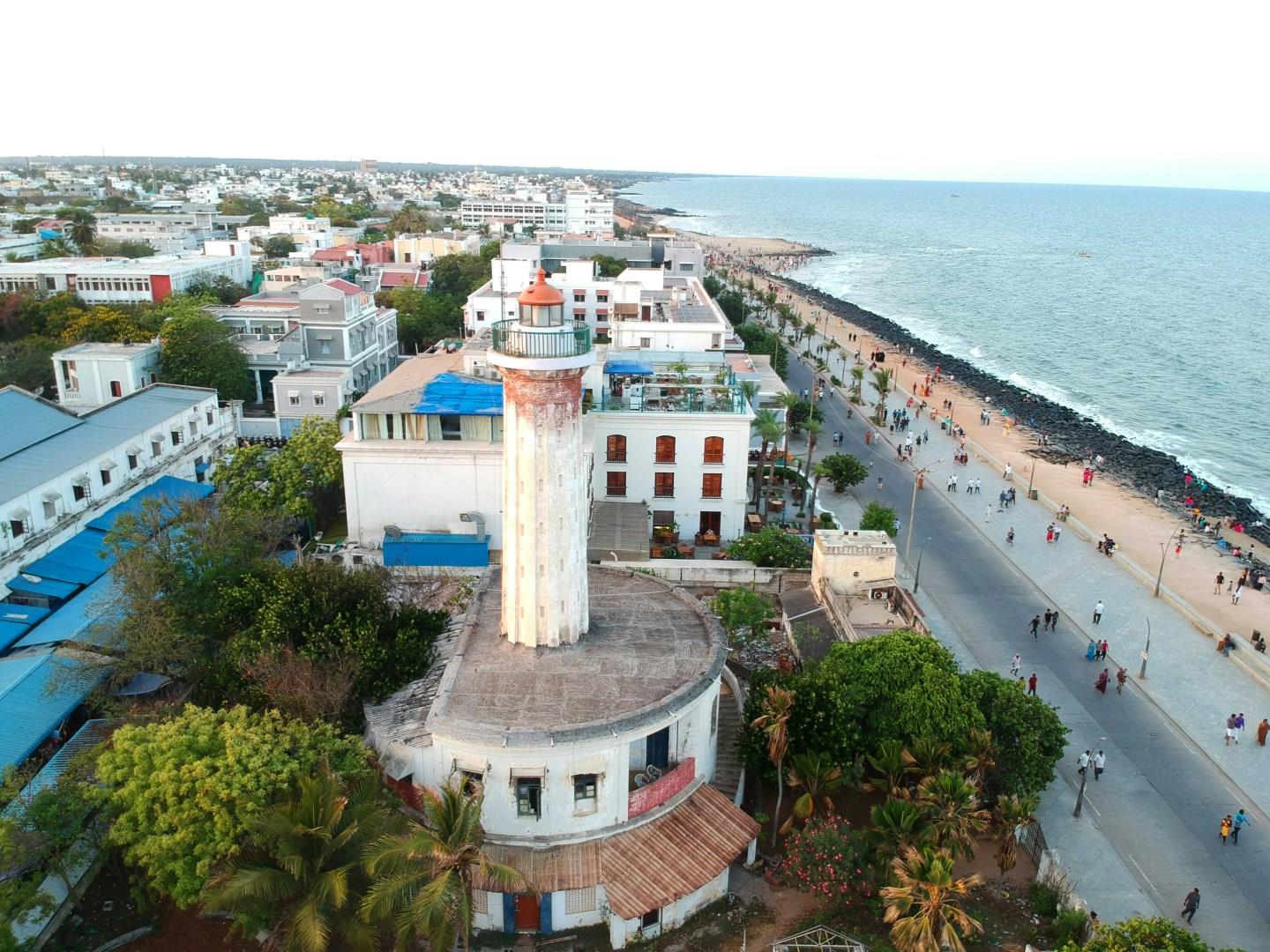
Pondicherry is a coastal town in southern India that still carries traces of its French colonial past. The French Quarter, or White Town, is filled with mustard-yellow buildings, iron-laced balconies, and streets with French names. Visitors can explore this area on foot or by bicycle, stopping at spots like the 18th-century Eglise de Notre Dame des Anges, built in Greco-Roman style, or the French Consulate, which continues to operate from a colonial-era building.