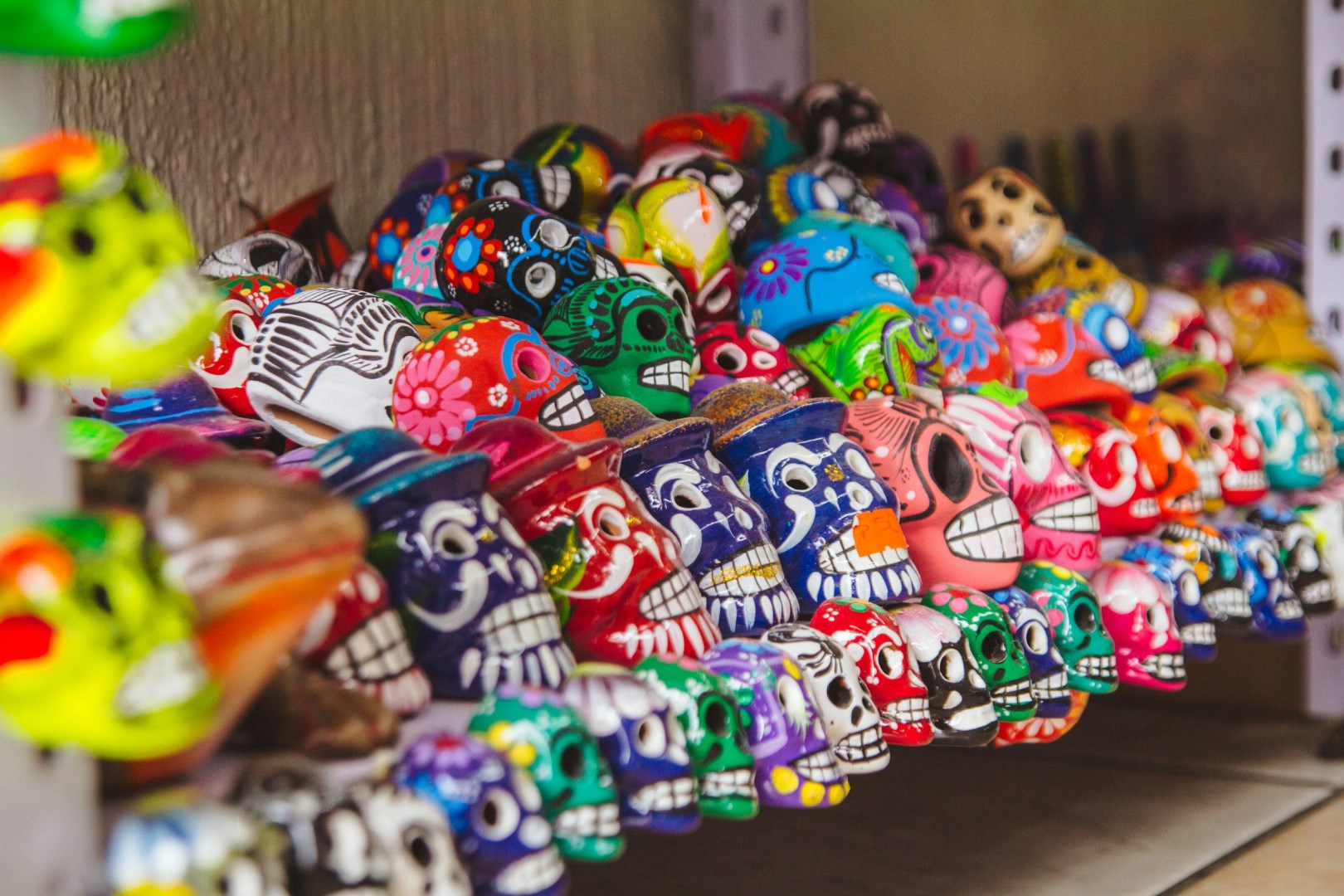
In northern Mexico, it is the capital of Chihuahua State and known most for the hairless dogs that bear the same name. Pancho Villa operated out of the surrounding mountains. It is a major mining and cattle raising center. The smelting plant employs many of the citizens.
Guanajuato is situated between the dry north of the country and the more verdant south, and geographically belongs to the Trans-Mexican Volcanic Belt, the Mexican Plateau.
Amsterdam, the 17th century capital of Holland, is often called the "Venice of the North" due to its numerous, boat-navigable canals. Truly rich in history, the oldest part of this populous, multicultural city is Sloten, which dates all the way back to the 9th century.
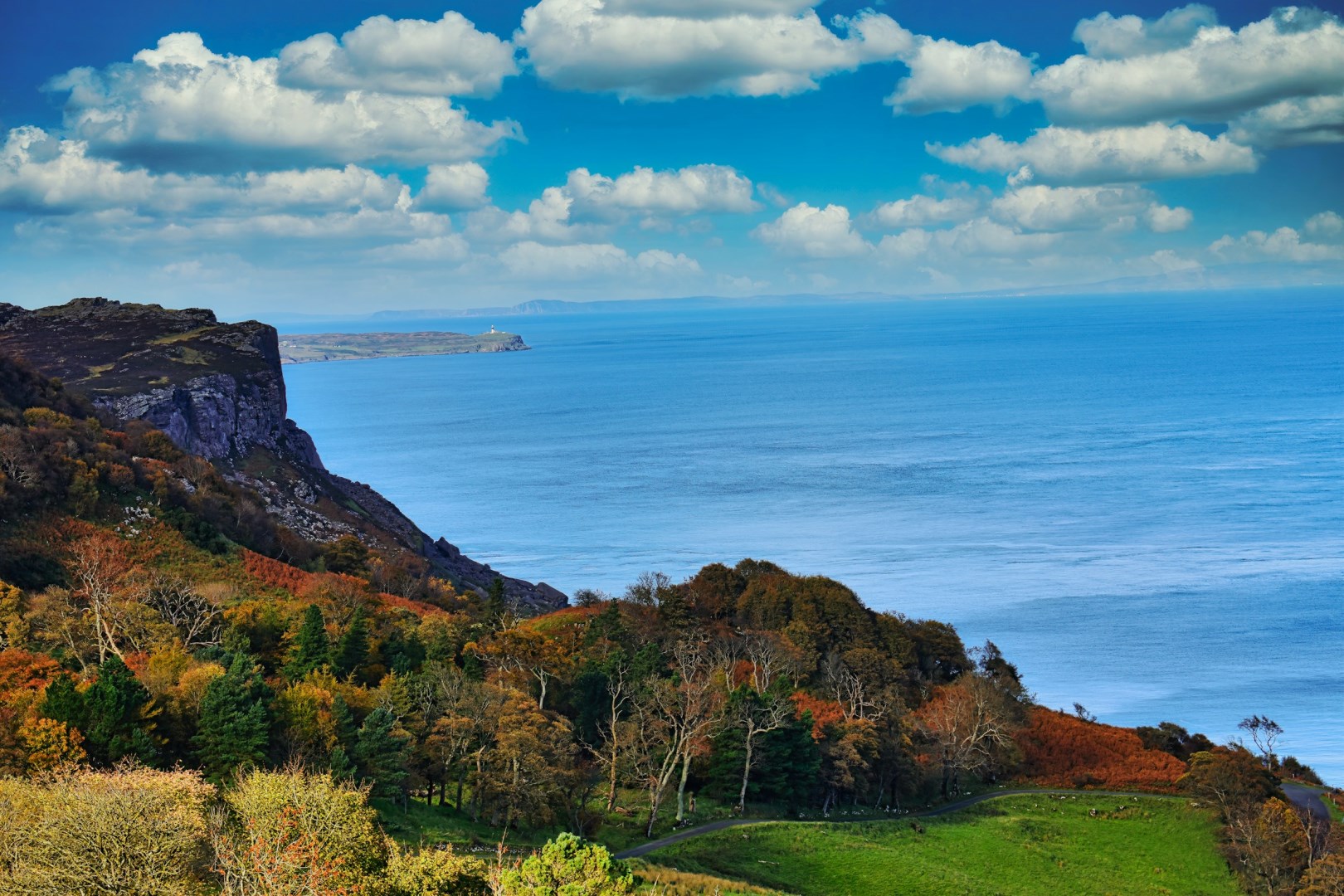
Rathlin Island is Northern Ireland’s only inhabited offshore island, lying about six miles from the County Antrim coast across the Sea of Moyle. Its small community is centered around a harbor on the southern side, while much of the island consists of farmland, open hills, rocky shorelines, and sea cliffs. Rathlin has a notably remote character despite its short ferry journey from Ballycastle.
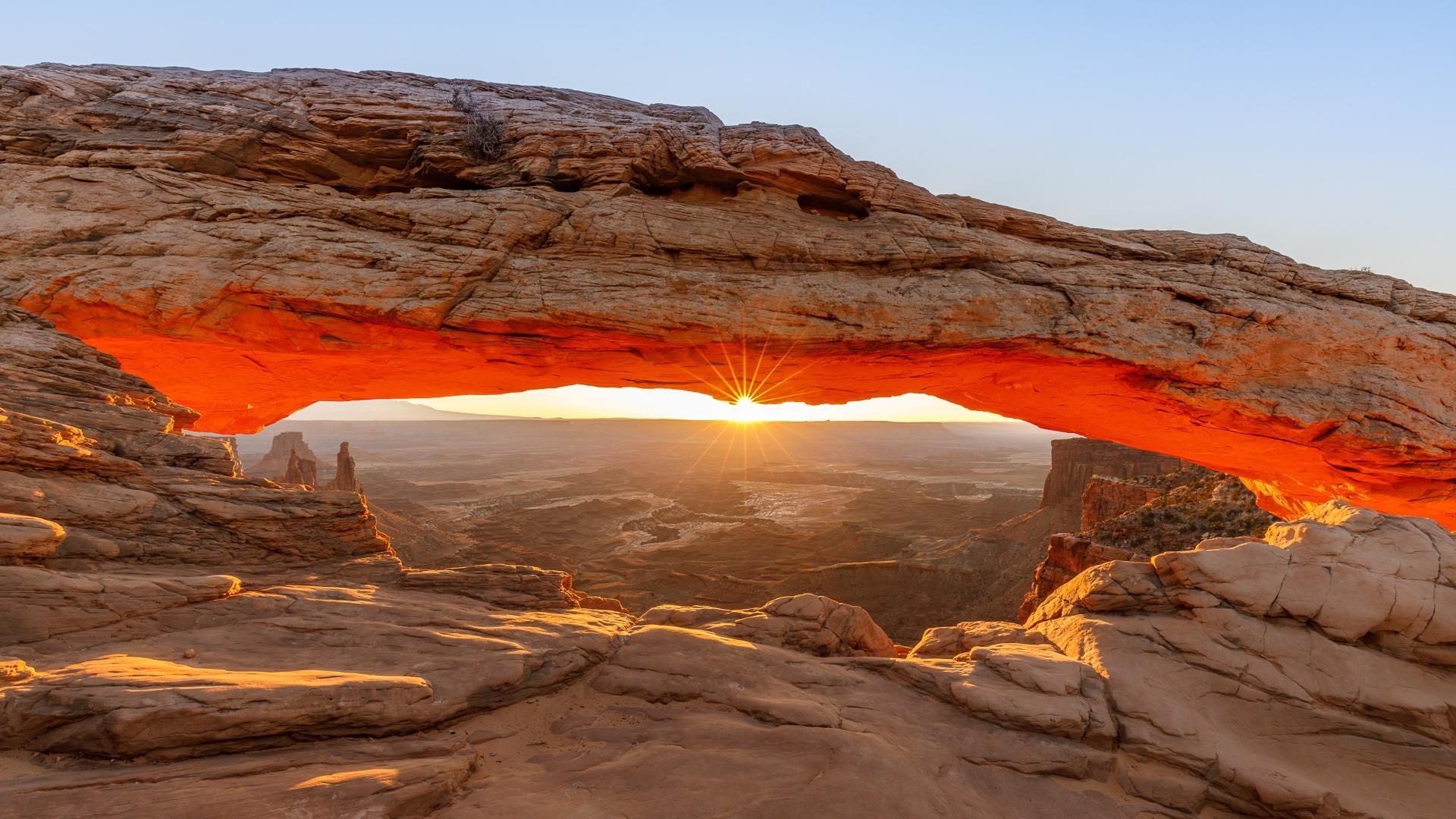
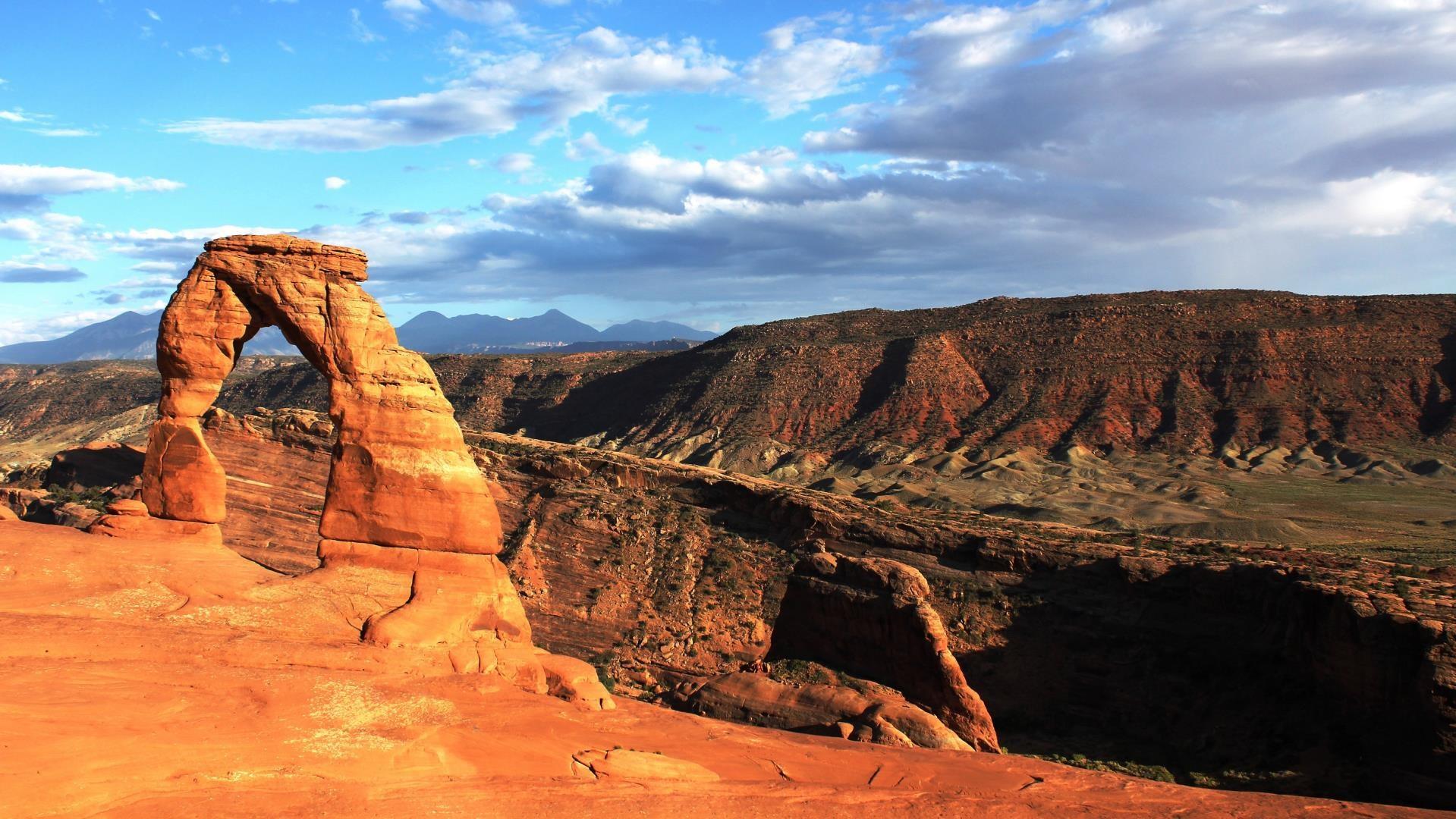
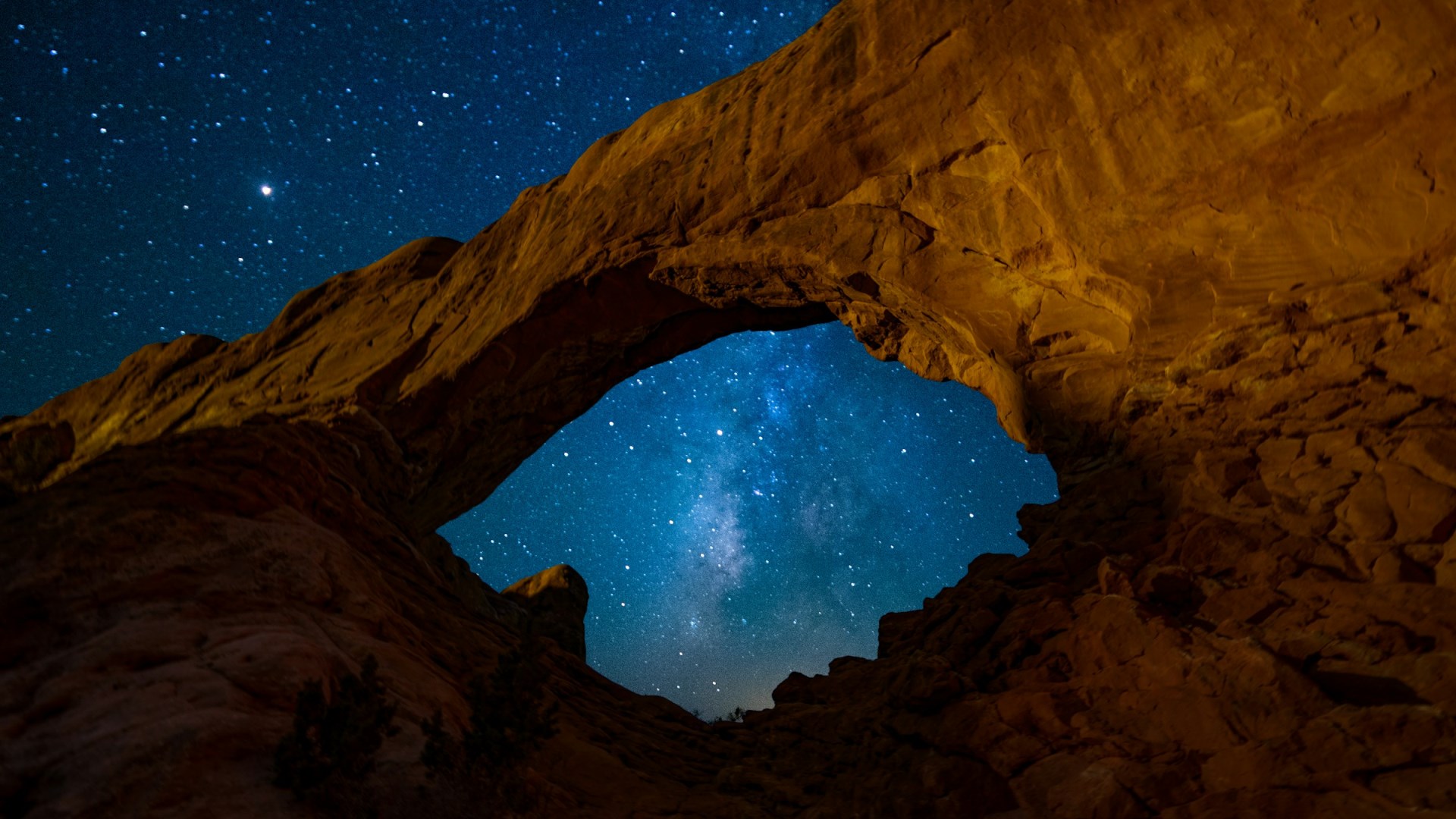
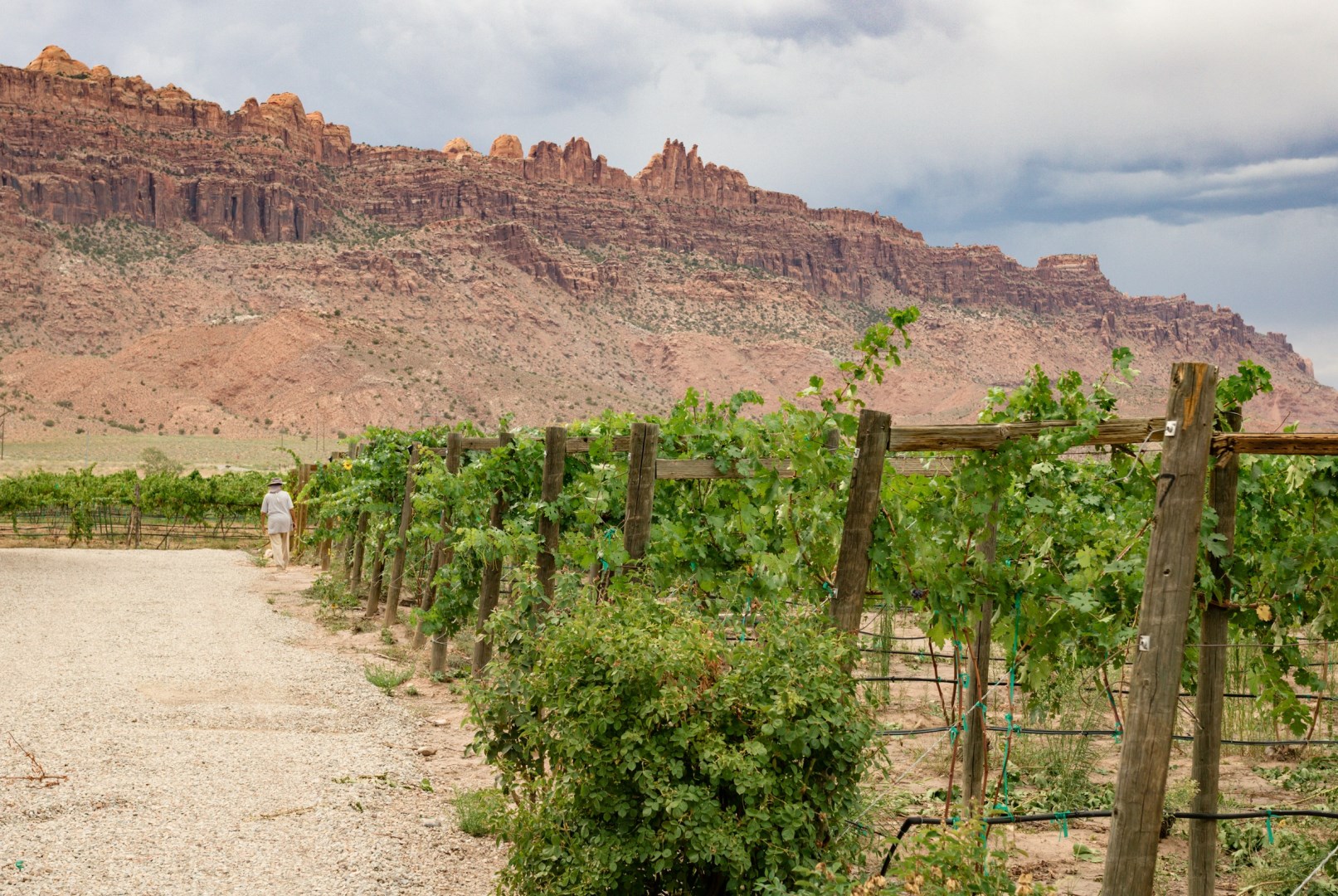
Nestled between Canyonlands National Park and Arches National Park, Moab is the perfect entryway to some of Utah’s most iconic scenery. Dotted with gorgeous sandstone formations, mesas, and buttes, Moab epitomizes the rugged beauty of the American Southwest.
Situated near the Colorado River, Moab provides direct access to dozens of nature trails and parks where you can hike, bike, raft, or camp to experience immense canyons and awe-inspiring desert landscapes. Nearby dinosaur trails give you a glimpse of dinosaur fossils and preserved tracks dating back to the Mesozoic Era.
When you’re done exploring national parks, take a breather in downtown Moab to browse local art galleries, check out the Moab Museum, or sample from local restaurants and breweries.
Other Popular Destinations in Utah
Bryce Canyon
Bryce Canyon, tucked into the high plateaus of southern Utah, offers one of the most unusual landscapes in the American Southwest. It’s not actually a canyon but a series of natural amphitheaters carved into the edge of the Paunsaugunt Plateau. What makes Bryce unique is its dense collection of hoodoos which are tall, thin spires of rock formed over millions of years by frost-wedging and erosion.
Zion National Park
Zion National Park, located in southwestern Utah, is known for its massive sandstone cliffs, narrow slot canyons, and unique desert ecosystems. Established in 1919, it was Utah’s first national park and continues to attract visitors with its dramatic elevation shifts and striking rock formations. The park’s most iconic feature, Zion Canyon, stretches for 15 miles and reaches depths of up to 2,640 feet, carved over time by the Virgin River.