Espiritu Santo Island
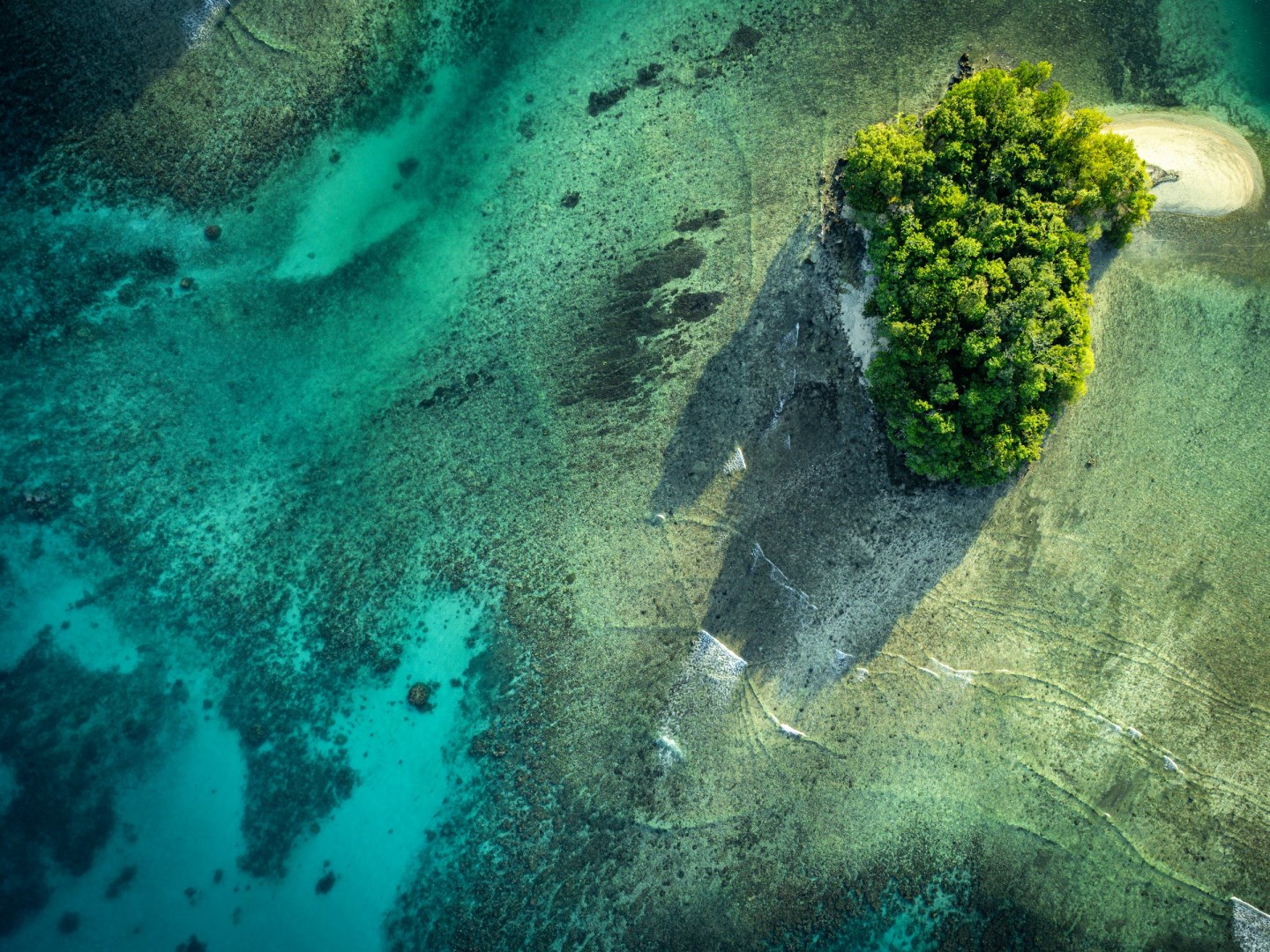
Espiritu Santo, one of the largest islands of Vanuatu off the east coast of Australia, is a popular destination for divers. Famous Champagne Beach, as one might guess from the name, offers crystal clear waters and powdery white sands, while the western side of the island is dotted with caves to explore and reefs team with marine life just offshore.

Ulm
Ulm, Germany, a picturesque city on the banks of the Danube River, offers a rich tapestry of history and modern charm. Dominating its skyline is the Ulm Minster, home to the tallest church steeple in the world at 161.5 meters (530 feet). This Gothic masterpiece invites visitors to climb its 768 steps for a breathtaking panoramic view of the city and the surrounding countryside.
La Paz Waterfall Gardens Nature Park
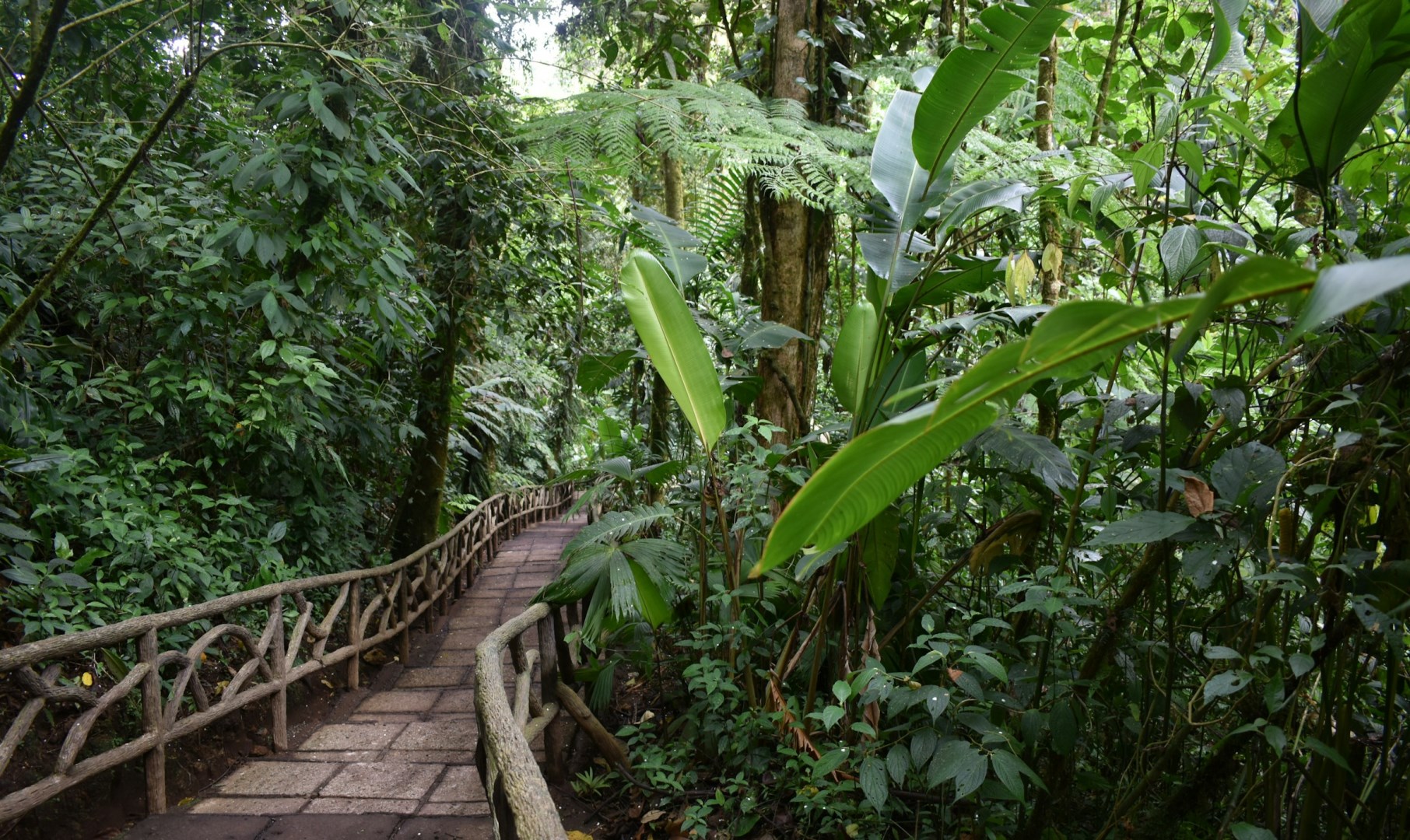
La Paz Waterfall Gardens Nature Park is a privately managed nature park and wildlife refuge in Vara Blanca, Alajuela Province, on the northeastern slopes of Poás Volcano. The property lies at an elevation where cloud forest and rainforest meet, creating a cool, humid environment with dense vegetation and flowing streams.
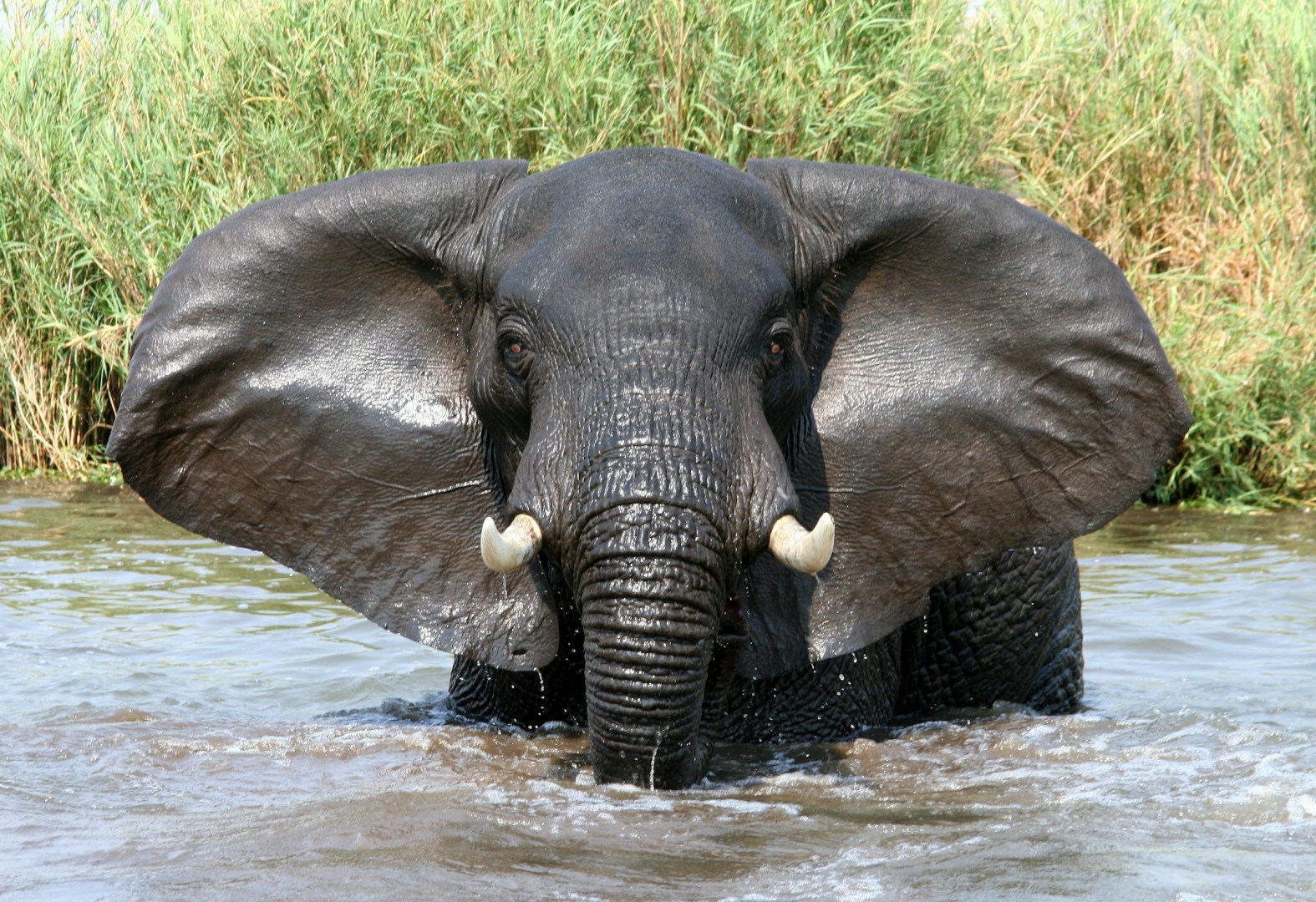
Liwonde National Park
Liwonde National Park lies in southern Malawi along the Shire River, the country’s largest river and the main outlet of Lake Malawi.

Austin
The capital of Texas, Austin is located in the south-central area. It was named the capital of the Republic of Texas in 1839. The main campus of the University of Texas is located here, founded in 1881.