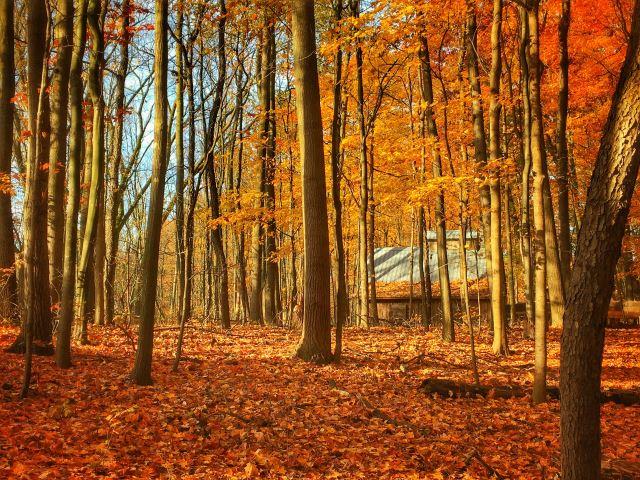
Central America
From the Caribbean Sea on one side to the Pacific Ocean on the other, Central America is home to lush rainforests, volcanic peaks, and vibrant coastal towns.

Hamburg
Located in northern Germany, Hamburg is an important commercial hub on the Elbe River and unique for the expansive system of canals which divide the city in two. Replete with fascinating architecture and scenic waterfront promenades, Hamburg offers plenty to see and explore!
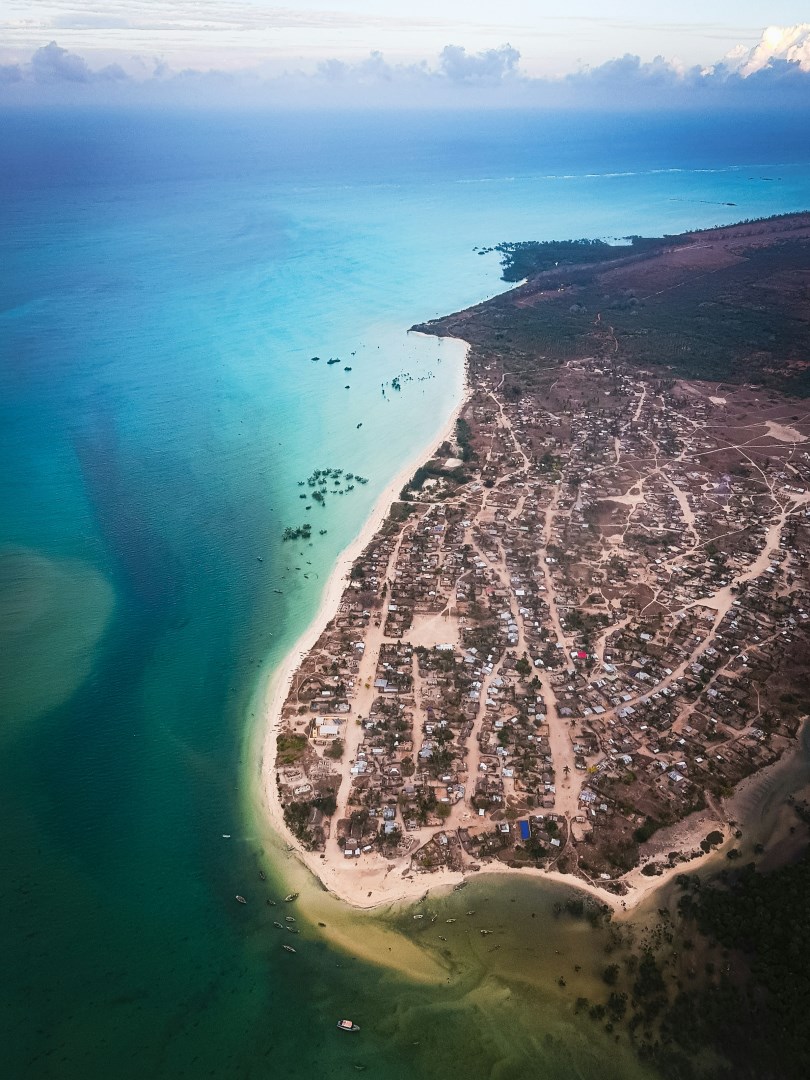
Arimba
Arimba is a coastal village in Cabo Delgado Province in northern Mozambique, situated along the mainland shore near the Quirimbas Archipelago. Its setting combines sandy coastline, coral-rich waters, coconut palms, and low coastal vegetation. The village has traditionally been connected to fishing and small-scale coastal trade, while its position near the Quirimbas has linked it with maritime routes serving communities along northern Mozambique.
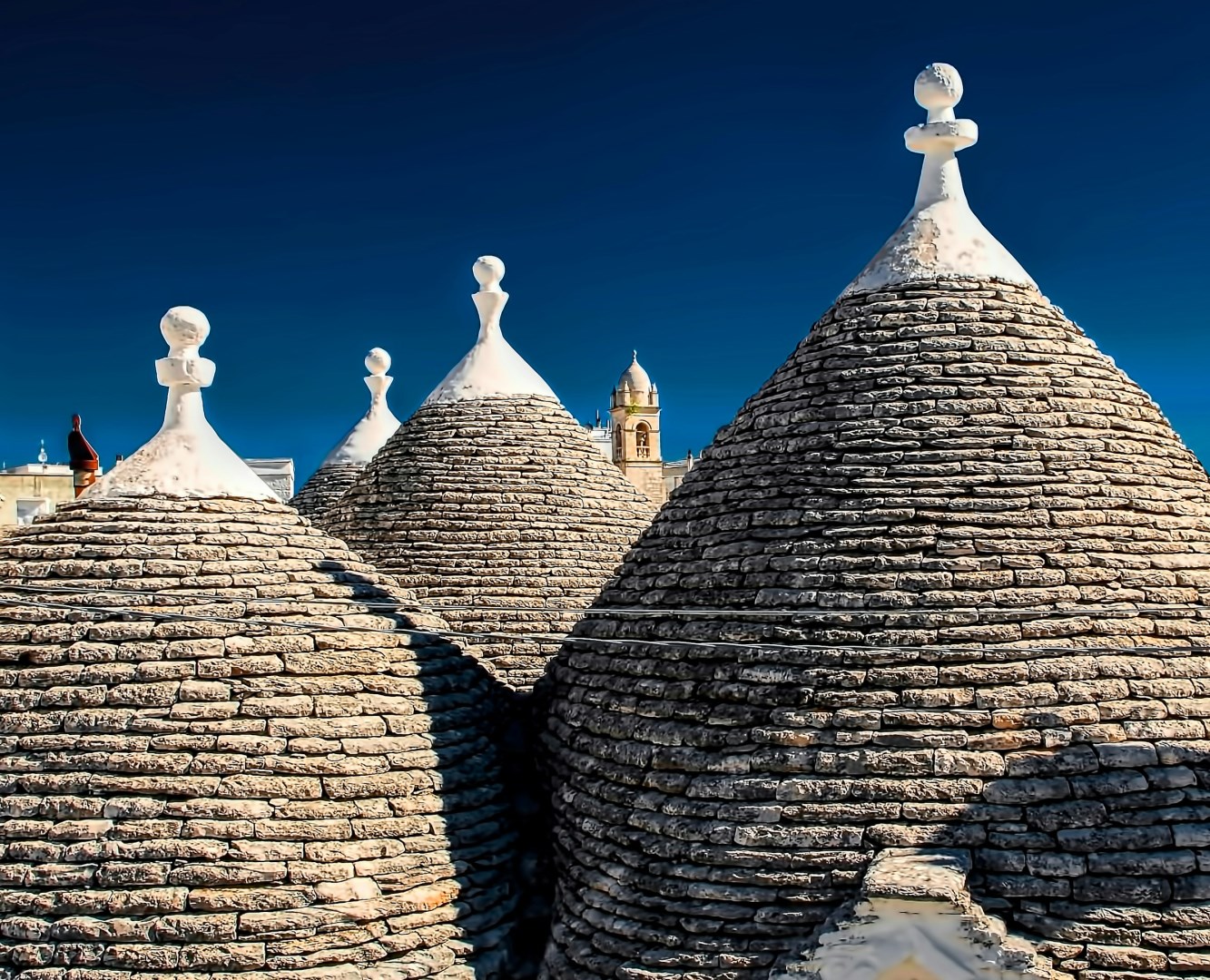
Alberobello
Alberobello in southern Italy’s Puglia region captures the imagination with its distinctive trulli houses. These structures were built using a dry-stone technique passed down over centuries, without mortar or cement, and their unique form comes from layer upon layer of limestone nestled from nearby fields. Alberobello’s trulli are so remarkable that in 1996 the historic center was inscribed as a UNESCO World Heritage Site, where more than 1,600 of these buildings still stand.
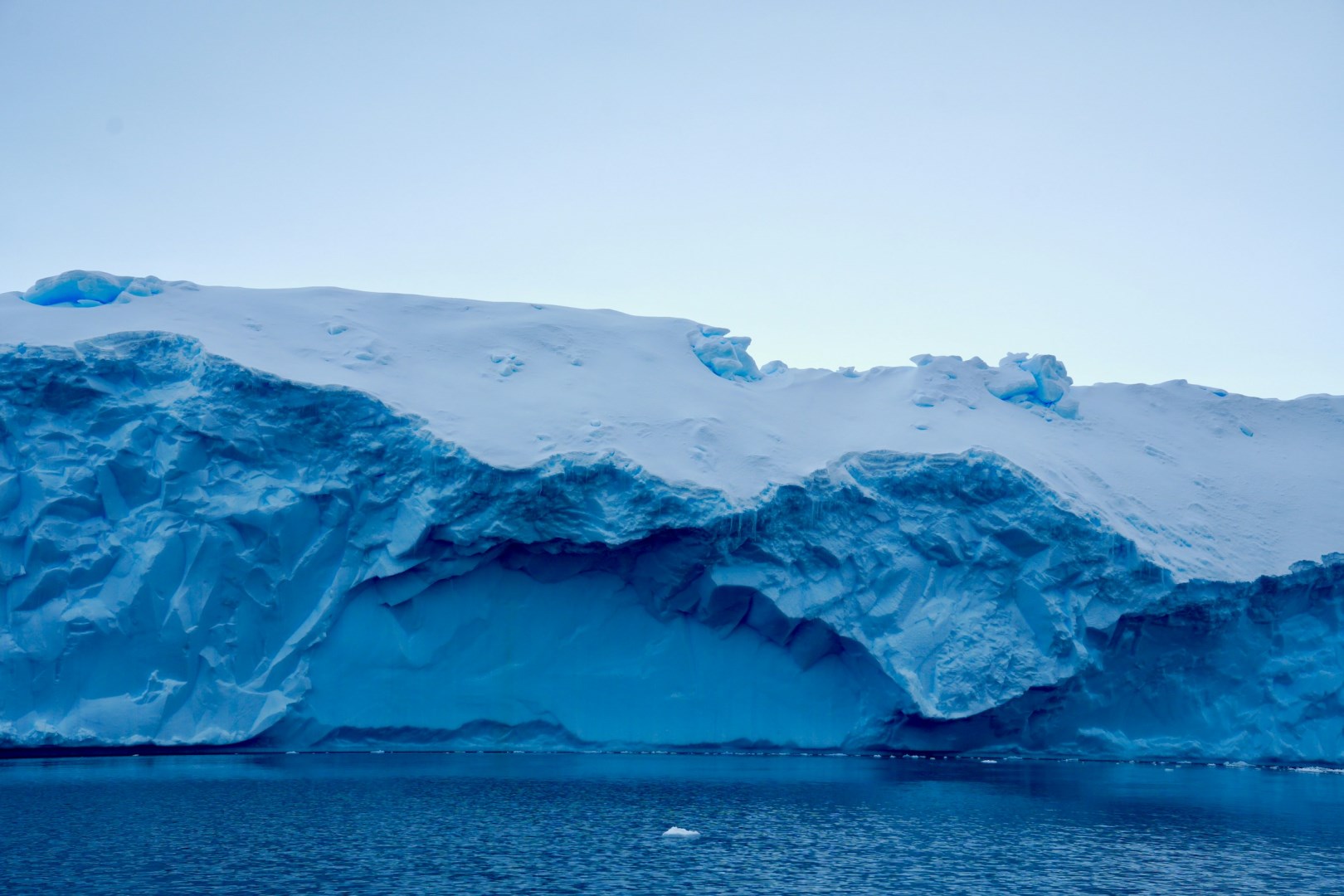
Neko Harbour
Neko Harbour is a small coastal landing site on the Antarctic Peninsula, set within Andvord Bay and framed by steep mountains and advancing glaciers. Its defining feature is the close relationship between land, sea ice, and moving glacier fronts. Visitors typically reach the shore by expedition boat, making a continental landing on a cobble beach before exploring the surrounding slopes under guidance. The harbor offers a direct view of Antarctica’s active glacial landscape, where conditions can