Riomaggiore
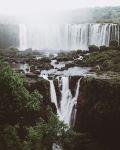
Riomaggiore, a charming village in Italy's famed Cinque Terre, is a gem of the Ligurian coast. With its colorful houses cascading down steep cliffs towards the azure Mediterranean, this picturesque town offers a postcard-perfect escape. Founded in the 13th century, Riomaggiore is rich in history, with medieval churches like the Church of San Giovanni Battista, built in 1340, reflecting its ancient past.
Ronda
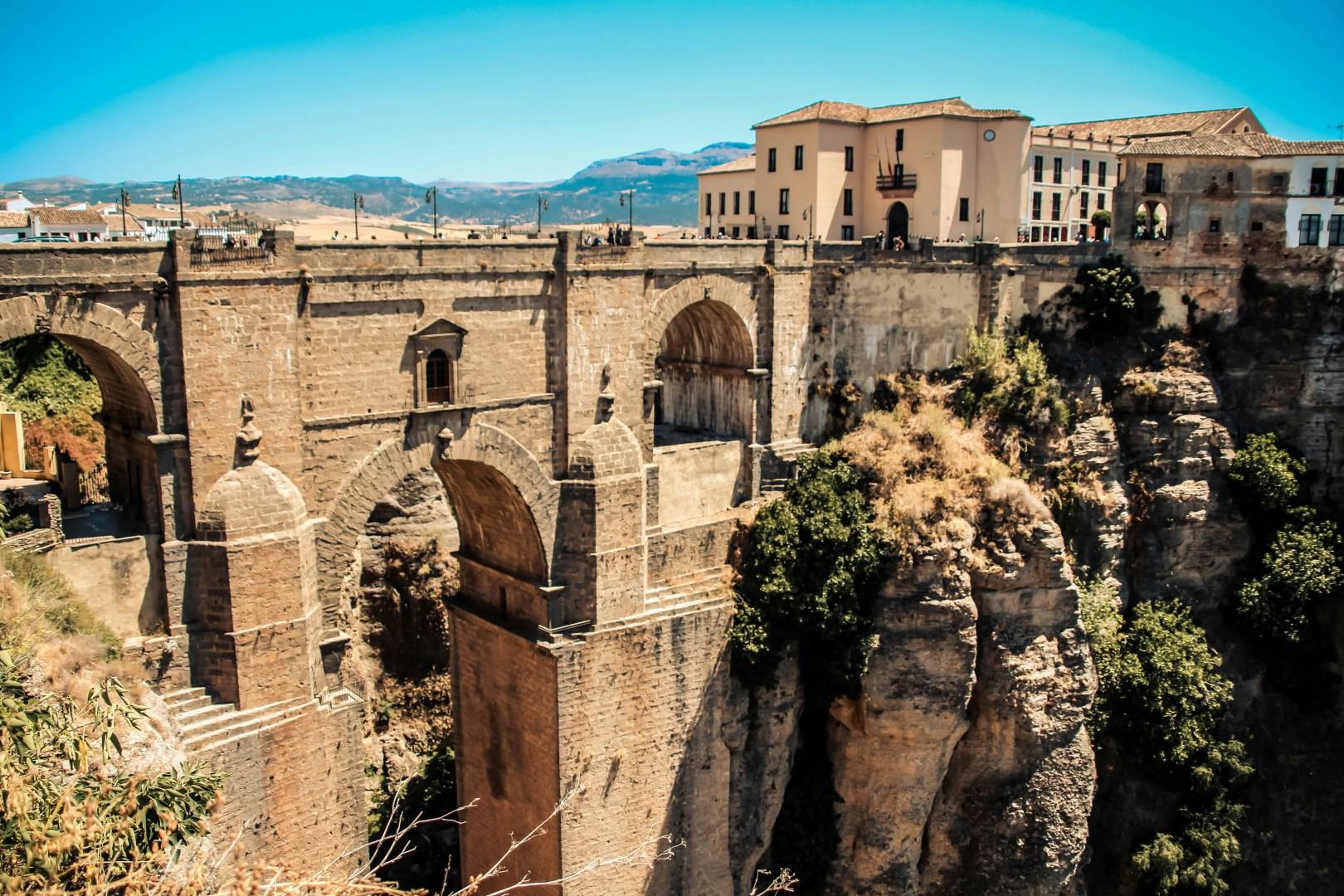
Ronda, perched high above the El Tajo gorge in southern Spain’s Málaga province, offers one of the most dramatic landscapes in Andalusia. The city is split in two by a 120-meter-deep canyon carved by the Guadalevín River, and connected by the iconic Puente Nuevo, an 18th-century stone bridge that took over 40 years to complete. Visitors crossing the bridge can stop at the viewpoint built into the stone itself, once used as a prison.
Gaspe
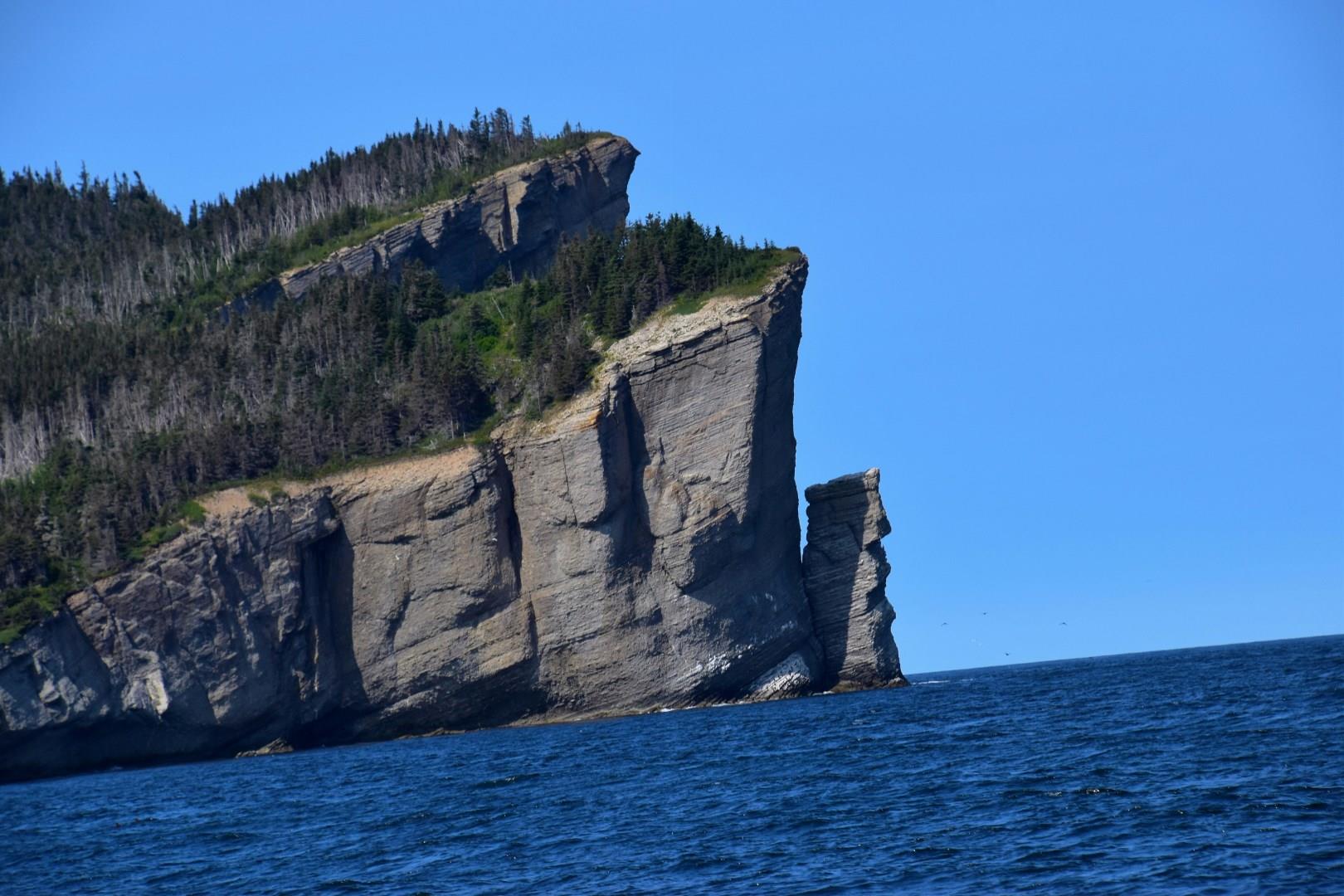
Gaspé sits at the eastern tip of the Gaspé Peninsula in Québec, where the St. Lawrence River opens into the Gulf and the land feels distinctly maritime.
Bradford
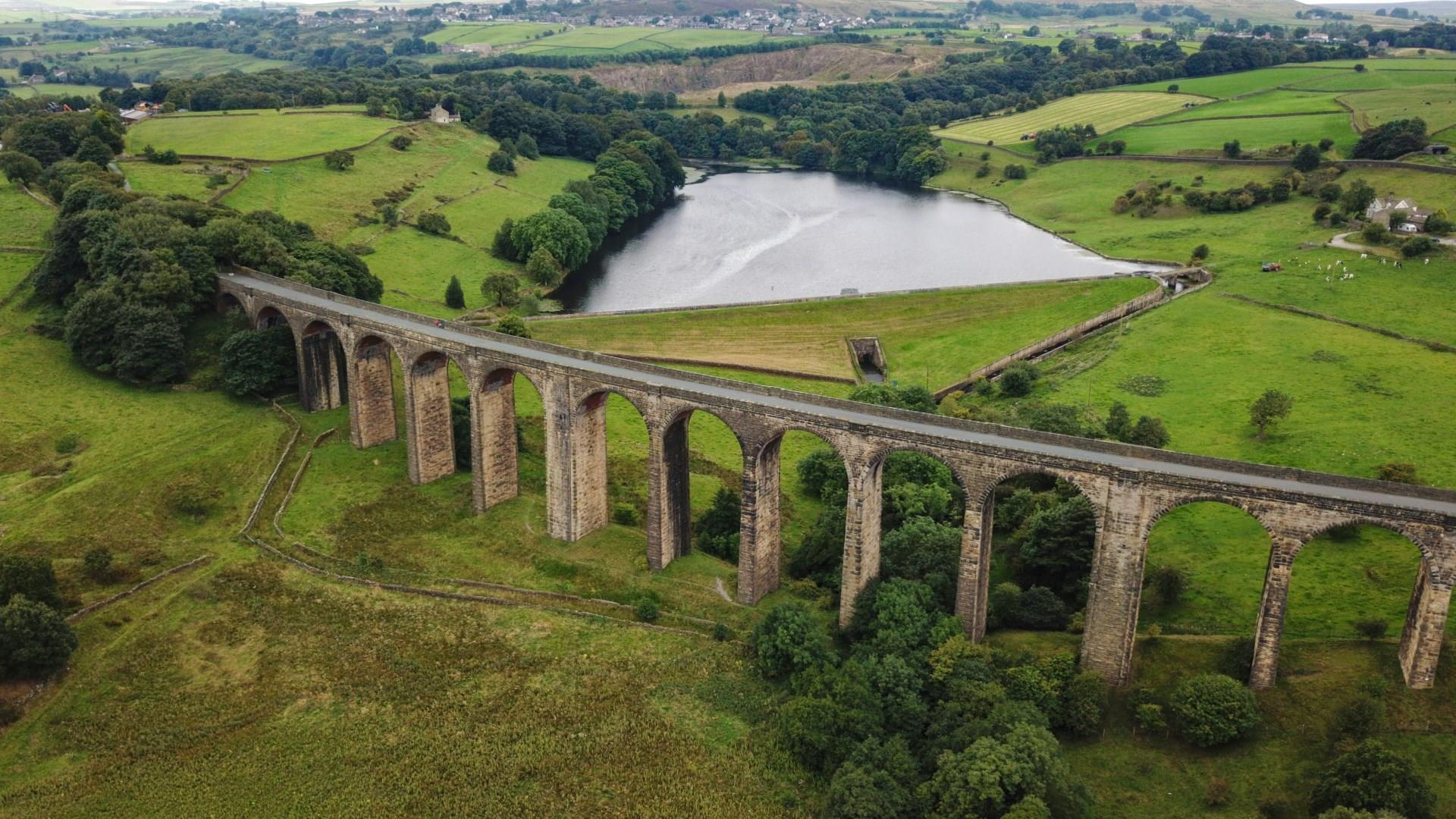
Bradford, set against the backdrop of the South Pennines in West Yorkshire, is a city built on textiles, innovation, and resilience. As the world’s first UNESCO City of Film, Bradford blends cinema history with modern creativity. The National Science and Media Museum sits in the heart of the city, offering hands-on exhibits about photography, television, gaming, and animation. It’s also home to one of the UK's only IMAX cinemas.
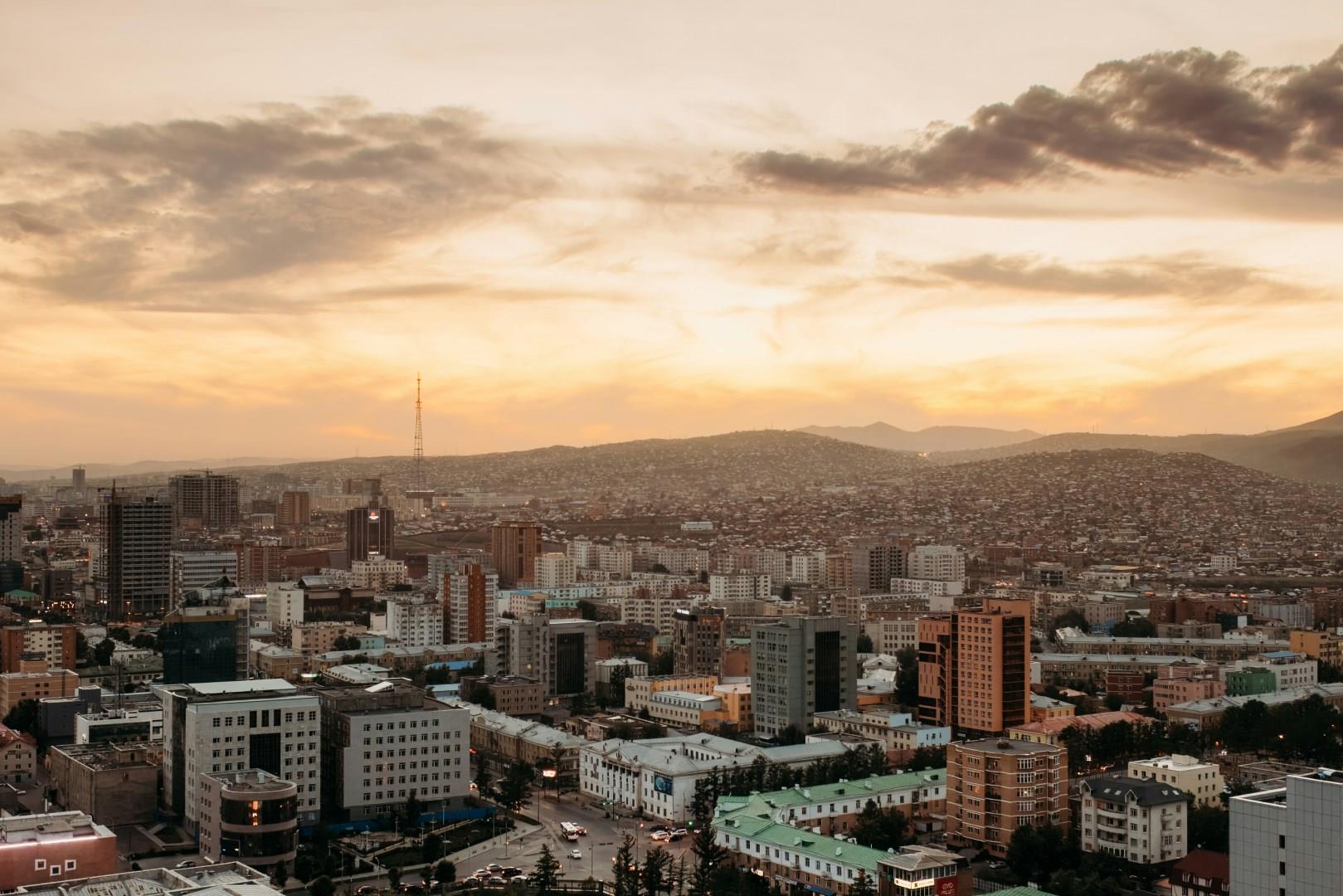
Ulaanbaatar
Ulaanbaatar, the capital of Mongolia, is a city where tradition and modern life intertwine. Nestled in a valley surrounded by mountains, it serves as the country’s cultural, political, and economic hub. The city’s skyline features a mix of Soviet-era architecture, Buddhist monasteries, and contemporary high-rises.