Taupō, located in the heart of New Zealand’s North Island, is built along the shores of Lake Taupō, which is the largest freshwater lake in Australasia, formed nearly two thousand years ago by a massive volcanic eruption. That eruption was so powerful, it was recorded in ancient Chinese and Roman texts, even though it occurred halfway across the world. Today, the lake is calm, clear, and central to life in the region, offering everything from trout fishing to kayaking and lakeside cycling.
A resort city popular with locals and tourists alike, Balneário Camboriú entices visitors with beautiful beaches, renowned dance clubs and looming skyscrapers. With a vibrant nightlife, modern restaurants, and even the Cristo de la Luz statue overlooking the city, it's often compared to Rio de Janeiro. Its main claim to fame, though, is the city's status as the "capital of electronic music," according to Forbes. Combined with its e-music scene and a unique cable car connecting two of the most po
Paramaribo, Suriname’s capital, unfolds like a living storybook along the Suriname River, where wooden structures from the 17th and 18th centuries still stand today. This historic heart reveals a rare fusion of Dutch design and local craftsmanship. Visitors can stroll the Waterkant, a riverside avenue, and take in landmarks such as Fort Zeelandia, the neoclassical Reformed Church, and the lofty wooden Cathedral of St. Peter and Paul.
Thoddoo is a local island in the North Ari Atoll of the Maldives, distinguished by its unusually strong agricultural tradition. While coral reefs, beaches, and lagoons surround the island, much of its interior is covered by productive farmland, with watermelon, papaya, eggplant, chili, drumstick, breadfruit, and other crops cultivated for local consumption and markets. The island’s broad green interior sets it apart from many smaller Maldivian islands where available land is more limited.
Tomar sits on the Nabão River in central Portugal as a place where medieval history and everyday life meet in welcoming streets and grand monuments. Just outside the convent walls lies the Pegões Aqueduct, an impressive feat of engineering more than 6 kilometers long that once carried water from distant springs to the hilltop site. Some sections of its arches rise more than 30 meters above the valley floor, making it a striking backdrop for photos.
Iguassu Falls, straddling the border between Brazil and Argentina, is a breathtaking natural wonder that captivates visitors with its sheer scale and beauty. This UNESCO World Heritage Site boasts the largest waterfall system in the world, with nearly 275 individual falls cascading over a rugged landscape. The Brazilian side of the falls offers stunning panoramic views, where visitors can marvel at the thundering torrents and the vibrant rainbows that often form in the mist.
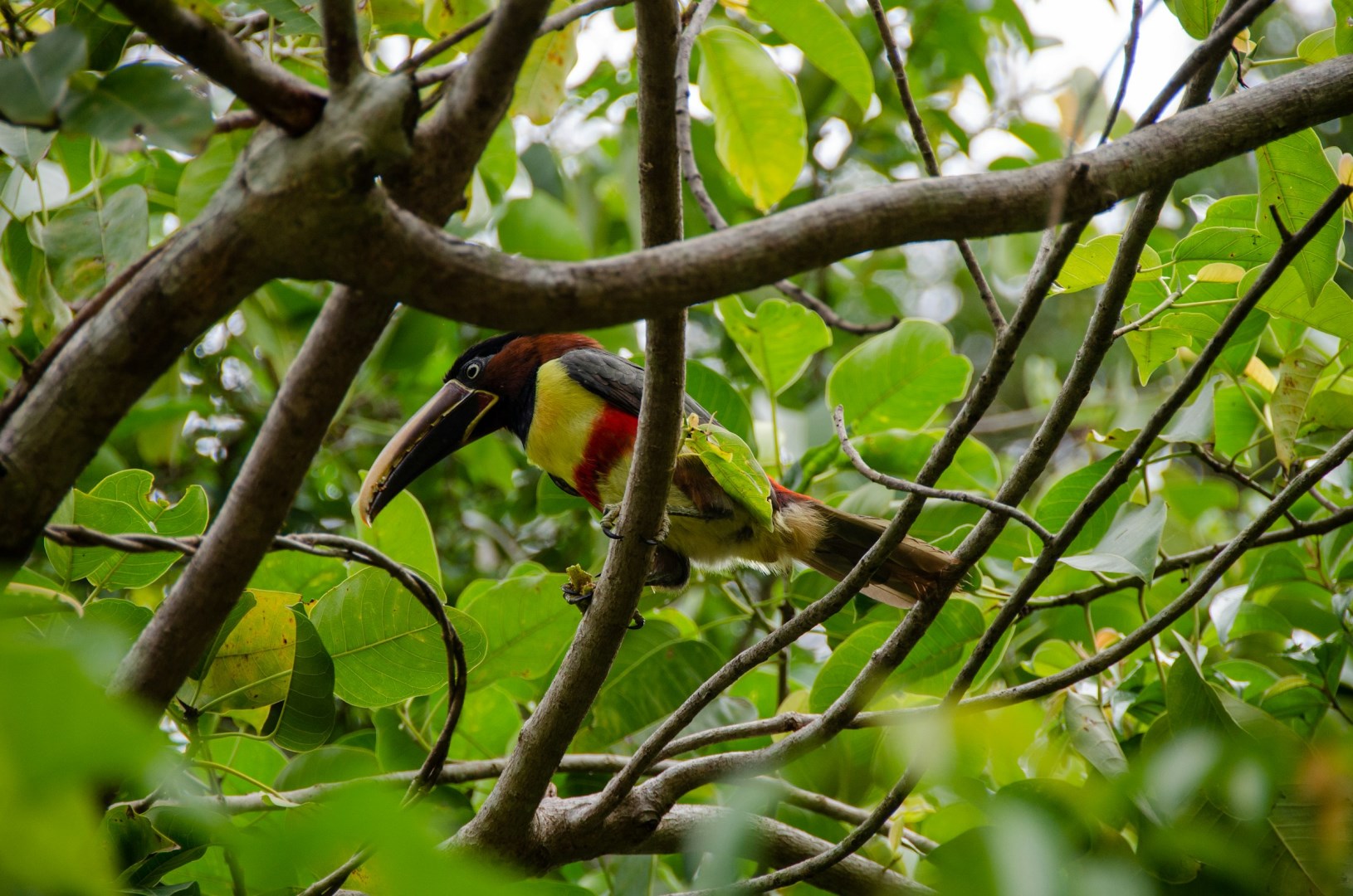
The Iguassu National Park, which encompasses the falls, is a lush haven of biodiversity. Here, travelers can embark on a series of thrilling activities, including boat rides that take you close to the base of the falls, where you’ll feel the raw power of the water as it crashes down. For a more serene experience, the park's extensive network of trails provides opportunities for observing diverse wildlife, including toucans, jaguars, and capuchin monkeys.
A visit to the falls also offers a unique chance to explore the Argentinian side, where the Garganta del Diablo (Devil's Throat) viewpoint provides an unparalleled perspective of the falls' most dramatic and powerful section. The extensive network of walkways on this side allows visitors to get up close to the thundering cascades, enhancing the sensory experience.
A fun fact about Iguassu Falls is that the local name "Iguassu" means "big water" in the Tupi-Guarani language, reflecting the grandeur of this natural wonder. The falls were also featured in the 2016 film The Jungle Book as a backdrop for the cinematic adventures of Mowgli. Whether you’re an adventure seeker or a nature enthusiast, Iguassu Falls offers an awe-inspiring experience that truly embodies the splendor of South America's natural heritage.
Other Popular Destinations in Brazil
Amazon Rainforest
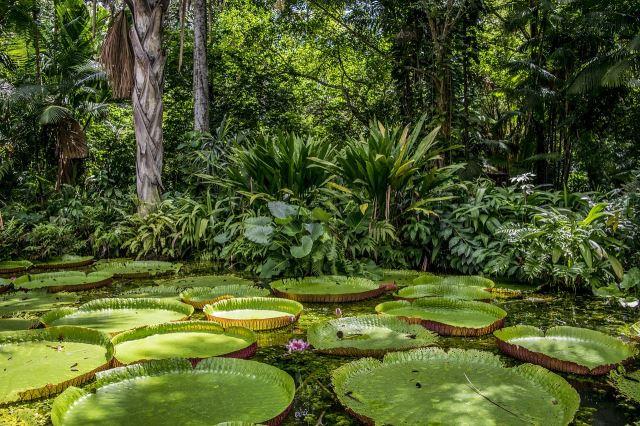
Exploring the Amazon Jungle in Brazil is like venturing into the heart of a living, breathing world. The Amazon Rainforest, often referred to as the "lungs of the Earth," is a lush, sprawling expanse that teems with extraordinary biodiversity.
Rio de Janeiro
Exhilarating Rio de Janeiro, the vibrant South American destination and cultural capital, abounds with iconic landmarks, beaches, and attractions. Christ the Redeemer, the hundred-foot mosaic statue atop Corcovado Mountain, overlooks the glittering coastline and is instantly recognizable, having become an enduring symbol of the city itself. Its arms stretching wide, the prominent figure beckons you to explore this inviting locale.