St. Vincent & the Grenadines
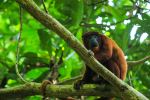
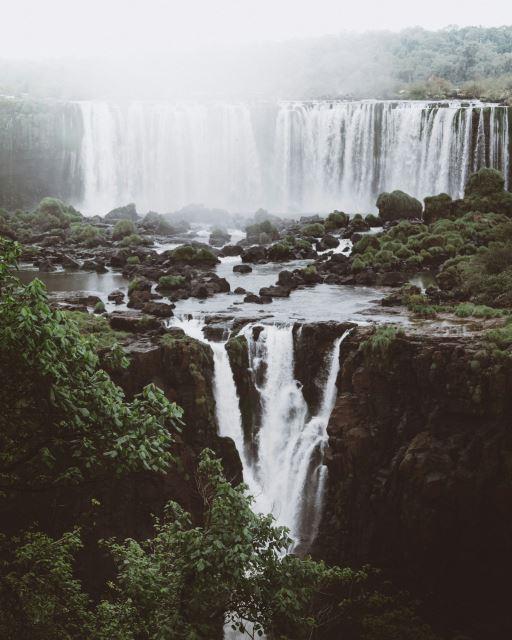
St. Vincent & the Grenadines is a Caribbean nation that feels both adventurous and serene, a chain of lush islands and tiny cays scattered across turquoise waters. The main island of St. Vincent is dominated by volcanic landscapes, including the active La Soufrière volcano, whose slopes are covered in rainforest and dotted with waterfalls.

Lake Buena Vista
Lake Buena Vista, Florida, is the gateway to magic and adventure, nestled in the heart of the Sunshine State. Known primarily as the home of the Walt Disney World Resort, this vibrant city offers a wealth of experiences for visitors of all ages. From the enchanting Cinderella Castle in Magic Kingdom to the futuristic rides of EPCOT, Lake Buena Vista promises a world of wonder.

Central Asia
South Central Asia offers travelers a journey through vivid contrasts, where centuries-old temples stand beside bustling modern cities, and tea-covered hills roll into dense tropical forests. In India, visitors can witness the grandeur of Mughal architecture at the Taj Mahal, then find serenity at the ghats of Varanasi, where rituals have continued for thousands of years.
Akita
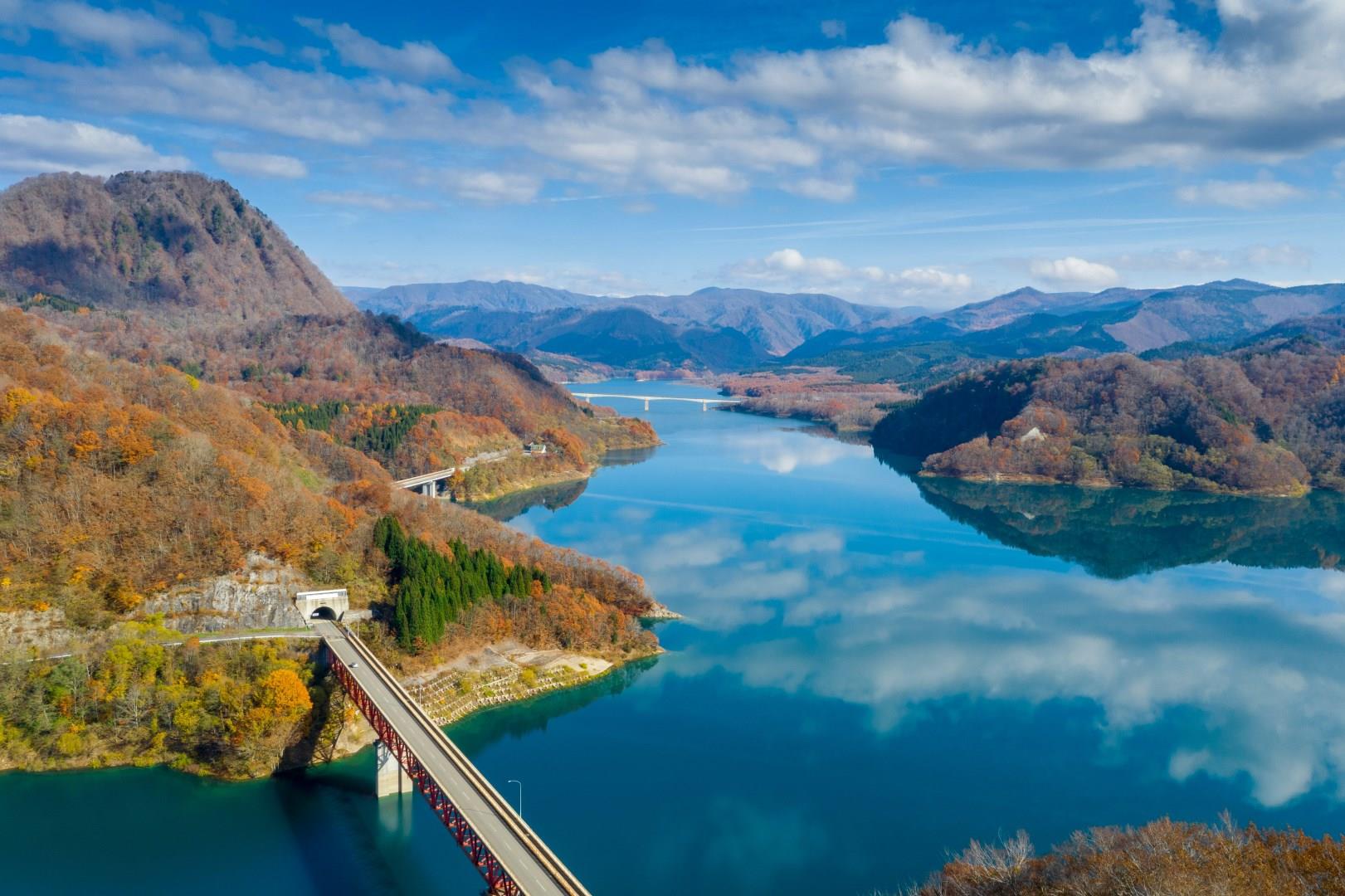
Akita sits in the northern part of Japan’s Tōhoku region and offers travelers experiences rooted in long-held traditions, lively festivals, and scenic valleys. Its capital city blends seasonal appeal with cultural offerings, from Senshu Park, once the site of Kubota Castle, where cherry blossoms and lotuses draw locals and visitors alike, to the Akita Museum of Art, a striking building designed by famed architect Tadao Ando that displays works including pieces by Tsuguharu Foujita.
Lelepa
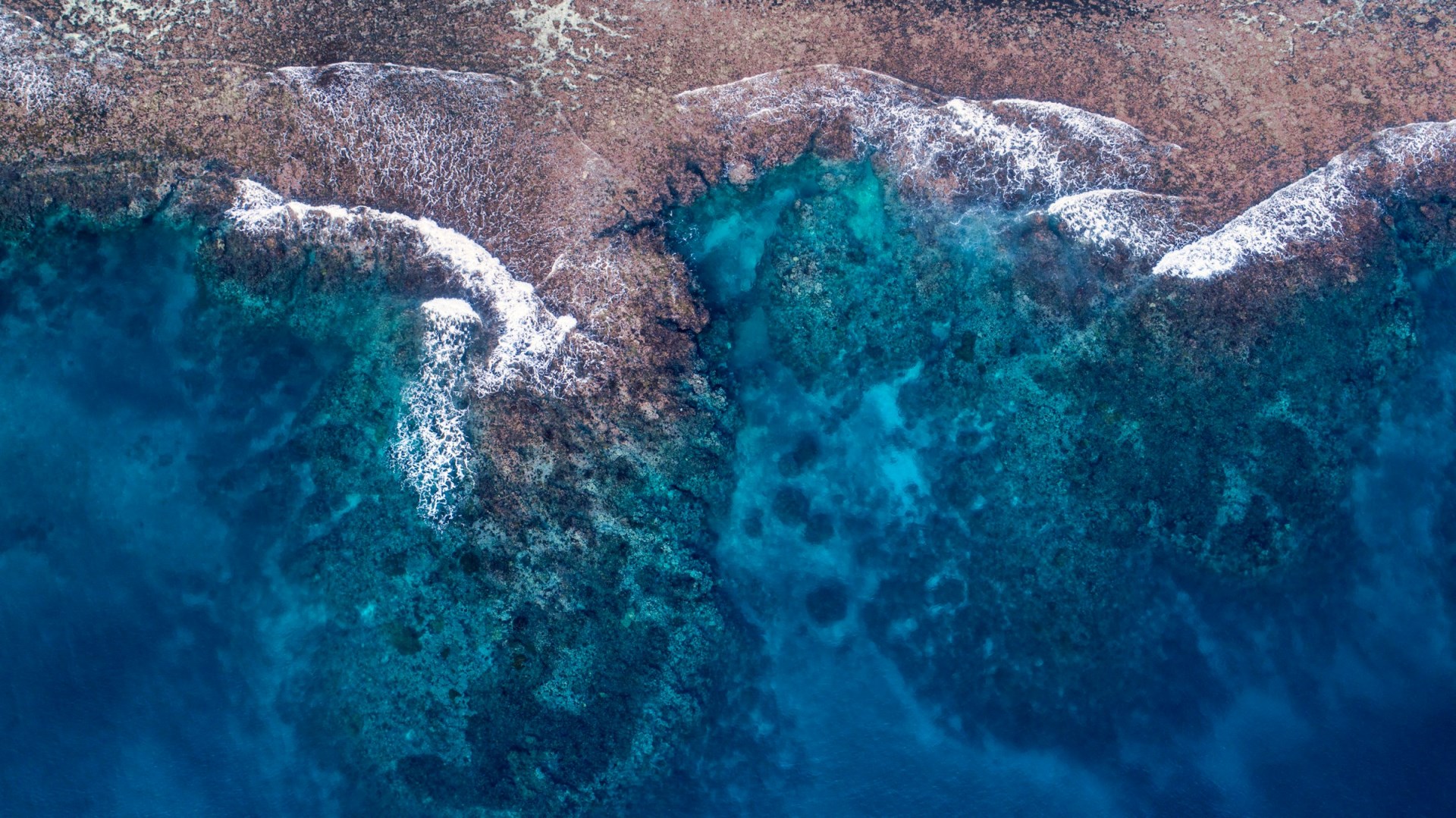
Lelepa is a small island in Shefa Province, Vanuatu, lying just off the northwest coast of Efate. The island is part of the Port Vila area and is separated from Efate by a narrow channel, with its western shoreline facing the open waters of the Havannah Harbour region.