

Yangon
Yangon, Myanmar’s largest city, blends colonial heritage, cultural diversity, and spiritual landmarks. Once the country’s capital, it remains the economic and cultural hub, with lively markets, tree-lined avenues, and historic buildings that reflect its layered past under British, Burmese, and regional influences.
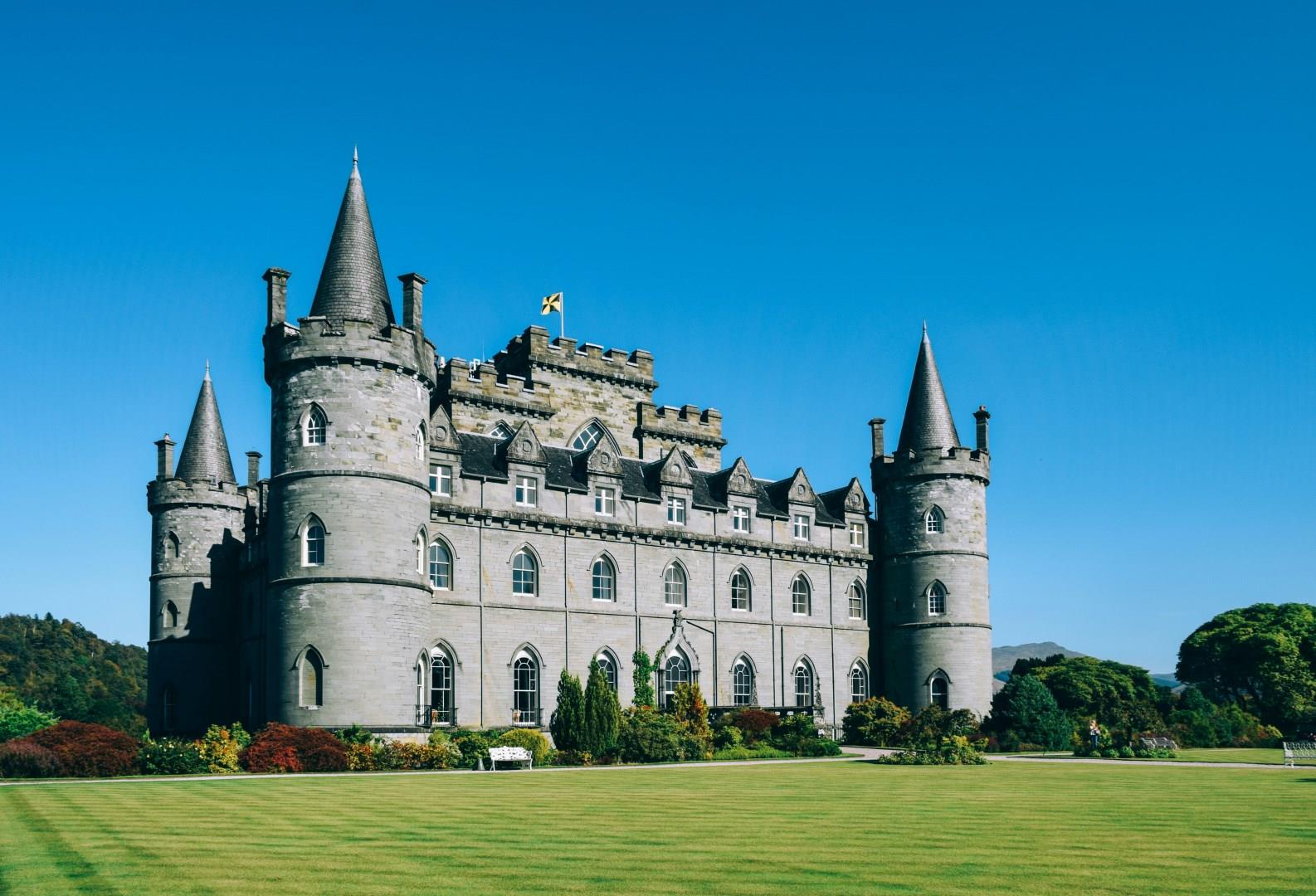
Inveraray
Inveraray, a small town on the western shore of Loch Fyne in Argyll and Bute, Scotland, offers visitors a glimpse into 18th-century planning and Highland heritage. Built largely in the mid-1700s under the direction of the 3rd Duke of Argyll, the town features Georgian architecture, wide streets, and an unusual level of symmetry for a rural Scottish settlement. The main street, lined with whitewashed buildings, leads down to the loch’s edge, where fishing boats and leisure vessels come and go.

Mayreau
No airport, a single unnamed village, clear waters and white-sand beaches make Mayreau a quiet, rustic getaway.

United Arab Emirates
The United Arab Emirates rolls history and invention into a seamless experience. In Abu Dhabi, the Sheikh Zayed Grand Mosque stands out with its reflective pools, marble columns inlaid with floral patterns, and the world’s largest hand-knotted carpet beneath domes that glow by night. On Saadiyat Island, the Louvre Abu Dhabi shelters art that spans civilizations, all beneath a dome designed to scatter sunlight like palm fronds.
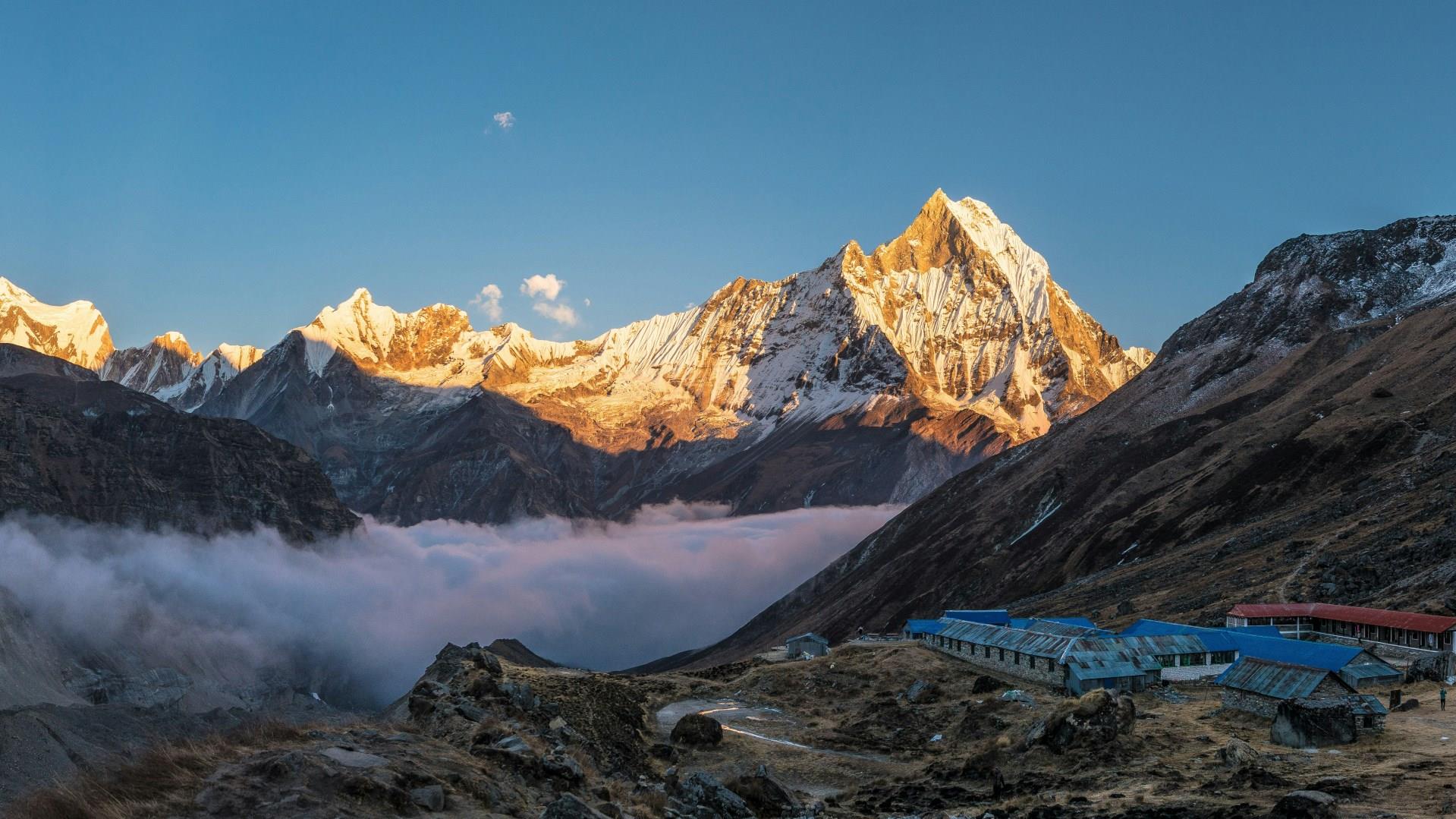
Annapurna
The Annapurna region of central Nepal is defined by both cultural depth and extreme topography. Home to a wide range of ethnic communities, including Gurung, Thakali, and Manangi peoples, the area has long been shaped by trans-Himalayan trade routes and mountain agriculture.


