Bali, an island province of Indonesia, has been shaped by centuries of Hindu influence, volcanic activity, and a deep connection between daily life and ritual. The island’s temples are a major part of its landscape as more than 20,000 exist across Bali. One of the most visited is Uluwatu Temple, perched dramatically on a cliff 70 meters above the Indian Ocean.
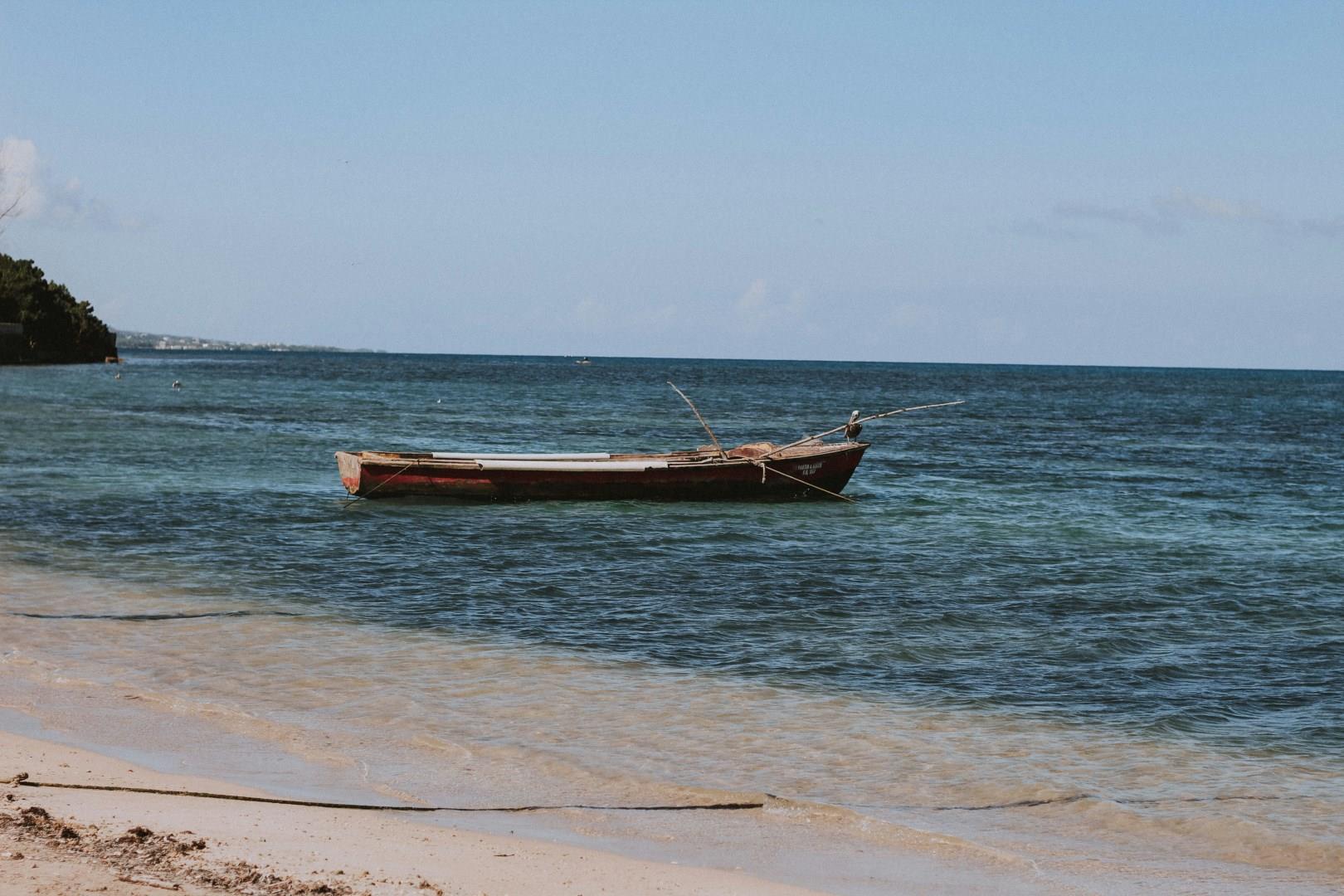
Falmouth, a charming port town on Jamaica’s north coast, offers a delightful mix of history, culture, and natural beauty. Founded in the 18th century, Falmouth is renowned for its well-preserved Georgian architecture, a testament to its once-thriving sugar trade.
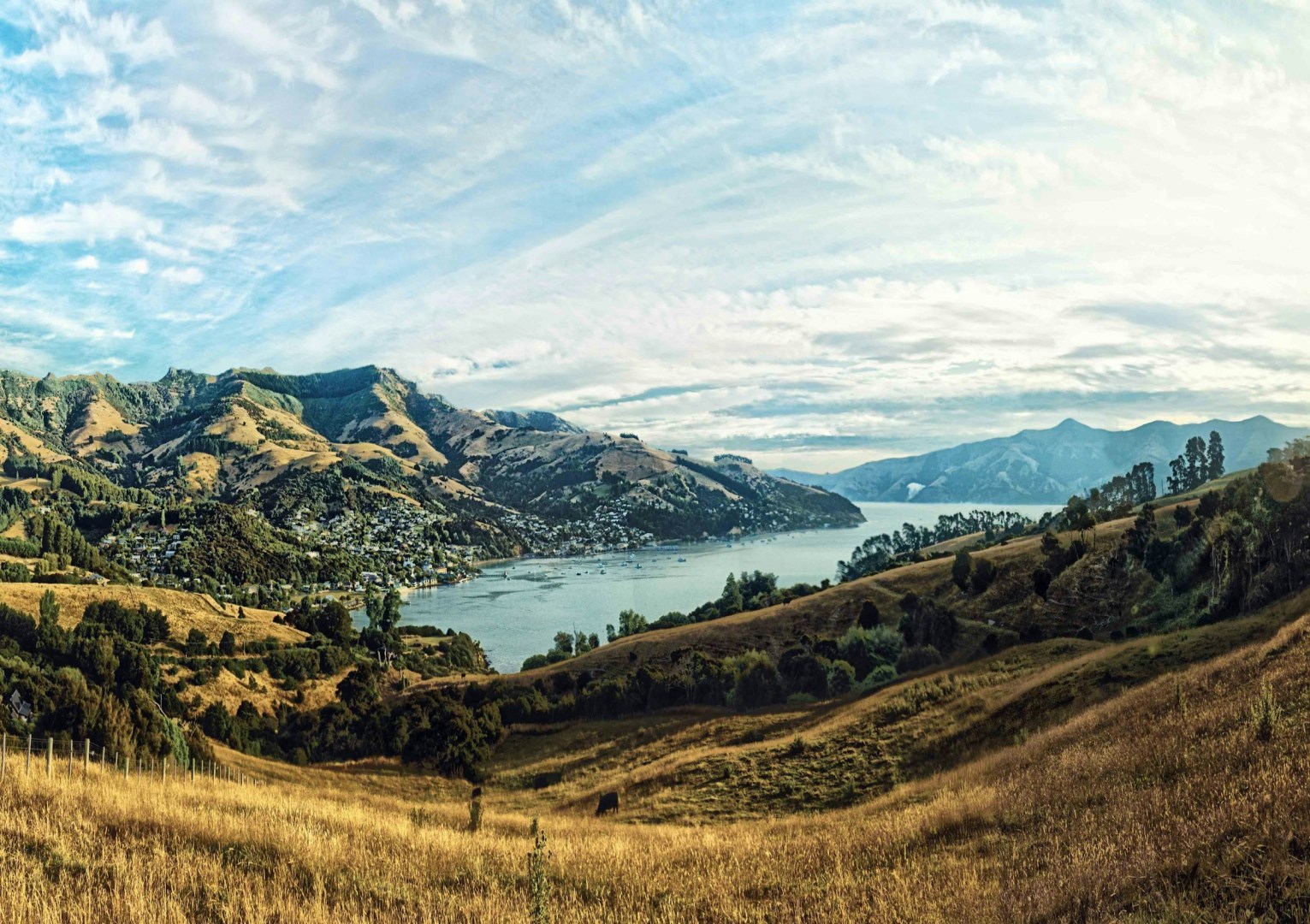
Akaroa is a small seaside settlement on Banks Peninsula in Canterbury, built around a sheltered harbour formed within an ancient volcanic landscape. Its streets contain French-inspired names, colonial buildings, cafés, and cottages, giving the town a distinctive character within New Zealand. The surrounding peninsula is shaped by steep volcanic hills, sheltered bays, farmland, and winding coastal roads.
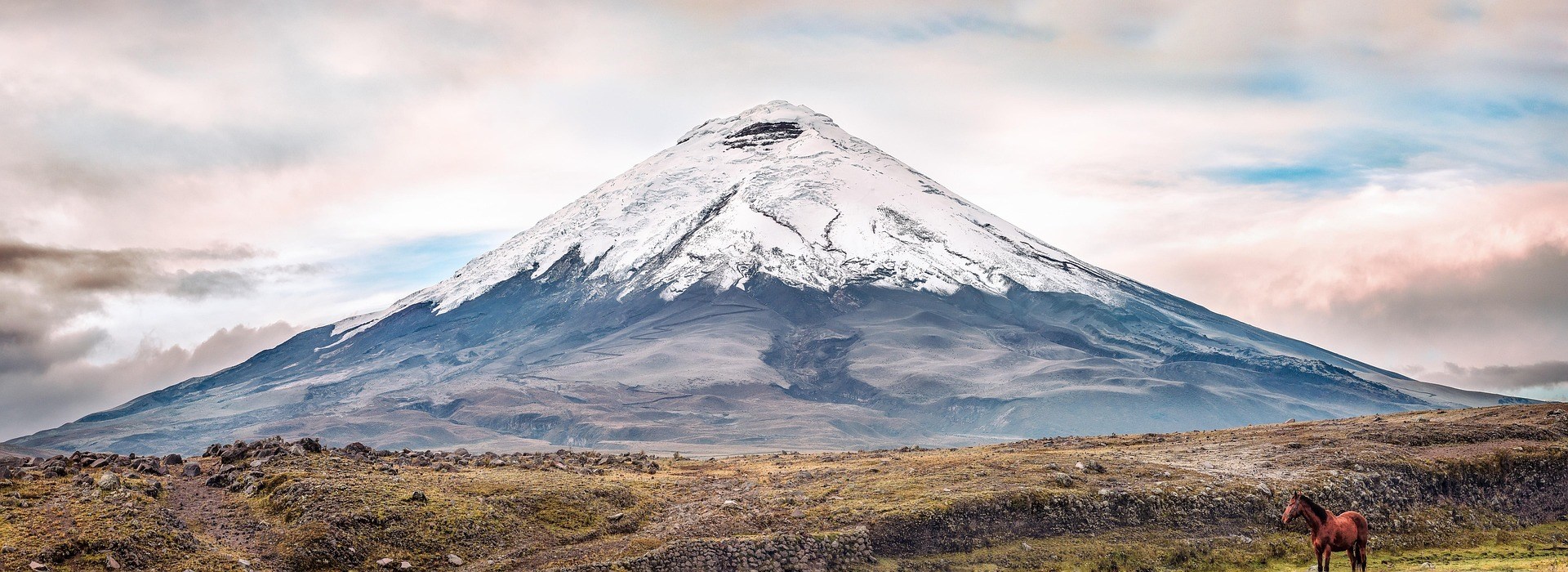
Cotopaxi National Park is a protected Andean landscape in Ecuador, located around the snow-capped Cotopaxi volcano and extending across the provinces of Cotopaxi, Pichincha, and Napo. Its high-altitude terrain includes volcanic plains, grasslands, wetlands, and rugged mountain slopes. Cotopaxi, one of the world's highest active volcanoes, dominates the park and rises above the surrounding páramo.
Farther from a continental landfall than any other group of islands on earth, the twelve Marquesas jut out of the open Pacific just south of the equator, shrouded in a constant cloud cover.
Photo Credit: Photo by Kimberly Roldan on Unsplash
Photo Credit: Photo by Armand Mckenzie on Unsplash
Photo Credit: Photo by Rafael Peier on Unsplash
Photo Credit: Photo by Armand Mckenzie on Unsplash
Photo Credit: Photo by Rafael Peier on Unsplash
Photo Credit: Photo by Stephanie Morcinek on Unsplash
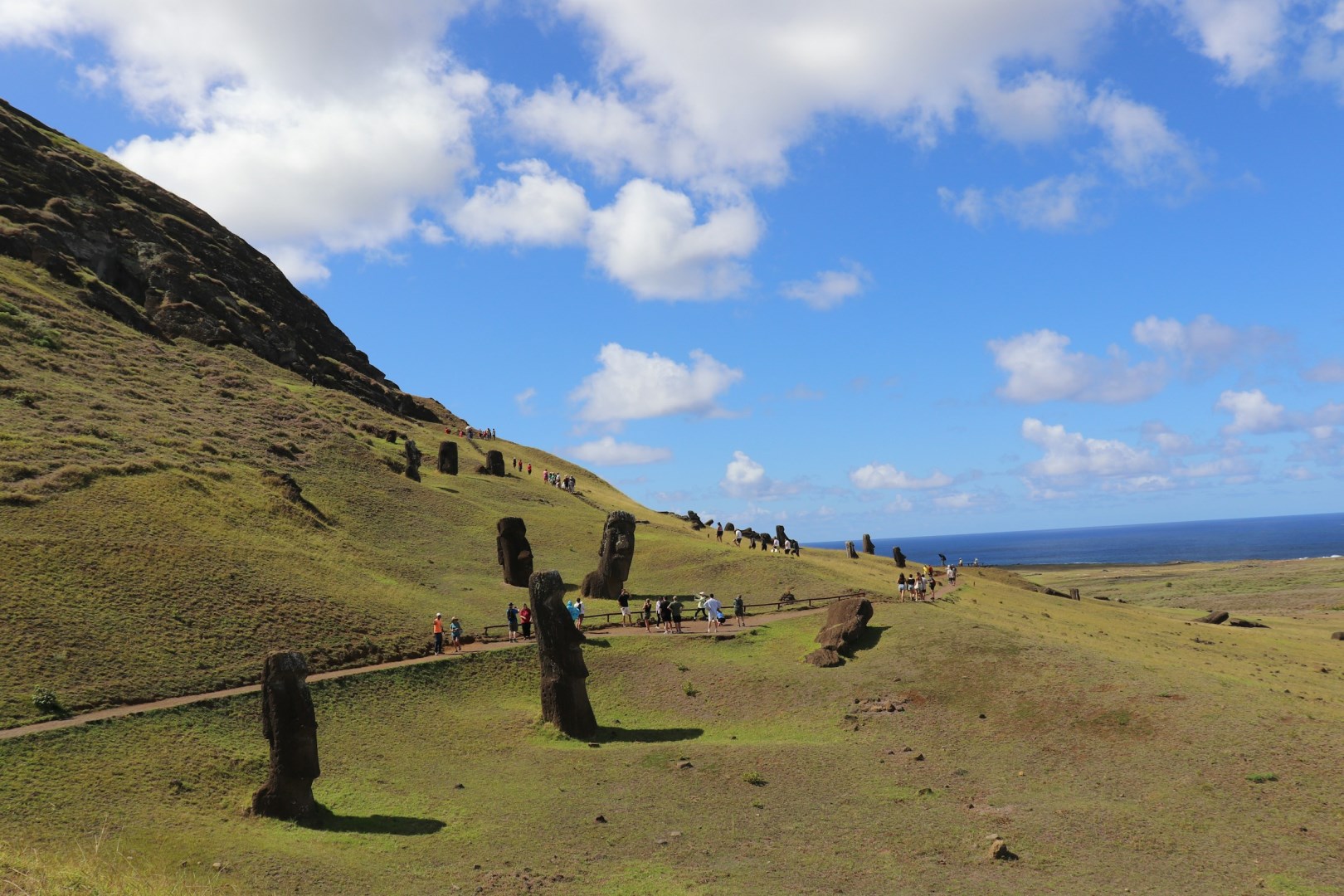
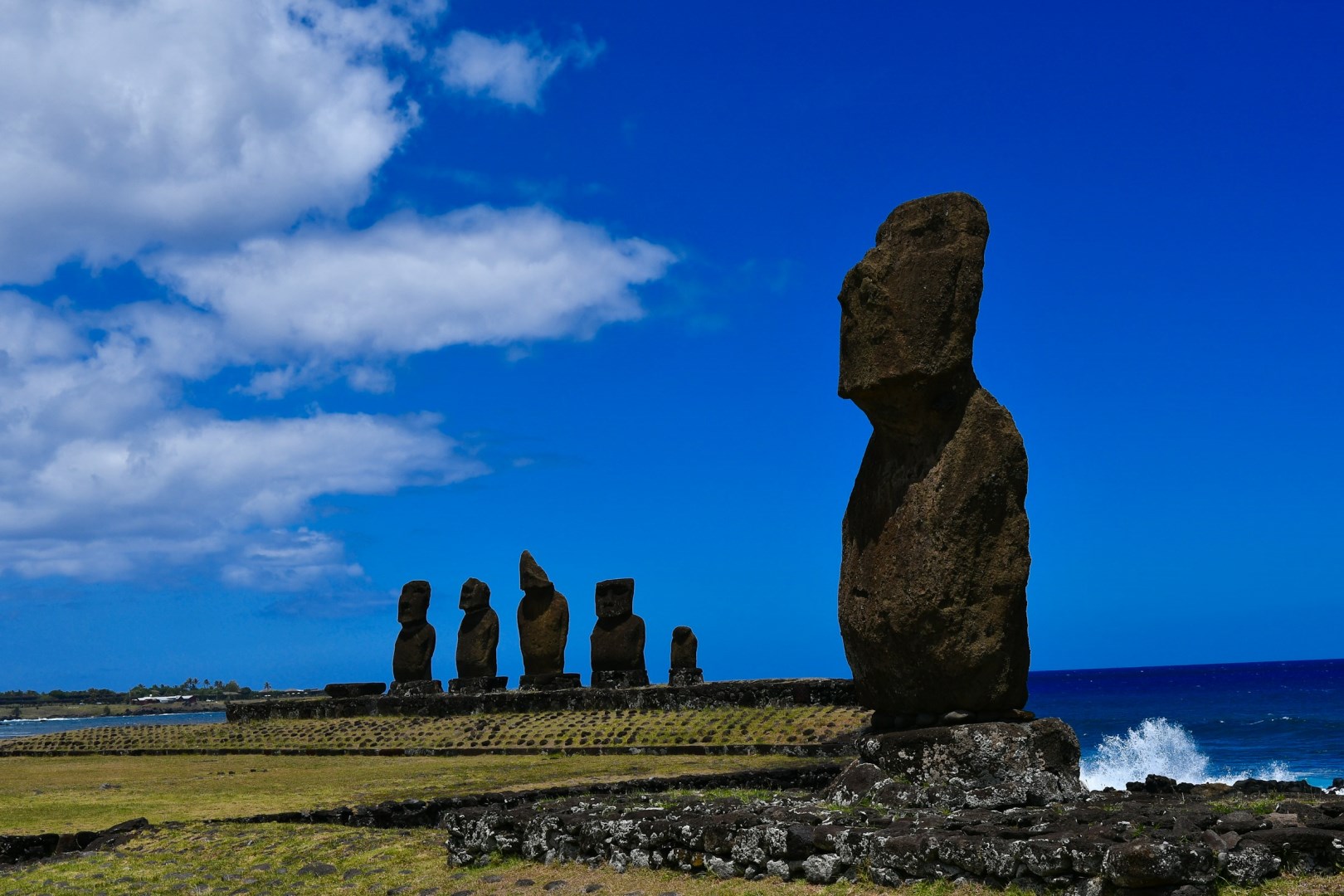
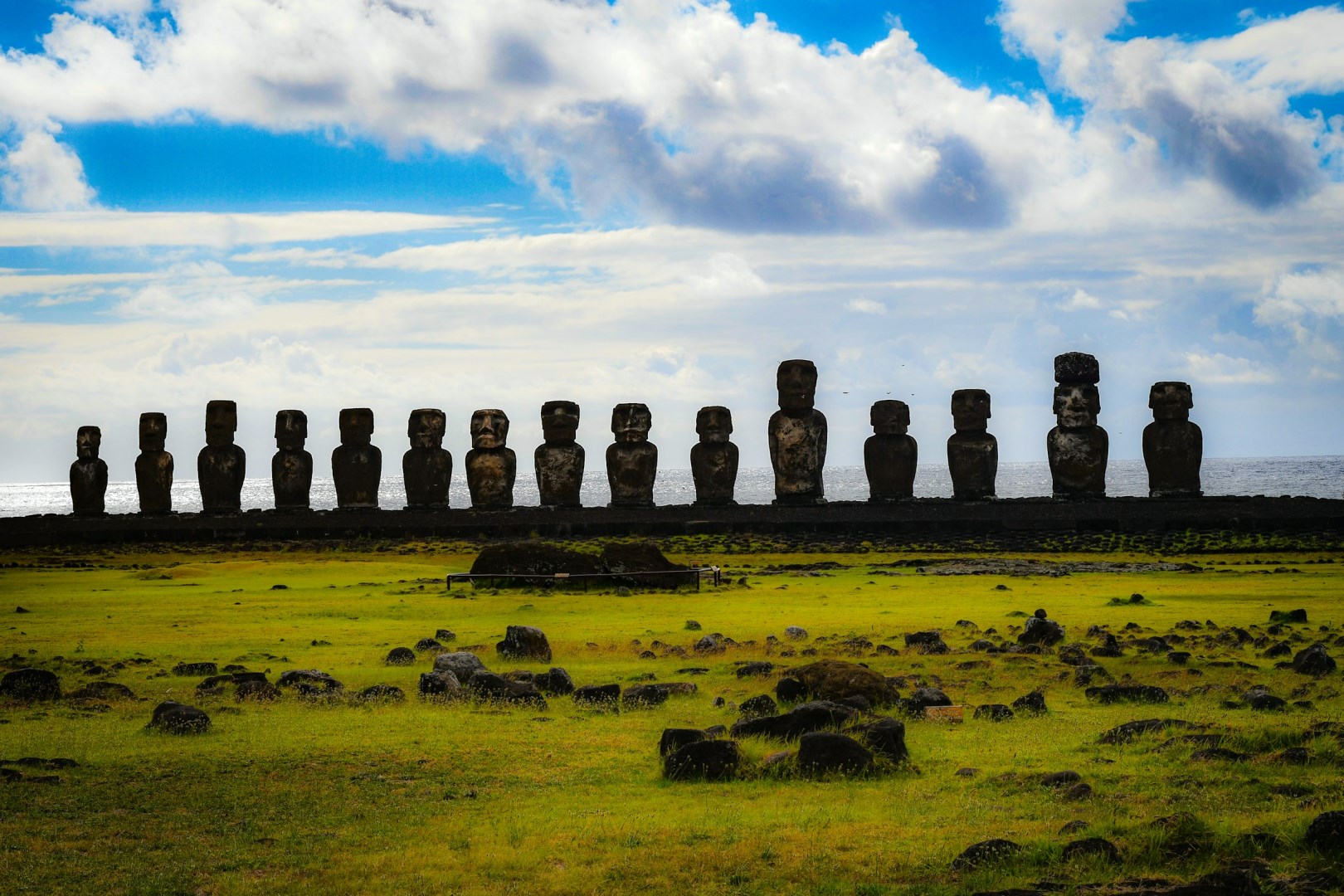
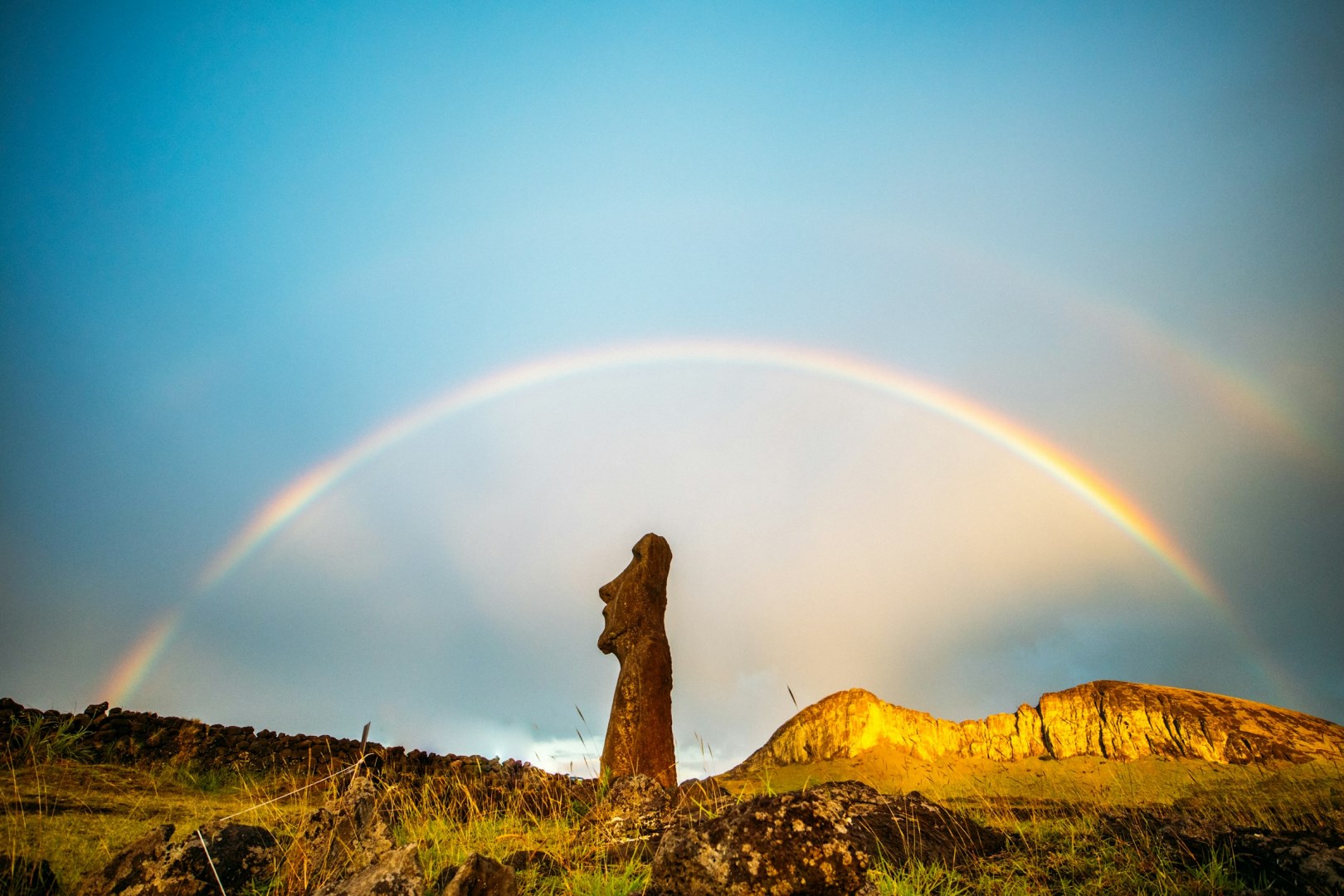
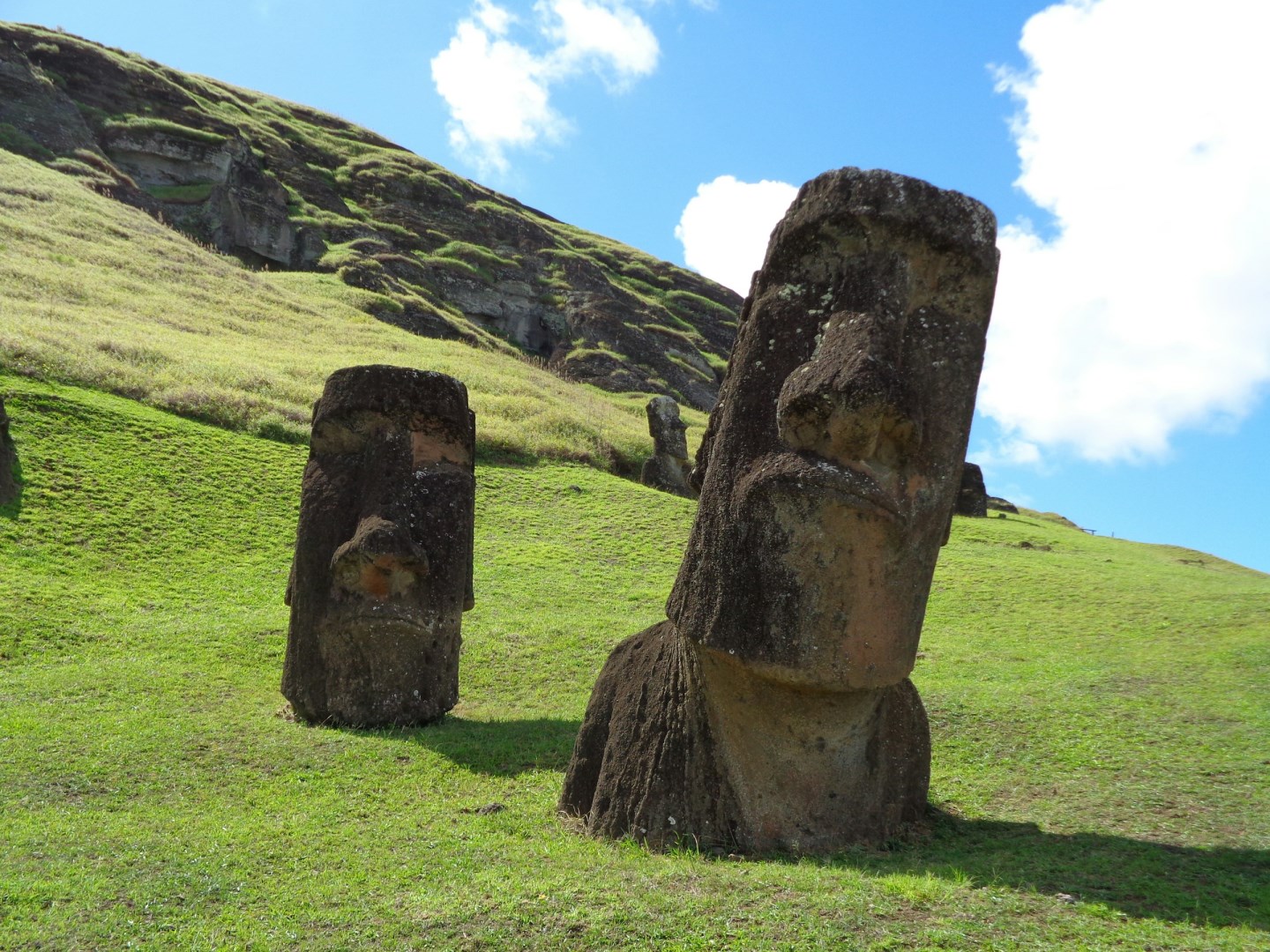
Easter Island, or Rapa Nui, is a remote gem in the southeastern Pacific Ocean that promises an extraordinary journey into the mysteries of Polynesian culture and history. Famous for its monumental stone statues known as moai, Easter Island captivates visitors with its enigmatic past. These colossal statues, crafted between 1400 and 1650 AD, are scattered across the island and are a testament to the islanders' sophisticated artistry and social organization. The moai can be explored at various archaeological sites, such as Rano Raraku, the quarry where these statues were carved, and Ahu Tongariki, which boasts the island’s largest moai platform with 15 statues.
The island’s rich cultural heritage is also on display at the Rapa Nui National Park, a UNESCO World Heritage Site that encompasses most of the island’s archaeological treasures. Visitors can delve into the island's history at the Museo Antropológico Sebastián Englert, which houses artifacts and exhibits on the island's unique Polynesian culture and the history of the moai statues. The island’s traditional dance and music performances offer an immersive experience into the local customs and traditions, with vibrant, rhythmic performances that bring the island’s cultural tapestry to life.
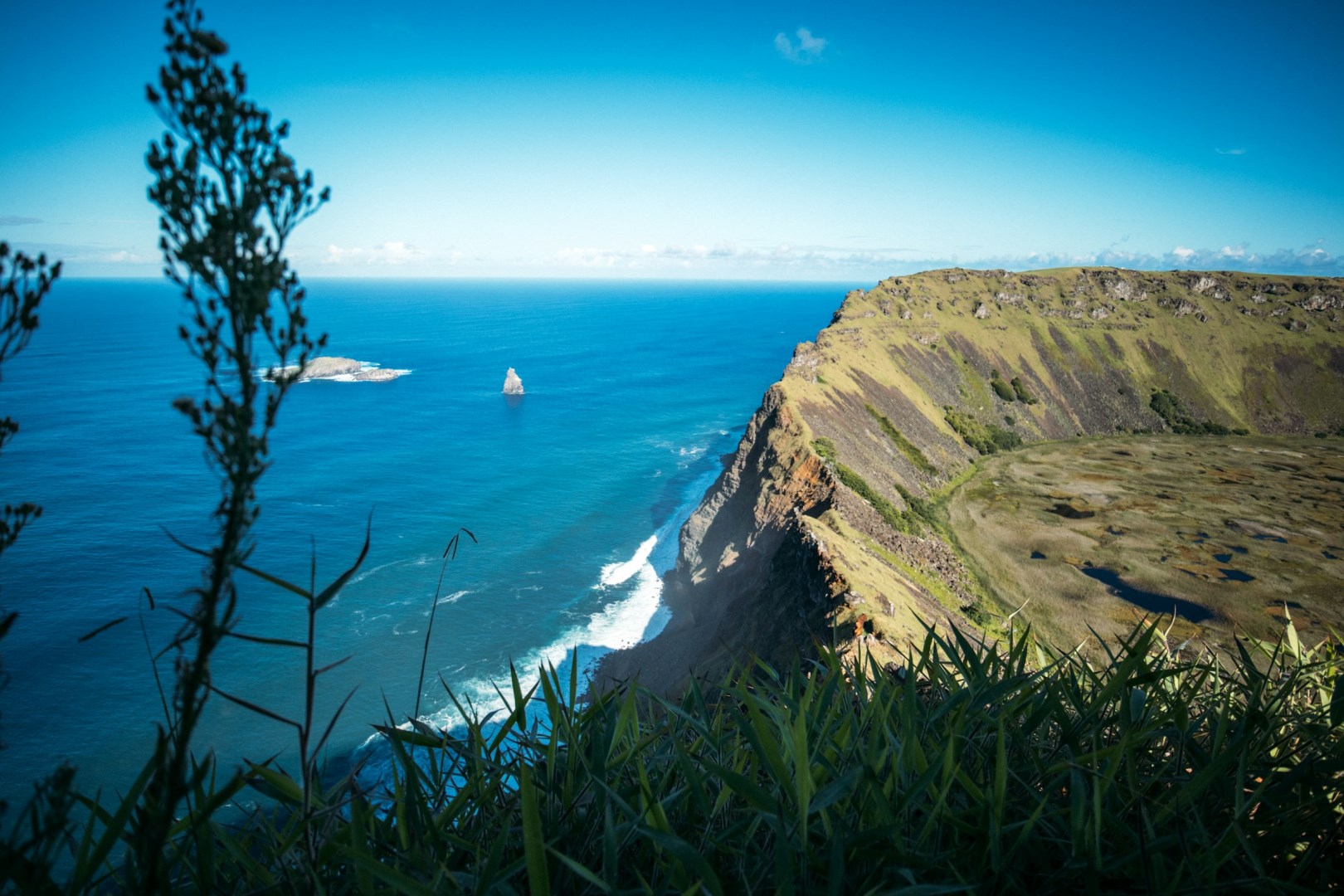
Natural beauty complements the historical allure of Easter Island. The island features stunning landscapes, including the volcanic craters of Rano Kau and the lush scenery of the island’s interior. The beaches of Anakena, with their white sand and turquoise waters, provide a perfect spot for relaxation and swimming. Hiking enthusiasts can enjoy trails leading to panoramic views from the island’s volcanic peaks or explore hidden caves and lava tubes.
Fun fact: Easter Island is one of the most remote inhabited islands in the world, situated over 2,000 miles (3,200 kilometers) from the nearest continental landmass, making it a true journey to the edge of the world.
Other Popular Destinations in Chile
Santiago
Flanked by the Chilean Coast Range and the snowy Andes, Chile's largest metropolis offers a dazzling array of sights and attractions for visitors to pursue. Mirrored skyscrapers, 16th-century churches, hip cafes, dance clubs... and did we mention the delicious Chilean cuisine?
San Pedro De Atacama
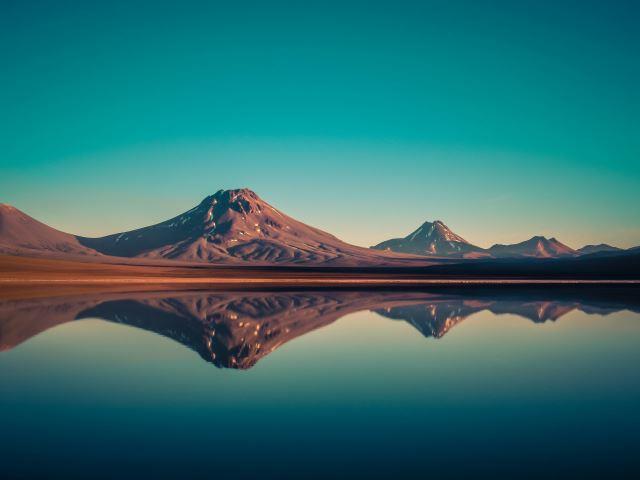
San Pedro de Atacama, a small town in northern Chile, sits at over 2,400 meters above sea level in one of the most geologically diverse areas on Earth. Surrounded by volcanoes, salt flats, geysers, and ancient lava flows, it has long served as a gateway to the Atacama Desert. This desert is the driest non-polar place in the world, where some weather stations have never recorded rainfall.