Adak Island
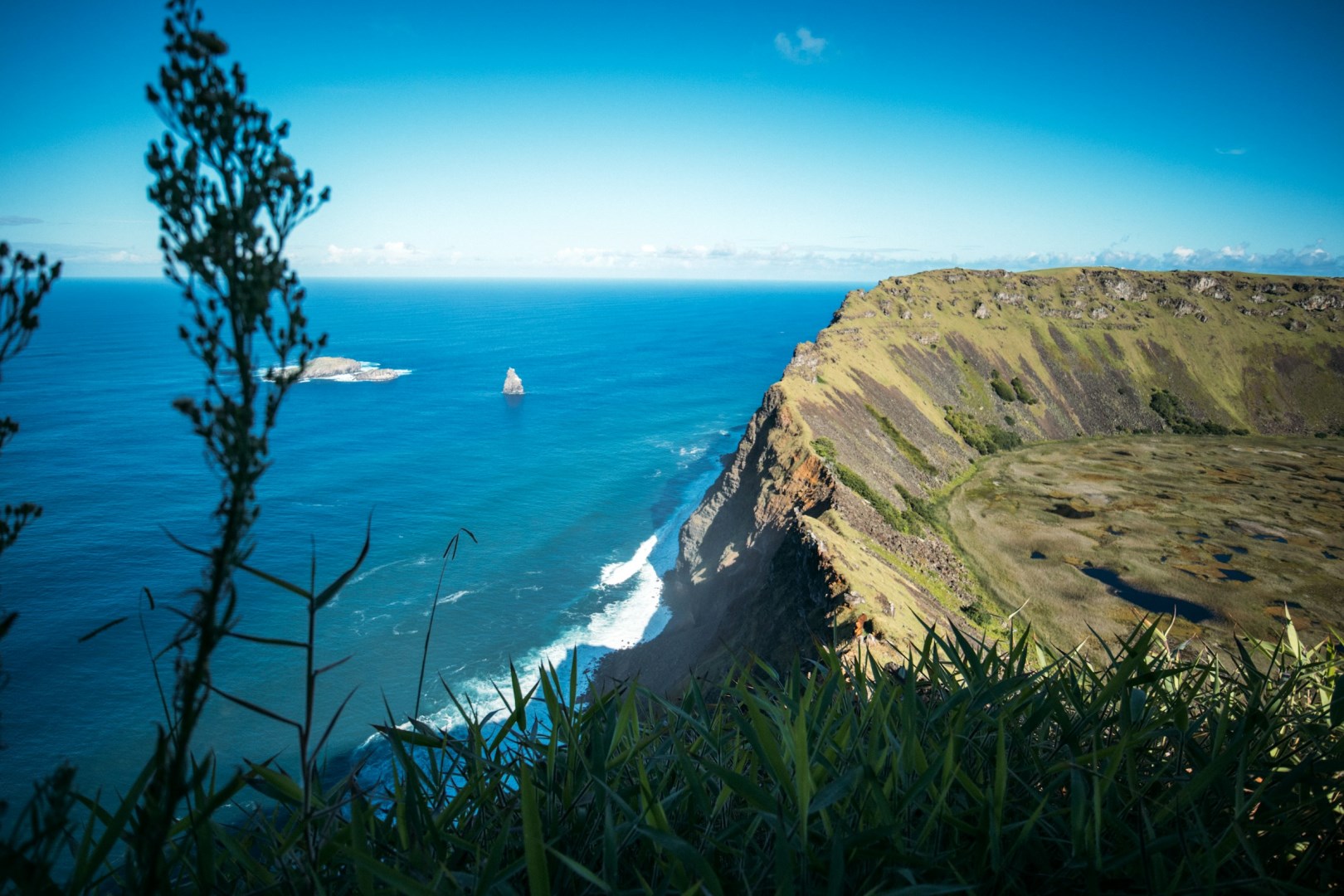
Adak Island lies in the central Aleutian Islands of southwest Alaska, where steep volcanic mountains meet the North Pacific. The community of Adak occupies a sheltered harbor on the island and is one of the few remote Aleutian locations accessible by commercial airline. Much of the island consists of open tundra, rugged slopes, coastal wetlands, and rocky shorelines shaped by strong winds and frequent rain.

Sapporo
Sapporo, (säp-pô´rô), capital of Hokkaido prefecture, SW Hokkaido, Japan. One of Japan's most rapidly growing urban centers, Sapporo is famous for its annual snow festival. It was the site of the 1972 winter Olympics.

Las Vegas
Las Vegas, Nevada, is an electrifying city where glitz and glamour meet entertainment and excitement. Known as "The Entertainment Capital of the World," Las Vegas offers an unparalleled array of attractions, from its iconic casinos and luxurious hotels to its world-class dining and live shows. The city's entertainment scene is second to none, featuring legendary headliners, cutting-edge performances, and an array of themed attractions.
Thoddoo
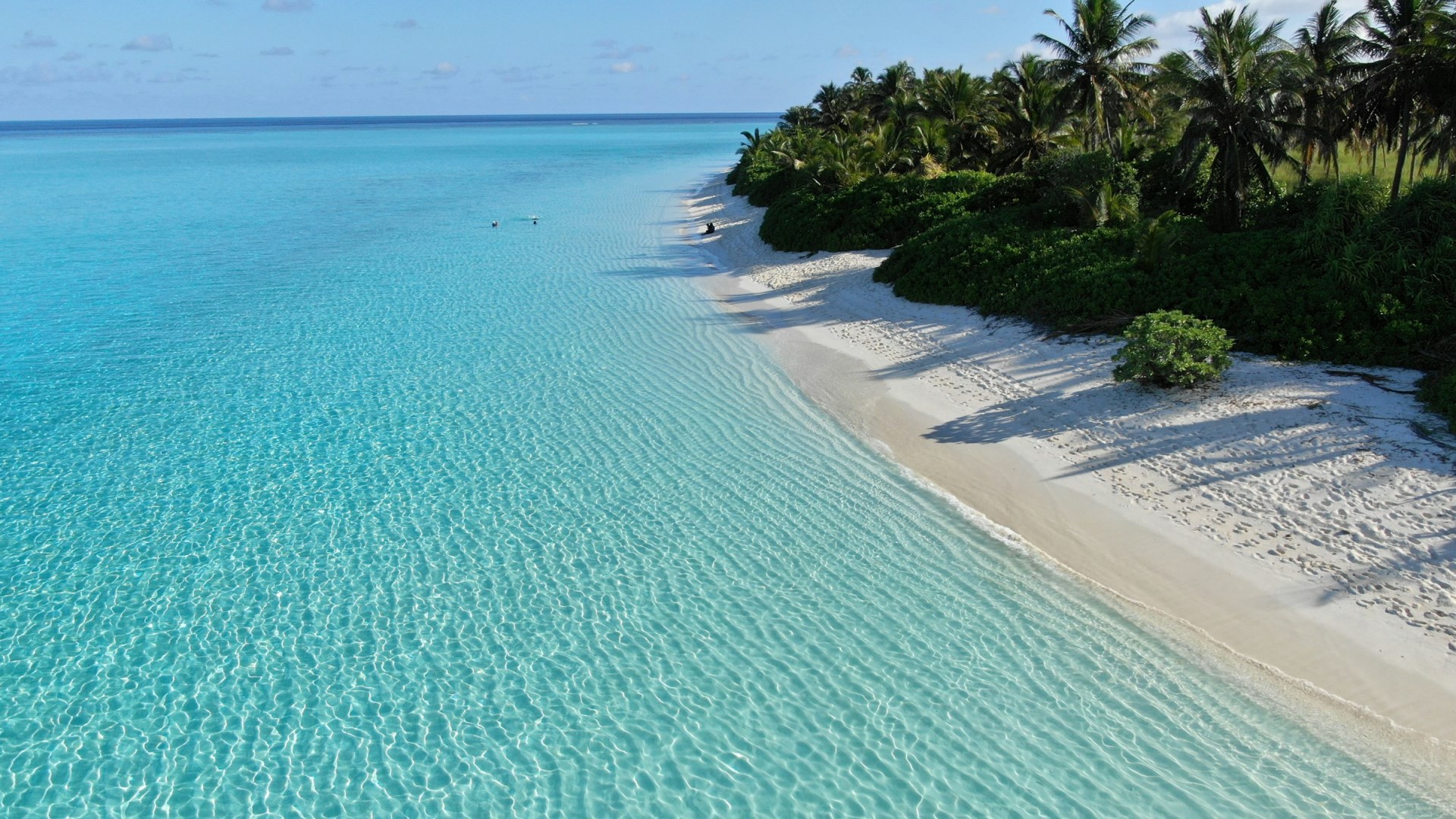
Thoddoo is a local island in the North Ari Atoll of the Maldives, distinguished by its unusually strong agricultural tradition. While coral reefs, beaches, and lagoons surround the island, much of its interior is covered by productive farmland, with watermelon, papaya, eggplant, chili, drumstick, breadfruit, and other crops cultivated for local consumption and markets. The island’s broad green interior sets it apart from many smaller Maldivian islands where available land is more limited.

Philae
Philae Temple Complex sits on an island in the Nile near Aswan, where calm water and granite hills create a setting that feels carefully placed in the river. The temple buildings rise from the island like carved stone reflections of the cliffs around them, and reaching the site requires a short boat ride across still waters. This approach is part of the experience, as visitors leave the shore behind and glide toward an island that seems built for slow discovery.