La Trinité
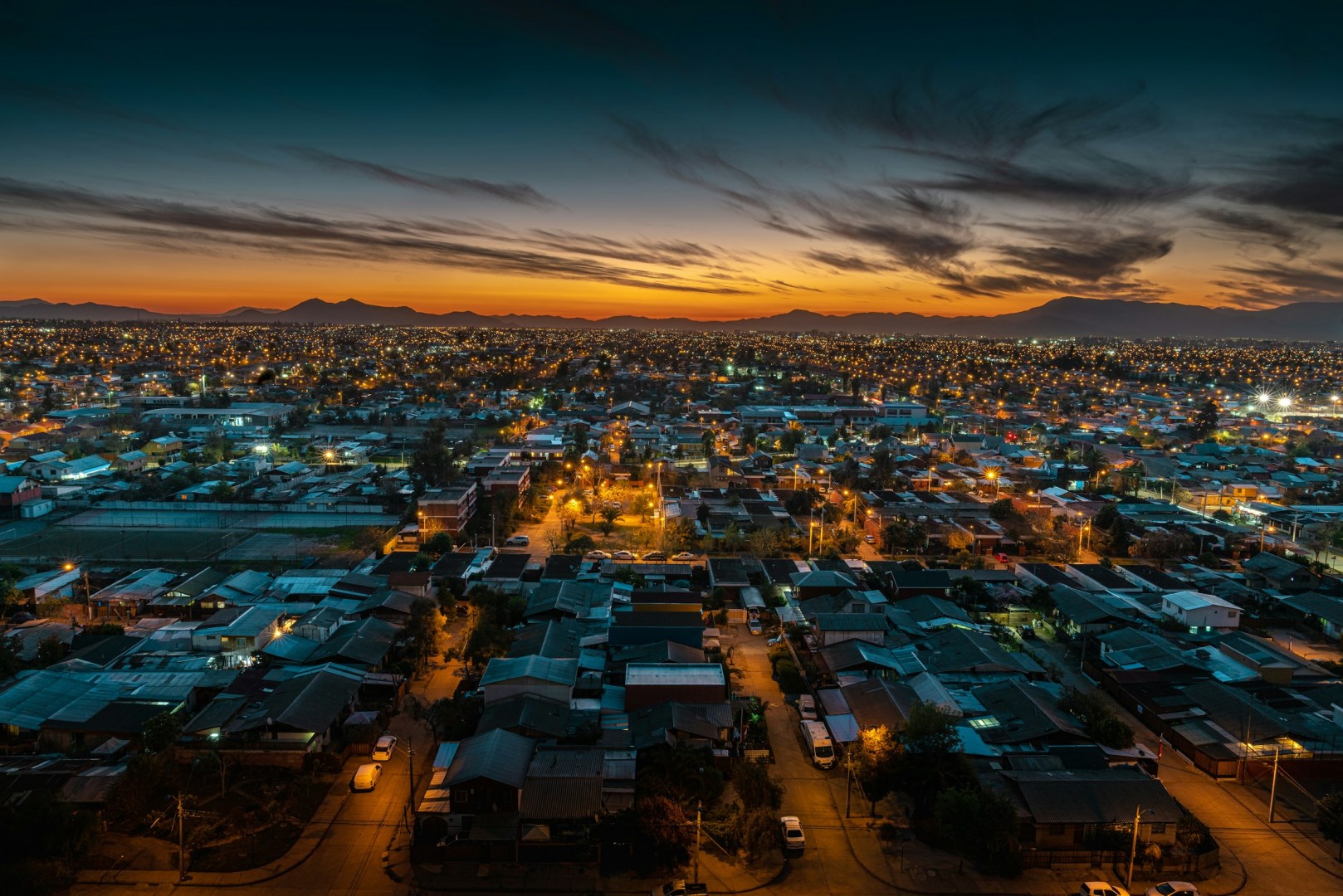
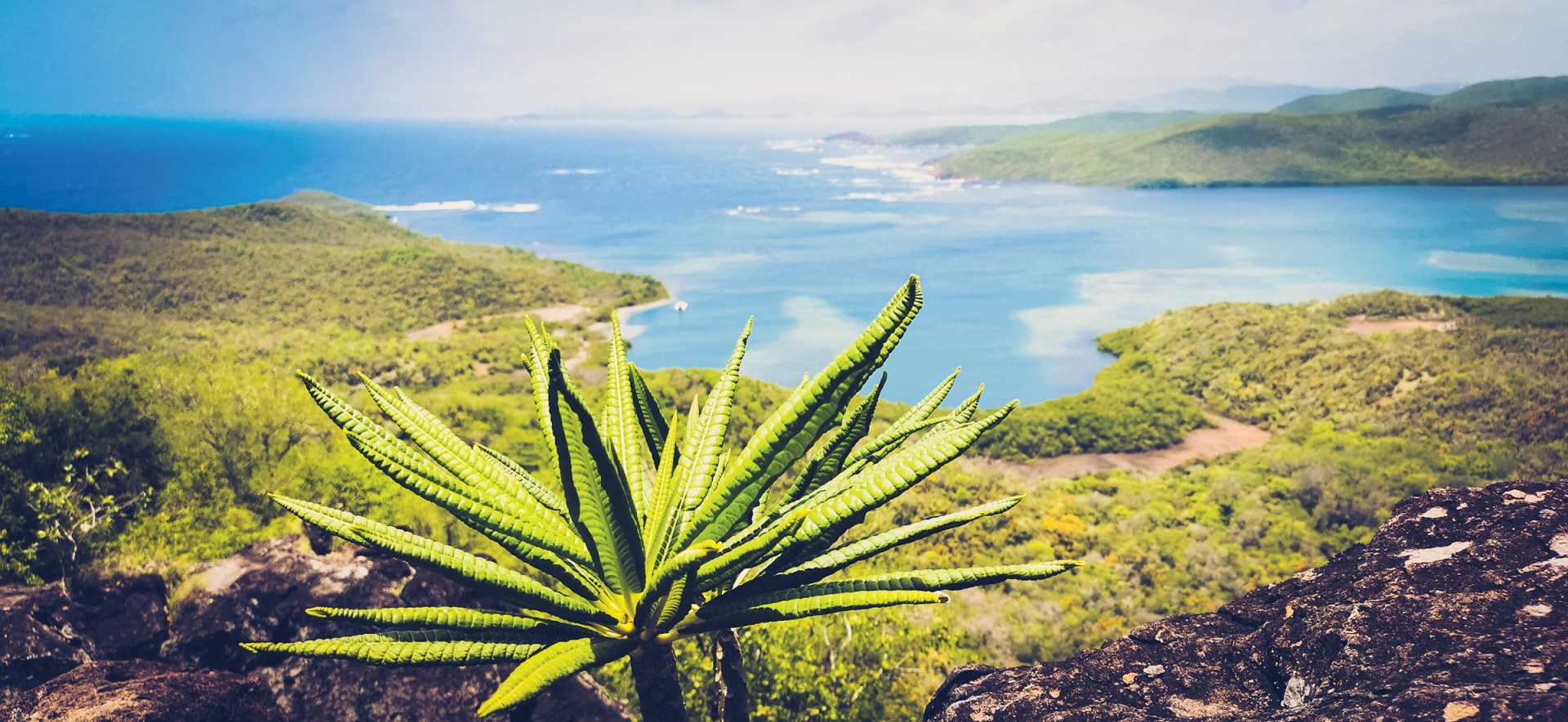
La Trinité is a coastal town on Martinique’s northeastern side, facing the Atlantic Ocean and the large bay of the Baie du Trésor. It serves as the main town of the La Trinité arrondissement and is surrounded by a landscape of sugar-cane fields, tropical vegetation, hills, and coastal wetlands. The town itself has a working harbour and a waterfront shaped by fishing and maritime activity.

Micronesia
Micronesia, officially the Federated States of Micronesia (FSM), is made up of more than 600 islands scattered across the western Pacific Ocean. Each of its four states (Yap, Chuuk, Pohnpei, and Kosrae) offers travelers something distinctly different. Ancient stone ruins, sapphire lagoons, volcanic peaks, and remote island communities all tell a story of resilience, connection, and seafaring heritage.
Furano
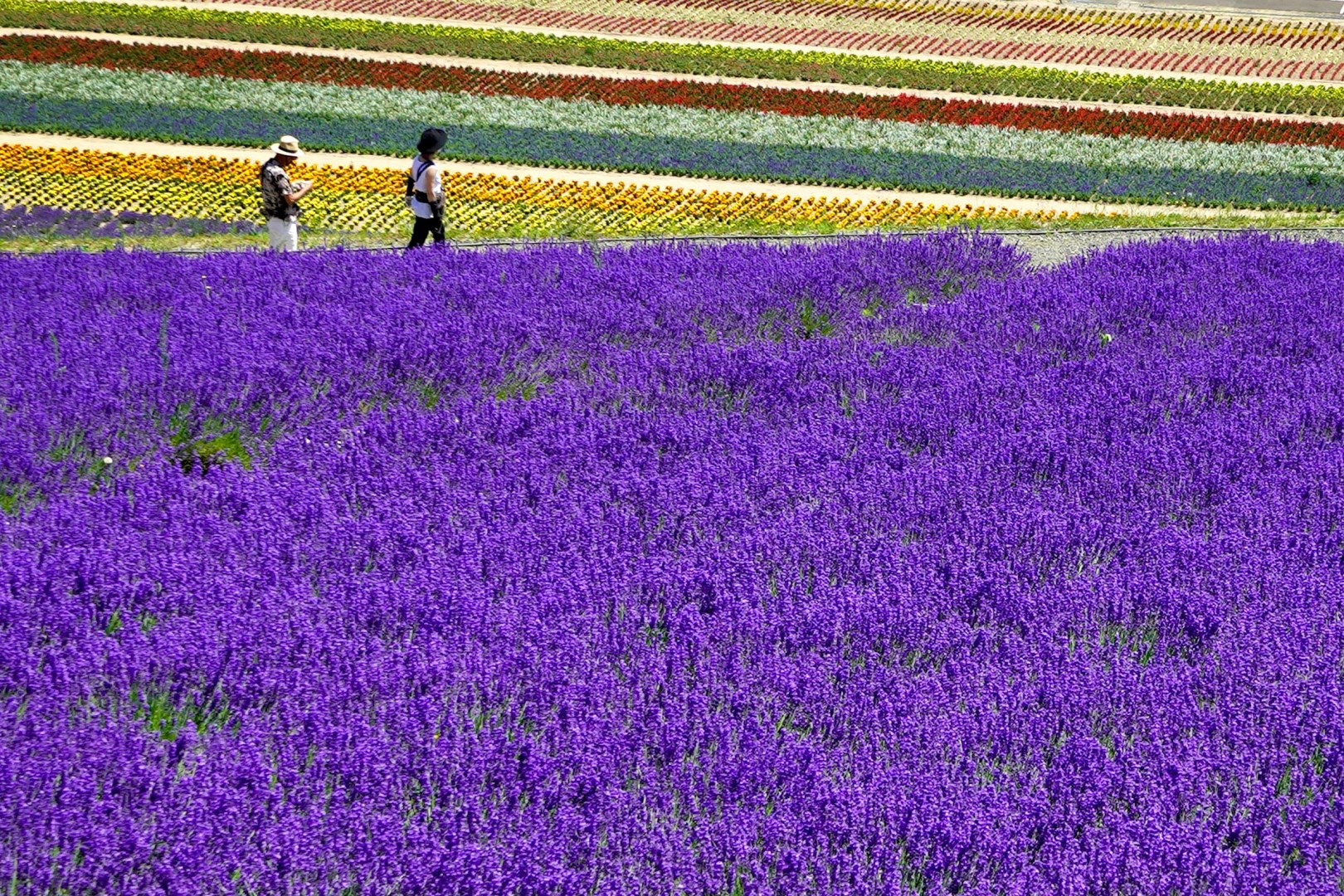
Furano is a small city in central Hokkaido, surrounded by the Tokachi and Yubari mountain ranges. Its broad basin contains farmland, rolling hills, rivers, and open countryside, while the surrounding mountains provide a distinct backdrop in every season. Furano is particularly associated with fields of lavender and other flowers, but agriculture remains an important part of the local landscape beyond the famous flower farms.
Hawaii Volcanoes National Park
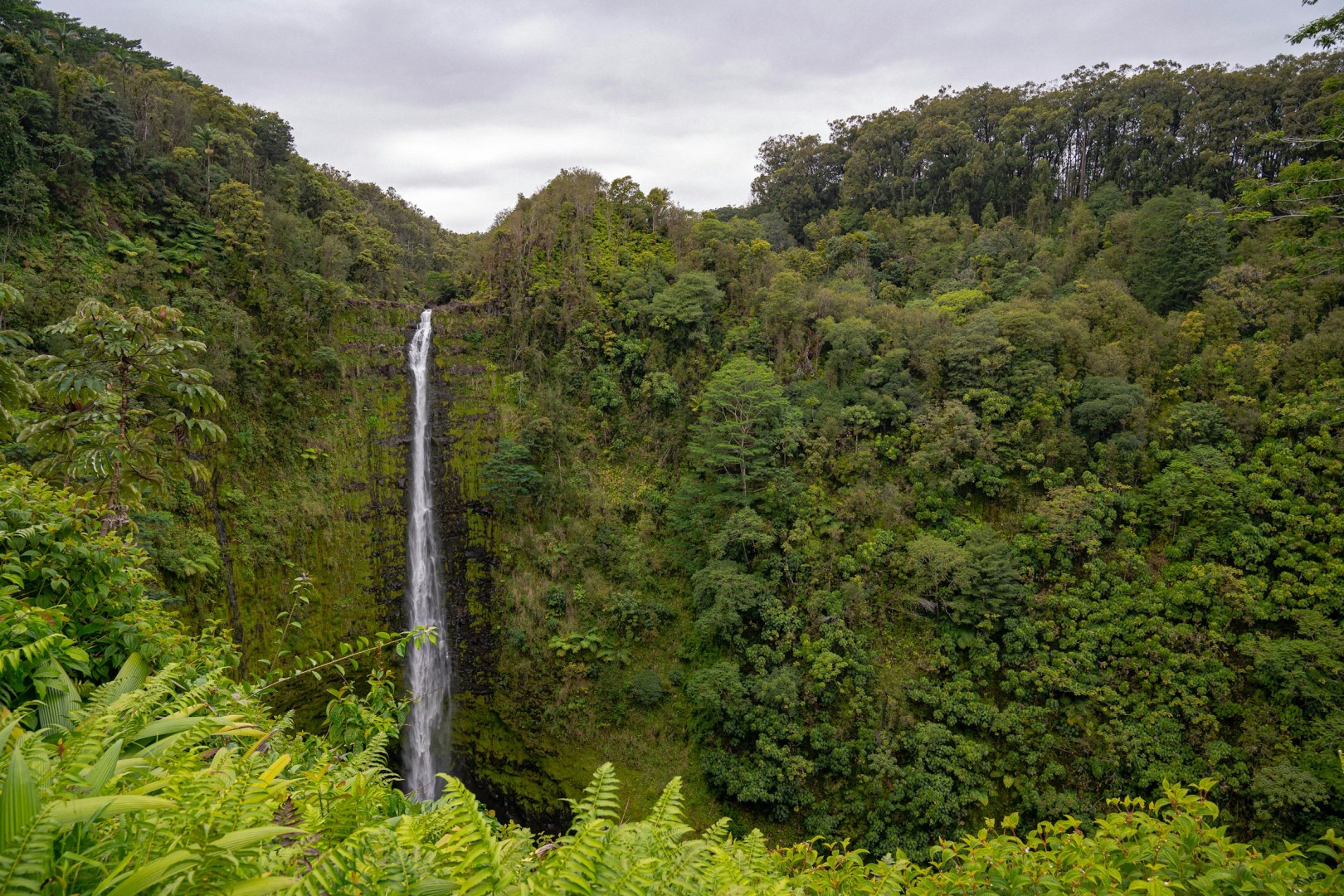
Hawaii Volcanoes National Park protects a remarkable volcanic landscape on Hawaii Island shaped by Kilauea and Mauna Loa, two of the world's most active volcanoes. Visitors can explore lava fields, volcanic craters, native rainforest and dramatic terrain created by generations of eruptions.
Waimea, Kauai
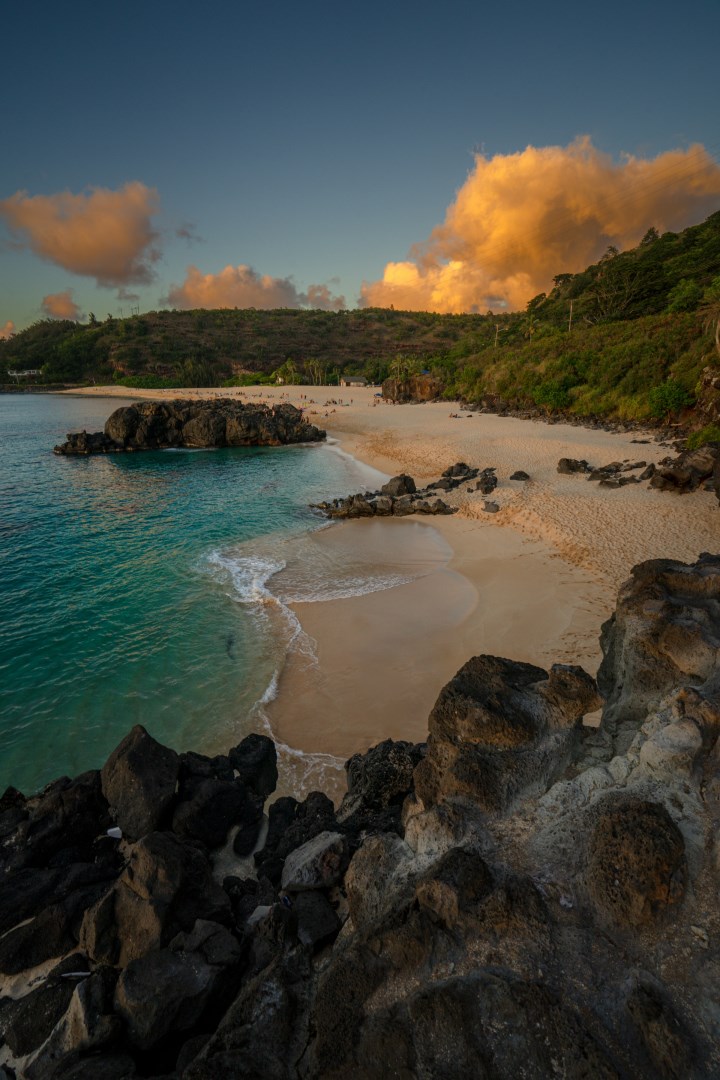
Waimea, also known as Kamuela, is an upcountry community on Hawaiʻi Island, set between the Kohala Mountains and the island’s volcanic slopes. Unlike the dry lava fields of the nearby Kohala Coast, Waimea is characterized by green pastures, rolling hills, and open ranchland. Its elevation brings cooler temperatures than the coastal resorts, while views toward Mauna Kea and the surrounding mountains help define the landscape. The town serves as a centre for ranching, agriculture, dining, arts, an